

Micronutrients in certified organic olive groves (EU): a guide to correcting boron, zinc, iron and manganese. Improve flowering and fruit set. Request your quote.
Importance of micronutrients in organic olive groves
Micronutrients in certified organic olive groves (EU) are essential for the correct development of the olive tree, flower formation, fruit set and the final quality of the oil. Unlike macronutrients, plants need them in very small quantities, but their absence or imbalance can seriously limit yield and the sustainability of the production system. In organic farming, where synthetic fertilisers are not used, micronutrient management requires careful planning based on soil and foliar analyses.
The olive tree is a traditionally hardy crop, but its productivity depends on a fine nutritional balance. Boron, zinc, iron, manganese, copper and molybdenum are involved in enzymatic processes, sugar transport, photosynthesis and defence against biotic and abiotic stress. In a certified organic olive grove, the availability of these elements is conditioned by soil organic matter, pH, microbial activity and management practices. Therefore, integrating organic sources of micronutrients and biostimulants that favour their absorption is a key strategy for maintaining profitability without compromising certification.
EU organic certification 2018/848 and Regulation 2019/1009 on fertilising products establish limits and conditions for the use of inputs. Micronutrients must come from permitted sources, such as natural chelates, seaweed extracts, fulvic acids or composted organic residues. In addition, their application must be justified by prior diagnosis and properly recorded. In this context, Ecoganic offers micronutrient solutions for organic crops that comply with regulatory requirements and improve nutritional efficiency.
A well-nourished organic olive grove in terms of micronutrients shows greater resistance to pests such as the olive fruit fly or the moth, and tolerates drought and frost better. Field experience indicates that correcting boron and zinc deficiencies can increase fruit set by up to 20-30 % in years of abundant flowering, provided it is accompanied by good water and organic matter management. These results are not absolute promises, but trends observed in plots under integrated management.
Most common deficiencies in certified organic olive groves (EC)
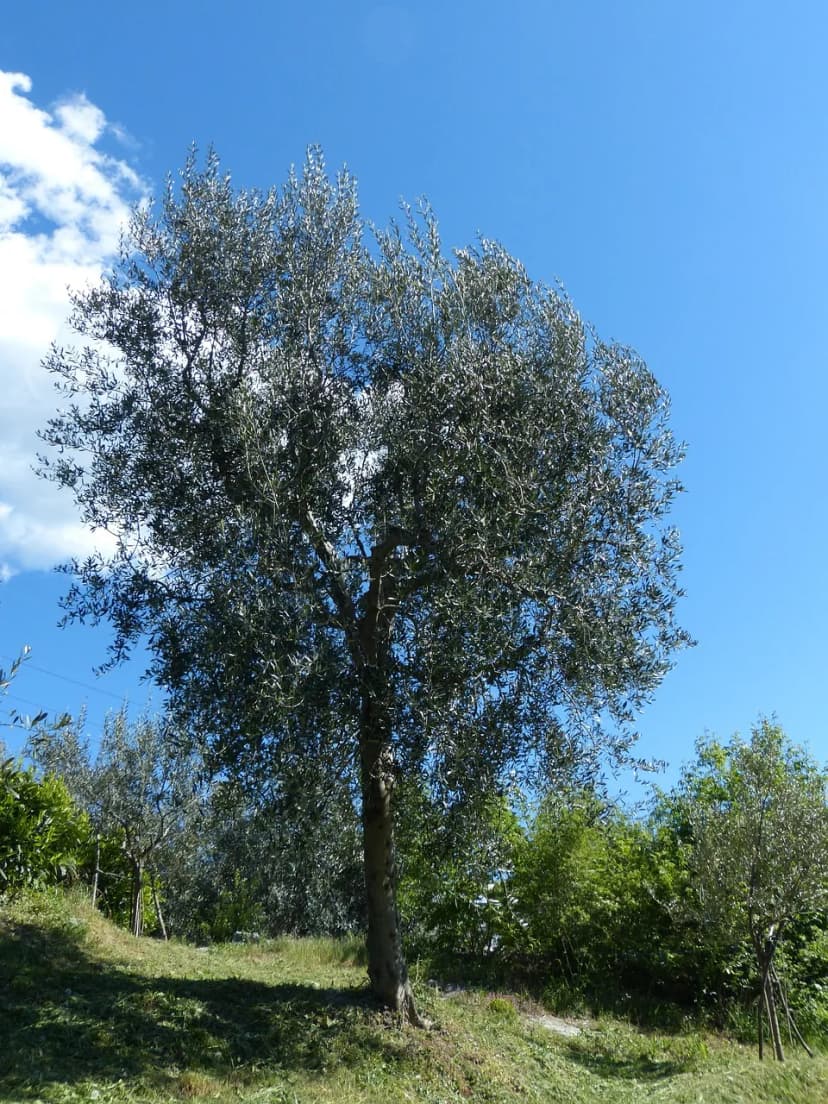
Micronutrient deficiencies in organic olive groves often go unnoticed until symptoms become visible, by which point production has already been affected. Early diagnosis through leaf and soil analysis is essential in order to act in time. The most frequent deficiencies in this crop are those of boron, zinc, iron and manganese, each with characteristic symptoms and critical timings.
Boron deficiency
Boron is essential for pollen germination, pollen tube growth and fruit set. Its deficiency causes flower abortion, deformed fruits and premature drop. In organic olive groves, boron availability is reduced in calcareous soils with high pH, as well as under drought conditions. Leaf analyses usually show levels below 10-15 ppm in mature leaves. Correction is carried out with foliar applications of organic boron at pre-flowering and post-fruit set, avoiding excesses that can be toxic.
Zinc deficiency
Zinc is involved in auxin synthesis and chlorophyll formation. Its deficiency manifests as small leaves, short internodes and interveinal chlorosis on young shoots. In rainfed organic olive groves, the lack of zinc is accentuated by the limited mineralisation of organic matter. Foliar applications of chelated zinc with fulvic acids improve its absorption and translocation. It is important not to apply zinc in excess, as it can interfere with the absorption of iron and manganese.
Iron deficiency
Iron chlorosis is common in calcareous soils, where iron is found in poorly soluble forms. Affected olive trees show yellow leaves with green veins, especially in the apical part. In organic farming, natural iron chelates with humic or fulvic acids can be used, or alternatively seaweed extracts that favour the reduction of iron in the rhizosphere. The soil application of organic matter and beneficial microorganisms helps to prevent this deficiency.
Manganese deficiency
Manganese participates in photosynthesis and in defence against pathogens. Its deficiency causes chlorosis and necrosis in young leaves, and is associated with sandy or acidic soils, or soils with an excess of undecomposed organic matter. In organic olive groves, manganese can be supplied via foliar application with permitted manganese sulphate or with biostimulants containing this element. The balance with other micronutrients is crucial to avoid antagonisms.
The following table summarises the symptoms and correction timings for each deficiency:
| Micronutrient | Main symptoms | Correction timing |
|---|---|---|
| Boron | Flower abortion, deformed fruits, drop | Pre-flowering and post-fruit set |
| Zinc | Small leaves, interveinal chlorosis | Bud break and active growth |
| Iron | Iron chlorosis in apical leaves | Start of bud break |
| Manganese | Chlorosis and necrosis in young leaves | Vegetative growth |
Key phenological stages for micronutrient application
The effectiveness of micronutrients in organic olive groves depends largely on the timing of application. The olive tree has a well-defined phenological cycle, and each stage requires a specific nutritional approach. Applying at the right time improves uptake, prevents losses and maximises the effect on yield and quality.
Pre-flowering and flowering
This is the most critical period for boron and zinc. Between 2 and 4 weeks before flowering, a foliar application of organic boron and chelated zinc encourages the formation of viable flowers and reduces abortion. The recommended dose of foliar boron usually ranges between 0.5 and 1.5 kg/ha of commercial product, depending on the concentration and the nutritional status. It is important not to apply at temperatures above 28 °C to avoid phytotoxicity. The incorporation of organic agricultural biostimulants at this time enhances the uptake and translocation of micronutrients.
Fruit set and fruit development
After flowering, fruit set and initial fruit growth demand boron, zinc and manganese. A second foliar application 15-20 days after flowering helps to reduce the drop of small fruits and improves uniformity. At this stage, the application of micronutrients together with amino acids and seaweed extracts improves efficiency. Field experience shows that plots with adequate boron levels maintain more stable fruit set even under heat stress conditions.
Stone hardening and fruit filling
During stone hardening, the olive tree requires calcium, boron and zinc for seed and cell wall formation. Foliar applications of boron and zinc at this time contribute to a better pulp/stone ratio and a higher oil content. Manganese also plays a role in active photosynthesis during filling. It is advisable to carry out foliar analyses at this stage to adjust doses.
Post-harvest and reserves
After harvesting, the olive tree accumulates reserves for the following season. A foliar application of zinc and manganese, together with soil organic matter, helps to maintain root activity and to prepare for spring budbreak. In organic olive groves, the incorporation of compost and fulvic acids improves the long-term availability of micronutrients. Ecoganic's fertilisation programme for olive trees details an indicative calendar adapted to different areas.
Application strategies: foliar and soil
The correction of micronutrient deficiencies in organic olive groves can be addressed through foliar applications, soil applications or a combination of both. The choice depends on the type of deficiency, the soil, the irrigation system and the phenological stage. In general, the foliar route offers a rapid response for acute deficiencies, while the soil route acts in the medium and long term by improving soil fertility.
Foliar application
Foliar application is especially effective for boron, zinc, iron and manganese. Nutrients are absorbed through the cuticle and stomata, and are translocated to the demanding organs. To improve absorption, it is recommended to apply during the cooler hours of the day, with high relative humidity and using permitted organic wetting agents. Doses must be adjusted according to the product and the phenological stage; as a reference, foliar boron is applied at 0.5-1.5 kg/ha, zinc at 1-2 kg/ha of chelate, and manganese at 0.5-1 kg/ha. It is crucial not to mix incompatible products and to carry out tests on small areas before treating the whole plot.
The foliar absorption of nutrients is favoured by the presence of biostimulants containing polysaccharides and amino acids, which increase membrane permeability and ion mobility. In olive groves, the addition of seaweed extracts such as Ascophyllum nodosum or freshwater microalgae improves the effectiveness of foliar micronutrient applications.
Soil application
The soil route is suitable for correcting chronic deficiencies and improving soil fertility. In organic olive groves, micronutrients can be supplied through compost, mature manure, rock flours or natural chelates. Organic matter improves soil structure, increases cation exchange capacity and favours microbial activity, which increases the availability of micronutrients. Fulvic and humic acids form complexes with metals, preventing their precipitation and facilitating their root absorption.
Soil application should preferably be carried out in autumn or early spring, incorporating the product into the tree's drip zone. In localised irrigation, fertigation with organic chelates can be used. It is important to avoid excessive applications that could cause imbalances with other nutrients. Prior soil analysis is essential to determine the most appropriate doses and sources.
Combination of both routes
The most effective strategy usually combines foliar applications at critical moments with background soil inputs. For example, in an olive grove with boron deficiency, a foliar application can be made at pre-flowering and another at post-fruit set, while in autumn compost enriched with boron is incorporated. This dual route maintains adequate levels throughout the cycle and reduces the risk of sudden deficiencies. Experience in organic plots in Andalusia and Extremadura shows that this combination improves fruit set and oil quality in a sustained manner.
Synergies with biostimulants and organic matter
Micronutrients do not act in isolation. Their effectiveness depends on interaction with other elements and with the soil microbiota. In organic olive groves, the integration of biostimulants and organic matter is essential to optimise crop nutrition and health.
Microalgae biostimulants
Microalgae biostimulants, such as those derived from Chlorella or Spirulina, contain natural phytohormones, amino acids, polysaccharides and chelated micronutrients. Their foliar or soil application improves the absorption of boron, zinc and iron, and increases tolerance to water stress. In olive groves, it has been observed that the application of microalgae extracts at pre-flowering increases pollen viability and fruit set. In addition, they favour soil microbial activity, which improves the long-term availability of micronutrients.
Fulvic and humic acids
Fulvic acids are especially effective at chelating micronutrients and facilitating their absorption. Their low molecular weight allows them to penetrate the plant quickly and transport metal ions. In organic olive groves, the application of fulvic acids for organic farming together with micronutrients improves fertilisation efficiency and reduces the doses required. Humic acids, for their part, improve soil structure and water retention capacity, creating a favourable environment for roots.
Soil microbiota
Soil microbiota play a key role in the solubilisation of micronutrients. Beneficial bacteria and fungi, such as Bacillus spp. and mycorrhizae, release organic acids and siderophores that mobilise iron, zinc and manganese. In organic olive groves, the incorporation of compost and the reduction of tillage favour these microbial populations. The application of natural bioprotectants containing beneficial microorganisms can improve the availability of micronutrients and the overall health of the soil.
The combination of biostimulants, fulvic acids and organic matter creates a synergistic effect that improves olive tree nutrition and reduces dependence on external inputs. This strategy is aligned with the principles of regenerative agriculture and with the requirements of EU organic certification.
EC certification: regulatory compliance and good practice
Certified organic olive groves must comply with Regulation (EU) 2018/848 on organic production and with Regulation (EU) 2019/1009 on fertilising products. These regulatory frameworks establish which substances and products may be used, as well as the conditions for application and registration. For micronutrients, it is essential to choose permitted sources and to document their use.
Permitted micronutrient sources
In organic farming, micronutrients of natural origin are permitted, such as sulphates, oxides, carbonates and chelates with authorised chelating agents (for example, citric acid, gluconate, lignosulphonates). Commercial products must be certified for use in organic farming and appear on the list of authorised inputs. Ecoganic offers a range of certified organic fertilisers that meet these requirements.
Record-keeping and traceability
The farmer must keep a record of micronutrient applications, including product, dose, date, plot and justification. The certification body may request this information to verify compliance. In addition, periodic leaf and soil analyses are recommended to justify needs and adjust the fertilisation plan. Traceability is a pillar of consumer trust and of the integrity of the organic seal.
Good agronomic practice
Beyond regulatory compliance, organic olive groves benefit from practices such as cover crops, composting of pruning residues, intercropping with legumes and reduced tillage. These practices improve soil organic matter, water infiltration and biological activity, which in turn increases the availability of micronutrients. Integrating these techniques with specific applications of micronutrients and biostimulants makes it possible to maintain productivity and long-term sustainability.
For more information on certifications and trials, you can consult the Ecoganic organic certifications page and the trials and field results section.
Related articles
Do you need professional help?
At Ecoganic in Spain, Europe, we offer biostimulants and organic fertilisers. Call us: +34 623 753 719.
Request your free quote
FAQ: frequently asked questions about micronutrients in organic olive groves
Which micronutrients are most limiting in organic olive groves?
Boron, zinc, iron and manganese are the most limiting. Boron affects fruit set, zinc affects shoot growth, iron affects photosynthesis in calcareous soils and manganese affects defence and photosynthesis. Diagnosis through leaf analysis is key to prioritising.
How are boron deficiencies corrected in organic olive groves?
They are corrected with foliar applications of organic boron at pre-flowering and post-fruit set, and with soil applications of enriched compost. The indicative rates are 0.5 to 1.5 kg/ha of foliar product, adjusted according to analysis. It is important to avoid excesses so as not to poison the crop.
Can synthetic chelates be used in certified organic olive groves under EC rules?
Not all of them. Regulation 2019/1009 allows certain chelates with authorised chelating agents, such as citric acid or lignosulfonates. Synthetic chelates such as EDTA are not permitted in organic farming. It is mandatory to use products certified for organic farming.
What is the best time to apply foliar micronutrients in olive groves?
The key times are pre-flowering (boron and zinc), post-fruit set (boron, zinc and manganese) and post-harvest (zinc and manganese). Application should be carried out in cooler hours and with adequate humidity to maximise absorption and avoid phytotoxicity.
How does organic matter influence the availability of micronutrients?
Organic matter improves soil structure, increases cation exchange capacity and favours microbial activity, which increases the solubilisation and availability of micronutrients. In addition, fulvic and humic acids chelate metals and facilitate their absorption by the roots.
To design a micronutrient plan adapted to your organic olive grove, you can contact the Ecoganic technicians and request your free quote. A prior diagnosis and a personalised programme are the best guarantee for maintaining certification and improving the profitability of your holding.