
Effects of water stress on almond trees
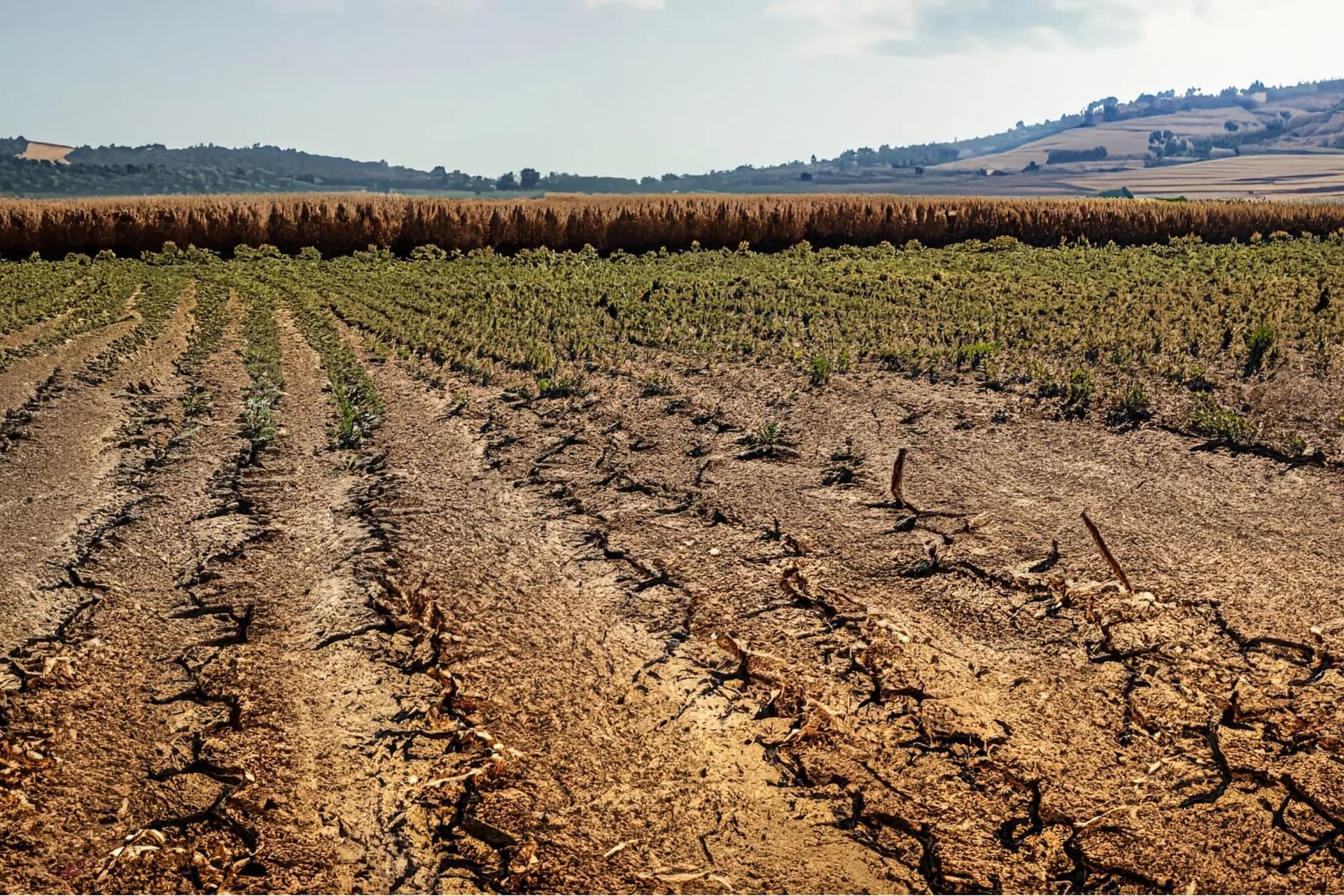
The almond tree (Prunus dulcis) is a crop traditionally considered drought-tolerant, but the intensification of water scarcity episodes in regions such as the Mediterranean and Latin America is putting its adaptive capacity to the test. Water stress in almond trees manifests when evaporative demand exceeds the water available in the soil, causing a decrease in the plant's water potential. This condition triggers a series of physiological responses that directly affect the tree's vegetative and reproductive growth.
One of the first effects of water stress is stomatal closure, a defence mechanism that reduces water loss through transpiration. However, this closure also limits CO2 uptake, reducing the photosynthetic rate and, therefore, the production of carbohydrates essential for fruit development. Research carried out by the Polytechnic University of Cartagena (UPCT) has documented that mature almond trees under water deficit respond with a decrease in leaf water potential, which allows them to maintain the soil-to-leaf gradient necessary for water uptake. Nevertheless, when stress is prolonged, a significant reduction in transpiration and photosynthesis occurs, affecting reserve accumulation and almond quality.
In terms of agronomic management, it is crucial to recognise that water stress not only affects the tree's physiology but also influences the efficacy of foliar applications of nutrients and biostimulants. When the plant is stressed, the leaf cuticle may thicken and the stomata remain closed, which hinders the penetration of the applied products. For this reason, understanding the mechanisms of foliar absorption and their interaction with water status is fundamental to optimising nutrition strategies under drought conditions.
Physiological mechanisms that limit foliar absorption
Foliar absorption is a complex process that depends on multiple factors, including leaf anatomy, environmental conditions and the physiological state of the plant. Under water stress conditions, the leaf undergoes changes that can reduce its capacity to absorb nutrients. One of the main factors is the decrease in cell turgor, which alters membrane permeability and the activity of membrane transporters. In addition, stomatal closure reduces the main entry route for some nutrients, such as calcium, which is absorbed mainly through the stomata.
The composition of the cuticle also plays a determining role. Under water stress, the plant can synthesise additional cuticular waxes as a protection mechanism against dehydration. These waxes form a lipid barrier that hinders the penetration of foliarly applied solutions. Studies carried out within the framework of the UPCT's SynergyNuts project have indicated that high environmental humidity improves foliar absorption, as it helps keep the leaf surface wet for longer, facilitating the diffusion of nutrients through the cuticle. Conversely, under low humidity conditions, the droplet evaporates quickly and absorption is compromised.
Another limiting factor is leaf age. Young leaves, in full expansion, have a thinner cuticle and greater metabolic activity, which favours absorption. By contrast, mature leaves, which are the most abundant during summer, have a thicker cuticle and a lower absorption capacity. Therefore, choosing the timing of application, considering both the phenological stage and the water status of the plant, is essential to maximise the efficacy of foliar treatments.
Strategies to improve foliar absorption under water stress
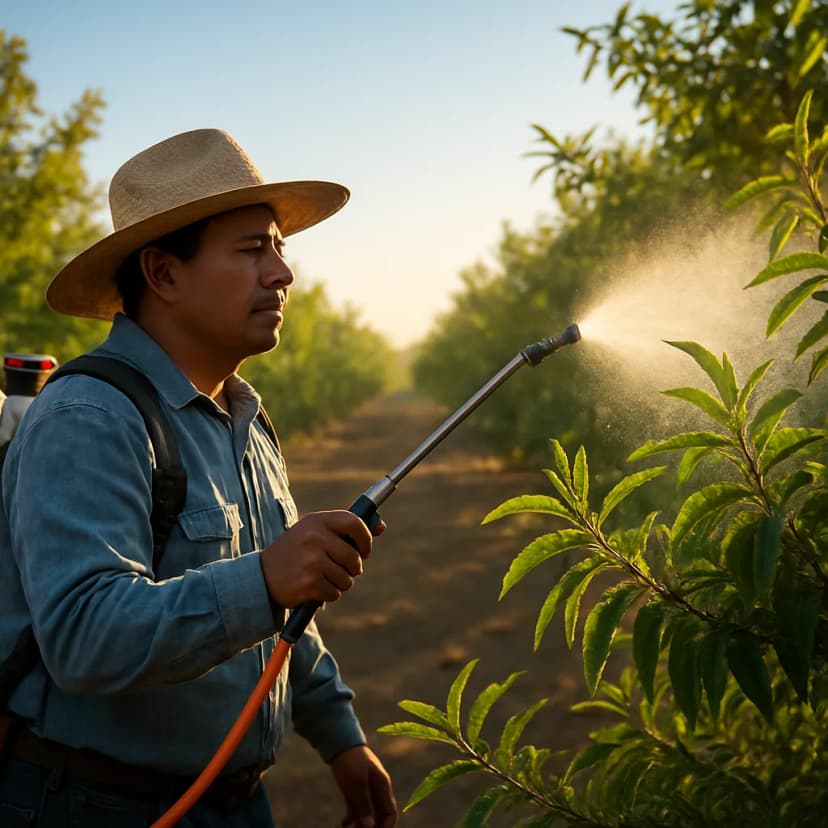
To improve foliar absorption under water stress conditions, it is necessary to adopt a comprehensive approach that combines irrigation management, the choice of suitable products and the optimisation of application conditions. One of the most effective strategies is to schedule foliar applications at times of day when evaporative demand is lower, such as the early hours of the morning or at dusk. This allows the solution to remain on the leaf for longer, increasing the likelihood of absorption.
Another recommended practice is to ensure an adequate water status of the plant before application. If the stress is severe, it is preferable to carry out a prior irrigation to partially restore turgor and open the stomata. However, in situations of water restriction, use can be made of biostimulants containing compounds such as amino acids, fulvic acids or seaweed extracts, which have been shown to improve stress tolerance and favour nutrient absorption. These products act as osmoprotectants and stimulate metabolic activity, which can counteract the negative effects of stress on foliar absorption.
The quality of the water used in preparing the spray solution also has an influence. Water with high electrical conductivity or with extreme pH can reduce the efficacy of the products. It is recommended to adjust the pH of the solution to a slightly acidic range (5.5-6.5) to improve the stability of the nutrients and their penetration. In addition, the addition of adjuvants or surfactants can help to reduce surface tension and improve the spreading of the droplet over the leaf, favouring absorption.
Irrigation management and monitoring of water stress
Irrigation management is a key tool for mitigating the effects of water stress and optimising foliar absorption. In arid and semi-arid regions, such as the south-east of Spain, regulated deficit irrigation (RDI) has become established as an efficient technique for saving water without significantly compromising production. This strategy consists of applying an amount of water below the crop evapotranspiration during certain phenological periods in which the tree is less sensitive to water deficit, such as endocarp hardening. During this phase, moderate stress can even improve almond quality, increasing the oil content and improving flavour, according to IRTA research.
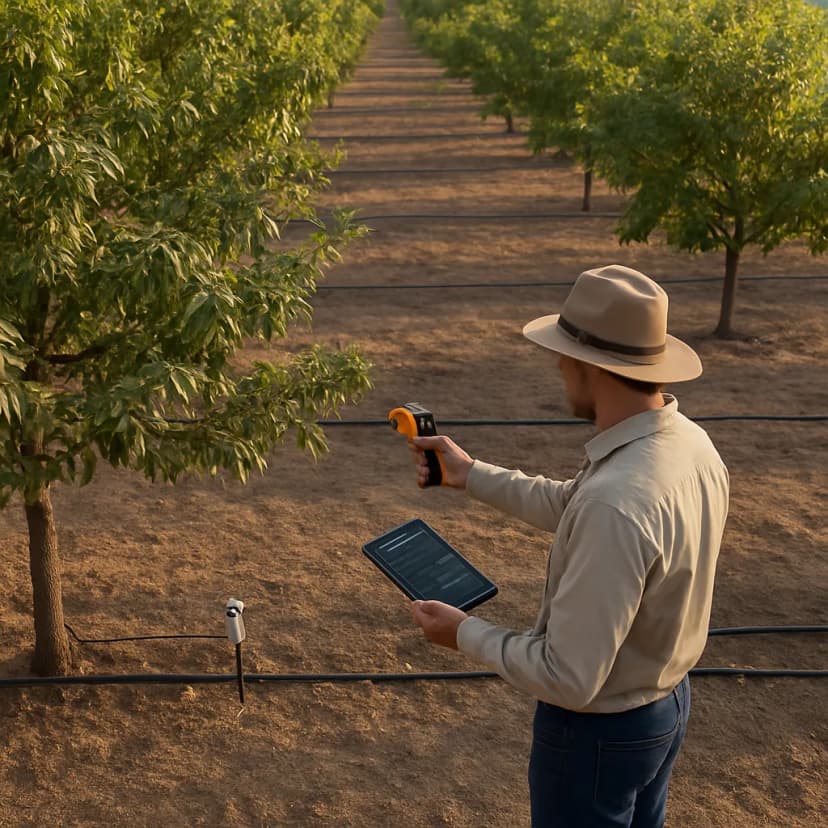
To implement an effective RDI, it is essential to monitor the water status of the plant and the soil. Xylem water potential is a precise indicator of stress in the almond tree. It has been observed that transpiration is reduced when xylem water potential falls below -1.1 MPa. Therefore, keeping water potential above this threshold during the critical phases is essential to avoid severe damage. IFAPA (Andalusian Institute of Agricultural and Fisheries Research and Training) recommends stress thresholds (Ks) of 0.2 to 0.25 as reasonable values for the almond tree under drought conditions, which indicates that soil water depletion of up to 25% of the retention capacity can be allowed.
Constant monitoring allows irrigation to be adjusted to the real needs of the crop and avoids both excessive stress and excessive irrigation, which can also be harmful. Irrigation scheduling based on data from soil moisture sensors and weather stations is a recommended practice for optimising water use and ensuring that the plant is in optimal conditions to absorb the nutrients applied foliarly.
Use of biostimulants to mitigate water stress
Agricultural biostimulants have become a valuable tool to help crops overcome abiotic stress conditions such as drought. These products, which may contain microalgae, amino acids, humic and fulvic acids, or plant extracts, act on the plant's physiological processes, improving its stress tolerance and water use efficiency. In the case of almond trees, the application of biostimulants can help maintain cell turgor, stimulate the antioxidant system and favour nutrient uptake even under water deficit conditions.
Microalgae biostimulants, such as those developed by Ecoganic, contain natural phytohormones, such as cytokinins and auxins, which promote root growth and improve the plant's ability to explore the soil in search of water. In addition, some compounds present in microalgae, such as betaine and proline, act as osmoprotectants, helping cells to maintain their volume and function under osmotic stress. These effects can translate into greater nutrient uptake efficiency and a better response to foliar applications.
It is important to note that biostimulants are not fertilisers, but rather act as enhancers of the plant's natural processes. Therefore, their use must complement a balanced fertilisation programme and proper irrigation management. Under water stress conditions, the application of biostimulants before or during the critical period can be especially beneficial to minimise yield losses and maintain fruit quality. The choice of product and dose must be based on the specific needs of the crop and the agronomic conditions of each plot.
Foliar application at optimal times
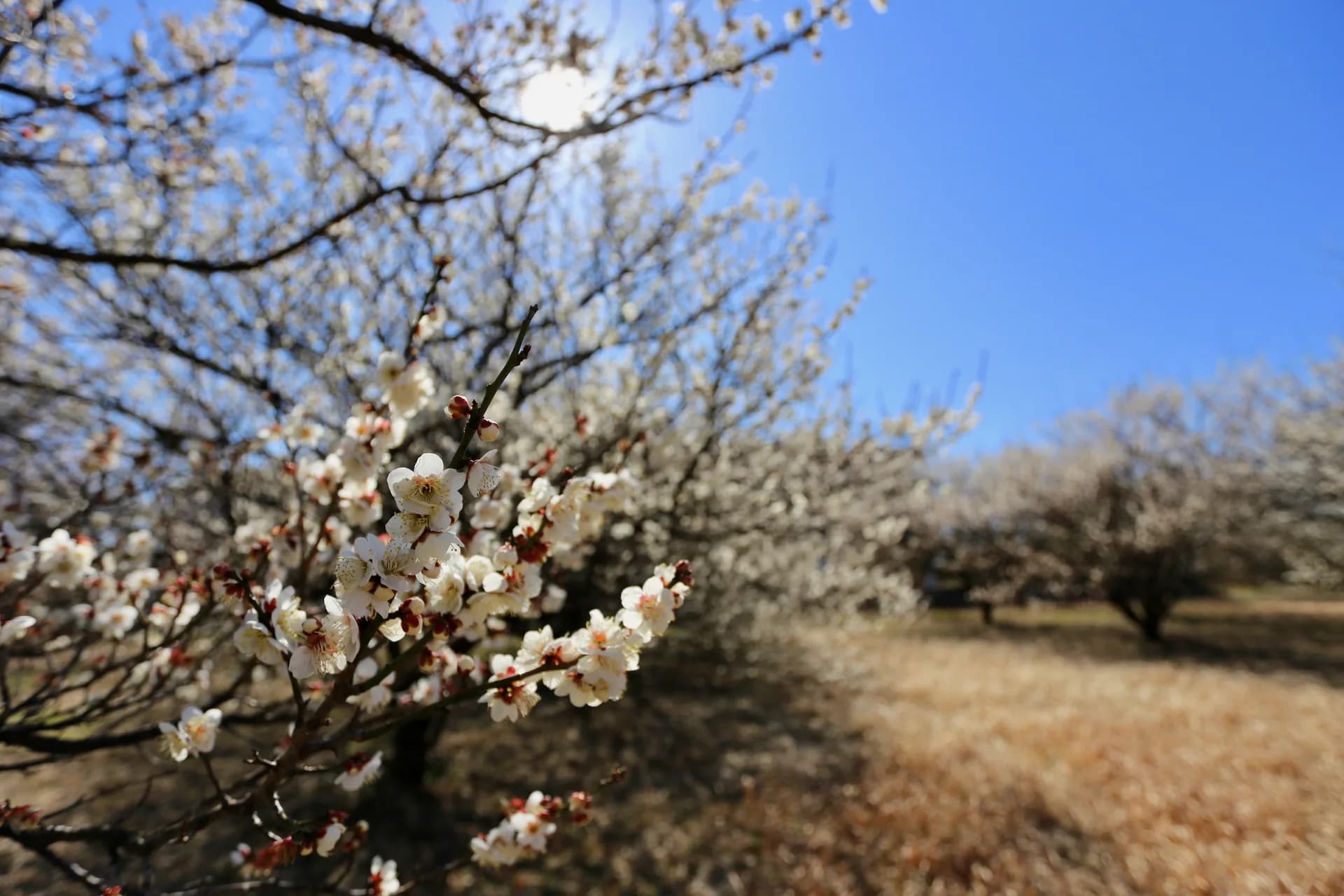
The efficiency of foliar uptake depends to a large extent on the timing of application. To maximise the penetration of nutrients and biostimulants, it is essential to choose the appropriate phenological stage and favourable environmental conditions. In almond trees, the critical times for foliar application are flowering, fruit set and grain filling. During these phases, nutrient demand is high and the plant responds better to foliar treatments.
Under water stress conditions, special attention must be paid to relative humidity and temperature. Applications should be carried out during hours of lower solar radiation and with mild temperatures, to avoid rapid evaporation of the droplets and the risk of phytotoxicity. The presence of dew can be beneficial, as it helps keep the leaf moist, but it can also dilute the solution, so the concentration must be adjusted accordingly.
The application technique also influences uptake. It is recommended to use nozzles that produce fine, uniform droplets, ensuring complete coverage of the foliage, especially the underside of the leaves, where stomata are more abundant. In addition, it is important to calibrate the equipment to avoid excessive dripping and runoff, which waste the product and can cause damage to the soil.
Related articles
- Foliar uptake in almond trees: 2026 changes
- Foliar calcium in organic almond trees: technical guide
- Sodium chloride in citrus: improvement with algae
Do you need professional help?
At Ecoganic in Spain, Europe, we offer organic Biostimulants and Fertilisers. Call us: +34 623 753 719.
Request your free quote
FAQ
How does water stress affect almond trees?
Water stress in almond trees causes a decrease in plant water potential, which leads to stomatal closure and a reduction in photosynthesis. This can result in lower carbohydrate accumulation, affecting fruit development and almond quality. In addition, severe stress can induce premature leaf drop and reduce vegetative growth, compromising the following season's production.
What factors influence foliar nutrient uptake?
Foliar uptake depends on leaf anatomy, such as cuticle thickness and the number of stomata, as well as on environmental conditions, such as relative humidity and temperature. The physiological state of the plant is also decisive; under water stress, the cuticle thickens and stomata close, hindering nutrient penetration. It is therefore crucial to apply products under optimal humidity and turgor conditions.
What is the best time to apply foliar biostimulants to almond trees?
The most recommended times are flowering, fruit set and kernel filling, when nutrient demand is at its highest. In addition, hours of low radiation and high humidity should be chosen, such as at dawn or dusk. Under water stress conditions, it is preferable to ensure prior irrigation that restores turgor and opens the stomata, thereby improving the efficacy of the treatment.
Can biostimulants help mitigate water stress in almond trees?
Yes, biostimulants can contribute to improving tolerance to water stress by stimulating physiological mechanisms such as osmotic adjustment, antioxidant activity and root development. Products containing microalgae, amino acids or fulvic acids can help maintain cell turgor and favour nutrient uptake, reducing the negative effects of water deficit on yield and fruit quality.
What water stress thresholds are recommended for almond trees?
IFAPA recommends stress thresholds (Ks) of 0.2 to 0.25, which means that soil water depletion of up to 25% of the retention capacity can be allowed. In addition, it has been observed that transpiration is reduced when xylem water potential falls below -1.1 MPa, so it is suggested to maintain values above this threshold to avoid severe damage.
References