
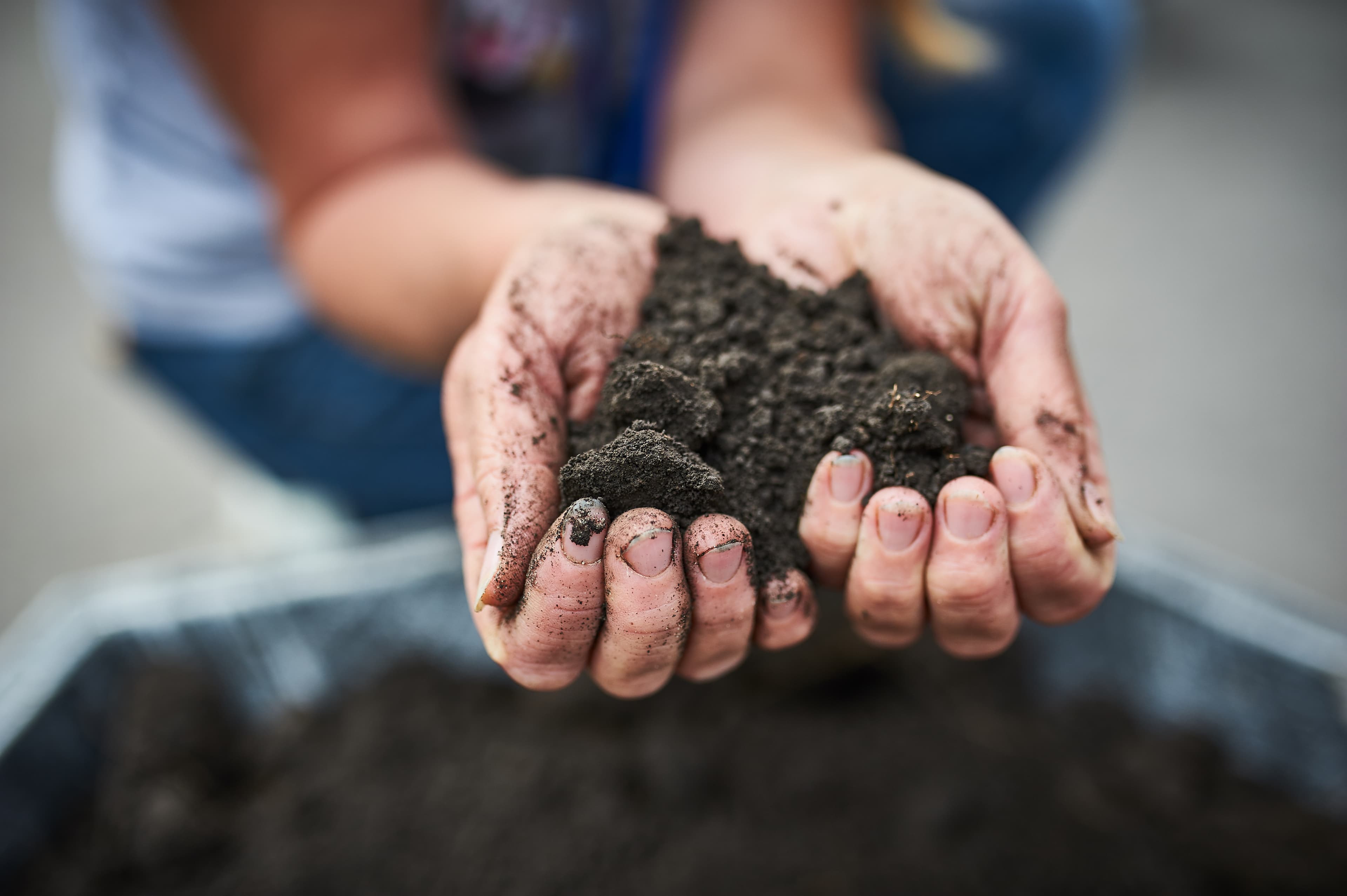
Freshwater microalgae in agriculture
Ecoganic develops its organic biostimulants and fertilizers from extracts of freshwater unicellular microalgae: Chlorella vulgaris and Scenedesmus obliquus. Unlike marine algae, these species are grown in controlled bioreactors, ensuring stable composition, absence of heavy metals, zero chlorides and maximum concentration of active compounds — phytohormones, amino acids, betaines, mannitol and bioactive polysaccharides.
Freshwater vs. marine algae — the technical difference
✓ Freshwater (Chlorella + Scenedesmus)
Grown in controlled bioreactor. Consistent batch-to-batch composition. No sodium, no heavy metals, no marine contaminants. High concentration of cytokinins, betaines and plant-origin free amino acids.
✗ Marine algae (kelp, ecklonia)
Variable composition depending on season, depth and extraction area. May accumulate iodine, heavy metals and salt. Repeated application can raise soil salinity. Lower content of active phytohormones.
Cytokinins
Betaines
Mannitol
Free amino acids
Polysaccharides
Auxins
Play the video · duration 0:30
audio: es
Grown in fresh water, without marine salts. The extract in the UNIVERSAL references has measured chloride below the limit of detection (< 0.05 % w/w).
Independent scientific evidence
Scientific backing for freshwater microalgae
Independent scientific literature supports the biostimulant potential of the freshwater unicellular microalgae (Chlorella and Scenedesmus) that Ecoganic uses in its formulations.
These studies support freshwater microalgae technology as a class; they do not evaluate specific Ecoganic products. Field trials with Ecoganic products are listed in the Trials section.
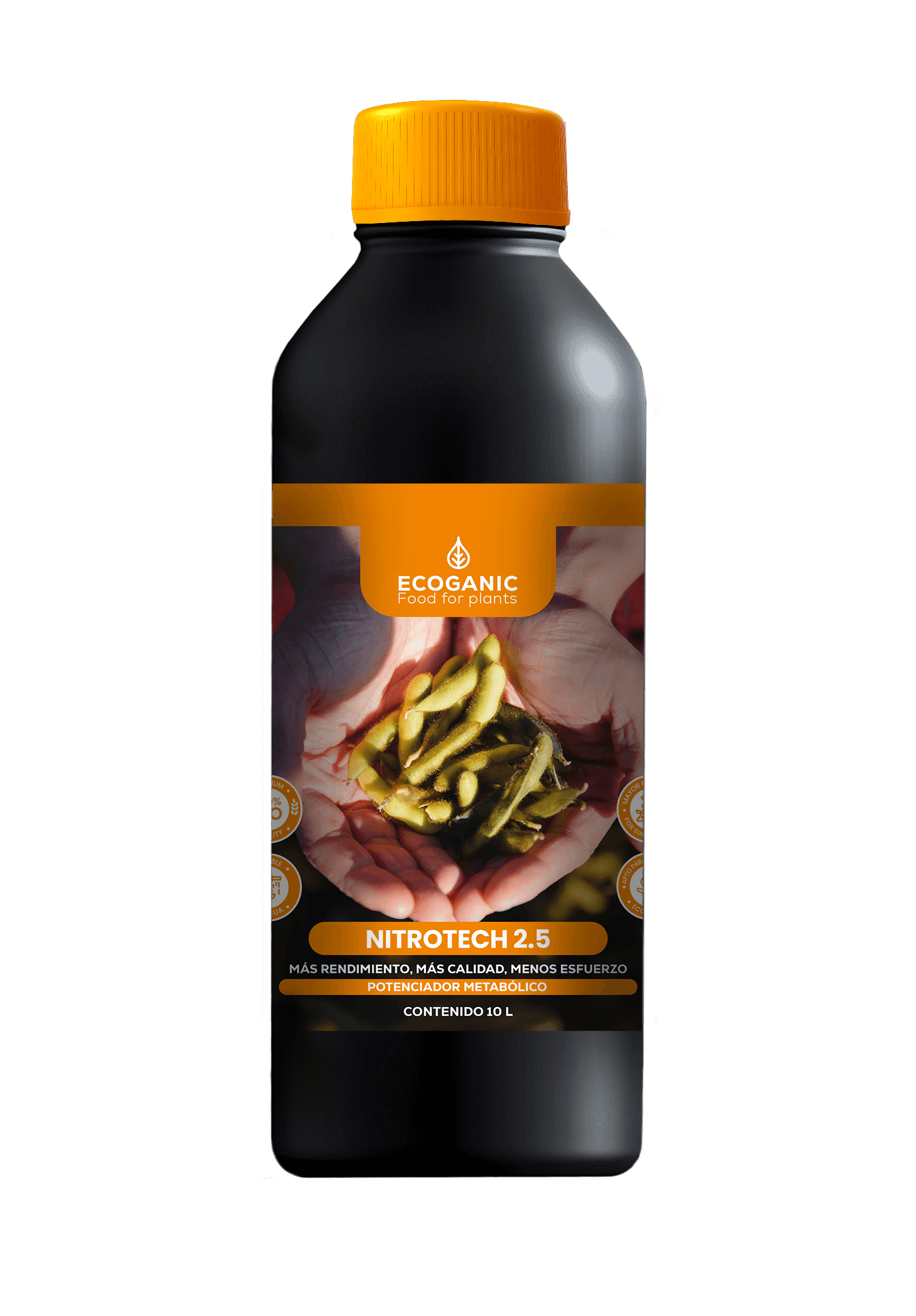
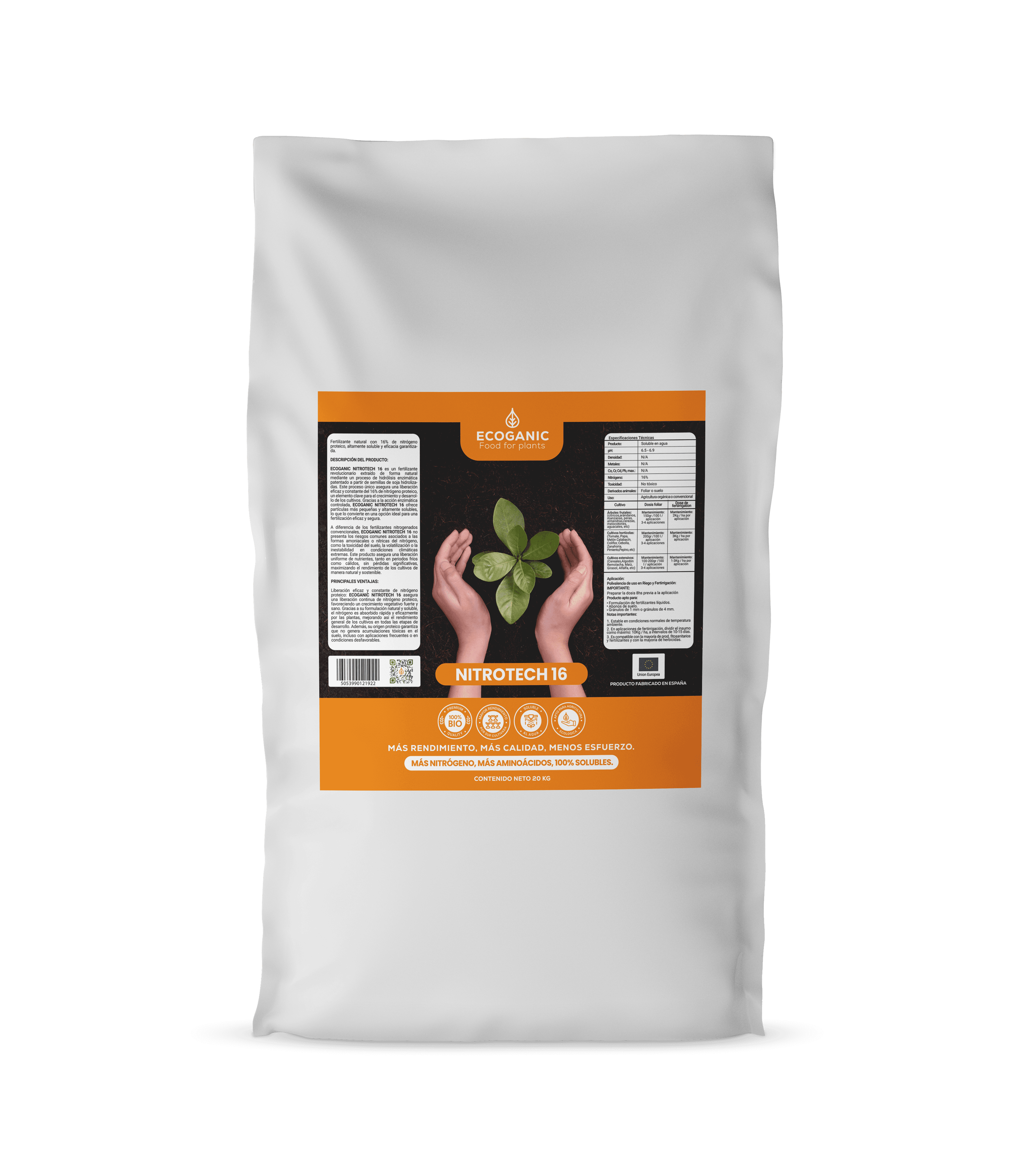
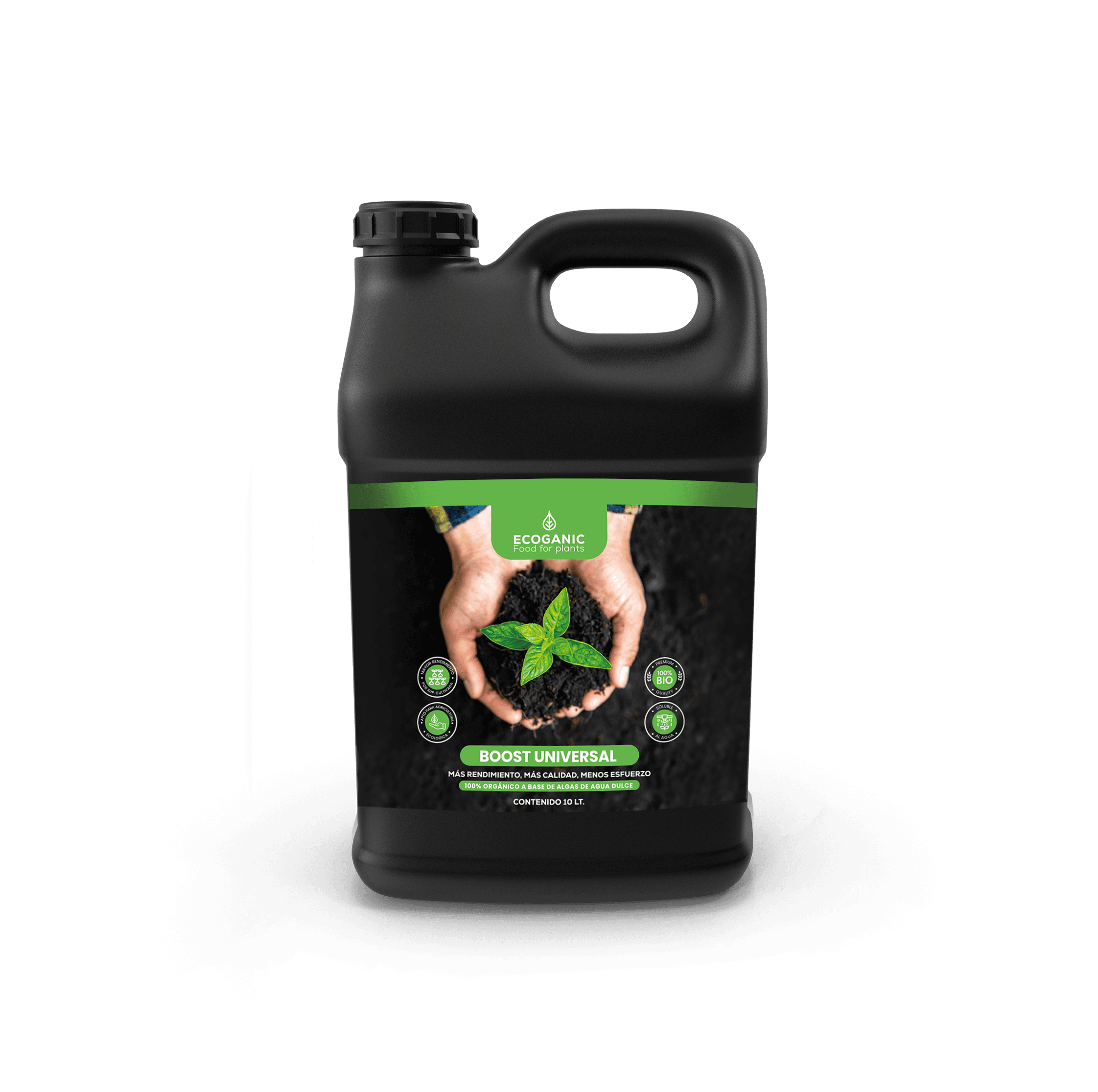
Ecoganic products with freshwater microalgae


Mechanisms of action in crops
Root stimulation and nutrient absorption
Cytokinins and betaines from Chlorella activate root growth, increase the density of absorbing hairs and improve N, P and micronutrient absorption efficiency. Field studies in tomato (SE Spain) show 25–35% increases in N absorption at doses of 3–5 L/ha.
Resistance to water and thermal stress
Mannitol and betaines act as osmoprotectants: they reduce water loss through transpiration under water and heat stress. Particularly relevant for Mediterranean crops (olive, grapevine, citrus) exposed to dry, hot summers.
Soil microbiota activation
Polysaccharides and free amino acids from Scenedesmus serve as substrates for beneficial soil bacteria and fungi. Active microbiota improves phosphorus availability, organic matter mineralization and soil structure.
Frequently asked questions
What is the difference between Ecoganic's Chlorella and Scenedesmus?
Chlorella vulgaris provides mainly cytokinins, betaines and free amino acids that stimulate root growth and nutrient absorption. Scenedesmus obliquus provides bioactive polysaccharides and peptides that activate soil microbiota and improve the plant's tolerance to abiotic stress. Ecoganic combines both species in its formulations for a complete, synergistic effect.
Why are freshwater microalgae superior to marine algae for agricultural use?
Freshwater microalgae are grown in controlled bioreactors, ensuring stable batch-to-batch composition, absence of salt (no phytotoxicity risk), no heavy metals and none of the seasonal variability of marine algae. Furthermore, Chlorella and Scenedesmus have significantly higher concentrations of active phytohormones (cytokinins, auxins) than kelp or ecklonia.
Which Ecoganic products contain Chlorella and Scenedesmus extracts?
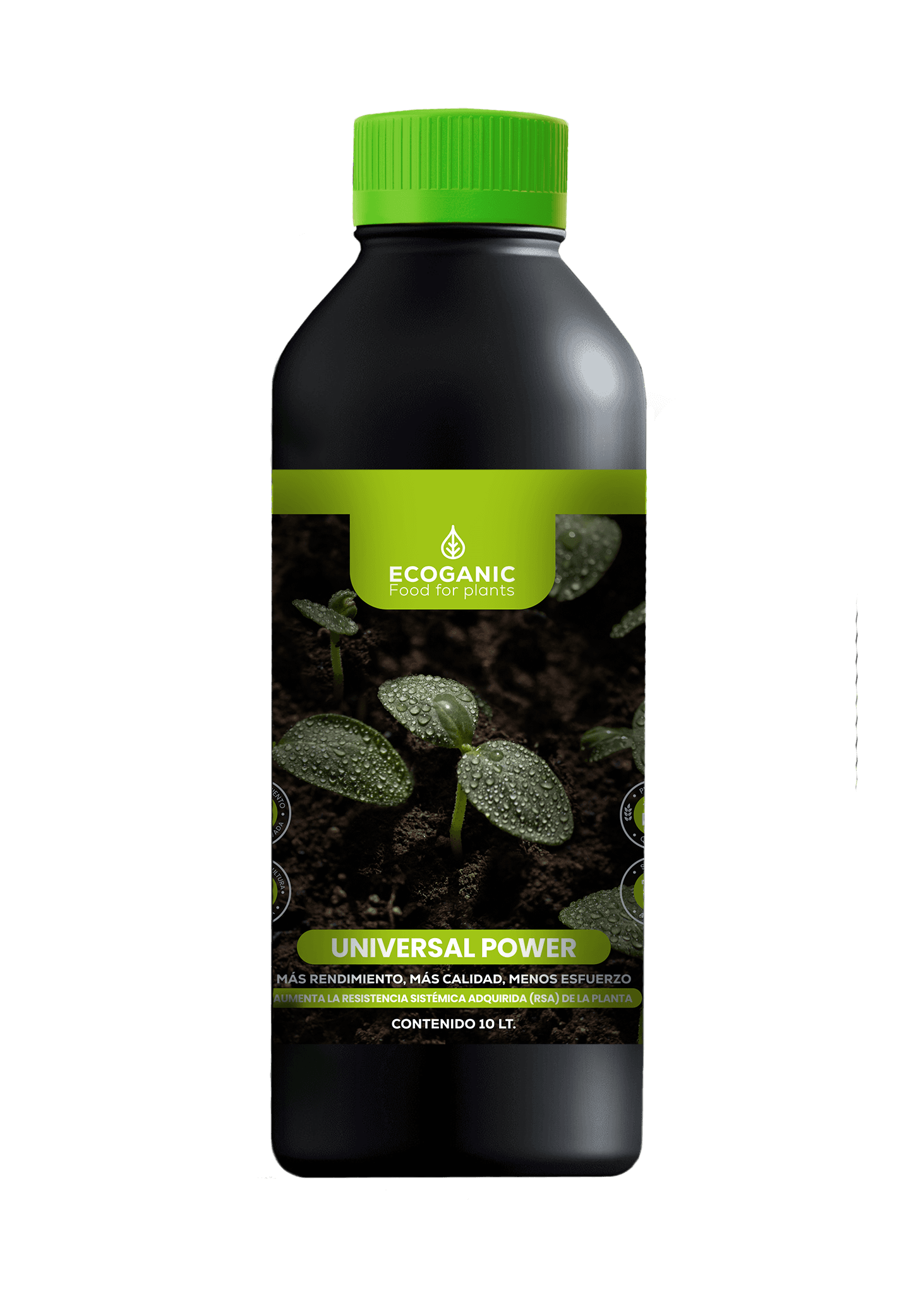
All NITROTECH products (2.5, 10, 16) contain Chlorella vulgaris and Scenedesmus extracts as the active biostimulant component, alongside organic nitrogen. BOOST UNIVERSAL and UNIVERSAL POWER are liquid biostimulants formulated primarily from these unicellular algae extracts. All are certified CE 2018/848, NOP USDA and JAS.