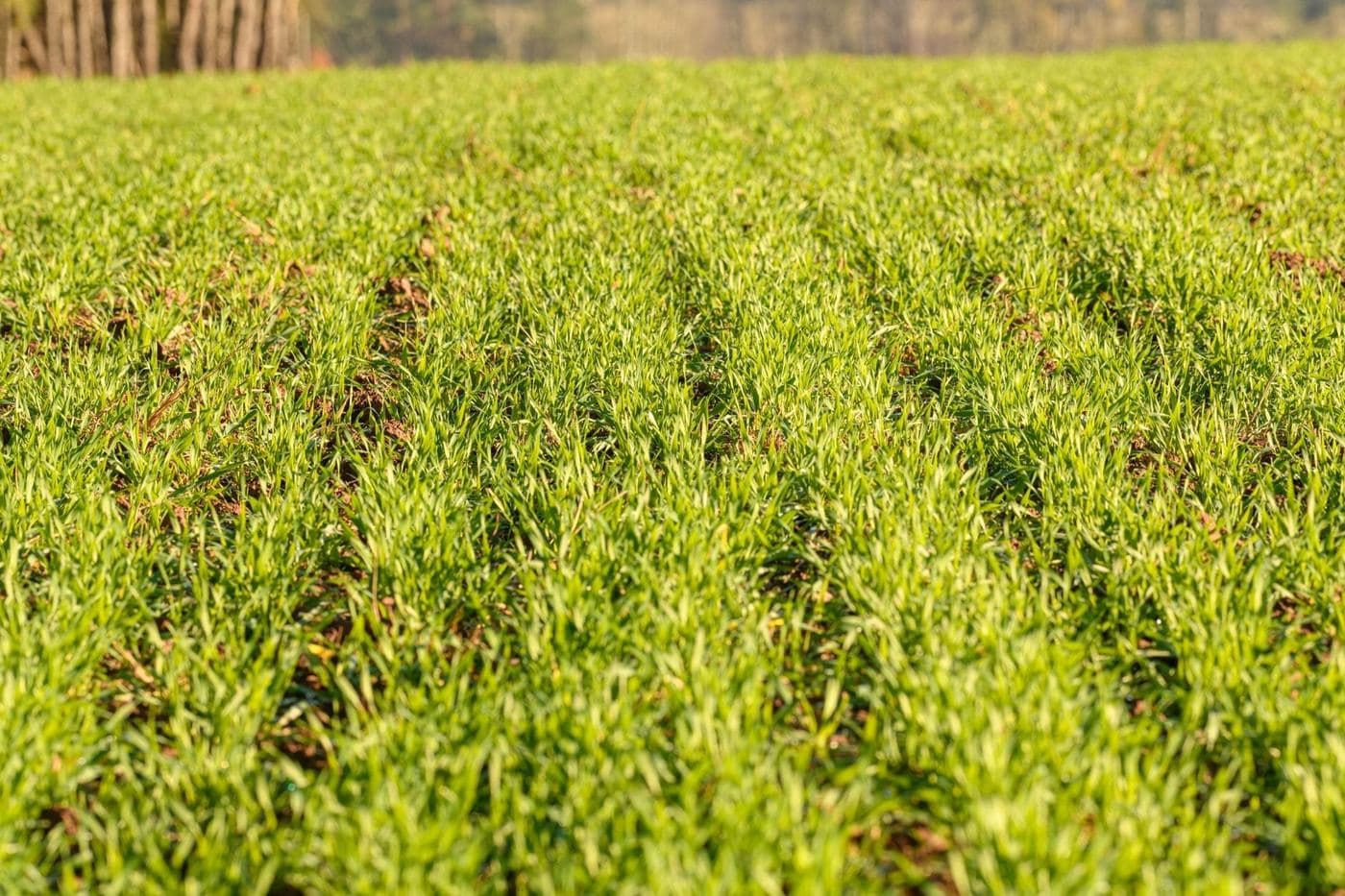

In Tempranillo vineyards in Ribera del Duero, Ecoganic's BOOST UNIVERSAL increased production by +25% over two consecutive seasons (2014–2015), with a simultaneous improvement in bunch size.
The trial: Ribera del Duero, Tempranillo, two seasons
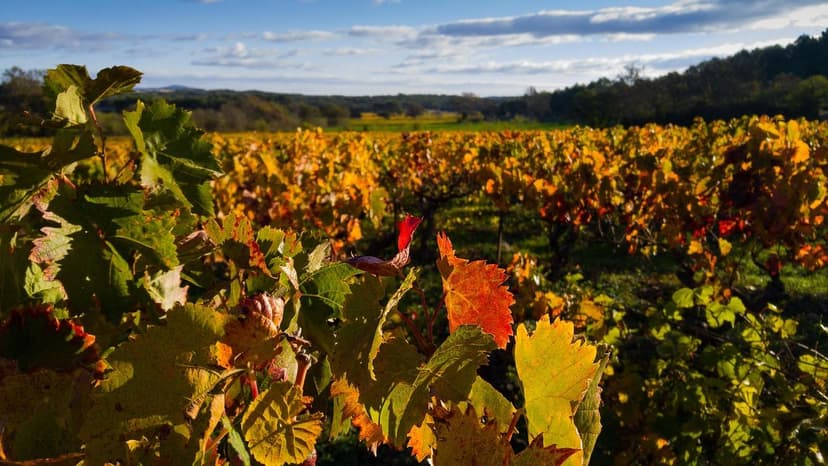
The Ribera del Duero Denomination of Origin is one of the most demanding wine-growing references in Europe. On Vitis vinifera cv. Tempranillo, Ecoganic conducted a comparative trial during the 2014 and 2015 seasons between plots treated with BOOST UNIVERSAL and an untreated control. The location, edaphoclimatic conditions, application protocol, and sampling methods were documented for verification.
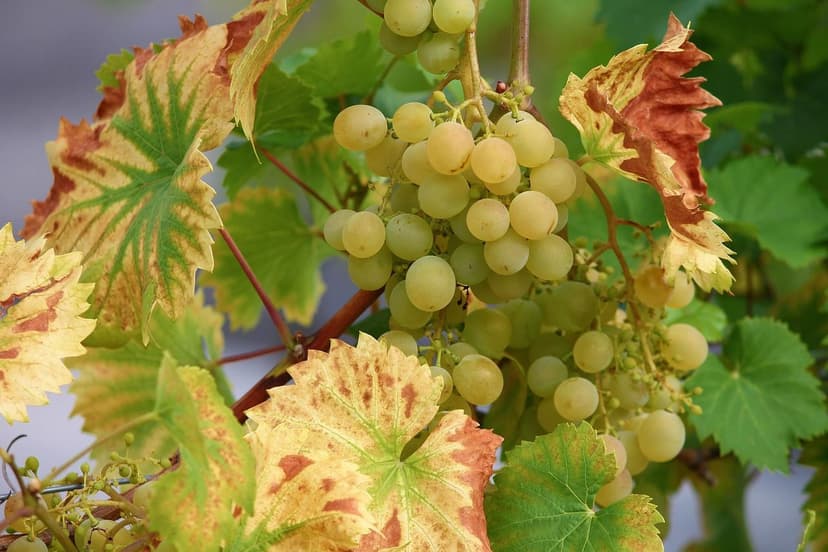
The objective was to quantify the effect of nanotechnology on yield per hectare and quality parameters —bunch size, color, and health— relevant for producing high-end wine under D.O. Ribera del Duero.
Quantified results
| Parameter | Control | BOOST UNIVERSAL | Variation |
|---|---|---|---|
| Yield (kg/ha) | Baseline 100 | 125 | +25% |
| Bunch size | Standard | Superior | Improved |
| Bunch health | Standard | Superior | Improved |
Complete data —sampling methodology, application dates, statistical analysis, and verifiable source— are available in the trial technical sheet:
View full trial: Tempranillo Ribera del Duero 2014-2015 →
Why biostimulants work on grapevines
Grapevines are especially sensitive to water stress during fruit set and veraison. Nanotechnology-based biostimulants act on three simultaneous fronts:
- Improved mineral uptake: Nanometric particles facilitate the transport of K, Mg, and micronutrients across the cell membrane at the time of highest bunch demand.
- Reduced oxidative stress: Activation of endogenous antioxidant enzymes mitigates heat and drought damage during shoot maturation, a critical phase in continental zones such as Ribera del Duero.
- Natural hormonal stimulation: The endogenous synthesis of auxins and cytokinins promotes berry set, increasing the number of grains per cluster without altering the varietal aromatic profile.
This mechanism is compatible with organic and biodynamic viticulture, leaving no residues on the grape or in the finished wine.
How to apply in commercial vineyards
The protocol for the Ribera del Duero trial consisted of foliar applications at three key moments: bud break, full flowering, and cluster closure. For commercial vineyards:
- Consult the fertilization program for grapevines adapted to each climatic zone.
- Adjust doses based on foliar analysis and the production history of each plot.
- Integrate applications with the irrigation plan to maximize absorption during periods of water stress.
The tested product, BOOST UNIVERSAL, is formulated for certified organic viticulture under Regulation (EU) 2018/848.
Frequently asked questions about biostimulants in grapevines
On which grape varieties has BOOST UNIVERSAL been tested?
The published trial covers Tempranillo in Ribera del Duero (2014-2015). The principles of nanotechnology-based biostimulants are extrapolatable to red and white varieties, although validation with your own trials in each area is recommended.
Does the biostimulant affect the aromatic profile of the wine?
No alterations have been detected in the organoleptic parameters of the must or the wine made from treated grapes. The product does not contain exogenous aromatic precursors.
Is it compatible with the field notebook for certified organic viticulture?
Yes. BOOST UNIVERSAL is certified under Regulation (EU) 2018/848, so it can be recorded in the field notebook of organic farms without additional restrictions.