

Discover everything about nitrogen fertilisation in olive: appropriate doses and the best timing for application to maximise the productivity of your crops.
Introduction
Nitrogen fertilisation in olive is essential to ensure healthy and productive growth of these crops. In this article, we will explore the appropriate doses and the optimal timing for applying nitrogen, crucial aspects for maximising yield and quality of the harvest.
Importance of Nitrogen Fertilisation
Nitrogen is an essential nutrient for the development of the olive tree, as it plays a key role in protein synthesis, chlorophyll formation, and the overall metabolic activity of the plant. Proper nitrogen fertilisation not only enhances vegetative growth but also influences fruit production and the quality of olive oil.
Benefits of Nitrogen Fertilisation
- Increased vegetative growth: Nitrogen stimulates the development of leaves and branches, which in turn improves photosynthesis.
- Improved production: An adequate supply of nitrogen translates into a greater number of flowers and fruits per tree.
- Quality of oil: The amount of nitrogen influences the chemical composition of the fruits, affecting the quality of the olive oil produced.
Biochemical Mechanisms of Nitrogen in the Olive
Nitrogen is a fundamental component of amino acids, which are the building blocks of proteins. In olives, nitrogen absorption occurs mainly in the form of nitrate (NO3-) and ammonium (NH4+). These compounds are absorbed by the roots and transported through the xylem to the aerial parts of the plant, where they are used for the synthesis of essential compounds.
The presence of nitrogen in the plant promotes chlorophyll synthesis, which in turn enhances the photosynthetic capacity of the olive.
Interaction of Nitrogen with Other Nutrients
Nitrogen does not act in isolation in the olive; its interaction with other nutrients is crucial for the optimal development of the plant. For example, adequate levels of phosphorus and potassium are necessary to maximise the effect of nitrogen. Phosphorus, which is involved in energy transfer and root formation, can enhance nitrogen absorption, while potassium is essential for water regulation and the synthesis of organic compounds.
Therefore, it is essential to consider integrated fertilisation in the olive's nutrition plan.
Recommended Dose
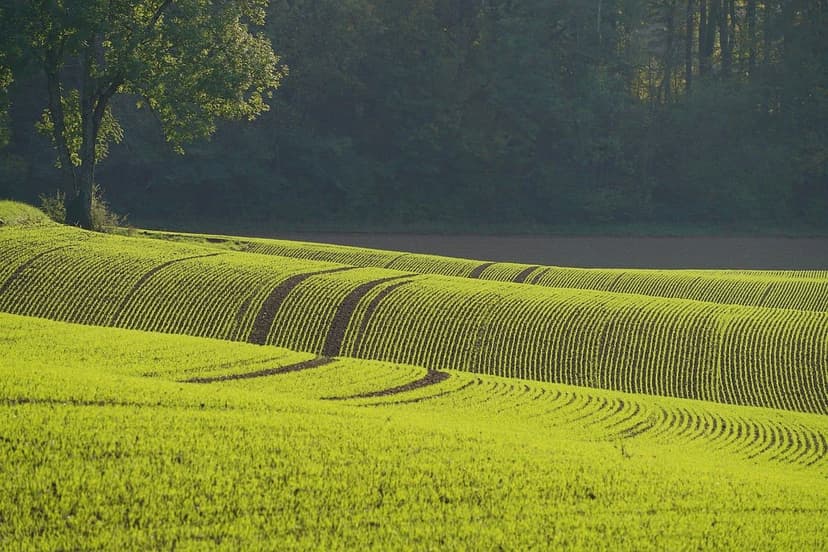
The dose of nitrogen fertilisation in olives can vary depending on several factors, such as the age of the tree, the type of soil, and the climatic conditions. However, as a general reference, it is recommended to apply between 60 and 120 kg of nitrogen per hectare per year.
Dose for Different Growth Stages
It is important to adjust the dose according to the growth stage of the olive tree:
- Young trees: For olives in their juvenile phase, a lower input is recommended, around 50-70 kg/ha. This dose promotes balanced development without inducing excessive growth that could weaken the tree's structure.
- Producing trees: In adult and productive trees, the dose can be increased to 100-120 kg/ha. At this stage, nitrogen is crucial for the formation of flowers and fruits, as well as for the development of the leaf mass necessary for photosynthesis.
- Post-harvest: An additional input after harvest can help prepare the trees for the next season.
Factors Affecting the Dose
In addition to the growth stage, other factors that may influence the nitrogen dose include:
- Soil type: Soils with high nutrient retention capacity may require less nitrogen, while sandy soils may need higher doses. A soil analysis prior to fertilisation can provide valuable information about the availability of nitrogen and other nutrients.
- Climatic conditions: In years of high precipitation, the leaching of nitrates may be greater, which could require an adjustment in the dose. In areas with heavy rainfall, the nitrogen available in the soil decreases depending on the volume and intensity of the rain, the texture, and the soil's retention capacity, which justifies reviewing the applied dose.
- Olive variety: Some varieties may have different nitrogen requirements, so it is important to know the specific needs of each cultivar.
Application Timing
The timing of nitrogen fertilisation is as important as the dosage. It is recommended to divide the application into two or more timings throughout the year to optimise nitrogen uptake by the roots.
Key Timings for Application
- Before Budding: Applying nitrogen before spring budding helps to stimulate the initial growth of the shoots.
- During Vegetative Growth: A second application during the active growth of the shoots ensures a constant supply of nitrogen. This application is crucial for maintaining a balance between vegetative growth and fruit production.
- Post-Harvest: Applying nitrogen after harvest can be beneficial for replenishing the tree's nutritional reserves. This allows the olive tree to recover more quickly and be prepared for the next season.
Practical Example of Field Application
This demonstrates the importance of timing in the application of nitrogen fertilisers.
Considerations for Foliar Fertilisation
In addition to soil nitrogen application, foliar fertilisation can be an effective strategy to complement the supply of this nutrient. In situations where water stress or soil compaction limits root absorption, the application of foliar fertilisers can provide immediate relief.
Effects of Nitrogen Fertilisation on Soil Health
Nitrogen fertilisation not only impacts the plant but also has effects on soil health. Proper nitrogen management can contribute to improved soil structure and microbial activity. Incorporating nitrogen in the form of organic matter, such as manure or compost, can increase the population of beneficial microorganisms, which favours the decomposition of organic matter and the release of nutrients.
This approach not only benefits olive trees but also promotes the sustainability of the agroecosystem.
Environmental Impact and Sustainability
The efficient use of nitrogen fertilisers is crucial to minimise environmental impact. Over-application of nitrogen can lead to contamination of groundwater and surface waters through nitrate leaching. Therefore, it is essential to implement sustainable management practices, such as precision agriculture, which allows for adjusting fertilisation doses based on soil analysis and crop monitoring.
The implementation of soil conservation techniques, such as crop rotation and the use of cover crops, can also help reduce dependence on nitrogen fertilisers and improve soil health. A comprehensive approach that combines nitrogen fertilisation with sustainable management practices is key to ensuring high-quality olive production without compromising the environment.
Use of Biostimulants in Nitrogen Fertilisation
Biostimulants are products that, although not fertilisers in the conventional sense, can enhance the availability and efficiency of nitrogen use in olive crops.
Moreover, biostimulants can help mitigate environmental stress, allowing plants to utilise nitrogen more efficiently. For example, under drought conditions, biostimulants can improve cell turgor and photosynthetic activity, resulting in more efficient use of applied nitrogen.
Monitoring Practices and Adjustment of Fertilisation
To optimise nitrogen fertilisation, it is crucial to carry out regular monitoring of crops and soil. This includes soil and foliar tissue analysis that allows for assessing the nutritional status of the plants and adjusting nitrogen doses as necessary. Remote sensing technology and nutrient sensors are gaining popularity in precision agriculture, enabling farmers to obtain real-time data on the status of their crops.
This not only contributes to environmental sustainability but also represents significant savings in input costs.
Conclusions
Proper nitrogen fertilisation in olives is essential for optimising production and quality of the harvest. Adapting the dosage and timing of application to the specific needs of each crop will ensure healthy and productive development of the olives. At Ecoganic, we offer solutions for plant nutrition and biostimulants that can help improve the nutritional efficiency of your crops.
Efficient Nitrogen Management in Olive: Criteria and Lines of Work

In nitrogen fertilisation of olive, the technical interest focuses on efficiency and nitrogen management. One of the most widespread ideas is the importance of synchronising nitrogen application with the phenological phases of the olive, which facilitates uptake and reduces losses. In practice, this means concentrating inputs at times of greatest demand, such as the start of budding and flowering, and avoiding late applications or during periods when the tree absorbs little. The benefits gained from this synchronisation depend on the soil, irrigation, harvest load, and the form of nitrogen used, so it is advisable to verify it on each farm with foliar and soil analyses.
Precision Fertilisation in Practice
Precision agriculture offers tools to address fertilisation in olive crops. The use of technologies such as drones and moisture and nutrient sensors allows farmers to apply nitrogen more precisely according to the needs of each area of the field. Variable rate application based on sensor data can help avoid overdoses in less demanding areas and reinforce those that are more demanding, provided that the sensors are calibrated with soil and leaf analyses and that the data is interpreted with agronomic criteria. A common mistake is to rely on the map without verifying it on the ground or checking if the fertiliser savings compromise the production of the season.
Effects of Nitrogen Fertilisation on Soil Quality
Proper nitrogen management not only influences olive production but also soil quality. Controlled application, adjusted to the actual demand of the crop, can help maintain soil structure and its ability to retain water, especially when combined with organic matter inputs and cover crops. Excesses, on the other hand, increase the risk of losses through leaching and environmental problems. Therefore, it is advisable to monitor the evolution of organic matter and biological activity in the soil with periodic analyses carried out always with the same methodology, so that results from different years are comparable.
Future Perspectives in Nitrogen Fertilisation
From the perspective of sustainability and reducing the carbon footprint in agriculture, new sources of nitrogen are being considered, such as organic and biological fertilisers, which could complement conventional fertilisation. The use of agricultural residues, such as olive pomace, as a source of nitrogen is also being explored, which could offer a more sustainable and economical alternative, although its variable composition necessitates analysis before use. Additionally, there are proposals for biological methods to fix nitrogen in the soil, which could reduce dependence on synthetic fertilisers.
Furthermore, the development of olive cultivars that are more efficient in nitrogen use is another avenue that could change the way fertilisation is managed in the future. Meanwhile, the foundation remains the same: knowing the nutritional status of the olive grove, adjusting the dose and timing to the tree's demand, and recording the results of each season.
Related Articles
Need Professional Help?
At Ecoganic in Spain, Europe, we offer certified Biostimulants and organic fertilizers. Call us: +34 623 753 719.
Nitrogen Fertilisation in Olive Trees: Dosage and Timing of Application
Nitrogen fertilisation in olive trees is a crucial aspect to ensure optimal growth and high-quality olive production. The amount of nitrogen required can vary depending on factors such as the olive variety, soil type, and climatic conditions. In general, it is recommended to apply between 80 and 150 kg of nitrogen per hectare per year, distributed over several applications to maximise its uptake by the roots.
The timing of nitrogen application is also fundamental. It is suggested to carry out the first application at the end of winter or the beginning of spring, just before the onset of budding. This allows nitrogen to be available for the new leaves and flowers, favouring fruit set. A second application can be made in summer, around July, to support fruit development and the accumulation of nutrient reserves.
It is essential to consider that over-fertilisation can lead to excessive vegetative growth at the expense of olive production. An excess of nitrogen can result in increased susceptibility to pests and diseases, as well as lower quality olive oil. For this reason, it is recommended to conduct soil and foliar analyses to adjust nitrogen doses to the specific needs of the plantation.
Additionally, the use of biostimulants can complement nitrogen fertilisation, improving nutrient uptake efficiency and promoting more balanced growth. Biostimulants help to optimise nitrogen use, reducing the amount needed and minimising environmental impact. In this regard, it is suggested to integrate these products into the fertilisation strategy to maximise agronomic and environmental benefits in olive production.
Related Articles
- Ecoganic
- Nitrogen Fertilisation in Wheat: Key Dosage and Timing
What are the signs of nitrogen deficiency in olive trees?
Signs include slow growth, yellowing leaves, and low fruit production.
Is it better to apply nitrogen in liquid or solid form?
Both forms are effective, but liquid application allows for faster absorption.
How often should I fertilise my olive trees?
It is recommended to fertilise at least once a year, adjusting according to the growth stage.
What other nutrients are important for the olive tree?
In addition to nitrogen, phosphorus and potassium are essential for balanced growth.


