

Discover how to apply nitrogen fertilization in olive trees to wheat: appropriate doses and the ideal timing to optimize your harvest. Get informed and improve your results!
Introduction
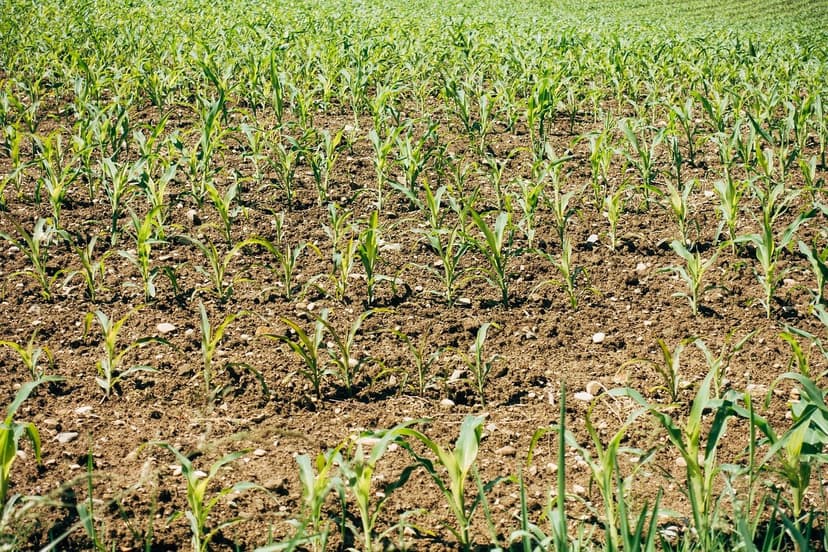
Nitrogen fertilization in wheat is a crucial aspect for ensuring optimal crop performance. Proper nitrogen application not only improves grain quality but also influences disease resistance and tolerance to environmental stress. In this article, we will explore the recommended doses and the ideal timing for applying nitrogen fertilizer, essential aspects for maximizing wheat production.
Importance of Nitrogen Fertilization
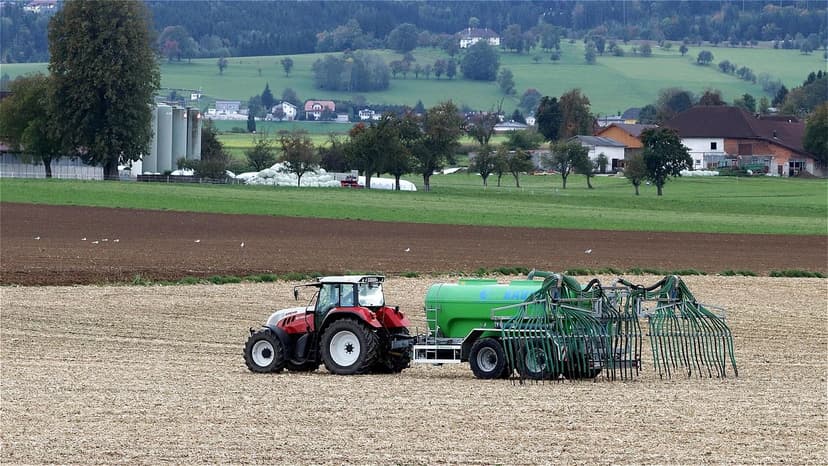
Nitrogen is one of the most important nutrients for wheat development. This element is essential for protein synthesis and chlorophyll formation, which in turn impacts photosynthesis and overall plant growth. A study conducted by the University of Nebraska indicated that a 1% increase in grain nitrogen content can result in a 10% increase in crop yield, highlighting the importance of proper management of this nutrient.
Adequate nitrogen fertilization can significantly increase crop yields, improving grain protein content and disease resistance. However, it is essential to find the right balance to avoid issues such as leaching and soil and water contamination. According to the FAO, leaching can result in the loss of up to 50% of applied nitrogen, affecting both farmer profitability and the environment.
Benefits of Proper Fertilization
- Increased yield and grain quality.
- Improved plant health.
- Reduction of diseases and pests.
- Optimization of water use efficiency.
Biochemical Mechanisms of Nitrogen
Nitrogen is incorporated into plants primarily in the form of ammonium (NH4+) and nitrate (NO3-). These compounds are absorbed by the roots and used in the synthesis of amino acids, the building blocks of proteins. The enzyme nitrate reductase plays a key role in converting nitrate to ammonium within the plant, a critical process that is affected by environmental conditions, such as temperature and water availability. The importance of an adequate nitrogen supply is reflected in the plant's ability to perform photosynthesis, as nitrogen is an essential component of chlorophyll, the pigment responsible for capturing sunlight.
Interaction with Other Nutrients
Nitrogen does not act alone in plant growth; its interaction with other nutrients is fundamental. For example, the availability of phosphorus and potassium can influence nitrogen use efficiency. A study from the University of Agriculture in Poland showed that the combined application of nitrogen and phosphorus can increase the uptake of both nutrients, thereby improving wheat yield by 25%. This is because phosphorus is essential for root formation, which in turn enhances the plant's ability to absorb nitrogen from the soil.
Environmental Impact of Nitrogen Fertilization
Excessive use of nitrogen fertilizers can have a negative impact on the environment, including groundwater contamination and contribution to the eutrophication of water bodies. Eutrophication is a process in which excess nutrients cause uncontrolled algae growth, which in turn reduces oxygen levels in the water and affects aquatic life. According to a study from Wageningen University, sustainable nitrogen use can reduce leaching by 40%, thereby minimizing these negative effects.
Recommended Nitrogen Dosage
Nitrogen dosages can vary depending on factors such as soil type, wheat variety, and climatic conditions. However, a general recommendation is to apply between 150 to 250 kg/ha of nitrogen during the crop cycle. Research in different regions has shown that wheat crops receiving these dosages exhibited yield increases ranging from 10% to 20% compared to those receiving lower amounts.
Factors to Consider
When determining the exact dosage, the following should be considered:
- Soil type: Soils with lower organic matter content may require higher application rates. For example, in sandy soils with low organic matter, rates of up to 300 kg/ha may be recommended. A study in southeastern Spain found that in clay soils with good moisture retention, the optimal rate was 180 kg/ha to maximize yield.
- Wheat variety: Some varieties may have different nutritional requirements. Durum wheat varieties, for instance, tend to require more nitrogen than soft wheat varieties to reach their full yield potential. A trial in Italy showed that soft wheat varieties responded best to rates of 150 kg/ha, while durum wheat varieties achieved optimal yields at 250 kg/ha.
- Management practices: Crop rotation and the use of biostimulants can influence nitrogen needs. Studies have shown that including legumes in the rotation can reduce the nitrogen fertilization requirements for subsequent crops, thanks to biological nitrogen fixation. For example, in a rotation system with alfalfa, a 30% reduction in nitrogen needs for the following wheat crop was observed.
Practical Example of Application Rates
In a trial conducted in northern Spain, nitrogen rates of 100, 200, and 300 kg/ha were applied to different wheat plots. The results showed that plots receiving 200 kg/ha produced an average yield of 8,500 kg/ha, while plots receiving 300 kg/ha showed no significant yield increase, indicating that over-fertilization is not always beneficial. Additionally, in plots where a biostimulant treatment was applied alongside 200 kg/ha of nitrogen, a further 5% yield increase was observed, suggesting that combining practices can be more effective.
Considerations on Efficiency
Ecoganic products for this topic
PK-FLOW 20
Phosphorus pentoxide (P₂O₅)
14,44 % p/p — 20,1 % p/v (measured)
Chloride: 2,74 % (measured)
View technical sheet →K-FLOW 20
Potassium oxide (K₂O)
23,21 % p/p (measured)
Chloride: 3,23 % (measured)
View technical sheet →NITROTECH 16
Total nitrogen (N)
15,87 % (measured)
Chloride: 3,37 % (measured)
View technical sheet →Each datasheet publishes its guaranteed composition and, where available, the value measured at an accredited laboratory.
Related resources