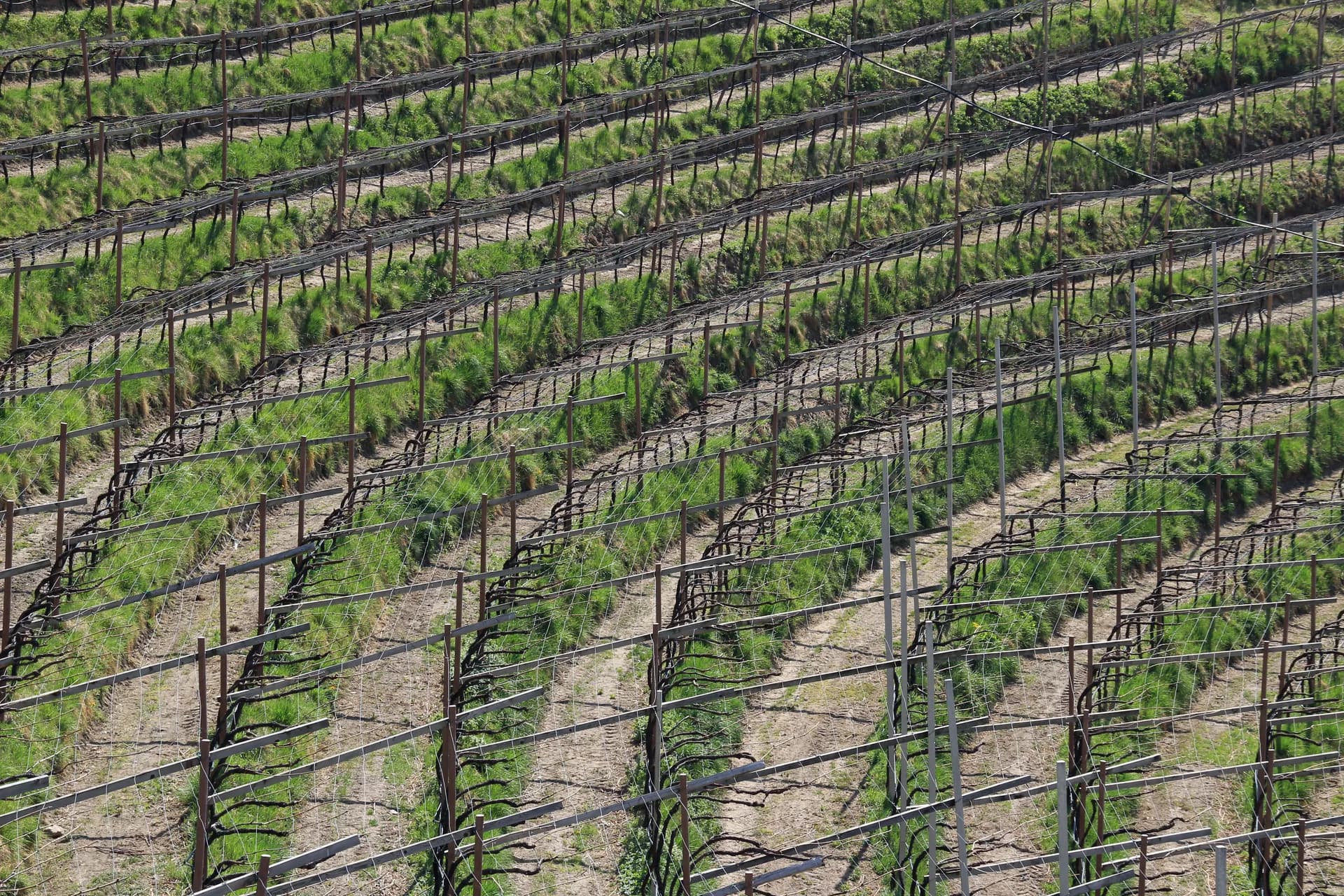
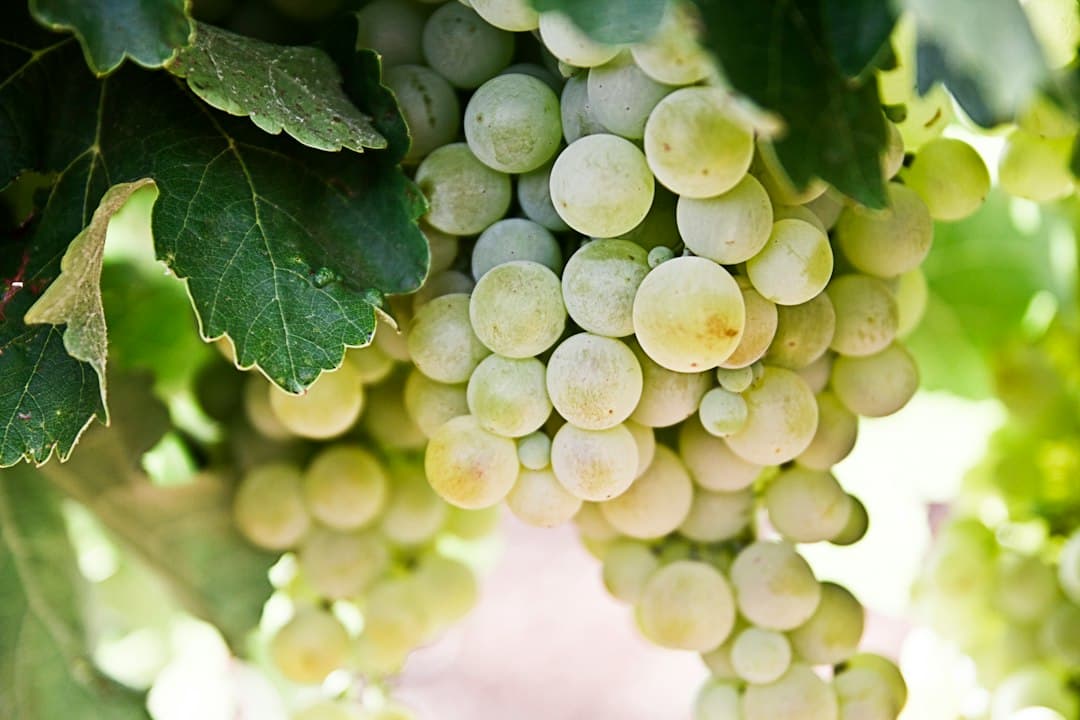
In a commercial vineyard affected by ESCA in Spain, ECOGANIC POWER completely eliminated the symptoms of the disease over two consecutive seasons (2016–2018) with only two applications per year — one after winter pruning and one after summer pruning.
ESCA: the hardest wood disease to control in viticulture
ESCA (Phaeoacremonium spp. / Phaeomoniella chlamydospora) is a fungal disease that colonises the vascular system of the vine through pruning wounds. Once established, it causes internal necrosis, vine decline and, in severe cases, sudden death of the vine in the middle of the season. Conventional treatments have limited efficacy because the pathogen lives inside the woody tissues, out of reach of foliar applications.
Preventive control immediately after pruning — when the wounds are open and the pathogen can penetrate — is the most effective window for action.
The trial: affected vineyard, two seasons, Spain 2016-2018
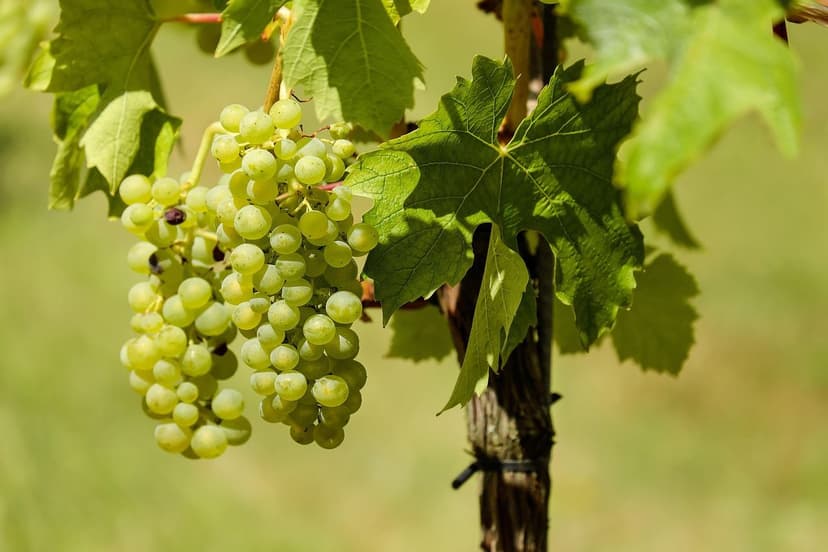
The trial was carried out in a commercial vineyard with a documented history of ESCA in Spain, during the 2016-2017 and 2017-2018 seasons. The protocol consisted of applying ECOGANIC POWER together with H₂O₂ (agricultural-grade hydrogen peroxide) at two critical moments in each season:
- Immediately after winter pruning, when the wounds are fresh.
- Immediately after summer pruning (if tipping or green thinning was carried out).
The untreated control vines received no application of the products under study. At the end of each season, the presence or absence of external symptoms was assessed (tiger-stripe leaf symptoms, shoot decline, apoplexy).
Quantified results
| Parameter | Untreated control | ECOGANIC POWER | Change |
|---|---|---|---|
| ESCA symptoms (season 1) | Present | 0 symptoms | Total elimination |
| ESCA symptoms (season 2) | Present | 0 symptoms | Maintained |
| No. of applications/season | — | 2 | Minimal protocol |
The full data — observation methodology, exact application dates and verifiable source — are available in the trial data sheet:
View the full trial: ESCA in vines, Spain 2016-2018 →
Why ECOGANIC POWER works against wood diseases

Its mechanism of action against wood pathogens such as ESCA works through three pathways:
- Direct activity against fungi: The product's components create an unfavourable environment for the germination and colonisation of Phaeoacremonium spp. in the freshly opened wound.
- Induction of systemic resistance: It stimulates the plant's natural defences (jasmonic acid pathway) so that the woody tissue reacts more quickly to infection.
- Accelerated healing: The pruning callus forms more quickly, reducing the wound's period of vulnerability.
This mechanism is complementary to the use of conventional pruning pastes and can be integrated into a certified organic viticulture programme without restrictions. For the full grapevine programme, see the biostimulants guide for grapevine.
Frequently asked questions about ESCA and bioprotectants in grapevine
Does ECOGANIC POWER eliminate the ESCA fungus from inside woody tissue that is already colonised?
The product acts mainly as a preventive at the entry point (pruning wound). It does not penetrate woody tissue that is already necrosed. However, the elimination of external symptoms over two consecutive seasons in the trial suggests that new colonisation is blocked and the plant recovers its vegetative capacity.
When is the most critical time of application against ESCA?
Immediately after winter pruning — within the first 24-48 hours if possible. At that moment the wounds are open and the pathogen can penetrate via spores from the environment. The second application after summer pruning complements the protection in the second risk window.
Is it compatible with organic certification in viticulture?
Yes. ECOGANIC POWER is certified under Regulation (EU) 2018/848 and is suitable for use in certified organic wine production, with no pre-harvest interval and no detectable residues in grapes or wine.