Introduction: foliar nutrition and downy mildew in organic grapevines
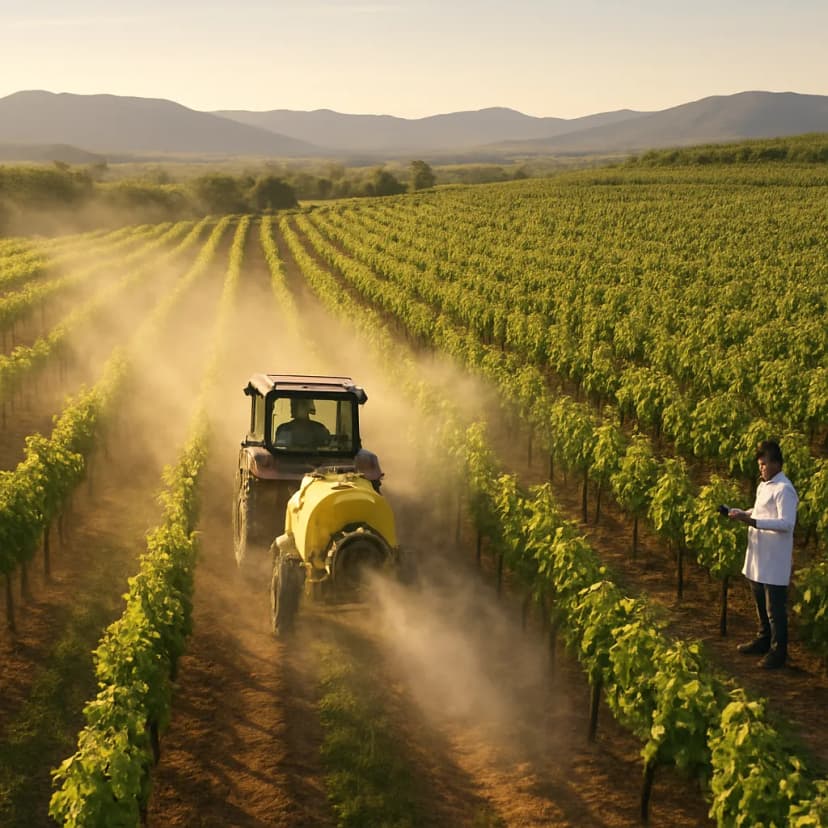
Downy mildew, caused by the oomycete Plasmopara viticola, is a disease to which winegrowers pay particular attention, especially in humid areas or in rainy seasons. In organic production the same resources are not available as in conventional production, so management relies on cultural practices, monitoring of the conditions of each season and the plant protection products authorised for this type of production, always under the judgement of an agronomist and in accordance with the certification body. Within this framework, vineyard nutrition, including that supplied via foliar application, is one further aspect of the general management of the plant, but it does not replace the crop's sanitary measures.
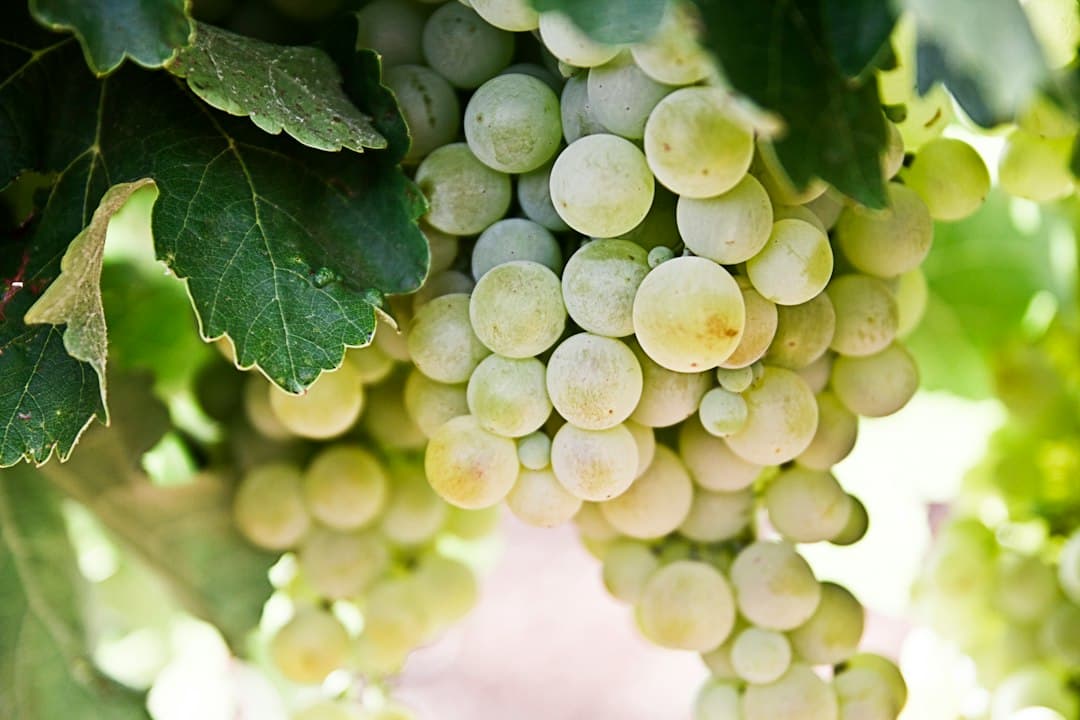
Foliar absorption is the entry of water, nutrients and other substances through the leaf surface. It allows elements such as potassium, magnesium, calcium and micronutrients (for example manganese, zinc or boron) to be supplied in a complementary way, as well as biostimulants of natural origin, when the diagnosis of the vineyard justifies it. This supply complements root fertilisation and soil management, and its usefulness depends on the variety, the condition of the plot and the conditions of each season.
This guide explains how foliar absorption occurs, which factors condition it, what types of biostimulants are used in vineyards, how to plan applications according to phenological stages and what to check with the supplier and with the certifier before applying. If you want to expand the information on nutrition in grapevine cultivation, you can consult the crop sheet. An important starting point: biostimulants and foliar fertilisers are not plant protection treatments and must not be presented as a way of treating or preventing downy mildew. They can contribute to the general vigour of the crop within a complete management programme.
Foliar absorption: how it works and key factors
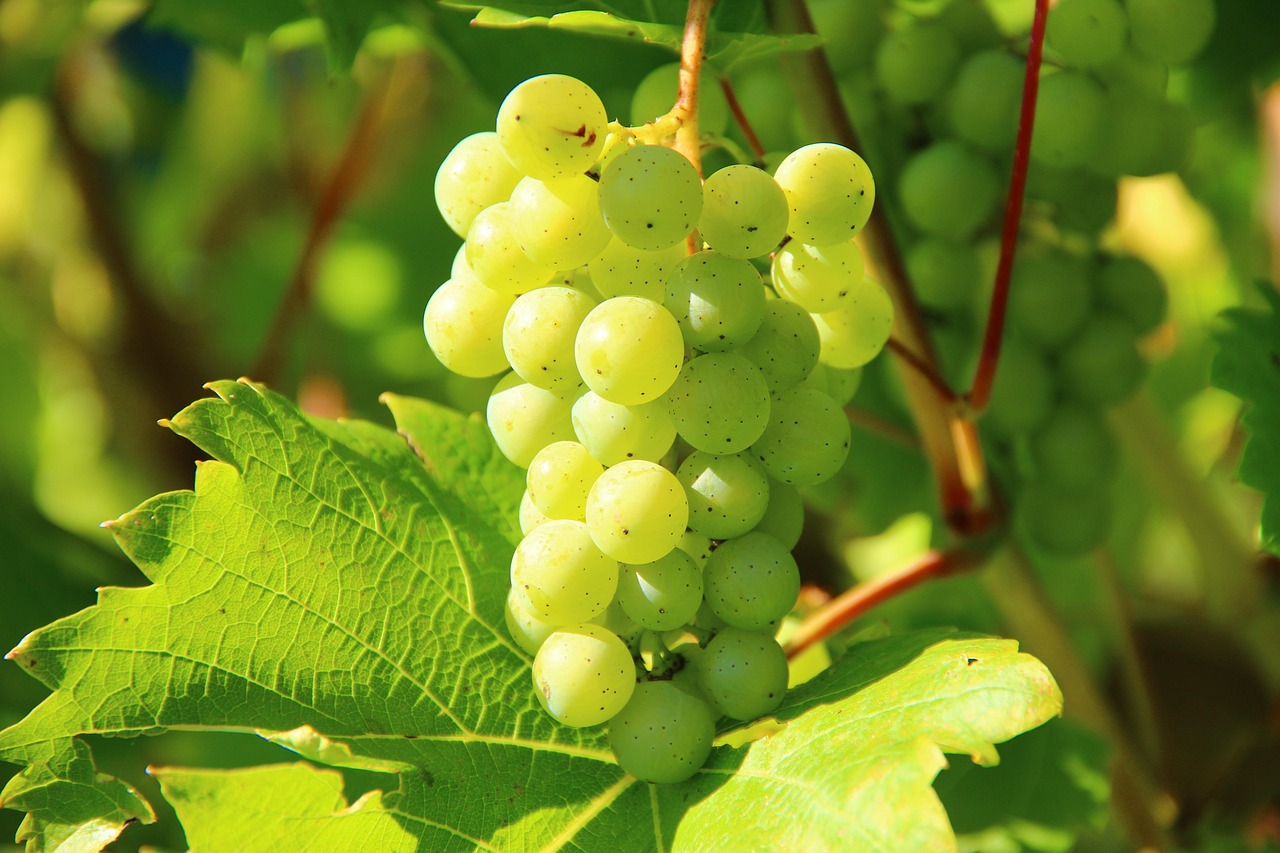
Foliar absorption is the process by which the plant takes in water, nutrients and other substances through the leaf surface. It is usually described that entry occurs mainly through the cuticle, the waxy layer covering the epidermis, and that in some cases the stomata and other leaf structures may also participate. The cuticle acts as a barrier, and its thickness, composition and condition depend on the age of the leaf, the variety and the environment in which the vegetation has grown.
The efficiency of absorption is not a fixed property of the plant or of the product: it depends on the formulation (type of molecule, presence of adjuvants, acidity of the solution), on the environmental conditions at the time of application (temperature, relative humidity, light and wind), on the phenological stage of the vine and on the exposed leaf surface. In general, young leaves have a thinner and more permeable cuticle than mature leaves, so the development of the vegetation is an important factor when deciding when to apply.
The time of day also matters. The hours of lower radiation and temperature, such as early morning or late afternoon, are usually preferable because the solution dries more slowly and the risk of leaf scorch is lower. High ambient humidity keeps the droplet moist for longer, which usually favours contact with the leaf, although rain after application can wash the product off. It is therefore advisable to check the weather forecast before each treatment and to follow the label instructions.
Foliar nutrient applications are therefore envisaged as a complement for specific situations: a diagnosed deficiency, a period of high crop demand or a limitation on root uptake. There is no universal guideline. Soil and foliar analysis, observation of the vineyard and technical judgement are the basis for deciding whether an application is needed and which elements to supply. In organic production, moreover, the supply of certain nutrients may be subject to conditions, so it is advisable to confirm this with the certification body.
Factors influencing foliar absorption
- Product formulation: the size of the molecules, the type of complexing agent and the presence of adjuvants determine how much product adheres to the leaf and how much is absorbed. The technical data sheet states the composition and intended use of each preparation.
- Phenological stage and leaf age: vegetation in active growth usually has a more permeable cuticle than leaves that have already hardened. Towards veraison and ripening the leaf is less receptive, so planning must take into account the actual condition of the plot.
- Environmental conditions: temperature, relative humidity, radiation and wind affect the drying speed of the droplet and the risk of phytotoxicity. Rain shortly after application can wash the product off.
- Quality of the mixing water: the acidity (pH) and hardness of the water influence the stability of many products. It is advisable to measure them and to follow the manufacturer's recommendations when preparing the spray solution.
- Volume, pressure and coverage: uniform coverage of the vegetation, without excessive run-off, depends on the calibration of the equipment, the nozzles and the spray volume, which are adjusted according to the product label and the development of the vegetation.
Biostimulants and foliar nutrition in grapevines
Biostimulants are products applied to plants or to the rhizosphere in order to favour nutrition processes, nutrient use efficiency, tolerance to abiotic stress or crop quality, irrespective of their nutrient content. In the European Union, plant biostimulants are regulated by Regulation (EU) 2019/1009, applicable since July 2022, which sets out conformity and labelling requirements for CE-marked fertilising products.
Among the types used in vineyards are seaweed extracts, protein and amino acid hydrolysates, humic and fulvic substances, microalgae extracts and various plant extracts. Each group has a different composition and intended use, and the information that should guide the decision is that given on the label and in the technical data sheet of each specific product, not the generic reputation of the category.
A biostimulant can contribute to the general vigour of the crop within a complete management programme. It is not a plant protection treatment: it does not replace cultural measures, field monitoring or plant protection products authorised in organic production, and it must not be presented or used as a way of treating diseases.
In organic production, the admission of each input must be confirmed with the certification body before purchasing and applying it. The fact that a product bears the CE marking in accordance with Regulation (EU) 2019/1009 does not in itself imply that it is admitted for organic use: these are two separate matters. Something similar applies to plant extracts, whose classification (fertiliser, biostimulant or plant protection product) depends on each preparation and on its authorisation.
Types of biostimulants and usual uses
| Type of biostimulant | Usual origin | Usual use | When it is usually considered |
|---|---|---|---|
| Seaweed extracts | Marine algae such as Ascophyllum nodosum or Laminaria | Supply of organic and mineral compounds of marine origin as a complement to nutrition | From budburst to fruit set, according to the label |
| Amino acids and hydrolysates | Protein hydrolysates; the origin admitted for organic use must be confirmed | Supply of organic nitrogen in the form of amino acids, sometimes combined with micronutrients | Active growth phases, according to the label |
| Humic and fulvic substances | Leonardite, peat or other organic sources | Component of formulations with micronutrients, where they can act as a complexing agent | Throughout the cycle, according to the label |
| Microalgae extracts | Microalgae such as Chlorella or Scenedesmus | Supply of organic compounds and micronutrients of microalgal origin | From budburst to veraison, according to the label |
| Plant extracts | Horsetail (Equisetum), nettle, garlic or other plants | Auxiliary preparations whose regulatory classification depends on each product | According to the label and the authorisation of the product |
The table is indicative and does not replace the label or the technical data sheet of the chosen product, which are what indicate the intended use, the method of application and the precautions for each preparation.
Foliar application strategies in organic vineyards
Foliar planning in organic grape growing must be built around the phenological cycle and the information from each season: the state of the vegetation, the analyses available, the weather forecast and the technician's recommendations. A fixed calendar by dates does not work equally well in all areas or in all seasons, so it is advisable to refer to phenological stages and adapt each decision according to the area and the season.
With regard to downy mildew, it is worth remembering that the disease is favoured by periods of humidity, rain and mild temperatures during the development of the vegetation. Its management requires monitoring of the plot and specific plant protection decisions, which are the responsibility of the technician and of the authorised products. Foliar nutrition is not part of those decisions and must not delay or replace the treatments that the technician considers necessary.
During flowering, particular caution is advisable: many labels include specific indications for this period and it is the technician who must assess whether to apply or to wait. In the phases of rapid growth of the vegetation, young leaves are more receptive and the plant's demand is high, so nutrient applications tend to be concentrated there when there is a diagnosed need.
The dose of each product is always established according to the product label and the manufacturer's technical data sheet. There are no universal doses by type of biostimulant, because they depend on the formulation, on the concentration of each preparation and on the state of the crop. Before extending an application to the whole vineyard, it is prudent to test it on a small plot and observe the response of the leaves in the following days. Mixing with other products, including plant protection products, must be consulted with the manufacturer and checked on a small scale, because incompatibilities or phytotoxicity may appear.
In areas with frequent rainfall during the cycle, product wash-off is a factor that must be taken into account. Some formulations include adjuvants to improve adhesion, but in organic production it is necessary to confirm with the certification body that the adjuvant is permitted. It is also advisable to choose windows with a low probability of immediate rain and to check the forecast before each application.
Calibration of the equipment (flow rate, pressure and nozzles) and prior cleaning of tanks and filters are as relevant as the product chosen: uneven coverage undermines any application, however good the formulation.
Reference phenological stages for planning
- Budburst: start of vegetation growth. This is the time to review the starting nutritional status (soil analysis and, if available, the foliar analysis from the previous season) and to define the season's plan with the technician.
- Active shoot growth: young vegetation is receptive. If there is a diagnosed need for micronutrients, this is a stage at which foliar applications are usually considered.
- Pre-flowering: a stage of high demand for the plant. The technician is consulted on which inputs make sense and the label of each product is reviewed before entering flowering.
- Flowering: a delicate period. Application is avoided without a clear indication from the label and the technician.
- Fruit set and initial bunch development: the time when the supply of elements such as calcium or boron is usually considered, if the plot diagnosis indicates it.
- Veraison and ripening: the leaf is less receptive and it is important to respect the safety intervals and the label indications. Decisions are geared towards grape quality and are taken with the technician.
Integration with agronomic management of the vineyard
Foliar uptake is not an isolated practice: it forms part of a plan that takes in soil fertilisation, management of the cover crop and canopy, pruning and water management. A soil with a good organic matter content and biological activity favours nutrient availability and can reduce the need for foliar inputs, so it is advisable to review the state of the soil and base fertilisation first before resorting to the foliar route.
Canopy management is especially relevant in areas where downy mildew is a concern. Dense, shaded vegetation tends to maintain a humid microclimate, whereas green pruning, leaf removal and tipping favour aeration and light penetration in the bunch zone. It is also useful to maintain a balance between leaf area and fruit load, and to avoid excessive vigour, which hinders both canopy management and spray coverage.
Monitoring the plot, with periodic observation of the vegetation and recording of weather conditions and disease development, allows decisions to be made on the basis of information and not only by the calendar. Recording each application in the field notebook (product, date, time, conditions and equipment) facilitates subsequent analysis of the season and is necessary for certification audits.
Organic production in the European Union is governed by Regulation (EU) 2018/848 and its implementing rules, which establish which inputs may be used and under what conditions; some, such as copper compounds, are subject to use restrictions. Outside the European Union, each country has its own regulatory framework and recognised certification bodies. In any case, it is the producer's responsibility to check with their certification body that each product is permitted before using it, and to keep the documentation (label, technical data sheet and proof of purchase) together with the field notebook.
Good application practices
- Equipment calibration: check the flow rate, pressure and condition of the nozzles before each application.
- Time of day: choose the hours of lowest radiation and temperature, such as first thing in the morning or late in the afternoon.
- Weather conditions: avoid applications in strong wind, intense heat or when immediate rain is forecast.
- Preparation water: check the acidity and hardness of the water and follow the label instructions to prepare the spray mixture.
- Mixture compatibility: consult the manufacturer and test on a small scale before mixing different products.
- Safety: use the protective equipment indicated on the label and observe the safety intervals.
- Record-keeping: note the product, dose according to the label, date, time and weather conditions in the field notebook.
Putting it into practice: an illustrative example and points to check
The following is an illustrative and hypothetical example, with no real data or results, which serves to show how decisions are chained together when drawing up a foliar nutrition programme.
Imagine an organic vineyard located in an area with wet springs. Before budburst, the agronomist reviews the available soil analyses, the plot's history and the observations from the previous season. With that information, they decide whether there are grounds for proposing foliar applications and, if so, which elements it would make sense to assess. They then consult the certification body as to whether the candidate products are permitted, check the label and technical data sheet for each one and prepare a trial in a small plot, which is managed in the same way as the rest except for the foliar application.
During the cycle, each application is scheduled according to the phenological stage and the weather forecast, recorded in the field notebook and the appearance of the leaves is checked in the following days. At the end of the season, the agronomist compares what was observed in the trial plot and in the rest, takes into account that other variables (climate, fruit load, irrigation, canopy management) also have an influence, and decides with that information whether it is worth maintaining, adjusting or abandoning the practice in the following season.
This example does not describe a real vineyard nor does it anticipate any result: the effects of a foliar practice depend on the variety, the soil, the season's climate and how each application is carried out. That is why it is advisable to trial, record and adjust on each holding, with professional technical advice.
What to check and what to ask the supplier
- Label and technical data sheet: composition, intended use, method of application and precautions for the product.
- Legal status: information on compliance with Regulation (EU) 2019/1009, if it is a fertilising product bearing the CE marking, or on its regulatory situation in the country of use.
- Organic admission: confirmation from the certification body that the product may be used on your holding.
- Compatibility: recommendations for mixing and for preparing the spray solution.
- Safety: safety intervals, protective equipment and storage conditions.
- Health claims: a product presented as a biostimulant or fertiliser must not advertise effects on diseases; if it does, ask the supplier for a written clarification.
- Technical advice: support to adapt the programme to the variety, the phenological stage and the season.
Related articles
Do you need professional help?
At Ecoganic in Spain, Europe, we offer organic biostimulants and fertilisers. Call us: +34 623 753 719.
Request your free quote
Conclusion
Foliar absorption is a complementary route for supplying nutrients and some biostimulants to the organic vineyard when there is a diagnosed reason and it is planned according to the phenological stage, the conditions at the time and the label directions. Its usefulness depends on factors such as the formulation, leaf age, climate, the water used for preparation and the quality of the application, and it is integrated with well-managed soil, an airy canopy and constant monitoring of the vineyard.
With regard to downy mildew, foliar nutrition products and biostimulants are not a plant protection treatment: disease management corresponds to cultural measures, plot monitoring and products authorised in organic production, under the direction of the agronomist and in accordance with the certification body.
Ecoganic works with biostimulants and fertilisers for organic farming. If you would like to assess a foliar nutrition programme for your vineyard, you can contact the team to receive technical advice and a quote tailored to your situation.
Frequently Asked Questions
What is foliar absorption and what is it used for in organic grapevines?
Foliar absorption is the entry of water, nutrients and other substances into the plant through the leaf surface. In organic grapevines it is used as a complement to soil fertilisation, for example when a deficiency of an element has been diagnosed or at times when the plant has a high nutrient demand. Its use should be based on soil and foliar analysis and on the judgement of an agronomist, and the products must be approved for organic production by the certification body.
Can foliar biostimulants replace downy mildew treatments?
No. Biostimulants and foliar fertilisers are not plant protection treatments. Downy mildew management in organic production relies on cultural measures, monitoring of the plot and plant protection products authorised for this type of production, under the guidance of an agronomist. A biostimulant can contribute to the general vigour of the crop within a complete management programme, but it must not be used as an alternative to those measures.
When should foliar products be applied to grapevines?
It depends on the objective, the phenological stage of the vegetation and the conditions of the season, so there is no single date valid for all vineyards. Actively growing vegetation, the hours of lowest radiation and temperature, and a forecast of no strong wind or immediate rain are usually chosen. During flowering and from veraison onwards, the label and agronomist's instructions should be followed. Planning is done according to the area and the season.
What factors influence whether the leaf makes use of a foliar application?
The product formulation, the age and condition of the leaf, the temperature, humidity and radiation at the time, the quality of the preparation water, the coverage achieved by the equipment and subsequent rain all have an influence. That is why two applications of the same product can behave differently. Recording the conditions of each application helps to adjust the practice in subsequent seasons.
Which foliar products can be used in organic grapevines?
It depends on the applicable regulations and on what your certification body approves. In the European Union, organic production is governed by Regulation (EU) 2018/848 and its implementing rules, and plant biostimulants are regulated by Regulation (EU) 2019/1009. The fact that a product complies with the latter does not mean it is approved for organic production, so it is advisable to confirm this with the certification body before purchasing it and to keep the label, the technical data sheet and the record of applications.
How can you tell whether a foliar application is needed?
The usual approach is to combine soil analysis, foliar analysis when available, observation of the vegetation and the history of the plot, and to discuss the result with an agronomist. Visible symptoms can have very different causes, so it is advisable to confirm the diagnosis before applying. If there is no identified need, the application may not be necessary.