
On 5 hectares of processing tomatoes (cv. Heinz 9661) in Badajoz, ECOGANIC NANOTECHNOLOGY increased yield by +14.3% (105,000 → 120,000 kg/ha) and soluble solids content (BRIX) by +20.4% (5.01 → 6.03 °Bx), while simultaneously reducing the phytosanitary application rate by 50%.
The trial: Heinz 9661, 5 hectares, Badajoz 2009
Processing tomatoes (variety Heinz 9661) are among the most demanding industrial crops in terms of yield and quality. Soluble solids content (BRIX) is the key parameter determining the price paid to the grower by the canning industry: higher BRIX means higher sugar concentration and lower evaporation costs for the industry.
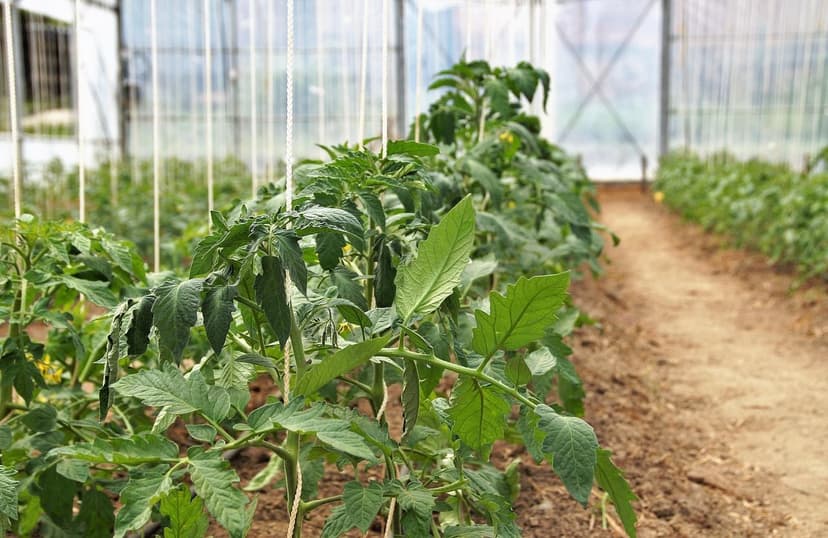
The trial was conducted in collaboration with Fitotécnica del Sur S.L. and Cooperativa Somalia in Arroyo de San Serván (Badajoz, Spain) on a 5-hectare plot divided into two equal blocks: 2.5 ha with ECOGANIC NANOTECHNOLOGY integrated into the reduced-dose phytosanitary program (50%), and 2.5 ha as a control with the standard full-dose phytosanitary program.
Quantified results
| Parameter | Control | ECOGANIC NANOTECHNOLOGY | Variation |
|---|---|---|---|
| Yield (kg/ha) | 105,000 | 120,000 | +14.3% |
| BRIX (°Bx) | 5.01 | 6.03 | +20.4% |
| Pesticide dose | 100% | 50% | −50% |
Complete methodological data —plot protocol, dates, statistical analysis, and verifiable source— are available in the trial technical sheet:
View full trial: Tomato Heinz 9661, Badajoz 2009 →
Why biostimulants simultaneously improve yield and BRIX
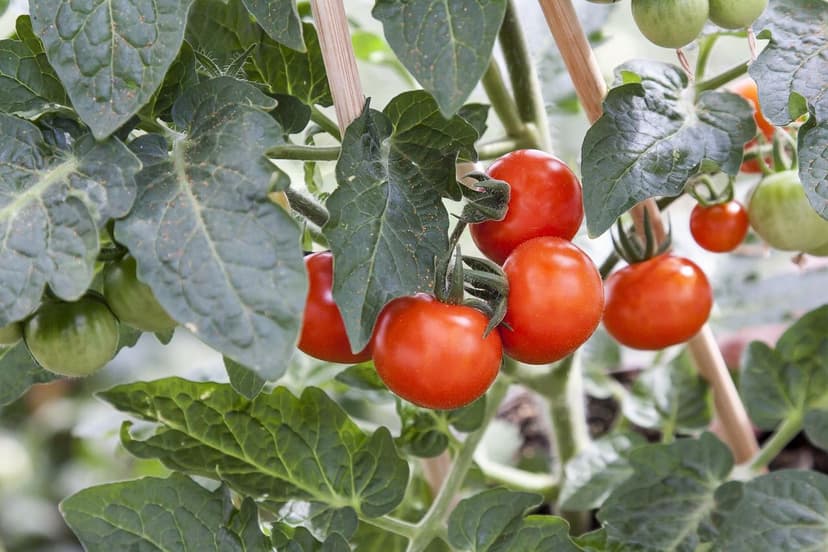
The simultaneous improvement in yield (+14.3%) and quality (+20.4% BRIX) with reduced inputs is the most valuable result of the trial, because it demonstrates that both variables are not incompatible —something conventional viticulture often treats as a dilemma.
The mechanism is as follows: nanotechnology biostimulants improve the plant's metabolic efficiency during the fruit set and ripening phases, enabling more efficient translocation of photosynthates to the fruit. This translates into:
- Higher number of fruits per plant: Fruit set is maintained even under heat stress conditions (common in Extremadura in July-August), increasing total yield.
- Higher solids concentration: The accumulation of sugars and lycopene accelerates because the plant allocates more resources to the fruit and less to compensating for stress.
- Reduced need for phytosanitary products: A metabolically more active plant activates its own defenses more efficiently, reducing the pressure from foliar fungi.
For the complete biostimulant program in tomato, consult the biostimulant guide for tomato.
Frequently asked questions about biostimulants in processing tomatoes
At what point in the cycle is ECOGANIC NANOTECHNOLOGY applied to tomatoes?
The protocol of the Badajoz trial integrated the biostimulant with the usual phytosanitary program. The most critical windows in processing tomatoes are transplant-rooting, full flowering, and fruit set-onset of fruit enlargement. In these three phases, metabolic demand is highest, and the biostimulant generates the greatest impact.
Can the increase in BRIX also be achieved by reducing irrigation?
Controlled water stress in the final weeks of ripening can raise BRIX, but at the cost of reducing yield. The Badajoz trial showed that with ECOGANIC NANOTECHNOLOGY it is possible to simultaneously increase both production and BRIX without reducing water supply, which is economically more favorable for the grower.
Is it compatible with certified organic farming?
Yes. The product is certified under Regulation (EU) 2018/848, NOP USDA, and JAS. It can be applied in certified organic production of processing tomatoes without additional restrictions or a pre-harvest interval.