

Discover everything about nitrogen fertilisation in avocado: appropriate doses, application timings and tips to optimise your harvest. Contact us!
Introduction
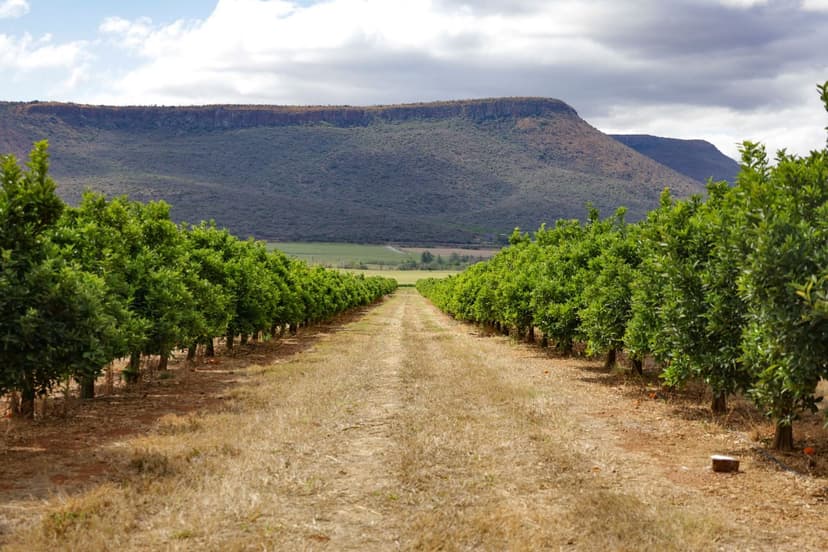
Nitrogen fertilisation in avocado is essential to ensure the growth and optimal production of this crop. In this article, we will explore the appropriate doses and the most effective application timings to maximise the potential of avocado, which is crucial for growers looking to improve their profitability and sustainability.
Importance of nitrogen fertilisation
Nitrogen is an essential nutrient for avocado, as it plays a key role in protein formation and vegetative growth. Adequate plant nutrition not only promotes vigorous growth but also enhances fruit quality, increasing its market value.
Benefits of nitrogen in avocado
- Improves vegetative growth: Increases leaf and branch production, which is crucial for photosynthesis and energy production in the plant.
- Fruit quality: Enhances the size and nutrient content of avocados, resulting in better flavour and higher content of healthy fats, such as oleic acid.
Biochemical mechanisms of nitrogen in avocado
Nitrogen is an essential component of amino acids, which are the building blocks of proteins. In avocado, nitrogen is incorporated into the plant cycle through nitrification, where ammoniacal nitrogen is converted into nitrified forms that the roots can absorb. This process is facilitated by soil bacteria and is more efficient in well-aerated soils with good organic matter. The presence of nitrogen also influences chlorophyll synthesis, which in turn enhances photosynthesis and energy production in the plant.
Interaction with other nutrients
Nitrogen does not act in isolation in avocado nutrition. Its interaction with other nutrients, such as phosphorus and potassium, is crucial for the proper development of the tree. Phosphorus deficiency can limit the effectiveness of nitrogen, resulting in poor growth.
Recommended Doses
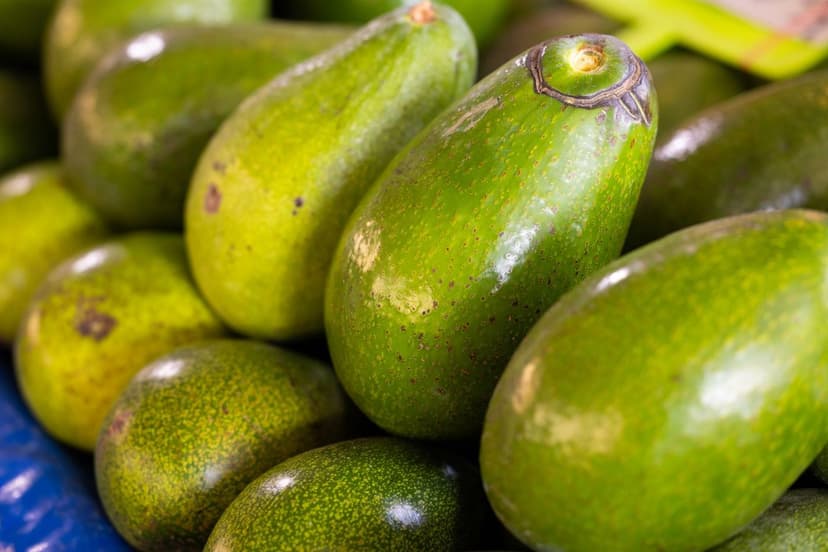
The nitrogen fertilisation dose should be adjusted according to the soil type, the age of the plants, and the stage of development. Additionally, it is important to consider nitrogen fertilisation in olive for comprehensive crop management, as well as nitrogen fertilisation in citrus.
Dose Fractionation
For effective application, it is suggested to divide the total dose into three parts:
- First application: At the beginning of spring, to stimulate vegetative growth. This is a critical period, as the avocado begins its growth cycle and the demand for nitrogen is high.
- Second application: During flowering, to favour fruit set. It is recommended to carry out this application just before flowering, as nitrogen is vital for flower formation and subsequent fruit development.
- Third application: In mid-summer, to support fruit development. At this stage, the avocado requires nitrogen for the growth and fattening of the fruits, which can result in an increase in size and quality of the harvested avocado.
Practical Example of Dose Application
In agricultural practices in the region of Michoacán, Mexico, a fertilisation programme has been implemented that applies 200 kg/ha of nitrogen, divided into three applications: 80 kg/ha in March, 60 kg/ha in May, and 60 kg/ha in July. This fractionation adjusts the nitrogen supply to the crop's demand, so the production response depends on the availability of nitrogen in the soil, the nutritional status of the plantation, and the cultivation conditions.
Factors Affecting Nitrogen Uptake
It is important to consider several factors that may influence nitrogen uptake by avocado plants:
- Soil type: Sandy soils tend to have higher nitrogen leaching, so it is crucial to adjust the dose and method of application.
- Soil pH: An appropriate pH (between 6 and 7) favours the availability of nitrogen in forms that plants can easily absorb. The use of amendments such as gypsum can help correct pH issues in acidic soils.
- Climatic conditions: During periods of heavy rainfall, nitrogen may be washed away from the soil, reducing its availability to plants. Implementing water conservation techniques can mitigate this problem.
- Microorganism competition: The presence of microorganisms in the soil can affect nitrogen availability. For example, mycorrhizal fungi can help the plant absorb more nitrogen, while other microorganisms may compete for it.
- Soil management practices: Tillage and the incorporation of organic matter can improve the soil's nutrient retention capacity, optimising nitrogen availability.
Timing of Application
The timing of nitrogen fertilisation application is equally critical. Applications should be made at strategic times to maximise nitrogen availability and its uptake.
Ecoganic products for this topic
BOOST UNIVERSAL SALINITY
Total calcium (CaO)
0,150 % (p/p) / 0,151 % (p/v)
Chloride: < 0,05 % (measured)
View technical sheet →PHOSMAX 20
Phosphorus pentoxide (P₂O₅)
18,9 % p/p (measured)
Chloride: < 0,05 % (measured)
View technical sheet →CALCIUM 40
Calcium oxide (CaO)
34,0 % p/p (measured)
Chloride: < 0,05 % (measured)
View technical sheet →Each datasheet publishes its guaranteed composition and, where available, the value measured at an accredited laboratory.
Related resources


