

Discover everything about nitrogen fertilisation in lettuce: recommended doses and ideal times for application. Improve your crops effectively.
Introduction
Nitrogen fertilisation in lettuce is a crucial aspect to ensure optimal growth and a bountiful harvest. This crop, widely consumed around the world, requires an adequate supply of nitrogen to maximise its yield and quality. In this article, we will discuss the recommended doses and key timings for applying nitrogen fertilisers, helping farmers to improve the productivity of their lettuce crops.
Nitrogen Fertilisation Doses
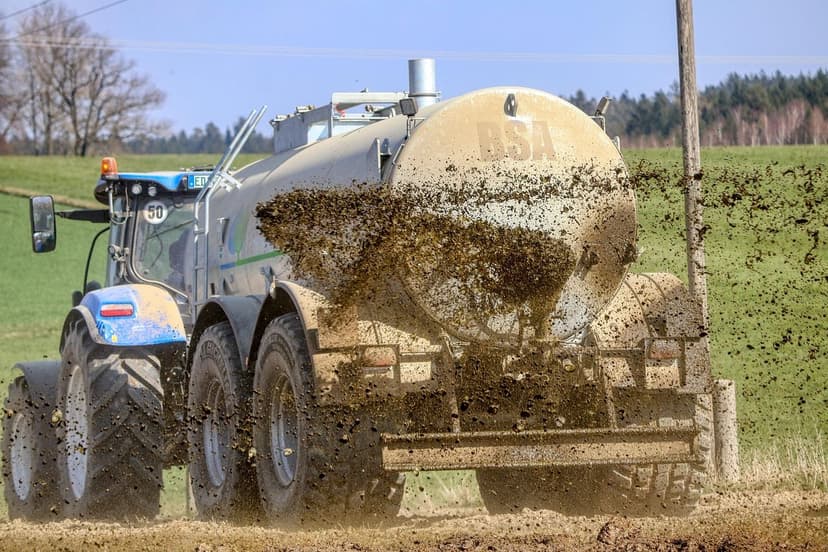
The dose of nitrogen fertilisation varies according to several factors, such as soil type, lettuce variety, and climatic conditions. However, an approximate dose of 120 to 180 kg of nitrogen per hectare is recommended during the growing cycle. This amount can be adjusted according to the specific needs of each crop.
Factors to consider for the dose
- Soil type: Soils with high organic matter may require less nitrogen. For example, in clay soils rich in organic matter, the gradual release of nitrogen from organic matter can cover part of the crop's needs, so it is advisable to adjust the dose to that mineralisation. Additionally, sandy soils, which have lower nutrient retention capacity, may require more frequent supply and lower doses per application.
- Lettuce variety: Some varieties are more demanding in nitrogen than others. Romaine lettuce varieties typically require more nitrogen than iceberg lettuce varieties, which can influence the applied dose.
- Climatic conditions: Warmer climates may increase the demand for nitrogen. Furthermore, the availability of nitrogen can be affected by precipitation; in high humidity conditions, nitrogen may be leached, requiring adjustments in applications.
Determining the optimal dose
The determination of the optimal nitrogen dose should be based on soil and foliar analyses. Soil analyses allow for understanding the availability of nitrogen and other essential nutrients, while foliar analyses help identify the concentration of nitrogen in the leaves, which is a direct indicator of the plant's nutritional status. Therefore, it is essential to conduct an initial soil analysis and, if possible, foliar analyses throughout the growing cycle to adjust the doses accurately.
Additionally, it is advisable to monitor plant growth by observing their coloration and development. Lettuce with nitrogen deficiency tends to show a pale green colour, while those with an adequate supply of nitrogen exhibit a deep green colour and robust growth. This is because nitrogen is an essential component of chlorophyll, the pigment responsible for photosynthesis. A proper nitrogen balance also influences the amino acid and protein content in the leaves, which is crucial for the nutritional quality of the final product.
Practical example of dose application
In a lettuce crop in a region with clay soil and a temperate climate, a farmer conducted a soil analysis that revealed low nitrogen availability. This case exemplifies the importance of a data-driven approach to fertilisation, thus maximising the yield and quality of the crop.
Application Timing
The timing of nitrogen fertilisation is crucial to ensure its effectiveness. It is recommended to divide the total dose into several applications:
Initial Applications
Make the first application at the beginning of the vegetative growth stage, when the seedlings have developed their first true leaves. This initial application promotes vigorous growth and adequate leaf development. It is important that this first application is made when weather conditions are favourable, avoiding periods of water stress that can affect nutrient uptake. The timing of the application with root development is key; in this regard, it is recommended to make the first application when the roots have reached at least 10 cm in depth.
Cover Applications
Cover applications should be made at critical stages of development, such as during active growth and before harvest. This helps to maintain an adequate level of nitrogen in the plant and improve the quality of the final product. Additionally, these lettuces showed an increase in nutrient content, such as vitamin C and antioxidants, which are beneficial for consumer health. Cover applications must be carefully scheduled to avoid over-fertilisation, which can lead to excessive growth and susceptibility to pests.
Critical Moments for Fertilisation
The critical moments for nitrogen fertilisation in lettuce include:
- Start of vegetative growth: When the seedlings develop their first true leaves, which occurs approximately 10-14 days after sowing. At this time, it is crucial to ensure that the plants have sufficient access to nitrogen to establish a strong root system.
- Active growth: Approximately 4-6 weeks after sowing, when the plant is at its most vigorous stage. Here, a nitrogen application can maximise leaf growth, which is essential for the production of quality leaves.
- Before harvest: A final application can be beneficial to maximise product quality. This application should be made 7 to 14 days before harvest to ensure adequate utilisation of nitrogen. However, care must be taken not to exceed the doses, as excess nitrogen at this stage can affect the texture and flavour of the lettuce.
Benefits of Nitrogen Fertilisation
Proper nitrogen fertilisation in lettuce brings multiple benefits:
- Improvement in growth: An adequate supply of nitrogen stimulates faster and healthier growth. This accelerated growth translates not only into higher production but also into an earlier harvest, which can be critical in markets where speed of delivery is a competitive factor.
- Increase in quality: Well-nourished lettuces exhibit greener and crisper leaves, enhancing their market appeal. Furthermore, an adequate nitrogen content can increase leaf firmness, reducing the risk of damage during transport. The quality of the final product is also reflected in post-harvest shelf life, as proper nitrogen management can prolong the freshness of lettuces on shelves.
- Superior yield: Efficient nitrogen management can result in a significant increase in yield per hectare. This yield increase can be critical for the economic sustainability of producers, especially in competitive markets.
Impact on the quality of the final product
Nitrogen not only impacts growth but also influences the organoleptic quality of lettuce. This translates into better acceptance by consumers and a higher commercial value of the product. The perception of taste has become a decisive factor in consumer choice, adding significant value to the proper management of nitrogen fertilisation.
Reduction of diseases and pests
This not only reduces the need for pesticides but also improves the health of the agricultural ecosystem as a whole.
Example of yield improvement
A farmer in a region with nitrogen-poor soils implemented a nitrogen fertilisation programme based on the aforementioned recommendations. By adjusting the nitrogen supply to the crop's demand, he improved vegetative development and bud formation, as balanced nitrogen nutrition favours the growth and quality of lettuce when other factors are not limiting. This case illustrates the importance of proper nitrogen fertilisation management to maximise lettuce crop productivity. In this context, it is suggested that farmers continuously monitor soil and plant quality to adjust fertilisation practices as necessary.
Considerations on the use of biostimulants
The use of biostimulants in combination with nitrogen fertilisation can further enhance the benefits of nitrogen in lettuce cultivation. Biostimulants, which include natural substances that promote plant growth, can help improve nitrogen and nutrient uptake. This not only contributes to more sustainable agriculture but can also reduce production costs.
Implementation of sustainable agricultural practices
The implementation of sustainable agricultural practices, such as crop rotation and the use of cover crops, can help optimise nitrogen use in lettuces.
Example of biostimulant use in the field
A farmer in an area with sandy soils began using an amino acid-based biostimulant alongside his nitrogen fertilisation programme. Additionally, the quality of the leaves improved significantly, with an increase in nutrient content and better flavour, leading to an increase in sales in the local market.
Controlled-release fertilisers
The use of controlled-release fertilisers can be an effective strategy to optimise nitrogen fertilisation in lettuce crops. These fertilisers are designed to release nutrients gradually, reducing the risk of leaching and improving nitrogen use efficiency. This is especially important in soils that have a high risk of erosion or in areas where rainfall is frequent, as it minimises nutrient loss and ensures a constant supply to the plants.
Impact of fertilisation on sustainability
The correct application of nitrogen fertilisation not only benefits the yield and quality of the crop but also has significant implications for agricultural sustainability. Over-fertilisation can lead to groundwater contamination and eutrophication of nearby water bodies. Therefore, it is essential for farmers to adopt sustainable management practices, such as fertilisation based on soil analysis and continuous monitoring of crop health.
Related Articles
- Nitrogen Fertilisation in Vine: Dosage and Application
- Nitrogen Fertilisation in Wheat: Dosage and Key Timing
- Nitrogen Fertilisation in Maize: Dosage and Application
Need professional help?
At Ecoganic in Spain, Europe, we offer certified Organic Fertilisers and Biostimulants. Call us: +34 623 753 719.
Nitrogen Fertilisation in Lettuce: Dosage and Timing of Application
Lettuce (Lactuca sativa) is a crop that responds favourably to nitrogen fertilisation, with nitrogen being an essential nutrient for its growth and development. It is recommended to apply between 100 and 150 kg of nitrogen per hectare, depending on soil conditions and the cultivation system. This dosage may vary according to the type of lettuce and the production cycle.
The timing of nitrogen application is crucial to maximise its effectiveness. It is suggested to divide the total dosage into at least two applications: the first, at the beginning of the vegetative growth, and the second, during the head formation stage, when the plant begins to accumulate biomass. This strategy allows for better utilisation of nitrogen and minimises losses due to leaching.
Furthermore, it is important to consider the type of nitrogen source used. Ammoniacal and nitrate forms have different absorption rates by the plant. It is recommended to use fertilisers that contain both types of nitrogen, such as ammonium nitrate, to ensure continuous availability during the growth cycle of lettuce.
Finally, it is advisable to conduct soil analyses before the application of fertilisers, to adjust nitrogen dosages according to the specific needs of the crop and the nutritional status of the soil. This not only optimises production but also contributes to more sustainable agriculture by avoiding over-fertilisation and environmental contamination.
What type of nitrogen fertiliser is best for lettuce?
Quick-release nitrogen fertilisers, such as ammonium nitrate, or slow-release ones can be used, depending on the crop management strategy.
When is the best time to apply nitrogen fertilisers?
Applications should be made at the beginning of vegetative growth and during the active development of the plant, with emphasis on coverage before harvest.
Is it necessary to conduct soil analyses before fertilising?
Yes, soil analyses are essential to determine the nutritional needs of the crop and adjust fertilisation dosages accordingly.
Can biostimulants improve the efficiency of nitrogen fertilisation?
Yes, the use of biostimulants can enhance nutrient uptake and improve plant response to nitrogen, optimising yield.


