

Discover nitrogen fertilization for spinach in vineyards: ideal doses and application timing to optimize your crops. Improve your results with Ecoganic. Additionally, you can consult about nitrogen fertilization for lettuce for specific information on this crop, as well as nitrogen fertilization for lettuce. It is also important to consider nitrogen fertilization for citrus to maximize production in other crops, as well as nitrogen fertilization for avocado. Furthermore, nitrogen fertilization for citrus is crucial for achieving optimal results in this type of crop.
Introduction
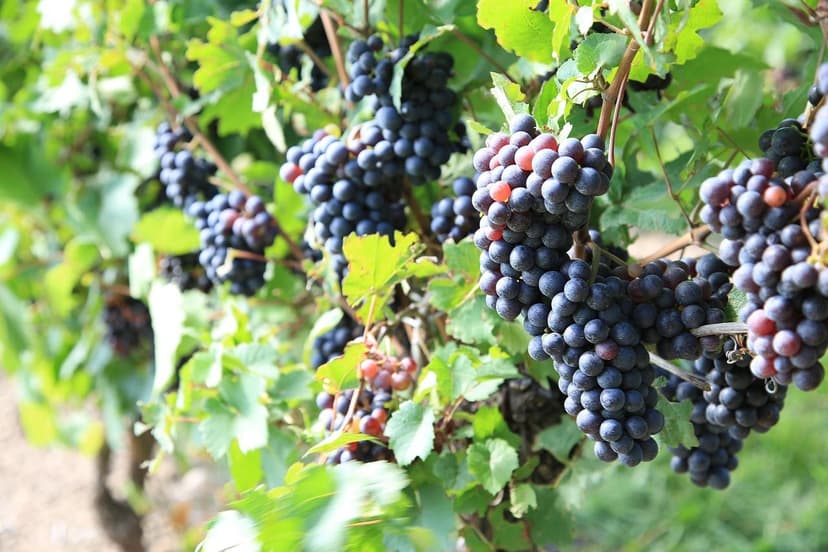
Nitrogen fertilization in vineyards is a crucial aspect for ensuring the health and productivity of vineyards. By using natural products and organic fertilizers, growers can optimize nitrogen uptake, thereby improving grape quality and overall crop yield. This article will address recommended nitrogen doses and optimal application timing, providing farmers with practical tools to maximize crop efficiency.
Importance of Nitrogen Fertilization
Nitrogen is an essential nutrient for plant growth, especially in crops like vineyards, where it directly influences vegetative development and cluster formation. Proper fertilization not only increases production but also improves harvest quality.
Impact on Grape Quality
The quality of the grape is affected by the amount of nitrogen available in the soil. An adequate supply of this nutrient allows for better formation of sugars and acids, which is essential for producing high-quality wines. Studies have shown that an optimal nitrogen level can influence the concentration of phenolic compounds and aromas in the grape, which in turn affects the complexity and sensory profile of the wine. For example, in a study conducted in Bordeaux vineyards, it was observed that a 10% increase in nitrogen levels correlated with a 15% increase in the intensity of fruity aromas.
Biochemical Mechanisms of Nitrogen in the Vine
Nitrogen acts as a key component of amino acids, proteins, and nucleic acids. In the vine, nitrogen is incorporated into chlorophyll synthesis, which is essential for photosynthesis. A study conducted by the University of California showed that vines with an adequate nitrogen supply exhibited a 25% increase in photosynthesis, resulting in greater vegetative growth and cluster production. At the cellular level, nitrogen is crucial for the production of enzymes that facilitate the conversion of nutrients into energy, allowing the plant to respond adequately to stress conditions.
Crop Yield
Nitrogen fertilization must be managed precisely. An excess can lead to excessive plant growth, while a deficiency can result in reduced production. Therefore, it is vital to find a balance that maximizes yield without compromising quality. Research indicates that an excess of nitrogen can cause an increase in leaf production at the expense of fruit production, which can affect wine quality. It is estimated that the ideal ratio between vegetative growth and fruit production should be in a range of 1:1.5 to 1:2. In an analysis of several vineyards in Spain, it was observed that those that maintained this ratio achieved a 30% increase in the production of high-quality wine.
Recommended Doses
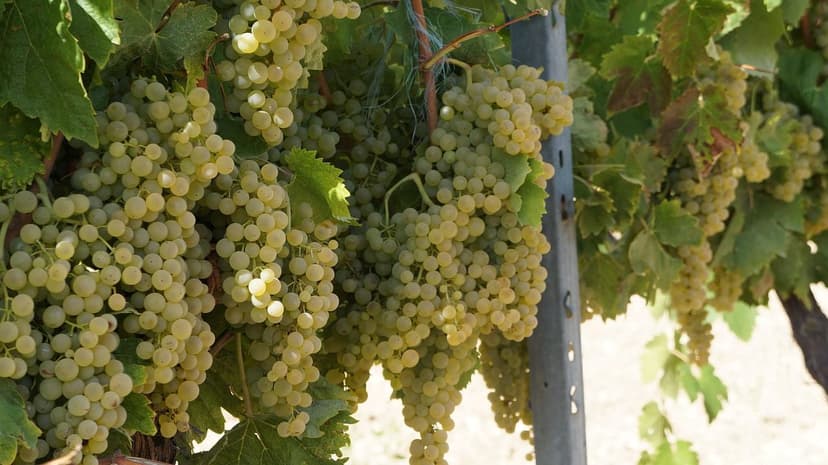
Nitrogen fertilization doses are variable and depend on factors such as the grape variety, soil type, and climatic conditions. However, some general guidelines can be established:
- First Application: At the start of bud break, a dose of 30-50 kg of nitrogen per hectare is recommended.
- Second Application: During the active growth phase, a second dose of 20-30 kg per hectare can be applied.
- Post-Harvest Applications: To prepare the plant for the next cycle, a maintenance dose of 15-20 kg per hectare is suggested.
Factors Affecting Nitrogen Doses
It is essential to consider several factors when determining nitrogen doses. These include:
- Soil Type: Soils with high water and nutrient retention capacity may require lower nitrogen doses. For example, in clay soils, it is recommended to adjust doses toward the lower end of the recommended range. A soil analysis in vineyards of the Bordeaux region indicated that soils with an organic matter content above 4% require 20% less nitrogen compared to sandier soils.
- Grape Variety: Some varieties are more nitrogen-demanding than others. For instance, varieties like Cabernet Sauvignon may require more nitrogen compared to varieties like Merlot. In a comparative study, it was determined that Pinot Noir vines responded to 15% less nitrogen without compromising fruit quality.
- Climatic Conditions: In years of high precipitation, nitrogen leaching can be a problem, which may require adjustments in doses. Conversely, in dry climates, the need for nitrogen may be lower due to reduced vegetative activity. A study in the California region showed that in years with 30% more rainfall, nitrogen doses had to be reduced by 25% to avoid leaching losses.
- Interaction with Other Nutrients: The availability of other nutrients, such as phosphorus and potassium, can influence nitrogen uptake. For example, an excess of phosphorus can inhibit nitrogen uptake, requiring an adjustment in applied doses. Thus, it is recommended to conduct a soil analysis that includes a nutrient balance to optimize fertilization.
Timing of Application
The timing of nitrogen fertilization application is as important as the dose. The following are the recommended phases:
Bud Break Phase
The first application should be made just before buds begin to develop. This ensures that the ni
Ecoganic products for this topic
PHOSMAX 20
Phosphorus pentoxide (P₂O₅)
18,9 % p/p (measured)
Chloride: < 0,05 % (measured)
View technical sheet →BOOST UNIVERSAL
Potassium oxide (K₂O)
1,375 % (measured)
Chloride: < 0,05 % (measured)
View technical sheet →K-FLOW 20
Potassium oxide (K₂O)
23,21 % p/p (measured)
Chloride: 3,23 % (measured)
View technical sheet →Each datasheet publishes its guaranteed composition and, where available, the value measured at an accredited laboratory.
Related resources