

Discover the right doses and ideal timing for nitrogen fertilization in spinach for corn. Improve your crop and maximize yield. Contact us now!
Introduction
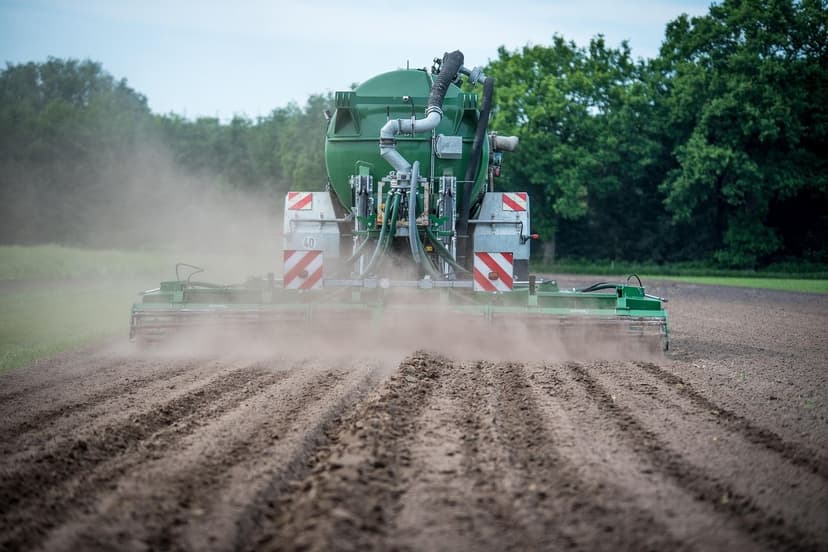
Nitrogen fertilization in corn is a crucial aspect for optimizing the productivity and quality of this essential crop in agriculture. Knowing the appropriate doses and key application timings can make the difference between average and exceptional yield. In this article, we will explore the fundamental factors influencing the effectiveness of nitrogen fertilization and offer evidence-based strategies to maximize the yield of your corn crops. For more information, visit Ecoganic.
Importance of Nitrogen in Corn Cultivation
Nitrogen is an essential nutrient for corn growth, as it is a key component of proteins and nucleic acids. Adequate nitrogen availability during the corn growth cycle is vital to ensure healthy development and high harvest yield.
Studies have shown that corn absorbs approximately 50% of its nitrogen requirement during the V8 (8 expanded leaves) and VT (flowering) stages, representing a critical period of only 30 days. Therefore, fertilization planning should focus on maximizing nitrogen availability during these key moments.
Biochemical Mechanisms of Nitrogen in Corn
Nitrogen participates in several biochemical processes within the corn plant. Once absorbed, it is incorporated into compounds such as amino acids, which are the building blocks of proteins. Chlorophyll synthesis, which is essential for photosynthesis, also depends on nitrogen. Without an adequate amount of this nutrient, corn may exhibit limited growth, yellowing leaves, and a reduction in grain yield.
Research has shown that nitrogen deficiency can reduce corn yield by up to 50%. This is due to a decrease in the rate of photosynthesis and a lack of proper root development, which limits the absorption of other nutrients and water. Additionally, nitrogen also plays a crucial role in regulating carbohydrate metabolism, directly affecting the accumulation of sugars in corn ears.
Impact of Nitrogen Deficiency
Nitrogen deficiency initially manifests in older leaves, which tend to yellow due to the mobilization of nitrogen to young, growing organs. This can lead to a reduction in plant height, fewer ears, and lighter grain weight. In a study conducted at the National Institute of Agricultural Research, it was observed that applying nitrogen at adequate doses increased grain weight by 20% compared to unfertilized plots.
Recommended Doses for Nitrogen Fertilization
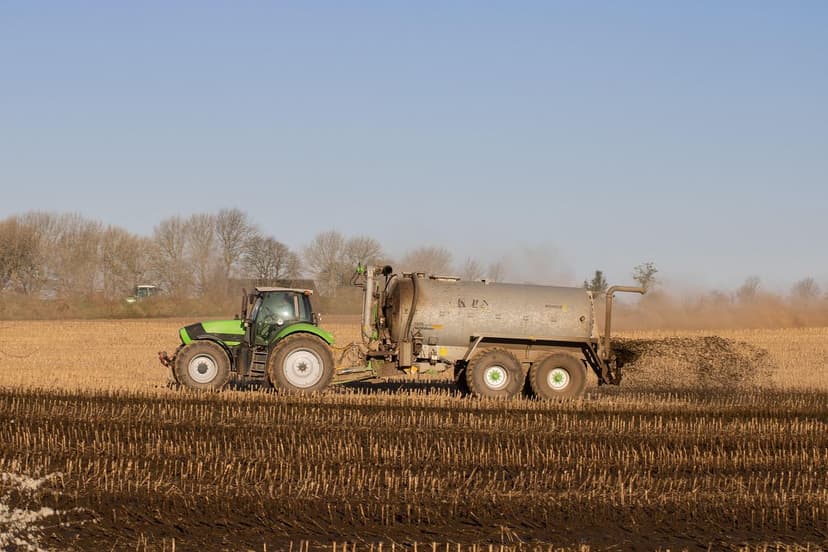
Nitrogen fertilization strategies can be classified into two main approaches:
- Full dose: Involves applying the total amount of nitrogen needed to achieve an availability of approximately 150 kg of N at different times between planting and the six-leaf stage (V6).
- Split dose: Involves dividing the fertilizer into several applications, typically 50% at planting and 50% at later stages (V2, V4, or V6), allowing nitrogen availability to be adjusted based on nitrate analysis results.
Trials have shown that doses applied under the split-dose approach ranged between 127 and 136 kg of N ha⁻¹, with no significant differences between application timings. This approach not only maximizes nitrogen use efficiency but also minimizes the risk of losses due to volatilization or leaching.
Considerations for Nitrogen Dose
When determining the nitrogen dose, it is essential to consider the crop's potential yield and soil characteristics. A detailed soil analysis can provide information on nitrogen retention capacity as well as initial levels of available nutrients. For example, in soils with a high organic matter content, natural mineralization can significantly contribute to the nitrogen supply, allowing for reduced fertilizer applications.
Additionally, the cropping history of the field should be considered. Fields that have been cultivated with legumes in previous years may have an additional nitrogen supply due to biological fixation, which may justify a reduction in the recommended dose.
Case Studies on Nitrogen Dosing
A study conducted on a farm in the state of Illinois showed that applying 150 kg of N ha⁻¹ resulted in an average yield of 10.5 tons per hectare, while in plots where 120 kg of N ha⁻¹ was applied, the yield dropped to 9.2 tons per hectare. This analysis demonstrates the importance of adjusting the nitrogen dose to the specific crop and soil conditions.
Critical Application Timings
Nitrogen application must be carefully scheduled, considering:
- Pre-plant applications: These are viable under conditions where planting is not delayed beyond the optimal window.
- At-planting applications: Generally safe and effective.
- Nitrogen top-dressing: Allows for adjustments based on environmental conditions, optimizing costs and reducing risks.
- Contingency plans: It is essential to have a backup plan in case environmental conditions interfere with the application schedule, to avoid nitrogen deficiencies.
Impact of Climatic Conditions on Nitrogen Application
Climatic conditions can significantly influence
Ecoganic products for this topic
NITROTECH 8
Total nitrogen (N)
≥ 8 %
K-FLOW 20
Potassium oxide (K₂O)
23,21 % p/p (measured)
Chloride: 3,23 % (measured)
View technical sheet →BALANCE 7-7-7
Total nitrogen (N)
7 %
Chloride: 0,774 % (measured)
View technical sheet →Each datasheet publishes its guaranteed composition and, where available, the value measured at an accredited laboratory.
Related resources