

Learn about nitrogen fertilization in citrus: rates and timing of application to optimise your production. Contact us and improve your crops!
Introduction
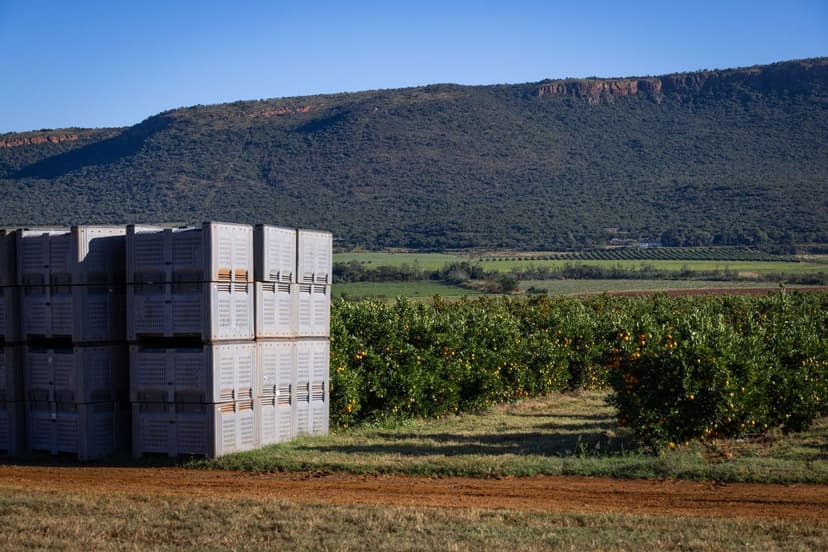
Nitrogen fertilization in citrus is crucial to ensure optimal crop development and maximise fruit production. Nitrogen is an essential element that plays a fundamental role in photosynthesis, growth and harvest quality. This article will address the appropriate rates and optimal timing of nitrogen application in citrus, as well as the importance of using sustainable and effective solutions, such as the organic fertilizers from Ecoganic.
Importance of Nitrogen Fertilization

Adequate nitrogen fertilization in citrus not only improves vegetative growth and fruit production, but also increases the plants' resistance to disease and environmental stress. Agronomic studies have shown that correct nitrogen application can increase fruit quality and total crop yield. In addition, the use of biostimulants and organic fertilizers can contribute to more balanced and sustainable nutrition. For more information on nitrogen fertilization in avocado, see our related article.
Benefits of Nitrogen in Citrus
- Vegetative Growth: Nitrogen promotes robust leaf development, essential for photosynthesis. A larger leaf area extends the capture of sunlight, which translates into greater energy production.
- Fruit Quality: Adequate fertilization has a direct impact on the size, flavour and colour of citrus.
- Stress Resistance: Well-nourished plants are more resistant to drought and pests.
Biochemical Mechanisms of Nitrogen
Nitrogen is taken up by plants mainly in the form of ammonium (NH4+) and nitrate (NO3-). These compounds are absorbed by the roots and transported through the xylem to the leaves, where they are used to synthesise amino acids, proteins and nucleic acids. Chlorophyll synthesis, which is crucial for photosynthesis, also depends on nitrogen. In addition, nitrogen plays a vital role in the production of phytohormones such as auxins, which regulate cell growth, thereby promoting more vigorous tree development.
Interaction with Other Nutrients
Nitrogen fertilization does not act in isolation; its effectiveness can be influenced by the availability of other nutrients. For example, an excess of nitrogen can inhibit the uptake of potassium and calcium, which can lead to deficiencies in these essential nutrients. It is therefore essential to carry out soil analyses that assess not only nitrogen levels but also those of other nutrients, in order to establish a more effective fertilization plan.
Recommended Nitrogen Rates
The nitrogen rate required for citrus can vary depending on various factors, including tree age, soil type and the climate of the region. In general, an initial application of between 100 and 200 kg/ha of nitrogen per year is recommended, split into several applications over the crop cycle. Optimum rates can be adjusted according to expected yield and soil analysis, allowing a more precise approach to nutrient management.
Factors Affecting the Nitrogen Rate
The nitrogen rate is not a fixed value and can be adjusted according to:
- Tree Age: Young trees require less nitrogen compared with mature trees in full production. For example, a 3-year-old citrus tree may need between 50-80 kg/ha, while a 10-year-old tree could require up to 200 kg/ha.
- Soil Type: Soils with high organic matter can release additional nitrogen, which reduces the need for external applications. A soil analysis can reveal the availability of organic nitrogen, allowing fertilization rates to be adjusted.
- Climatic Conditions: In years of high rainfall, nitrogen leaching can be a problem, which could require adjustments to the rate.
Splitting the Rate
To optimise nitrogen uptake, it is advisable to divide the total rate into several applications over the year. This can include:
- Spring: During the start of budbreak, apply 30-40% of the total rate. This application should coincide with the start of vegetative activity, to ensure that nitrogen is available when the trees need it most.
- Summer: Apply another 30-40% after harvest to promote vegetative development. It is at this stage that the plant begins to prepare growth for the next cycle.
- Autumn: The final application can be made before leaf fall, using the remaining 20-30%. This last contribution helps to store nutrients in the roots for the winter.
Ecoganic products for this topic
PHOSMAX 20
Phosphorus pentoxide (P₂O₅)
18,9 % p/p (measured)
Chloride: < 0,05 % (measured)
View technical sheet →NITROTECH 2.5
Total nitrogen (N)
≥ 2,5 %
NITROTECH 10
Total nitrogen (N)
9,96 % (measured)
Chloride: 2,32 % (measured)
View technical sheet →Each datasheet publishes its guaranteed composition and, where available, the value measured at an accredited laboratory.
Related resources


