

Discover everything about nitrogen fertilization in spinach: appropriate doses and key application times to maximize your harvest effectively.
Introduction to nitrogen fertilization in spinach
Nitrogen fertilization in spinach is crucial for maximizing the productivity and quality of this crop. Nitrogen is an essential nutrient that directly influences plant growth and development, and its proper application can result in more abundant and healthier harvests. In this article, we will address the recommended doses and key times for applying nitrogen fertilizers to spinach, as well as best practices to ensure efficient and sustainable use of resources. For more information, visit Ecoganic.
Recommended nitrogen doses
Determining the dose
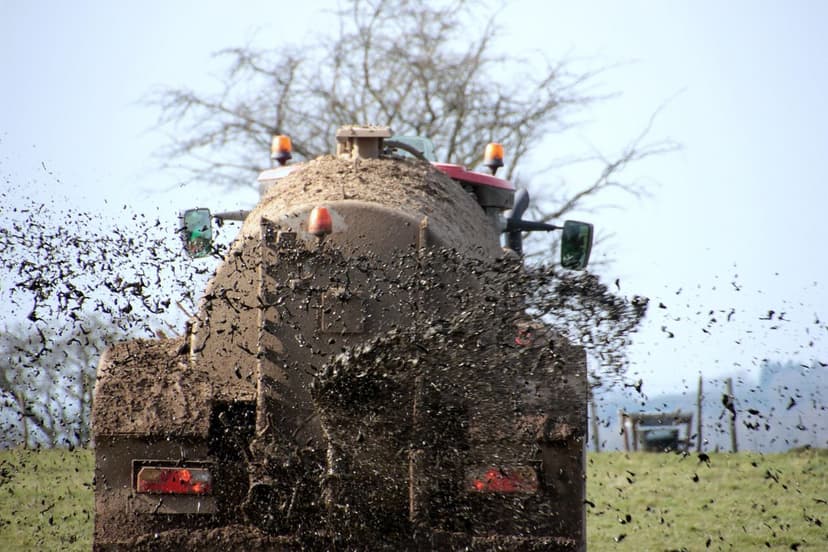
The nitrogen dose to apply to spinach depends on several factors, including soil type, cropping system, and spinach variety. Generally, a dose between 90 and 150 kg/ha of nitrogen is recommended, distributed across several applications throughout the crop cycle. This practice ensures that the plant has sufficient nitrogen during critical stages of its development. Studies have shown that proper nitrogen application can increase spinach yield by 20-30% compared to crops that do not receive enough nitrogen.
Factors to consider
- Soil type: Soils with high nutrient retention capacity may require lower doses. For example, clay soils tend to retain more nitrogen, while sandy soils may need more frequent applications.
- Variety: Some spinach varieties are more nitrogen-demanding than others. For example, the 'Bloomsdale' variety is known for its high productivity, but also for its need for an adequate nitrogen supply during growth.
- Climatic conditions: Temperature and humidity can influence nitrogen uptake by plants. Under high-temperature conditions, absorption efficiency may decrease, making constant evaluation of the crop's status necessary.
Nitrogen requirement estimates
An important aspect to consider is the estimation of nitrogen requirement based on expected yield. Agronomic studies suggest that to achieve a yield of 20 tons/ha of spinach, approximately 150 kg/ha of nitrogen is required. This is based on a nitrogen-to-yield conversion coefficient of 7.5 kg of nitrogen per ton of spinach produced. Therefore, the calculation of the nitrogen dose should align with the farmer's production goals.
Nitrogen applications in different cropping systems
The choice of cropping system (conventional, organic, or conservation) also influences the nitrogen dose. In organic cropping systems, where green manures and compost are used, a lower dose of synthetic nitrogen may be required, as soil microorganisms help release nitrogen more efficiently. A study on organic spinach crops showed that applying nitrogen-enriched compost can reduce the need for synthetic fertilizers by 30% without compromising yield.
Interaction between nitrogen and other nutrients
In addition to the nitrogen dose, it is important to consider the interaction between this nutrient and others, such as phosphorus and potassium. An adequate balance among these nutrients is essential for optimal spinach development. For example, nitrogen and phosphorus work synergistically in root formation and photosynthesis. Studies have shown that applying nitrogen together with phosphorus can increase spinach yield by 15% compared to applying nitrogen alone. Therefore, a soil analysis that considers all nutrients is essential for effective fertilization.
Timing of nitrogen application
Critical growth stages
Spinach has different development stages, and nitrogen application should be carried out at strategic times to maximize its effectiveness:
- Initial application: It is recommended to apply a portion of nitrogen at the time of sowing, which allows plants to establish properly. This initial application can range between 30 and 50 kg/ha.
- Vegetative growth phase: During the first weeks after sowing, a second nitrogen application should be carried out, preferably between the third and fourth week after sowing, to support leaf and stem growth. In this phase, a dose of 30-40 kg/ha is effective.
- Before flowering: An additional nitrogen supply before flowering can be beneficial to increase crop yield. This application can be 20-30 kg/ha, ensuring the plant has enough nitrogen to support flower and fruit formation.
Application frequency
It is preferable to carry out split applications rather than a single massive application. This not only improves nitrogen absorption but also reduces the risk of leaching and volatilization losses. A study conducted on spinach crops in the Mediterranean region showed that split nitrogen application increased nitrogen use efficiency by 15% compared to single applications. Additionally, it allows for better adaptation to changing environmental conditions, such as heavy rains or droughts, which can affect nitrogen availability in the soil.
Impact of application timing on crop quality
The timing of nitrogen application not only affects yield but also the quality of spinach. Studies have shown that excessive or improperly timed nitrogen application can result in increased nitrate concentration in leaves, which can be harmful to human health. Therefore, it is essential to adjust the dose and timing to ensure nitrate levels remain within safe limits. A study at the University of Florida found that applying nitrogen during the vegetative growth phase, rather than before harvest, can reduce nitrate accumulation by 20%.
Influence of climatic conditions on application timing
Climatic conditions play a crucial role in the effectiveness of nitrogen application. In humid climates, leaching can be a problem, suggesting that applications should be more frequent and smaller to minimize losses. In contrast, in dry climates, increasing the dose can be considered, but always evaluating the soil's retention capacity. A study conducted in greenhouses in California showed that nitrogen application under high temperature and low humidity conditions resulted in a 30% reduction in absorption efficiency, highlighting the importance of adjusting applications according to the climate.
Related articles
Need professional help?
At Ecoganic in Spain, Europe, we offer certified Biostimulants and Organic Fertilizers. Call us: +34 623 753 719.
Best practices for effective fertilization
Use of biostimulants
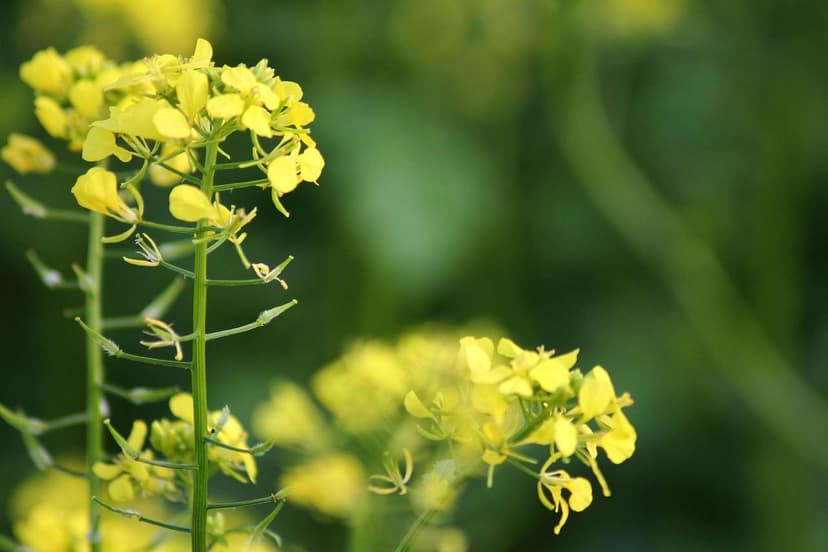
Incorporating biostimulants into the fertilization program can improve nitrogen use efficiency. These products help plants better absorb nutrients and cope with environmental stress, resulting in more robust growth and higher quality harvests. For example, the use of amino acids as biostimulants can increase nitrogen availability by promoting microbial activity in the soil. At Ecoganic, we offer solutions such as biostimulants and organic fertilizers that can complement nitrogen fertilization, optimizing soil health and crop productivity. A field trial showed that applying a seaweed extract-based biostimulant increased nitrogen absorption by 25% compared to using nitrogen fertilizers alone.
Soil condition monitoring
It is essential to conduct a soil analysis before applying fertilizers. This will allow adjusting nitrogen doses according to existing nutrient content and the soil's retention capacity. Continuous monitoring of crop status is also essential to make adjustments in agronomic management as needed. Soil analyses should include evaluation of pH, organic matter, and levels of nitrogen, phosphorus, and potassium. According to the University of California, the optimal pH for spinach cultivation is between 6.0 and 7.0, which influences nitrogen availability. Implementing a monitoring program can help identify nutritional deficiencies and plan fertilizer applications more efficiently.
Irrigation Considerations
Irrigation also plays a critical role in nitrogen fertilization. Adequate irrigation can facilitate nitrogen uptake, while excessive irrigation can lead to nitrate leaching, reducing fertilizer efficiency. It is recommended to implement drip irrigation systems, which allow for more controlled and efficient application of water and nutrients. In a field study using drip irrigation, a 30% improvement in nitrogen uptake was observed compared to conventional furrow irrigation. Additionally, drip irrigation reduces the incidence of foliar diseases by maintaining soil moisture without wetting plant leaves.
Integration of Sustainable Agriculture Practices
Integrating sustainable agriculture practices into nitrogen fertilization management is essential to minimize environmental impact and improve ecosystem health. Crop rotation and the use of cover crops can help improve soil structure and increase nutrient retention. For example, planting legumes such as clover or alfalfa in rotation with spinach can enhance nitrogen fixation in the soil, reducing dependence on synthetic nitrogen fertilizers. A study conducted by the University of Wisconsin showed that rotating spinach with legumes can reduce the need for nitrogen fertilization by 40% while maintaining similar yields.
Crop Health Assessment Through Technology
The implementation of monitoring technologies, such as nutrient sensors and drones, can provide valuable information about the nutritional status of the crop. These devices enable real-time tracking of nitrogen concentration in leaves and soil, facilitating decision-making regarding fertilizer applications. For example, a study at Auburn University showed that the use of nitrogen sensors can increase application efficiency by 25% by providing precise data on crop needs at different growth stages.
Residue management practices and their impact on fertilization
Proper management of crop residues also influences nitrogen fertilization. Incorporating residues from previous crops can increase soil organic matter and, consequently, nitrogen availability. For instance, incorporating spinach residues can improve the soil's nutrient and water retention capacity, favoring the growth of subsequent crops. A study at the National Institute of Agricultural Technology showed that leaving residues in the field can increase soil nitrogen availability by 15% during the first weeks of the following crop's growth.
Implementing fertilization practices under adverse conditions
In situations of environmental stress, such as droughts or floods, it is crucial to adjust fertilization practices. Under drought conditions, plants may have difficulty absorbing nitrogen, so it is advisable to apply nitrogen in forms that are more easily absorbed, such as nitrate or ammonium. In flood situations, nitrogen application should be more cautious, as excess water can lead to nitrate leaching. A study at the Agricultural Research Center found that applying nitrogen in the form of controlled-release fertilizers can be beneficial under water stress conditions, increasing efficiency by 20%.
Nitrogen conservation practices
The use of nitrogen conservation practices, such as no-till farming and cover crops, can help reduce nitrogen loss in the soil. These practices promote soil structure and improve water and nutrient retention. For example, no-till farming can reduce soil erosion and nitrogen volatilization, allowing more nitrogen to be available for plants. A study at the Institute of Agricultural Research showed that implementing no-till farming in spinach crops can reduce nitrogen loss by 35%.
Farmer education and training
Farmer training in nutrient management practices is essential for optimizing nitrogen fertilization. Education programs that include hands-on workshops on interpreting soil analysis, using biostimulants, and irrigation techniques can enhance understanding and effective application of fertilization strategies. A study at the National Institute of Agriculture found that proper training can increase spinach productivity by 10-15%, by enabling farmers to apply more efficient and sustainable practices.
Evaluation of Fertilization Efficiency
Evaluating fertilization efficiency is a key component in managing nitrogen fertilization. To determine the efficiency of applied nitrogen, indices such as the nitrogen use efficiency (NUE) index can be used, which is calculated by dividing the yield obtained by the amount of nitrogen applied. Research has shown that an NUE above 30% is considered optimal for spinach crops. Additionally, implementing leaf sampling and tissue analysis practices can help adjust applications in real time, ensuring that plants receive the appropriate amount of nitrogen throughout their life cycle.
Impact of Soil pH Management
Soil pH is a determining factor in the availability of nitrogen and other nutrients. A pH between 6.0 and 7.0 is ideal for spinach cultivation, as nutrient availability is optimal within this range. A low pH can lead to increased solubility of nitrates, which may result in losses due to leaching. Conversely, a high pH can limit nitrogen availability. Therefore, it is advisable to apply soil amendments, such as sulfur or organic amendments, to maintain an appropriate pH and optimize nutrient uptake.
Optimizing Fertilization Through Technology
Precision technologies, such as precision agriculture and automated irrigation systems, allow farmers to apply nitrogen more efficiently and tailored to the specific needs of each plot. For example, using yield maps and sensor data analysis can help identify areas within a field that require different nitrogen doses. A study conducted on spinach farms in northern Europe showed that implementing precision agriculture can result in a 20-30% reduction in nitrogen fertilizer use, while maintaining similar or higher yields.
Cost-Benefit Evaluation of Nitrogen Fertilization
The cost-benefit evaluation of applying nitrogen fertilization is essential to ensure the economic viability of the crop. A detailed analysis should include fertilizer costs, labor for application, and investment in monitoring technologies. A case study on a spinach farm in southwestern Spain showed that adopting more efficient fertilization practices, including split application and the use of biostimulants, resulted in a 15% increase in yield, offsetting the 20% increase in costs. This demonstrates that proper fertilization management not only improves agricultural production but can also be profitable in the long term.
Research and development in nitrogen fertilization
Ongoing research in the field of nitrogen fertilization is essential to adapt practices to new climatic conditions and market demands. Research projects in collaboration with universities and research centers are exploring new fertilizer formulations that release nitrogen in a controlled manner and precision application technologies. A recent study at the Institute of Agronomy of Brazil showed that the use of controlled-release fertilizers can increase nitrogen use efficiency by 30%, by reducing losses from volatilization and leaching, representing a significant advance in the sustainability of spinach production.
Related articles
- Ecoganic
- Nitrogen Fertilization in Grapevines: Dosage and Application
- Nitrogen Fertilization in Wheat: Dosage and Key Timing
Frequently Asked Questions
How much nitrogen does spinach need?
Spinach requires between 90 and 150 kg/ha of nitrogen, depending on factors such as soil type and variety.
When is the best time to apply nitrogen to spinach?
Nitrogen should be applied at three times: at planting, during the vegetative growth phase, and before flowering.
Can biostimulants help with nitrogen fertilization?
Yes, biostimulants improve nutrient uptake and stress resistance, optimizing nitrogen use.
Is it better to apply all nitrogen at once?
No, it is preferable to split applications to improve efficiency and reduce nitrogen losses.