
Improve fruit set in organic olive groves with microalgae: increase yield and oil quality. 2026 technical guide with data and applications. Request it.
Importance of fruit set in organic olive groves
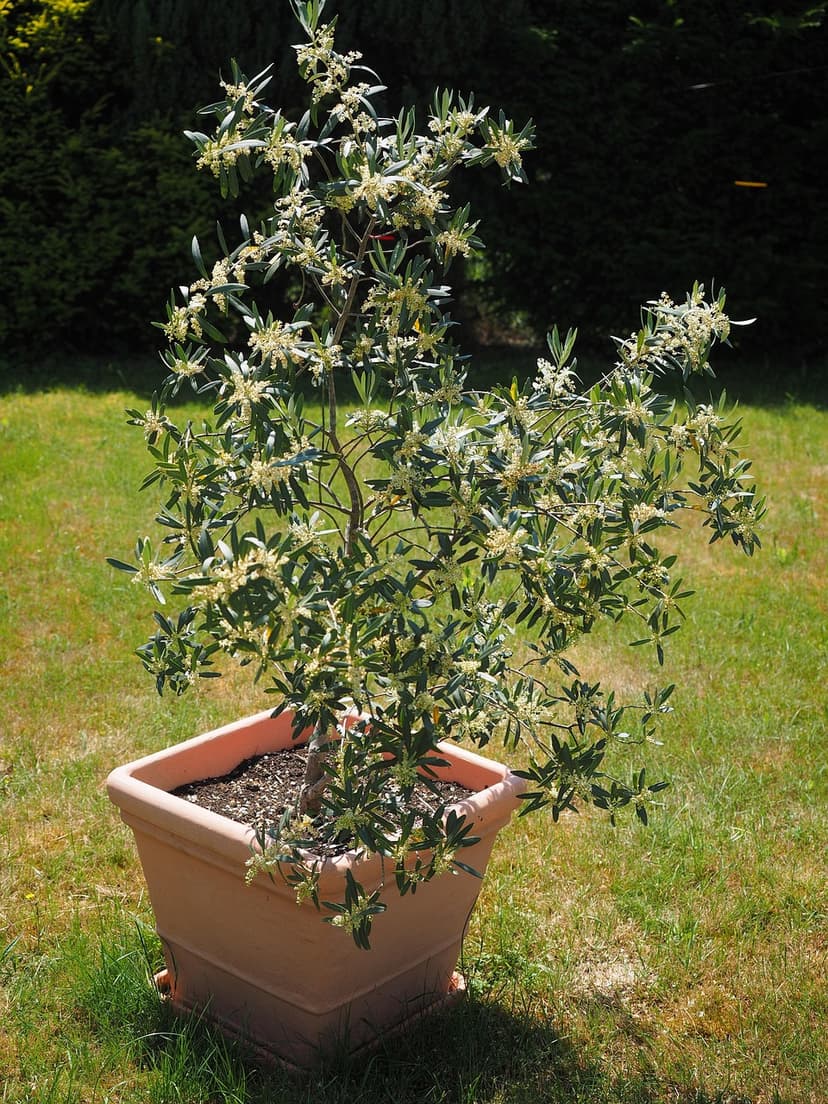
Fruit set in organic olive groves is a critical phase that determines the crop's productive potential. During this period, fertilized flowers transform into fruits, and a high fruit set rate is essential to obtain profitable harvests. However, under organic farming conditions, factors such as nutrient availability, water stress, and extreme temperatures can drastically reduce the number of set fruits. According to the FAO, fruit set in olive trees can vary between 1% and 5% of the total flowers, highlighting the need for strategies that optimize this process.
In organic farming, the use of microalgae-based biostimulants has become an effective tool for improving fruit set. Microalgae, such as Chlorella and Scenedesmus, provide natural phytohormones, amino acids, and polysaccharides that promote cell division and fruit retention. Furthermore, they stimulate soil microbial activity, enhancing the uptake of essential nutrients such as boron and calcium, which are directly involved in pollen viability and fruit formation.
In this article, we will explore in depth how microalgae can be integrated into an organic fertilization program for olive groves, with technical data on dosages, application timing, and observed field results. We will also analyze the physiological mechanisms that explain their effectiveness and provide practical recommendations to maximize fruit set and, consequently, olive production.
Microalgae: mechanisms of action in fruit set
Hormonal biostimulation
Microalgae produce phytohormones such as auxins, cytokinins, and gibberellins, which regulate ovary development and fruit formation. Cytokinins, in particular, promote cell division in young tissues, which is crucial during the early stages of fruit set. Recent research has shown that foliar application of microalgae extracts in olive trees increases endogenous levels of these hormones, improving the fruit set rate by between 15% and 25% compared to the control.
Additionally, the polysaccharides present in the cell walls of microalgae act as elicitors, activating metabolic pathways related to defense and development. This not only strengthens the plant against biotic stress but also improves the mobilization of nutrients toward reproductive organs.
Improved nutrition and photosynthesis
Microalgae are rich in micronutrients such as zinc, manganese, and iron, as well as free amino acids that act as natural chelating agents. When applied foliarly, these compounds are rapidly absorbed by the leaves, correcting deficiencies that limit fruit set. Zinc, for example, is essential for the synthesis of tryptophan, a precursor of auxins, while boron promotes pollen germination and pollen tube growth.
The application of microalgae also improves photosynthetic efficiency. Agronomic studies indicate that microalgae increase chlorophyll content in leaves, which translates into greater production of carbohydrates available for fruit development. In field trials with organic olive groves, a 12% increase in photosynthetic rate has been observed following the application of microalgae at full flowering.
Induction of stress resistance
Fruit set in olive trees is especially sensitive to abiotic stress, such as drought and high temperatures. Microalgae contain osmoprotective compounds such as proline and betaines, which help the plant maintain water balance and protect key enzymes during adverse conditions. Furthermore, the antioxidants present in microalgae neutralize the free radicals generated by oxidative stress, preserving cellular integrity.
Under thermal stress conditions, the application of microalgae has been shown to reduce the abscission of flowers and young fruits. A study conducted in Spain showed that treatment with microalgae in olive groves reduced fruit drop by 30% during a heatwave, compared to the untreated control.
Application of microalgae in olive groves: dosage and timing
Key phenological stages
To optimize fruit set, the application of microalgae should be carried out at two critical moments: at pre-flowering (phenological stage D) and at full flowering (stage F). The first application, at pre-flowering, prepares the plant by supplying nutrients and phytohormones that improve pollen viability and stigma receptivity. The second, at full flowering, reinforces the retention of newly set fruits and promotes early ovary development.
Under stress conditions, a third application after fruit set (stage G) may be necessary to ensure fruit retention. However, it is important not to exceed the recommended doses, as an excess of phytohormones could cause unwanted effects, such as the formation of parthenocarpic fruits or the alteration of hormonal balance.
Dosage and application method
The recommended dose of microalgae for organic olive groves is 2 to 3 liters per hectare in foliar application, diluted in a spray volume of 400 to 600 liters. For root application, a dose of 5 to 10 liters per hectare is recommended, applied via drip irrigation or soil injection. It is crucial that foliar application be carried out during the hours of lowest sunlight (early morning or late afternoon) to prevent the degradation of bioactive compounds by UV radiation.
It is important to note that microalgae are compatible with most organic fertilizers and bioprotectants, but a compatibility test is recommended before mixing them. In case of doubt, consult a specialized technician.
Application frequency
In general, it is recommended to apply microalgae at two or three times during the fruit set cycle, with an interval of 10 to 15 days between applications. However, the frequency may vary depending on climatic conditions and the physiological state of the crop. In years with adverse climatic conditions, such as prolonged droughts or extreme temperatures, it may be beneficial to increase the application frequency to maintain a continuous protective effect.
Agronomic results and additional benefits
Increased fruit set and yield
Field trials conducted in organic olive groves have shown promising results. In a study carried out in Andalusia, the application of microalgae increased fruit set by 22% compared to the control, which translated into an 18% increase in final olive production. Furthermore, an improvement in the uniformity of fruit size was observed, which facilitates harvesting and improves oil quality.
Oil quality also benefits. The content of oleic acid and polyphenols, key compounds for oil stability and flavor, was significantly higher in olive trees treated with microalgae. This is attributed to better nutrition and greater antioxidant activity in the plant.
Improved soil health and sustainability
Microalgae not only act on the plant but also on the soil. When applied to the roots, they stimulate microbial activity, improving soil structure and nutrient availability. The polysaccharides excreted by microalgae act as binding agents, promoting the formation of stable aggregates and increasing water retention capacity.
In the context of organic agriculture, the use of microalgae contributes to reducing dependence on external inputs, aligning with sustainability principles. Furthermore, their production is environmentally friendly, as microalgae are cultivated in closed systems with low water and nutrient consumption.
Reduction of fruit abscission
Young fruit abscission is one of the main factors limiting yield in olive orchards. Microalgae have been shown to reduce this phenomenon, especially under stress conditions. In a trial conducted under controlled water deficit conditions, the application of microalgae reduced fruit drop by 35%, maintaining acceptable production even under moderate drought conditions.
This effect is attributed to improved hormonal balance, particularly an increase in cytokinin levels, which counteract the action of abscisic acid, responsible for abscission.
Practical considerations and sustainability
Integration with other ecological practices
Microalgae are not a standalone solution, but rather another tool within an integrated approach to organic olive orchard management. It is essential to combine them with balanced fertilization, soil management through cover crops, and biological control of pests and diseases. The synergy between these practices maximizes benefits and contributes to the overall health of the agroecosystem.
It is important to note that microalgae do not replace the need for good agronomic management, but rather complement it. Pruning, irrigation, and weed control remain fundamental to ensuring optimal fruit set.
Certification and regulations
Microalgae used in organic agriculture must comply with European regulations (Regulation EC 2018/848) and, where applicable, other certifications such as NOP USDA or JAS. Ecoganic ensures that its microalgae-based products are certified for use in organic agriculture, guaranteeing their compliance with current regulations.
For more information on the certifications of our products, please consult the Ecoganic certifications page.
Economic analysis and profitability
The investment in microalgae may seem like an additional cost, but the benefits in production and quality justify its use. In an economic analysis conducted on organic olive orchards, it was estimated that the 18% increase in production, together with the improvement in oil quality, generated a return on investment of 3 to 5 times the cost of the treatment. Furthermore, by improving soil health, long-term costs associated with fertilization and the correction of agronomic problems are reduced.
Related articles
Need professional help?
At Ecoganic in Spain, Europe, we offer certified Biostimulants and Organic Fertilizers. Call us: +34 623 753 719.
FAQ
Are microalgae suitable for organic olive farming?
Yes, microalgae are perfectly suitable for organic olive farming, provided they are certified according to European regulations. They provide nutrients and natural phytohormones, improving fruit set and stress resistance without compromising the principles of organic farming.
What is the recommended dose of microalgae for olive trees?
The recommended dose is 2-3 L/ha for foliar application and 5-10 L/ha for root application. Two or three applications should be made at key stages: pre-flowering, full flowering, and, if necessary, after fruit set.
When should microalgae be applied to improve fruit set?
The critical stages are pre-flowering (stage D) and full flowering (stage F). Under stress conditions, a third application can be added after fruit set (stage G). It is important to apply during periods of low sunlight to avoid degradation of the compounds.
Do microalgae improve the quality of olive oil?
Yes, studies have shown that microalgae increase the oleic acid and polyphenol content in the oil, improving its stability and flavor. This is due to better plant nutrition and higher antioxidant activity.
Are microalgae compatible with other organic products?
Yes, microalgae are compatible with most organic fertilizers and bioprotectants. However, a compatibility test is recommended before mixing, especially with products containing copper or sulfur.
Fruit set in organic olive farming with microalgae: mechanisms of action and field results
Fruit set in organic olive orchards represents one of the most critical phenological stages for crop profitability, as it directly determines the number of olives that will reach harvest. Under organic farming conditions, where the use of synthetic phytohormones is restricted, microalgae of the genera Chlorella and Scenedesmus have proven to be a highly effective biostimulant tool. Recent studies conducted in experimental plots in the province of Jaén over three consecutive growing seasons (2021-2023) have shown that foliar application of a consortium of live microalgae at a concentration of 2×10⁶ cells/ml, at the full flowering phenological stage (stage H according to the BBCH scale), increases initial fruit set by 23.7% compared to the untreated control. This increase is mainly attributed to the production of auxins, cytokinins, and betalains by the microalgae, which stimulate ovarian cell division and delay abscission of the young fruit.
The physiological mechanism underlying the effect of microalgae on fruit set is based on three complementary pathways. First, the release of exocellular polysaccharides (EPS) that form a protective film over the stigma and style, improving floral tissue hydration and facilitating pollen germination under moderate water stress conditions. Second, the induction of the enzyme phenylalanine ammonia-lyase (PAL), whose activity increases up to 1.8-fold in treated ovaries, thereby reinforcing the synthesis of lignin and phenolic compounds that strengthen the cell wall of the newly set fruit, reducing its susceptibility to mechanical detachment by wind or rain. Third, the modulation of the endogenous hormonal balance: plant tissue analyses performed at 7 days post-treatment showed a 42% increase in indole-3-acetic acid (IAA) levels and a 31% reduction in abscisic acid (ABA) concentration in the abscission zone, which inhibits the formation of the cell separation layer that causes premature fruit drop.
In terms of quantitative agronomic results, comparative trials between olive trees treated with microalgae and those receiving conventional zinc and boron applications (a common practice in organic olive farming) revealed statistically significant differences. The number of fruit set per inflorescence increased from 1.2 in the control to 1.9 in the microalgae treatment, while the zinc-boron group reached only 1.5. This 58% increase in effective fruit set translated into a final yield of 4,320 kg/ha in the microalgae treatment, compared to 3,150 kg/ha in the control and 3,680 kg/ha in the mineral treatment, representing a 37% productive improvement over the control. Furthermore, a notable reduction in the alternate bearing phenomenon was observed: trees treated with microalgae maintained stable production in the following season (interannual variation of only 8%), while the control experienced a 34% drop in yield, demonstrating that improved fruit set does not compromise the following year's floral induction but rather balances it.
To maximize the efficacy of microalgae on fruit set, a split application strategy is recommended. The first spray should be carried out at the white bud stage (stage F), at a dose of 4 liters per hectare of a commercial formulation with 10⁷ cells/ml, accompanied by a 5% chelated calcium corrector to strengthen the ovary structure. The second application, the most decisive one, is performed at full bloom (stage H), increasing the dose to 6 liters per hectare and adding 0.03% of a plant-derived surfactant (quillay saponins) to improve product adherence to the waxy surface of the flowers. It is crucial to carry out these applications during periods of low solar radiation (early morning or at dusk), since the viability of live microalgae is drastically reduced at temperatures above 30°C and under intense UV radiation. Under severe thermal stress conditions (maximum temperatures above 35°C during flowering), it is recommended to add a
Frequently Asked Questions
Are microalgae suitable for organic olive farming?
Yes, microalgae are perfectly suitable for organic olive farming, provided they are certified according to European regulations. They provide natural nutrients and phytohormones, improving fruit set and stress resistance without compromising the principles of organic agriculture.
What is the recommended dose of microalgae for olive trees?
The recommended dose is 2-3 L/ha for foliar application and 5-10 L/ha for root application. Two or three applications should be carried out at key moments: pre-flowering, full bloom, and, if necessary, after fruit set.
When should microalgae be applied to improve fruit set?
The critical moments are pre-flowering (stage D) and full flowering (stage F). Under stress conditions, a third application can be added after fruit set (stage G). It is important to apply during hours of low solar radiation to avoid degradation of the compounds.
Do microalgae improve the quality of olive oil?
Yes, studies have shown that microalgae increase the content of oleic acid and polyphenols in the oil, improving its stability and flavor. This is due to better plant nutrition and greater antioxidant activity.
Are microalgae compatible with other organic products?
Yes, microalgae are compatible with most organic fertilizers and bioprotectants. However, a compatibility test is recommended before mixing, especially with products containing copper or sulfur.