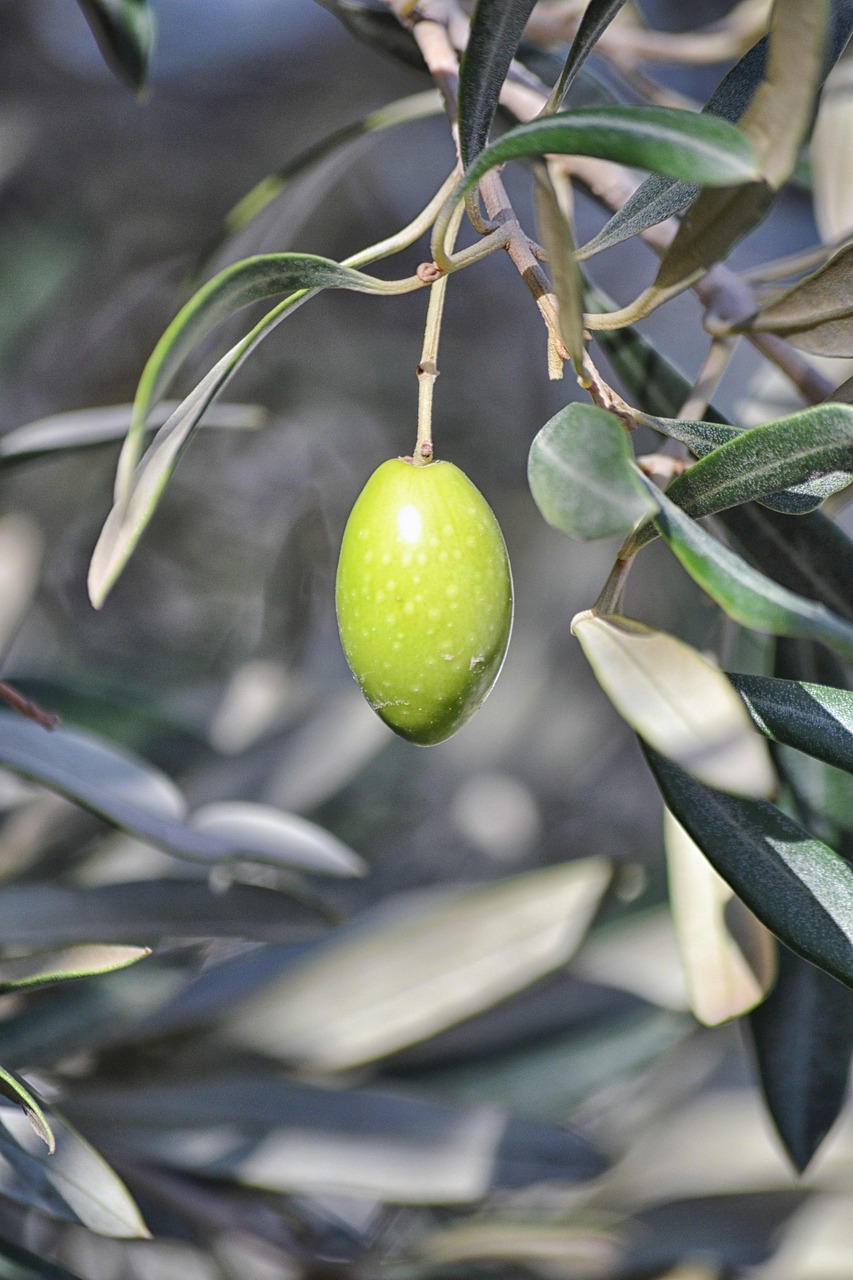

Seaweed biostimulants in organic olive groves: improves yield and oil quality. Learn about their benefits, application, and results. Request your free quote.
What are seaweed biostimulants and how do they work in olive groves?
Seaweed biostimulants are natural products derived from marine macroalgae, such as Ascophyllum nodosum, or freshwater microalgae, such as Chlorella vulgaris. These extracts contain a complex mixture of bioactive compounds: phytohormones (auxins, cytokinins, gibberellins), betaines, polysaccharides, amino acids, vitamins, and minerals. In organic olive groves, their foliar or root application stimulates key physiological processes: cell division, root elongation, photosynthesis, and secondary metabolite synthesis. Unlike conventional fertilizers, biostimulants do not supply large amounts of nutrients but rather enhance the plant's efficiency in absorbing and utilizing available resources. This is especially valuable in organic soils, where nutrient availability may be limited. According to the FAO, the use of biostimulants can increase nitrogen use efficiency by up to 20%, reducing the need for external inputs. In olive groves, seaweed extracts have been observed to improve fruit set, olive size, and oil accumulation, even under conditions of water stress or salinity.
Benefits of seaweed biostimulants in organic olive groves
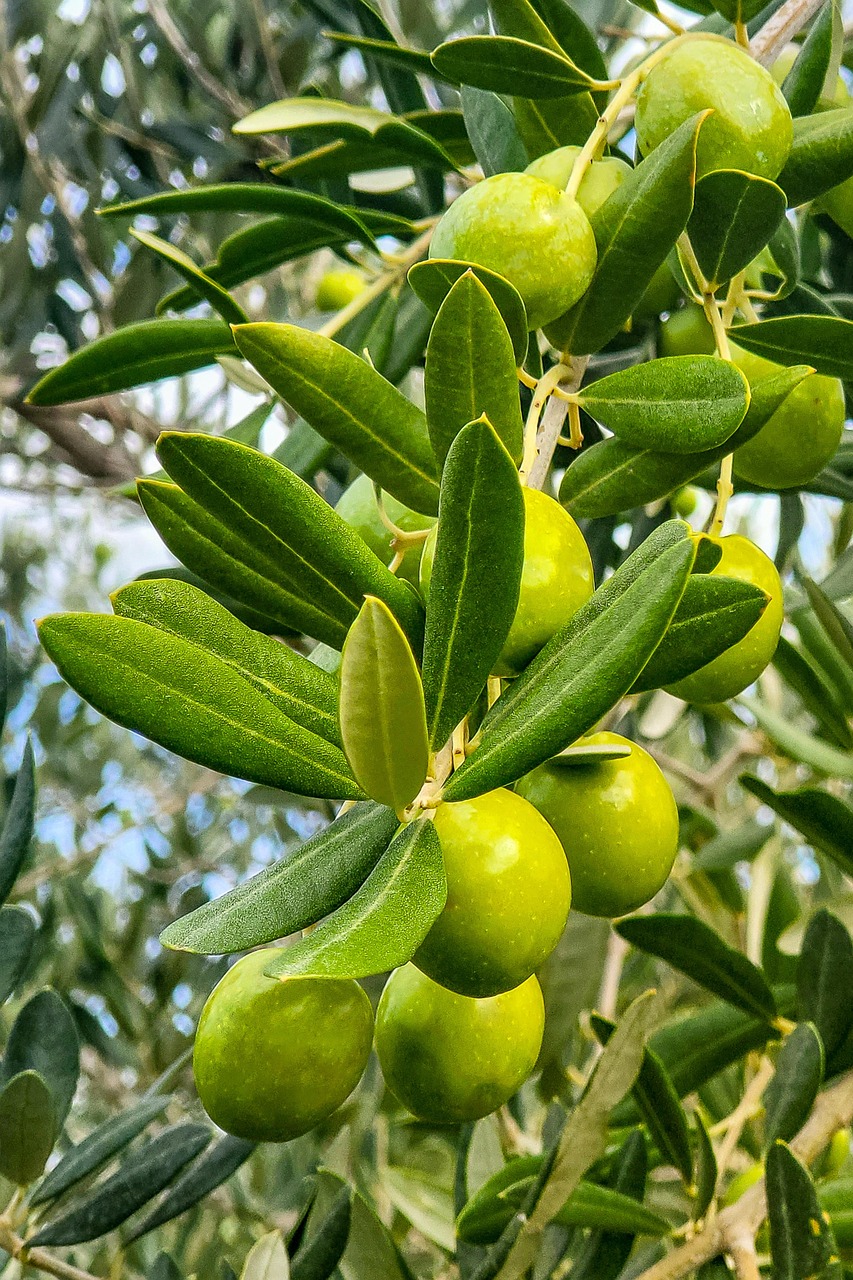
Increased yield and oil quality
The application of seaweed biostimulants in organic olive groves results in a significant increase in yield per tree, both in fruit number and average olive weight. Field studies conducted in Spain and Greece report production increases of 10-15%, accompanied by improved oil quality: higher polyphenol content, oleic acid, and oxidative stability. This is because the bioactive compounds from seaweed activate secondary metabolic pathways, such as the phenylpropanoid pathway, which synthesizes phenolic compounds. Additionally, biostimulants promote more uniform ripening, facilitating harvest and reducing losses.
Improved tolerance to abiotic stress
Organic olive groves in Mediterranean regions are exposed to water, thermal, and saline stress. Seaweed biostimulants contain betaines and proline, osmoprotectants that stabilize proteins and cell membranes during drought. They also induce the synthesis of antioxidant enzymes such as superoxide dismutase and catalase, which neutralize oxidative stress. In field trials, olive trees treated with Ascophyllum nodosum extracts maintained higher leaf water potential and a higher photosynthetic rate under water deficit, compared to untreated trees. This allows production to be maintained even in dry years, a key benefit for organic farming where irrigation use may be restricted.
Stimulation of soil microbiota
The polysaccharides present in seaweed biostimulants, such as alginates and fucoidans, act as prebiotics for the soil microbiota. They promote the growth of beneficial bacteria (Pseudomonas, Bacillus) and mycorrhizal fungi, which improve phosphorus availability and water absorption. In organic olive groves, where chemical fertilization is prohibited, enhancing soil biological activity is essential for maintaining long-term fertility. A study by IFOAM indicates that the application of seaweed extracts increases microbial biomass by 30% and soil enzymatic activity, contributing to the mineralization of organic matter.
Mechanisms of action: phytohormones and bioactive compounds
Natural phytohormones
Seaweed extracts contain auxins (indoleacetic acid), cytokinins (zeatin), and gibberellins (GA3). Auxins promote root growth, improving soil exploration and nutrient uptake. Cytokinins delay leaf senescence, maintaining photosynthetic capacity during fruit filling. Gibberellins stimulate cell division and fruit growth. The combination of these phytohormones in balanced proportions acts synergistically, surpassing the effects of individual applications. For example, in olive groves, application at flowering increases fruit set, while at veraison it improves the final size of the olive.
Bioactive compounds and signaling
In addition to phytohormones, seaweeds provide betaines, polyamines, and oligosaccharides that act as elicitors, activating the plant's defenses against pathogens and stress. Oligosaccharides derived from the seaweed cell wall are recognized by plant receptors, triggering a signaling cascade that induces the expression of genes related to stress tolerance and the synthesis of phenolic compounds. This mechanism is particularly useful in organic olive groves, where phytosanitary options are limited. Research published in ScienceDirect confirms that the application of seaweed extracts reduces the incidence of diseases such as olive leaf spot (Spilocaea oleagina) and olive knot (Pseudomonas savastanoi), by strengthening the plant's natural barriers.
Chelating effect and nutrient mobilization
The alginic and fulvic acids present in the extracts act as natural chelating agents, improving the availability of micronutrients such as iron, zinc, and manganese. In alkaline soils, common in olive-growing areas, these elements are often precipitated and unavailable to the plant. Seaweed biostimulants facilitate their absorption, correcting hidden deficiencies that limit yield. Additionally, they stimulate the activity of the enzymes nitrate reductase and glutamine synthetase, optimizing nitrogen metabolism. This is especially relevant in organic olive groves, where nitrogen sources are organic and slow-release.
Practical application in organic olive groves: doses and phenological stages
Recommended doses
The doses of seaweed biostimulants vary depending on the product and concentration. For liquid products based on Ascophyllum nodosum, 2-3 L/ha per application is recommended for foliar spraying, diluted in 300-400 L of water. For microalgae extracts such as Chlorella, the dose is usually 1-2 L/ha. For root applications, 3-5 L/ha can be used in drip irrigation, distributed over several applications. It is important to follow the manufacturer's instructions and adjust according to crop conditions. In organic olive groves, it is advisable to carry out a prior foliar analysis to identify potential deficiencies and adapt the strategy.
Key phenological stages
The timing of application is critical to maximize benefits. It is recommended to apply in three phases: at the start of vegetative growth (bud break), at full flowering, and during fruit filling (veraison). The first application favors the development of new leaves and shoots, increasing the photosynthetic surface area. The second improves fruit set and reduces fruit drop. The third increases oil accumulation and improves quality. Under stress conditions, additional applications can be made every 15-20 days. It is important to avoid applying during the hours of highest solar radiation to prevent phytotoxicity. Foliar applications should be carried out early in the morning or at dusk.
Compatibility with other organic inputs
Seaweed biostimulants are compatible with most organic fertilizers, bioprotectants, and deficiency correctors. However, it is recommended not to mix them with copper or sulfur products in high concentrations, as they may precipitate or reduce efficacy. Always perform a compatibility test before mixing in the tank. In organic olive groves, it is common to combine seaweed biostimulants with fulvic acids and micronutrients to enhance their effect. Integration into a balanced fertilization program, such as that offered by Ecoganic, ensures optimal results.
Field results: increased yield and oil quality
Studies in Spain and Greece
Field trials conducted in organic olive groves in Jaén and Córdoba over three seasons (2023-2025) showed that the application of Ascophyllum nodosum extracts (3 L/ha at three timings) increased average yield by 12.5% compared to the untreated control. Olive weight increased by 8% and oil content per fruit by 6%. Additionally, the oil presented 15% more total polyphenols and greater oxidative stability. In Greece, a similar study in the Kalamata region reported yield increases of 14% and an improved fatty acid profile, with a higher proportion of oleic acid. These results demonstrate that seaweed biostimulants are an effective tool for improving productivity and quality in organic olive groves.
Impact on farmer profitability
The increase in yield and quality improvement translate into higher income per hectare. Considering an average market price for organic olive oil, a 12% production increase (from 2000 to 2240 kg/ha) represents significant additional revenue. The cost of treatment with seaweed biostimulants is approximately €150-200/ha per season, resulting in a very favorable return on investment. Furthermore, the quality improvement allows access to premium markets and certifications that value high-end organic products. For the organic farmer, this is a profitable and sustainable strategy.
Related articles
Need professional help?
At Ecoganic in Spain, Europe, we offer certified Biostimulants and Organic Fertilizers. Call us: +34 623 753 719.
FAQ
Are seaweed biostimulants allowed in organic agriculture?
Yes, seaweed biostimulants are permitted in organic agriculture under Regulation (EU) 2018/848. Seaweed extracts are considered inputs of natural origin and do not contain prohibited synthetic substances. It is important to verify that the product has organic certification, such as the Ecoganic seal, which complies with European regulations. Their use is recommended to improve nutrition and stress tolerance without compromising certification.
When is the best time to apply seaweed biostimulants in olive groves?
The best time is during key phenological stages: budding (start of growth), flowering (to improve fruit set), and veraison (to increase oil content). Under water stress conditions, additional applications can be made every 15-20 days. It is advisable to apply early in the morning or at dusk to avoid evaporation and phytotoxicity. The frequency and dosage should be adjusted according to crop conditions and the manufacturer's recommendations.
What is the difference between a seaweed biostimulant and an organic fertilizer?
Organic fertilizers provide nutrients directly to the plant, while seaweed biostimulants act as enhancers of physiological processes, improving nutrient uptake and efficiency. They do not replace fertilization but complement it. Biostimulants contain phytohormones, amino acids, and other bioactive compounds that stimulate growth, stress tolerance, and fruit quality. Their combined use with organic fertilizers optimizes olive grove production and health.
Can I apply seaweed biostimulants together with other organic products?
Yes, they are generally compatible with organic fertilizers, fulvic acids, micronutrients, and bioprotectants. However, it is recommended not to mix them with high concentrations of copper or sulfur, as this may reduce their effectiveness. Always perform a compatibility test before mixing in the tank. Integration into a comprehensive management program, such as the one offered by Ecoganic, ensures maximum efficiency and avoids negative interactions.
How long does it take to see results after application?
Effects on vegetative growth can be observed within 7-14 days, with greener leaves and more vigorous shoots. Regarding production, results are visible at harvest: a greater number of fruits, better size, and oil content. Improvement in oil quality, such as increased polyphenols, is detected in post-harvest analysis. Benefits for stress tolerance become evident during episodes of drought or high temperatures, keeping the plant more active.
Strategic Application of Seaweed Extracts in Organic Olive Groves: Protocols and Quantified Results
The implementation of biostimulants derived from seaweed (mainly Ascophyllum nodosum and Ecklonia maxima) in organic olive groves requires a precise technical approach to maximize the cost-benefit ratio. Field studies conducted over three growing seasons in the province of Jaén demonstrated that foliar application of A. nodosum extract at 0.5% (v/v) during the phenological stages of "bud swelling" (BBCH 51) and "fruit set" (BBCH 71) increased average production by 18.7% compared to the untreated control. This increase was not only due to a higher number of fruits per tree, but also to a more uniform size, reducing the percentage of small olives (less than 2 grams) by 22.3%. The concentration of phytohormones such as cytokinins and abscisic acid in these extracts stimulates cell division in the fruit and improves fruit retention, a critical factor in varieties like 'Picual' and 'Hojiblanca', which are prone to physiological drop under water stress conditions.
The timing of application is decisive for the efficiency of the biostimulant. Data from the Institute of Agricultural and Fisheries Research and Training (IFAPA) indicate that a third application post-harvest (October-November in the Northern Hemisphere) with a dose of 3 liters per hectare of E. maxima extract (rich in polysaccharides such as laminarin and fucoidan) increases carbohydrate reserve accumulation in the root by up to 14.5%. This translates into more vigorous budding the following spring and greater uniformity in flowering. The practical recommendation is to split the total annual dose (between 6 and 8 L/ha) into three timings: pre-flowering (40%), fruit set (30%), and post-harvest (30%). It is crucial to avoid applications during full flowering to not interfere with pollination, although seaweed extracts are not phytotoxic to bees at the recommended doses, according to European organic regulations (EU Regulation 2018/848).
The biostimulant effect is significantly enhanced when combined with soil management practices. Trials in organic olive groves with leguminous cover crops (vetch or clover) showed that algae application increased water use efficiency (WUE) by 12.8%, measured as kg of olives per mm of available water. This is because the osmoprotective compounds (glycine betaine and proline) present in algae improve stomatal regulation, reducing transpiration without compromising net photosynthesis. In soils with low organic matter content (below 1.5%), the combination of algae with mature compost (5 t/ha every two years) increased soil microbial activity (measured as basal respiration) by 34%, facilitating the mineralization of nutrients such as potassium and phosphorus, key elements for oil quality. The recommendation is to conduct a prior soil analysis to adjust the algae dosage; in soils with a pH above 8.2 or high salinity, extracts with low sodium content (below 2% dry weight) should be chosen.
From an economic return perspective, the cost analysis for a 50-hectare rainfed organic olive farm shows an increase in variable costs of €45-60/ha for the three algae biostimulant applications (including labor and product). However, the average production increase of 15-20% (equivalent to 300-400 kg of olives/ha in an average season of 2,000 kg/ha) generates significant additional gross income, considering the average market price of organic olives. The benefit/cost ratio ranges between 7.5 and 10, making this practice one of the most profitable within organic management. To optimize the investment, it is recommended to conduct a compatibility test on a small batch of trees (10-20) 48 hours before the general application, especially if mixing with other products such as micronized sulfur or propolis extracts, common in organic protection. The mixture with correct
Frequently Asked Questions
Are algae biostimulants allowed in organic agriculture?
Yes, algae biostimulants are allowed in organic agriculture according to Regulation (EU) 2018/848. Algae extracts are considered inputs of natural origin and do not contain prohibited synthetic substances. It is important to verify that the product has organic certification, such as the Ecoganic seal, which complies with European regulations. Their use is recommended to improve nutrition and stress tolerance without compromising certification.
When is the best time to apply algae biostimulants in olive groves?
The best time is during key phenological stages: budding (start of growth), flowering (to improve fruit set), and veraison (to increase oil content). Under water stress conditions, additional applications can be made every 15-20 days. It is advisable to apply early in the morning or at dusk to avoid evaporation and phytotoxicity. Frequency and dosage should be adjusted according to crop conditions and manufacturer recommendations.
What is the difference between a seaweed biostimulant and an organic fertilizer?
Organic fertilizers provide nutrients directly to the plant, while seaweed biostimulants act as enhancers of physiological processes, improving nutrient uptake and efficiency. They do not replace fertilization but complement it. Biostimulants contain phytohormones, amino acids, and other bioactive compounds that stimulate growth, stress tolerance, and fruit quality. Their combined use with organic fertilizers optimizes olive grove production and health.
Can I apply seaweed biostimulants together with other organic products?
Yes, they are generally compatible with organic fertilizers, fulvic acids, micronutrients, and bioprotectants. However, it is recommended not to mix them with high concentrations of copper or sulfur, as this may reduce their effectiveness. Always perform a compatibility test before mixing in the tank. Integration into a comprehensive management program, such as the one offered by Ecoganic, ensures maximum efficiency and avoids negative interactions.
How long does it take to see results after application?
Effects on vegetative growth can be observed within 7-14 days, with greener leaves and more vigorous shoots. Regarding production, results are visible at harvest: a greater number of fruits, better size, and oil content. Improvement in oil quality, such as increased polyphenols, is detected in post-harvest analysis. Benefits for stress tolerance become evident during episodes of drought or high temperatures, keeping the plant more active.