

Introduction
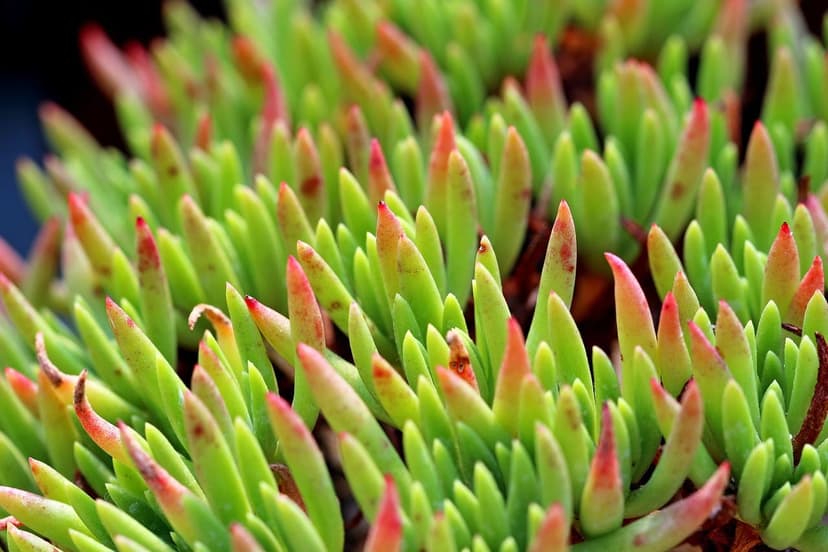
Tomato quality is fundamental not only for consumer satisfaction, but also for growers' profitability. In this context, biostimulants emerge as an innovative solution that improves the productivity and quality of this crop. In this article, we will explore how biostimulants positively affect tomato quality, optimising its production and contributing to more sustainable agricultural practices. For more information visit Ecoganic and about biostimulants in vegetables, as well as biostimulants for tomato. It is also important to consider nitrogen fertilization in tomato and biostimulants.
What are biostimulants?
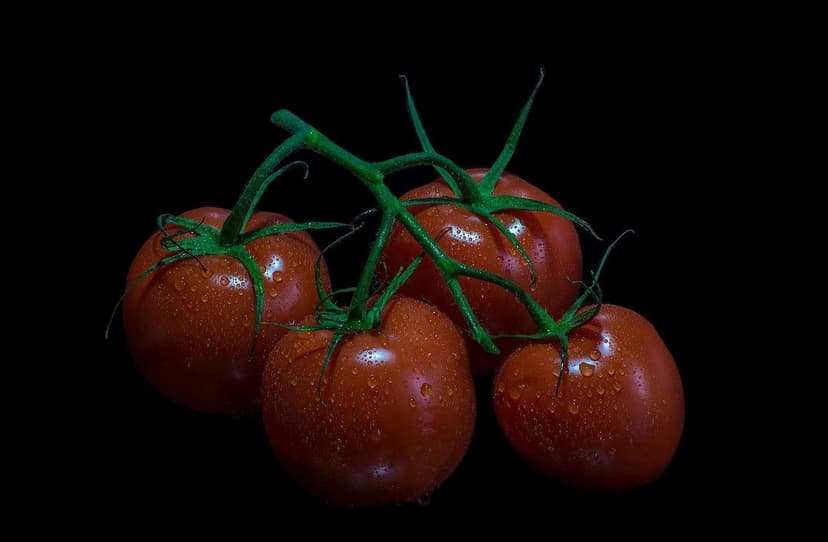
Biostimulants are products that, through their application, promote biological processes in plants, improving nutrient uptake and increasing tolerance to abiotic stress. These products may be based on microorganisms, plant extracts or bioactive compounds, and their efficacy depends on the dose, the timing of application, the phenological stage of the crop and soil and climate conditions.
Types of biostimulants
- Beneficial microorganisms: They include bacteria and fungi that favour root growth and improve nutrient uptake. For example, Rhizobium and Mycorrhizae are known for their ability to form symbioses with roots, increasing the availability of nitrogen and phosphorus, respectively. In addition, certain microorganisms such as Pseudomonas fluorescens promote plant growth by synthesising phytohormones and improving nutrient availability in the soil, although their effect depends on the strain, the dose and soil conditions.
- Plant extracts: They provide hormones and nutrients that stimulate growth and resistance to diseases. These extracts are particularly useful for improving germination and early seedling growth.
- Bioactive compounds: Substances that regulate physiological processes in plants. Humic and fulvic acids, for example, improve soil structure and water retention, which results in more robust plant growth. Their effect on nutrient availability depends on the dose, the type of soil and its organic matter content. In addition, amino acids derived from plant sources also act as biostimulants by promoting protein synthesis and improving plant metabolism.
Impact of biostimulants on tomato quality
Biostimulants can have a significant impact on several aspects of tomato quality, including flavour, texture and shelf life. Their application can promote greater fruit firmness and a better flavour profile, key aspects for the market, depending on the timing of application and the nutritional status of the crop.
Effects on flavour and texture
The application of biostimulants improves the synthesis of phenolic compounds and sugars, which are crucial for flavour development. This not only improves the quality of the final product, but can also increase demand in selective markets. It has been observed that the use of biostimulants can increase pectin accumulation, which contributes to better texture and resistance to bruising during transport.
Biochemical mechanisms involved
Biostimulants act at the cellular level, activating metabolic pathways that favour fruit growth and quality. For example, phenolic compounds, which are responsible for colouration and flavour, are synthesised in greater quantities in the presence of biostimulants. These compounds not only improve flavour, but also have antioxidant properties that benefit consumer health. In addition, biostimulants can modulate the expression of genes related to the synthesis of flavour compounds, resulting in a more attractive sensory profile.
Improved stress resistance
Biostimulants help plants to tolerate adverse conditions better, such as drought or soils poor in nutrients. This translates into tomatoes that are not only of higher quality, but also have a better capacity to survive under difficult growing conditions. In addition, the application of biostimulants can activate the synthesis of proteins related to stress tolerance, such as molecular chaperones, which help plants to adapt to adverse conditions. The regulation of these proteins can lead to an increase in the production of antioxidants, which also improves the shelf life of the fruit.
Interaction with the soil microbiome
Biostimulants also encourage microbial activity in the soil, resulting in a more diverse and healthy microbiome. This microbial diversity is crucial for soil health, as it improves nutrient availability and soil structure.
Ecoganic products for this topic
PHOSMAX 20
Phosphorus pentoxide (P₂O₅)
18,9 % p/p (measured)
Chloride: < 0,05 % (measured)
View technical sheet →CALCIUM 40
Calcium oxide (CaO)
34,0 % p/p (measured)
Chloride: < 0,05 % (measured)
View technical sheet →PK-FLOW 20
Phosphorus pentoxide (P₂O₅)
14,44 % p/p — 20,1 % p/v (measured)
Chloride: 2,74 % (measured)
View technical sheet →Each datasheet publishes its guaranteed composition and, where available, the value measured at an accredited laboratory.
Related resources


