

Biostimulants for post-stress recovery in tomato: technical guide 2026. Learn how to apply biostimulants and improve the resilience of your crop. Request.
What are biostimulants and how do they act in tomato?
Biostimulants for post-stress recovery in tomato are products of natural origin that, when applied to the crop, improve tolerance to adverse conditions and accelerate physiological recovery. Unlike conventional fertilizers, they do not provide nutrients directly, but rather stimulate plant metabolic processes, such as hormone synthesis, antioxidant activity, and nutrient uptake. In tomato (Solanum lycopersicum), a crop highly sensitive to stress, these products have become a key tool for maintaining fruit production and quality under suboptimal conditions.
The concept of biostimulation is based on the ability of certain bioactive compounds —such as amino acids, peptides, polysaccharides, phytohormones, and beneficial microorganisms— to activate specific metabolic pathways. For example, seaweed extracts contain cytokinins and betaines that promote cell division and osmotic regulation. These compounds act as signals that the plant recognizes and responds to, improving its water and nutrient use efficiency, even under stress.
In the context of sustainable agriculture, biostimulants offer a viable alternative for reducing the use of chemical inputs and increasing crop resilience. According to FAO, agroecology and integrated stress management are fundamental to future food security. Biostimulants align with these principles, as they promote natural processes and reduce the environmental footprint.
For tomato, the benefits are multiple: improved flower set, larger fruit size, increased Brix degrees, and longer shelf life. However, their effectiveness depends on the correct selection of the product, the dosage, and the timing of application. In this article, we explore in depth how biostimulants can help tomato recover after stress episodes, based on scientific evidence and field experience.
Abiotic stress in tomato: impact and symptoms
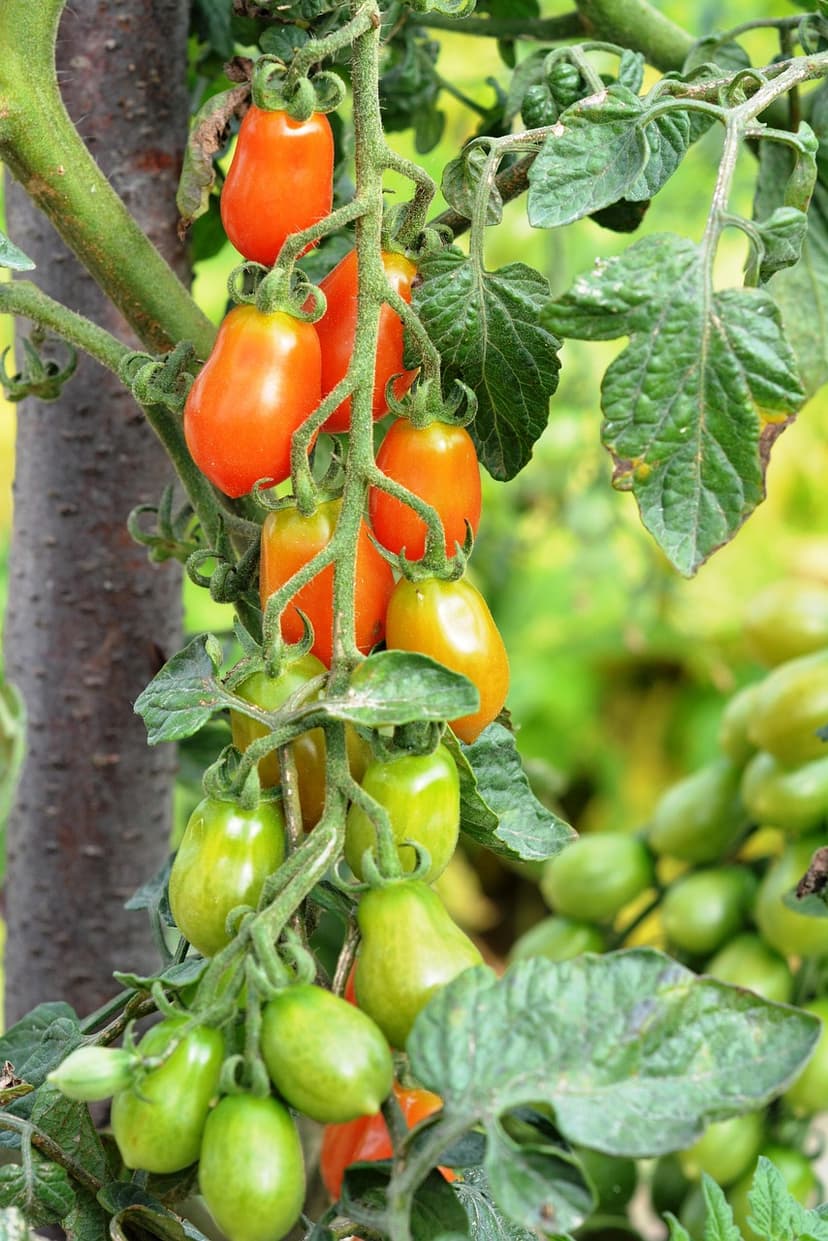
Tomato is native to tropical and subtropical regions, making it particularly sensitive to fluctuations in temperature, water availability, and salinity. Abiotic stress —which includes heat, drought, salinity, waterlogging, and excessive radiation— causes physiological alterations that reduce yield and quality. Under thermal stress conditions, for example, photosynthesis decreases, respiration increases, and there is an accumulation of reactive oxygen species (ROS), which damage cell membranes and DNA.
Visible symptoms of stress in tomato include wilting, leaf curling, marginal necrosis, flower and fruit drop, and reduced fruit set. In severe cases, the plant may undergo premature senescence. Additionally, stress affects nutrient uptake, especially calcium and potassium, which aggravates problems such as blossom-end rot.
The plant's response to stress is complex and involves the production of hormones such as abscisic acid (ABA), which closes stomata to reduce water loss, and the accumulation of osmolytes such as proline and glycine betaine. However, these mechanisms consume energy that the plant could allocate to growth and fruit development. This is where biostimulants play a crucial role: by activating defense pathways and improving metabolic efficiency, they reduce the energy cost of stress and enable faster recovery.
Water stress and drought
Water scarcity is one of the most limiting factors in tomato production, especially in arid and semi-arid regions of Latin America. Water deficit reduces cell turgor, closing stomata and limiting photosynthesis. Biostimulants with fulvic acids and seaweed extracts can improve water retention in the soil and the plant's water use efficiency, increasing drought resistance.
Thermal stress (high and low temperatures)
Extreme temperatures affect pollen germination, flower viability, and fruit set. Tomato is particularly sensitive to temperatures above 32°C during flowering. Biostimulants containing amino acids such as proline and glycine betaine act as osmoprotectants, stabilizing proteins and membranes under thermal stress.
Soil and irrigation water salinity
Salinity is a growing problem in many production areas. Excess salts in the soil solution reduce the osmotic potential, hindering water and nutrient uptake. Biostimulants with microalgae, such as Scenedesmus, have shown the ability to induce the synthesis of antioxidant compounds and improve the exclusion of toxic ions, such as sodium, in the roots.
Mechanisms of action of biostimulants in recovery
Biostimulants act through multiple mechanisms that complement each other to restore plant homeostasis after stress. One of the main ones is the activation of the antioxidant system. Enzymes such as superoxide dismutase (SOD), catalase (CAT), and peroxidase (POD) are responsible for neutralizing ROS. Many biostimulants, especially those derived from algae, contain phenolic compounds and flavonoids that reinforce this defense.
Another key mechanism is hormonal regulation. Biostimulants can influence the levels of auxins, gibberellins, cytokinins, and brassinosteroids, promoting root and shoot growth, as well as fruit set. For example, cytokinins present in seaweed extracts stimulate cell division and delay senescence, which is crucial for post-stress recovery.
Furthermore, biostimulants improve nutrient uptake and assimilation. By increasing the activity of enzymes involved in nitrogen metabolism, such as nitrate reductase, they facilitate the synthesis of proteins and amino acids. They can also improve the availability of phosphorus and micronutrients in the rhizosphere, especially when they contain phosphate-solubilizing microorganisms.
Finally, some biostimulants induce the expression of defense genes, preparing the plant for future stress episodes. This phenomenon, known as "priming," enables a faster and more efficient response when stress recurs, which is especially valuable in long-cycle crops such as tomato.
Specific biostimulants for tomato: seaweeds, amino acids, and more
There are various types of biostimulants used in tomato, each with particular mechanisms. Seaweed extracts (such as Ascophyllum nodosum) are rich in polysaccharides, betaines, and natural hormones. They are especially effective at improving tolerance to water and saline stress, as well as stimulating root growth. Freshwater microalgae, such as Chlorella and Scenedesmus, are gaining popularity due to their high content of proteins, vitamins, and antioxidants.
Free amino acids and peptides are another important group. They act as chelating agents for micronutrients, facilitating their uptake, and as precursors of phytohormones. Proline, for example, accumulates under stress conditions and acts as an osmoprotectant. Amino acid-based products are rapidly assimilated by leaves and can provide quick recovery after acute damage.
Fulvic acids and humic acids improve soil structure, increase cation exchange capacity, and stimulate beneficial microbial activity. Applied to the soil, they promote root development and nutrient uptake, which is essential for recovery after root stress.
Finally, beneficial microorganisms, such as Bacillus and Trichoderma, colonize the rhizosphere and produce substances that promote growth and protect against pathogens. They can also induce systemic resistance, helping the plant cope with biotic and abiotic stress.
Seaweed extracts: the power of polysaccharides
The sulfated polysaccharides present in seaweeds, such as fucoidan, have been shown in scientific studies to activate plant defenses. A trial published in the Journal of Applied Phycology showed that foliar application of Ascophyllum nodosum extract on tomato increased the activity of antioxidant enzymes and reduced the incidence of blossom end rot under saline stress.
Amino acids and peptides: rapid recovery
Amino acids such as glycine, glutamic acid, and proline are key components in protein synthesis and osmotic regulation. Their exogenous application can rapidly replenish plant reserves and facilitate the repair of damaged tissues. Under heat stress conditions, amino acid application has been shown to improve pollen viability and fruit set.
Application strategies: doses, timing, and routes
The efficacy of biostimulants largely depends on a proper application strategy. In tomato, it is recommended to integrate biostimulants into a management program that considers crop phenology and critical stress periods. The application route can be foliar or root-based, depending on the product and the objective.
For post-stress recovery, foliar application is the fastest and most effective, as bioactive compounds are absorbed directly through the leaves. Application is recommended during the early morning hours or at dusk, avoiding peak radiation times. The typical dose of seaweed extracts ranges between 1 and 3 L/ha, while amino acids are applied at a rate of 1-2 kg/ha. It is important to follow manufacturer recommendations and adjust according to stress severity.
Root application, on the other hand, is useful for improving the root system and long-term nutrient uptake. It can be carried out through drip irrigation, using fulvic acids or beneficial microorganisms. The dose of fulvic acids is usually 5-10 L/ha, applied at 2-3 times during the cycle.
Regarding application timing, it is crucial to anticipate stress whenever possible. For example, before a heat wave, a biostimulant with osmoprotectants can be applied to prepare the plant. After stress, application should be done as soon as possible to accelerate recovery. In tomato, the critical periods are flowering and fruit set, as well as periods of high evaporative demand.
Recommended doses by biostimulant type
| Type | Route | Dose | Frequency |
|---|---|---|---|
| Seaweed extract | Foliar | 1-3 L/ha | Every 10-15 days |
| Amino acids | Foliar | 1-2 kg/ha | After stress |
| Fulvic acids | Root | 5-10 L/ha | 2-3 times/cycle |
| Microorganisms | Root | 2-5 L/ha | Monthly |
Field results and scientific evidence
Agronomic research supports the use of biostimulants in tomato. A study from Chapingo University (Mexico) evaluated the effect of an algae-based biostimulant on tomato under water stress and found an 18% increase in yield and an improvement in fruit quality, measured by Brix degrees and firmness. Another trial conducted by the National Institute for Agricultural Research (INIA) in Chile demonstrated that the application of amino acids after heat stress reduced flower drop by 25%.
In practice, tomato growers in regions such as Sinaloa (Mexico) and the Valle del Cauca (Colombia) have incorporated biostimulants into their management programs. For example, in Sinaloa, in the face of frequent heat waves, a mixture of algae extract and amino acids is applied during flowering, successfully maintaining fruit set and fruit size. In Colombia, greenhouse tomato crops use beneficial microorganisms in irrigation to improve tolerance to diseases and water stress.
The evidence indicates that biostimulants not only aid in recovery, but can also prevent damage if applied before stress. However, it is essential to choose quality products with scientific backing. In this regard, Ecoganic offers a range of biostimulants developed with advanced technology and validated in field trials. For more information, you can consult our field trials and results.
Related articles
Need professional help?
At Ecoganic in Spain, Europe, we offer certified Biostimulants and Organic Fertilizers. Call us: +34 623 753 719.
Frequently asked questions
What is a biostimulant and how does it help tomato?
A biostimulant is a product containing substances or microorganisms that, when applied to plants, stimulate natural processes to improve nutrient uptake, stress tolerance, and crop quality. In tomatoes, they help overcome adverse conditions such as drought, heat, or salinity, improving yield and fruit quality.
When should I apply biostimulants to tomatoes?
It is recommended to apply biostimulants at critical stages such as flowering, fruit set, and during periods of stress. It is also useful to apply them preventively before forecast adverse conditions, such as heatwaves or frosts. After a stress event, they should be applied as soon as possible to speed up recovery.
What is the recommended dosage?
The dosage varies depending on the type of biostimulant. For example, seaweed extracts are applied at 1-3 L/ha via foliar application, while amino acids are used at 1-2 kg/ha. Fulvic acids are applied to the soil at 5-10 L/ha. Always follow the manufacturer's instructions and adjust according to the severity of stress and crop conditions.
Are biostimulants compatible with organic farming?
Yes, most biostimulants are suitable for organic farming, as they come from natural sources such as seaweed, plants, or microorganisms. However, it is important to verify that the product is certified according to your country's organic regulations. Ecoganic holds organic certifications that ensure the compatibility of its products.
If you would like more information on how to implement a biostimulation program for your tomato crop, feel free to contact us. Discover our fertilization program for organic tomatoes and request your free quote.
Frequently Asked Questions
What is a biostimulant and how does it help tomatoes?
A biostimulant is a product containing substances or microorganisms that, when applied to plants, stimulate natural processes to improve nutrient uptake, stress tolerance, and crop quality. In tomatoes, they help overcome adverse conditions such as drought, heat, or salinity, improving yield and fruit quality.
When should I apply biostimulants to tomatoes?
It is recommended to apply biostimulants at critical stages such as flowering, fruit set, and during periods of stress. It is also useful to apply them preventively before forecast adverse conditions, such as heatwaves or frosts. After a stress event, they should be applied as soon as possible to speed up recovery.
What is the recommended dosage?
The dosage varies depending on the type of biostimulant. For example, seaweed extracts are applied at 1-3 L/ha foliarly, while amino acids are used at 1-2 kg/ha. Fulvic acids are applied to the soil at 5-10 L/ha. Always follow the manufacturer's instructions and adjust according to the severity of stress and crop conditions.
Are biostimulants compatible with organic farming?
Yes, most biostimulants are suitable for organic farming, as they come from natural sources such as seaweed, plants, or microorganisms. However, it is important to verify that the product is certified according to the organic regulations in your country. Ecoganic holds organic certifications that ensure the compatibility of its products.