Biostimulants in citrus: the key to export quality
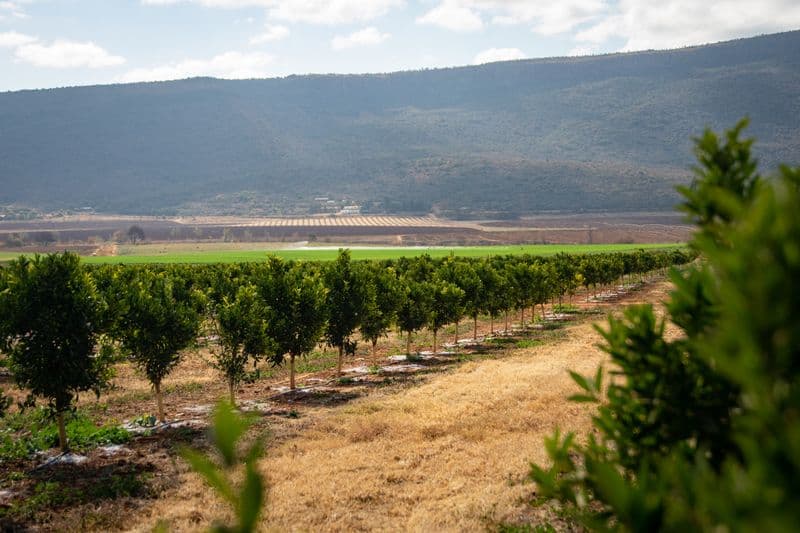
Biostimulants in citrus have become an essential tool for growers seeking to meet the quality standards demanded by international markets. In a context where the export of oranges, lemons, mandarins and grapefruits requires fruit with a high soluble solids content (Brix), firmness, uniform calibre and a long shelf life, biostimulation offers a sustainable route to optimising these parameters without relying exclusively on conventional inputs.
Export quality is measured not only by the external appearance of the fruit, but also by internal attributes such as juice content, acidity, vitamin C concentration and resistance to transport and storage. In this article, we will explore how biostimulants can positively influence these aspects, based on agronomic evidence and field experience, and we will offer practical recommendations for growers in Latin America who export to Europe and other demanding destinations.
How do biostimulants act on citrus physiology?
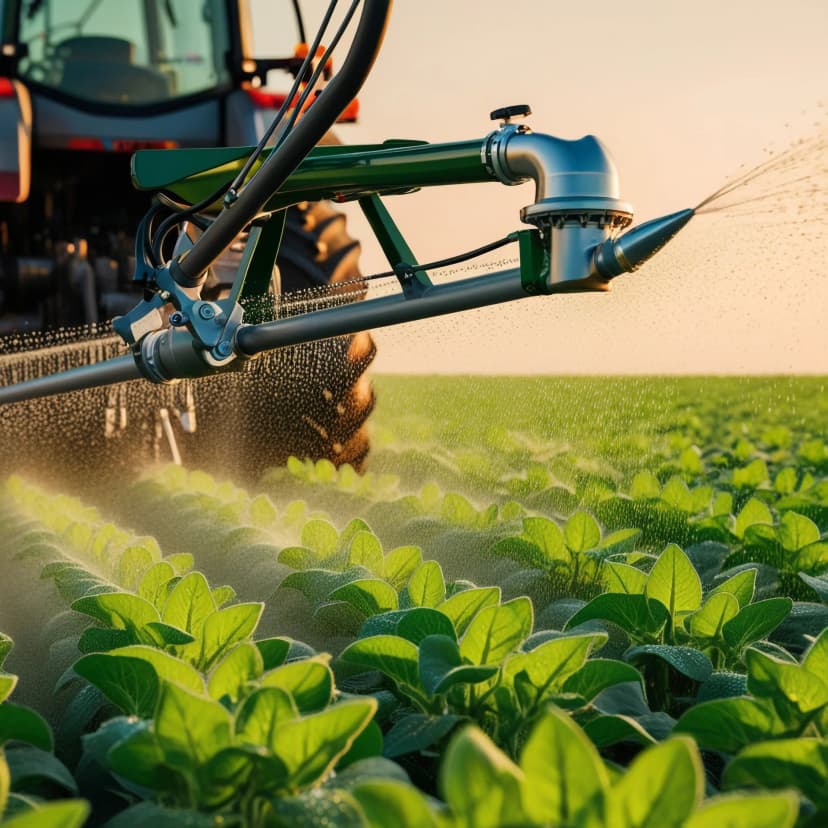
Biostimulants are products that, when applied to plants, improve physiological processes such as germination, root growth, nutrient uptake, stress tolerance and harvest quality. In citrus, their action focuses on hormonal regulation, the activation of antioxidant enzymes and the improvement of photosynthesis, which translates into better carbon assimilation and greater production of photoassimilates that are directed to fruit development.
Among the best-documented mechanisms is the stimulation of nitrate reductase enzyme activity, which favours nitrogen assimilation and, consequently, a better nutritional status of the plant. Biostimulants have also been observed to promote the development of more vigorous roots, increasing the absorption surface and the efficiency of water and mineral uptake. This effect is particularly relevant in soils with fertility limitations or under water stress conditions, where the capacity to explore the soil is crucial.
In addition, biostimulants induce the synthesis of osmoprotectant compounds such as proline and glycine betaine, which help maintain cell turgor and membrane integrity during periods of drought or extreme temperatures. In citrus, this protection is reflected in less fruit abscission and better preservation of post-harvest quality.
A key aspect is the interaction with beneficial soil microorganisms. Biostimulants can act as prebiotics, stimulating the activity of bacteria and fungi that improve nutrient availability and soil health. This synergy is fundamental in organic production systems, where fertility is based on the biological activity of the soil.
Pre-flowering and fruit set
The application of biostimulants in the pre-flowering phase aims to improve flowering uniformity and increase fruit set. At this stage, products with amino acids and seaweed extracts can stimulate cell division and flower bud formation, which translates into a greater number of fruits per tree. However, it is important to adjust the doses to avoid an excessive crop load that could affect the final calibre.
During fruit set, biostimulants help reduce the physiological drop of young fruits, favouring the retention of those that will reach an adequate size.
Fruit filling and pre-harvest
In the filling phase, biostimulants contribute to the accumulation of sugars and soluble solids, improving Brix and organoleptic quality. Foliar application of products rich in potassium and amino acids can favour the transport of photosynthates to the fruit, increasing juice content and firmness. At this stage, an improvement in vitamin C concentration has also been observed, an attribute highly valued in export markets.
At pre-harvest, biostimulants contribute to maintaining fruit quality until harvest. Applications made a few days before harvest can favour firmness and reduce weight loss during storage, as well as improve the fruit's response to cold in the cold room, depending on the nutritional status of the plant and the growing conditions. This is especially relevant for citrus exported to distant markets, such as those of Europe and Asia.
Table of phenological stages and indicative doses
| Phenophase | Suggested product | Dose (L/ha) | Application route | Main objective |
|---|---|---|---|---|
| Pre-flowering | Seaweed extract + amino acids | 2-3 | Foliar | Flowering uniformity and fruit set |
| Fruit set | Microalgae-based biostimulant | 3-4 | Foliar | Fruit retention and increased calibre |
| Fruit filling | Products with potassium and magnesium | 3-5 | Foliar or root | Increase in Brix and juice content |
| Pre-harvest | Biostimulant with fulvic acids | 2-3 | Foliar | Improved firmness and shelf life |
It is essential to adjust doses and application timings according to the specific conditions of each orchard, variety and climate. Nutritional monitoring through foliar and soil analysis is recommended to optimise biostimulation programmes.
Agronomic results in export fruit quality
Various studies and field trials have evaluated the impact of biostimulants on citrus quality. One of the most cited works in the sector, published by Tecnología Hortícola, reported that a combined protocol of biostimulants in citrus achieved significant increases in total soluble solids (TSS) and in vitamin C, with a reduction in acidity. In addition, improvements were observed in firmness, juice percentage and fruit size parameters, which is highly beneficial for export.
These nutrients are essential for the synthesis of compounds that determine fruit quality, such as sugars, organic acids and pigments.
In post-harvest, pre-harvest applications of biostimulants have been associated with lower weight loss, greater firmness and less chilling injury, which favours the shelf life of the fruit during transport and storage. This is crucial for exporters who need the fruit to arrive in perfect condition at distant markets.
The crop's response to biostimulants is variable: the improvement in quality depends on the dose, the timing of application, the previous nutritional status and the conditions of each orchard, so it is advisable to adjust the programmes to each plot and to verify the results in the field.
Biostimulants and water stress management in citrus
Water stress is one of the main factors limiting the productivity and quality of citrus in regions with water scarcity or drought events that are increasingly frequent due to climate change. Biostimulants can play a key role in mitigating the negative effects of water deficit, improving water use efficiency and the plant's tolerance to stress.
Mechanisms such as stomatal regulation, the accumulation of osmolytes and the activation of antioxidant systems allow plants to keep their metabolism active even with less water available. In citrus, it has been observed that the application of biostimulants based on microalgae can increase stomatal conductance and the photosynthetic rate during drought periods, which translates into greater biomass accumulation and better fruit quality.
In exporting regions of Latin America, the use of biostimulants is aligning with water efficiency and climate adaptation strategies. For example, in Peru and Chile, where water is a critical resource, growers are incorporating biostimulants into their regulated deficit irrigation programmes to maintain quality without sacrificing yield.
A study mentioned in the Ecoganic article on water stress management in export citrus showed that the use of biostimulants under moderate water stress conditions made it possible to keep Brix and acidity levels within export standards, while in the treatment without biostimulants a significant decrease in quality was observed.
For growers, this means that biostimulants are not only a complement to improve quality, but a strategic tool to ensure profitability in adverse climatic scenarios.
Regulatory considerations for exporting to the EU
For citrus growers exporting to the European Union, it is essential to consider the regulatory framework applicable to biostimulants. In the EU, plant biostimulants are regulated as a category of fertilising products under Regulation (EU) 2019/1009. This regulation sets out the efficacy, safety and labelling requirements that these products must meet in order to be placed on the European market.
It is important to note that, in the case of organic production, the use of biostimulants must also comply with the requirements of Regulation (EU) 2021/1165, which lays down the conditions for the use of plant protection products and fertilizers in organic farming. Some biostimulants may be used in organic production if their ingredients are of natural origin and they do not contain prohibited substances.
Therefore, when selecting biostimulants for export citrus, it is crucial to verify that the product has an appropriate regulatory fit and that traceability documentation is available. This not only guarantees legal compliance, but also builds confidence among European buyers, who are increasingly demanding when it comes to sustainability and food safety.
In Latin America, growers must keep abreast of local regulations and the requirements of destination markets. Organic certification, such as NOP USDA or the European seal, can be an important differentiator in the international market.
Related articles
- Foliar fertilization with microalgae in organic citrus
- Smart Fertilizer: Maximise Uptake in Crops
- Organic amendments for water retention in palm
Do you need professional help?
At Ecoganic in Spain, Europe, we offer certified organic Biostimulants and Fertilizers. Call us: +34 623 753 719.
Request your free quote
What are biostimulants and how do they benefit citrus?
Biostimulants are products containing natural substances or microorganisms that, when applied to plants, improve physiological processes such as nutrient uptake, stress tolerance and harvest quality. In citrus, they can increase Brix, firmness, calibre and the shelf life of the fruit, which is essential for export.
At what point in the crop cycle should they be applied?
The key timings are pre-flowering, fruit set, fruit filling and pre-harvest. Each stage has specific objectives: improving flowering, retaining fruit, increasing sugars and maintaining post-harvest quality. Doses and products vary according to the phenological stage.
Are biostimulants compatible with organic farming?
Yes, provided that the products are certified for organic use and comply with local and international regulations. In the EU, they must comply with Regulation (EU) 2019/1009 and, for organic production, with Regulation (EU) 2021/1165.
What results can be expected in export quality?
However, results may vary depending on the product, the dose and the conditions of the orchard.
Conclusion
Biostimulants in citrus represent a valuable tool for growers seeking to improve the export quality of their fruit. Their ability to influence key physiological processes, improve nutrient uptake and mitigate abiotic stress makes them strategic allies in an increasingly competitive and demanding market.
Agronomic evidence supports their use at specific phenological timings, with improvements in Brix, firmness, calibre and shelf life. In addition, their role in managing water stress positions them as a solution in the face of climate change. However, it is essential to select products with scientific backing, adjust doses to local conditions and comply with the regulations of destination markets.
For Latin American growers exporting to Europe and other destinations, incorporating biostimulants into their nutrition programmes can make the difference between a standard fruit and a premium fruit. We invite you to request your free quote to obtain personalised advice on how to integrate biostimulants into your export citrus production programme.
Related articles
- Organic agricultural biostimulants
- Certified organic fertilizers