Introduction
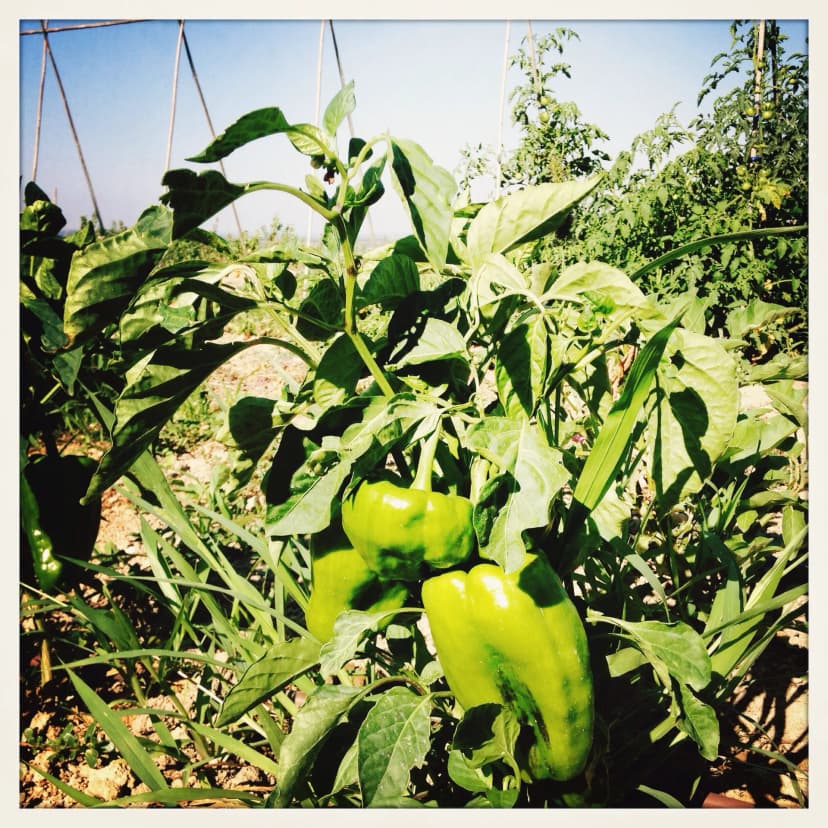
Pepper salinisation is one of the most limiting problems in many producing regions of Latin America and the world, especially in areas with intensive irrigation, heavy soils or poor-quality water. When the salt concentration in the soil solution exceeds the plant's capacity to absorb water, the pepper plant enters osmotic stress, reducing its growth, decreasing fruit set and losing commercial quality. Understanding why your pepper crop is becoming salinised is the first step to recovering the productivity and profitability of the crop.
In this technical article we analyse the causes of salinisation, the visual and physiological symptoms, the consequences on yield, and sustainable management strategies that combine agronomic practices, soil organic matter, agricultural biostimulants and organic fertilisers. The aim is to offer producers, agronomists and technical advisers a practical, evidence-based guide to diagnose and solve pepper salinisation without resorting to exaggerated claims.
What is soil salinisation and how does it affect pepper?
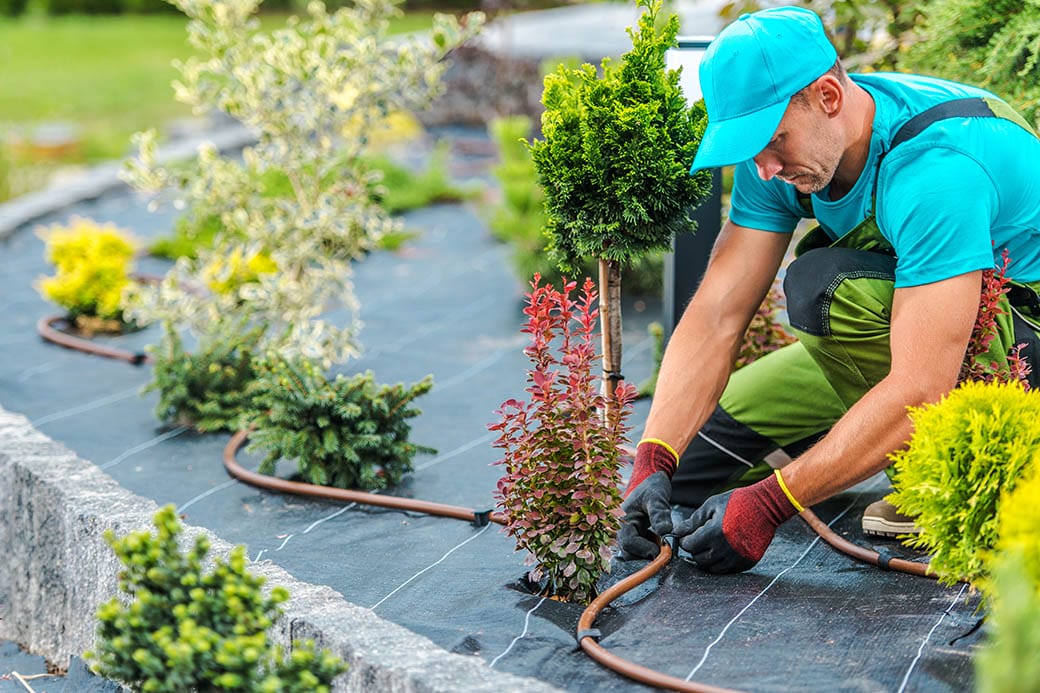
Salinisation is the process by which soluble salts accumulate in the soil profile, mainly chlorides, sulphates, and sodium, calcium and magnesium carbonates. This phenomenon can be natural (soils of saline origin) or induced by agricultural management, especially by irrigation with water of high electrical conductivity (EC), the excessive use of chemical fertilisers and the lack of salt leaching. In pepper cultivation, salinisation directly affects water availability: even if the soil is moist, the plant cannot absorb water because the osmotic potential of the soil solution is very negative.
Pepper (Capsicum annuum) is considered moderately sensitive to salinity. Its tolerance threshold is around an EC of the saturated extract of 1.5–2.0 dS/m; above this value, each increase of 1 dS/m can reduce yield by between 10 % and 15 %. At critical stages such as flowering and fruit set, sensitivity increases, and damage can be irreversible if action is not taken in time.
Physiological mechanisms of salt damage
When the salt concentration is high, two main effects occur: an osmotic effect, which hinders water entry into the root, and a specific ionic effect, where ions such as sodium (Na⁺) and chloride (Cl⁻) compete with essential nutrients such as potassium (K⁺) and nitrate (NO₃⁻). This causes nutritional imbalances, stomatal closure, reduced photosynthesis and lower translocation of photoassimilates to the fruits. The plant prioritises its survival over production, which translates into smaller fruits, with lower weight and often with symptoms of blossom-end rot due to calcium deficiency.
In addition, salinity deteriorates soil structure, favouring clay dispersion, compaction and loss of porosity. This reduces water infiltration and root aeration, creating a vicious circle that aggravates the problem. In soils with a high content of exchangeable sodium (sodicity), the pH can rise above 8.5, which decreases the availability of micronutrients such as iron, zinc and manganese.
Difference between salinity and sodicity
Although they are often confused, salinity and sodicity are distinct phenomena. Salinity refers to the total concentration of soluble salts, usually measured by the EC of the saturated extract. Sodicity, on the other hand, is defined by the exchangeable sodium percentage (ESP) and mainly affects soil structure. A soil can be saline without being sodic, sodic without being saline, or present both problems simultaneously. For pepper, sodicity is especially harmful because clay dispersion reduces porosity and hinders root development, even when the EC is not extremely high.
Main causes of salinisation in pepper cultivation
Identifying the origin of salinisation is essential in order to apply the correct solution. In many cases, the problem does not stem from a single cause, but from a combination of several management practices. The most frequent causes in pepper-growing areas in Latin America and other regions are detailed below.
1. Irrigation with water of high electrical conductivity
The use of groundwater or surface water with an EC above 1.5 dS/m is one of the most common causes. In arid and semi-arid areas, the scarcity of good-quality water makes it necessary to use sources with high salt contents. If adequate leaching is not carried out, salts accumulate in the root zone, especially when irrigation depths are insufficient to displace the salts below the roots.
A typical case is observed in northern Mexico and on the Peruvian coast, where irrigation with well water of 2.5–3.5 dS/m has caused pepper yield losses of up to 40 % in plots without leaching management. The key lies in calculating the required leaching fraction and in monitoring the EC of the water and of the soil extract.
2. Excessive or unbalanced fertilisation
The excessive use of chemical fertilisers, especially those with a high salt index such as potassium chloride, ammonium sulphate or sodium nitrate, increases the salt concentration in the soil solution. Poorly calculated split applications or fertigation without EC control can rapidly raise salinity, above all in soils with low cation exchange capacity or sandy textures.
Reducing chemical fertiliser and partially replacing it with organic fertilisers and biostimulants is a strategy that improves nutritional efficiency and reduces the salt load. Certified organic fertilisers release nutrients gradually and improve soil structure, which favours the natural leaching of salts.
3. Heavy soils and poor drainage
Clay soils, with low infiltration and poor drainage, are especially prone to salt accumulation. If there is also a compacted layer or an impermeable horizon, irrigation water cannot leach the salts into deeper layers and these become concentrated in the root zone. Compaction caused by machinery or by excessive tillage aggravates the problem.
In greenhouses, the lack of drainage and the reuse of substrates can cause rapid salinisation. In these cases, it is essential to carry out periodic analyses of the substrate solution and to apply controlled leaching.
4. Arid climate and high evapotranspiration
In regions with high evapotranspiration and low rainfall, water evaporates quickly and leaves the dissolved salts behind. This phenomenon, known as capillary rise, can cause salts to migrate from deep layers towards the surface, forming visible white crusts. The lack of rainfall to leach the profile aggravates the situation.
Pepper-growing areas in north-western Argentina, Chile, Peru and Mexico show this pattern, where the combination of gravity irrigation, high temperatures and heavy soils accelerates salinisation.
5. Use of reused or poor-quality substrates
In greenhouse crops, the reuse of substrates such as coconut fibre, perlite or rockwool without adequate leaching can accumulate salts from previous cycles. Likewise, substrates with a high sodium content or with residual fertilisers can release salts during the cycle. Chemical disinfection can also leave saline residues.
Symptoms and diagnosis of salinisation in pepper
Detecting salinisation in time is crucial to avoid irreversible losses. Symptoms can be confused with other deficiencies or diseases, so diagnosis must combine visual observation, soil and water analysis, and EC measurement.
Visual symptoms on the plant
- Reduced growth: smaller plants, with short internodes and less leaf area.
- Dark, leathery leaves: often with necrotic or scorched edges, especially on mature leaves.
- Wilting during hot hours: even when the soil is moist, the plant wilts because it cannot absorb water.
- Small, deformed fruits: smaller calibre, thin walls and a higher incidence of blossom-end rot (calcium deficiency induced by salinity).
- Brown, poorly developed roots: root necrosis and loss of absorbent hairs.
In severe cases, a white salt crust may appear on the soil surface, especially in drip-irrigation zones where salts accumulate in the wetted bulb.
Diagnosis with soil and water analysis
Soil analysis is the most reliable tool. It is recommended to measure the electrical conductivity of the saturated extract (ECe), pH, the exchangeable sodium percentage (ESP) and the sodium adsorption ratio (SAR). ECe values above 2 dS/m indicate moderate salinity; above 4 dS/m, the problem is severe for pepper. An ESP greater than 15 % indicates sodicity, which requires management with calcium amendments.
Irrigation water analysis should include EC, SAR, and the concentration of chlorides, sulphates, carbonates and bicarbonates. Water with an EC above 1.5 dS/m or a SAR greater than 6 requires specific management strategies, such as blending with better-quality water or more frequent leaching.
Monitoring with conductivity sensors
Installing EC sensors in the root zone allows real-time monitoring and adjustment of irrigation and fertilisation. In fertigation, it is advisable to measure the EC of the drainage solution; if it is more than 30 % higher than the EC of the applied solution, it indicates salt accumulation and the need for leaching.
Agronomic consequences of salinisation in pepper
Salinisation not only reduces yield but also affects the commercial quality and profitability of the crop. The main consequences are:
- Yield reduction: losses of between 10 % and 50 % depending on the salinity level and the phenological stage.
- Lower fruit quality: smaller fruits, with lower weight, thin walls and a higher incidence of blossom-end rot.
- Greater susceptibility to diseases: salt stress weakens the plant and favours the entry of pathogens such as Phytophthora, Fusarium or bacteria.
- Nutritional imbalance: ionic competition that reduces the uptake of K, Ca, Mg and micronutrients.
- Soil deterioration: loss of structure, compaction and reduction of beneficial microbiota.
In economic terms, salinisation can make cultivation unviable on plots with an ECe above 4–5 dS/m if corrective measures are not applied. The cost of soil recovery can be high, so prevention is always more profitable.
Solutions and agronomic management for salinity in pepper crops
Managing salinity requires an integrated approach that combines irrigation practices, organic amendments, biostimulants and organic fertilisers. There is no single solution, but combining strategies makes it possible to restore productivity and maintain the sustainability of the system.
1. Salt leaching and irrigation management
Controlled leaching is the most direct technique for reducing the salt concentration in the root zone. It consists of applying a depth of water greater than the crop's evapotranspiration, so that a fraction of the water percolates below the roots and carries the salts away. The recommended leaching fraction depends on the EC of the water and the soil; in general, it is between 15% and 30% of the irrigation depth.
In drip irrigation, periodic leaching is recommended, especially at the end of the cycle or before transplanting. It is important to avoid excessive leaching that could leach nutrients and contaminate aquifers. Monitoring the EC of the drainage helps to adjust the frequency and volume.
2. Application of organic matter and amendments
Soil organic matter improves structure, increases cation exchange capacity and favours infiltration, which facilitates salt leaching. In addition, humic and fulvic acids can complex saline ions and reduce their toxicity. The application of mature compost, well-decomposed manure or fulvic acids for organic farming is a recommended practice.
In sodic soils, the application of agricultural gypsum (calcium sulphate) provides calcium that displaces sodium from the exchange complex, allowing it to be leached. This amendment must be accompanied by abundant irrigation and adequate drainage.
3. Use of biostimulants to mitigate salt stress
Organic agricultural biostimulants, especially those made from microalgae, seaweed extracts and amino acids, have been shown to improve plant tolerance to salt stress. Their mechanisms of action include the accumulation of osmolytes (proline, betalains), the regulation of the expression of defence genes and improved antioxidant activity.
Foliar application of microalgae biostimulants in pepper can reduce salinity damage, improve fruit set and increase yield under stress conditions. Application is recommended at critical stages: transplanting, flowering and fruit set, with doses of 1–2 L/ha via foliar application or 3–5 L/ha via root application, depending on the formulation.
4. Organic fertilisation and nutritional balance
Partially replacing chemical fertilisers with certified organic fertilisers reduces the salt load and improves nutritional efficiency. Organic fertilisers release nutrients gradually and stimulate soil microbiota, which in turn improves nutrient availability and soil structure.
It is essential to maintain an adequate balance of potassium, calcium and magnesium to counteract sodium competition. The use of micronutrients for organic crops, such as iron, zinc and manganese chelates, helps prevent deficiencies induced by salinity.
5. Improvement of drainage and tillage
In soils with poor drainage, the installation of subsurface drains or the creation of raised beds can facilitate salt leaching. Deep tillage, where possible, breaks up compacted layers and improves infiltration. However, excessive tillage can degrade organic matter and structure, so a minimum tillage approach combined with organic amendments is recommended.
6. Choice of tolerant varieties
There are pepper varieties with greater tolerance to salinity, although the range available is limited. The selection of tolerant rootstocks is an effective strategy in grafted crops, since the rootstock roots can limit the entry of sodium and chloride. In areas with moderate salinity, grafting onto tolerant rootstocks can maintain yield at ECe levels of up to 3–4 dS/m.
Prevention: sustainable management to avoid salinisation
Prevention is more economical than correction. Sustainable management of the pepper crop should include:
- Regular soil and water analyses: at least once a year, and before each greenhouse cycle.
- Efficient irrigation: use drip irrigation, schedule according to evapotranspiration and avoid excesses.
- Balanced fertilisation: based on analyses, with a reduction in chemical fertiliser and the use of organic fertilisers.
- Regular application of organic matter: compost, mature manure or fulvic acids.
- Crop rotation: include species that improve the soil, such as legumes.
- Vegetative cover or mulching: reduces evaporation and the accumulation of salts at the surface.
- Use of preventive biostimulants: applications at stress stages to reinforce tolerance.
Sustainable agriculture not only prevents salinisation but also improves long-term profitability. The integration of biostimulants, organic fertilisers and regenerative practices makes it possible to maintain productivity without degrading the soil resource.
Related articles
Do you need professional help?
At Ecoganic in Spain, Europe, we offer Biostimulants and Organic Fertilisers. Call us: +34 623 753 719.
Request your free quote
FAQ
How can I tell if my pepper crop is affected by salinisation?
Symptoms include reduced growth, dark, leathery leaves, wilting during the hottest hours and small fruits with blossom-end rot. Confirmation is carried out with soil analysis measuring the electrical conductivity of the saturated extract; values above 2 dS/m indicate moderate salinity. A white crust on the soil surface may also be observed in severe cases.
Which biostimulants help mitigate salinisation in pepper?
Biostimulants based on microalgae, seaweed extracts and amino acids improve tolerance to salt stress through the accumulation of osmolytes and the activation of antioxidant defences. They are applied via foliar or root application at critical stages such as transplanting, flowering and fruit set. It is advisable to combine them with organic matter and organic fertilisers for a comprehensive effect.
How long does it take for a salinised soil to recover?
It depends on the level of salinity, the type of soil and the practices applied. With leaching and organic amendments, the EC can be significantly reduced within one or two crop cycles. In severe cases with sodicity, recovery may require several years of continuous management with gypsum, organic matter and adequate drainage.
Can pepper be grown in saline soils?
Yes, but with limitations. Pepper is moderately sensitive; with an ECe above 2 dS/m yield decreases. It is possible to grow it successfully if leaching is applied, tolerant varieties or rootstocks are used, and balanced nutritional management is maintained with biostimulants and organic fertilisers that reduce stress.
What is the difference between salinity and sodicity?
Salinity is the total concentration of soluble salts, measured by EC. Sodicity is the proportion of exchangeable sodium in the exchange complex, measured by ESP. A soil can be saline, sodic or both. Sodicity affects soil structure, whereas salinity mainly affects the availability of water for the plant.
References