
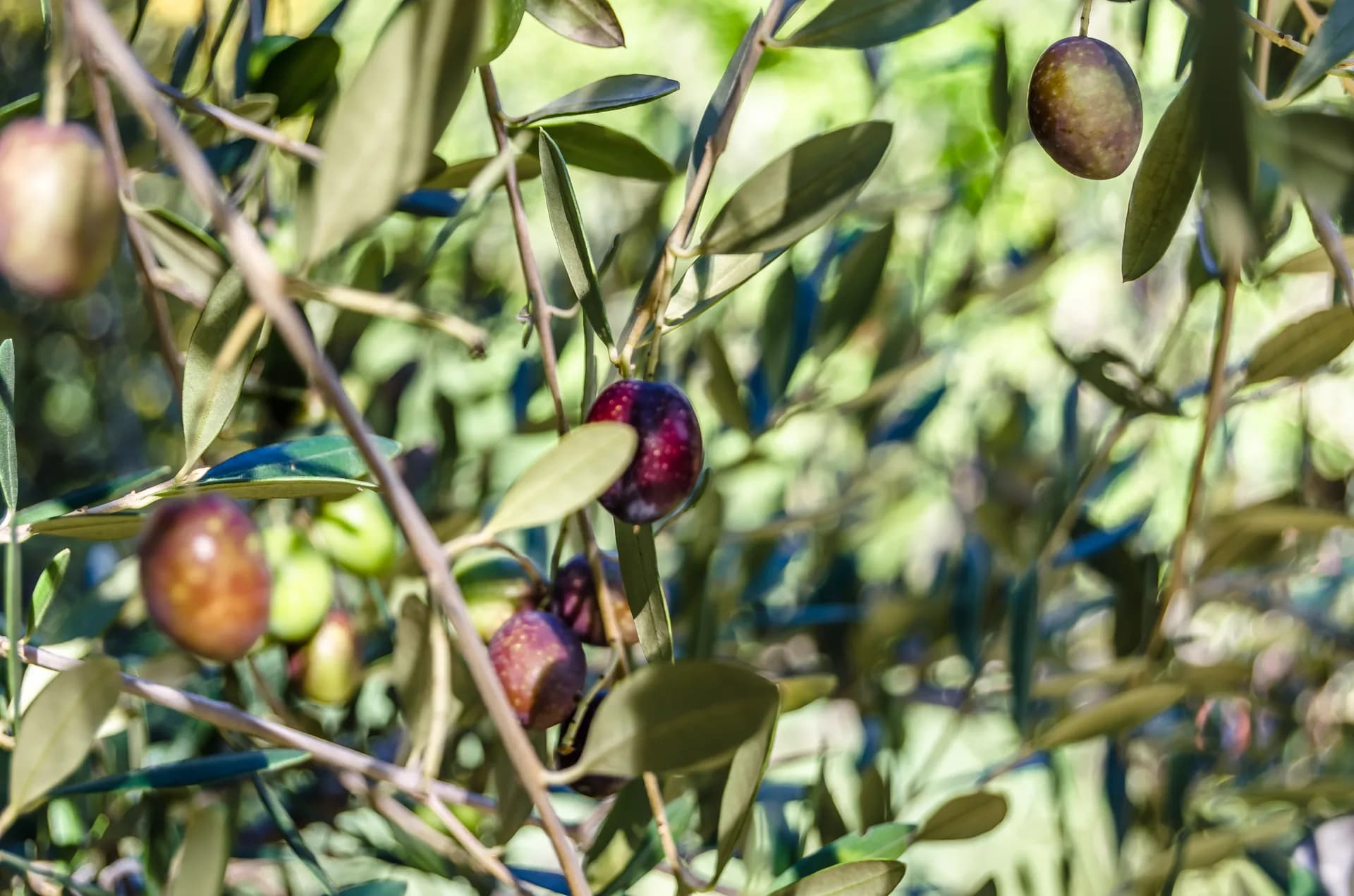
Why reducing synthetic fertilisers in olive groves requires diagnosis
Reducing synthetic fertilisers in olive groves has become a priority for many growers, but doing so without a prior diagnosis is one of the most frequent causes of yield loss, poorer fruit set and a decline in oil quality. Cost pressure, the volatility of urea prices and new regulatory requirements are pushing growers to optimise nutrition, not simply to eliminate inputs. In Latin America, the variability of soils and the lower availability of technical advice aggravate the risk of applying generic recipes that do not respond to the real state of the olive grove.
The olive tree is a perennial crop with its own nutritional reserves, which allows a certain flexibility but also masks deficiencies for months. When the grower cuts nitrogen without knowing the soil organic matter, the mineralisation capacity or the fertilisation history, the tree enters a depletion dynamic that manifests itself in alternate bearing, flower drop and lower resistance to water stress. The key is not to reduce for the sake of reducing, but to replace part of the mineral nutrition with well-planned biological strategies: agricultural biostimulants, certified organic fertilisers and management of the soil microbiota.
The five most common mistakes when cutting back fertilisation
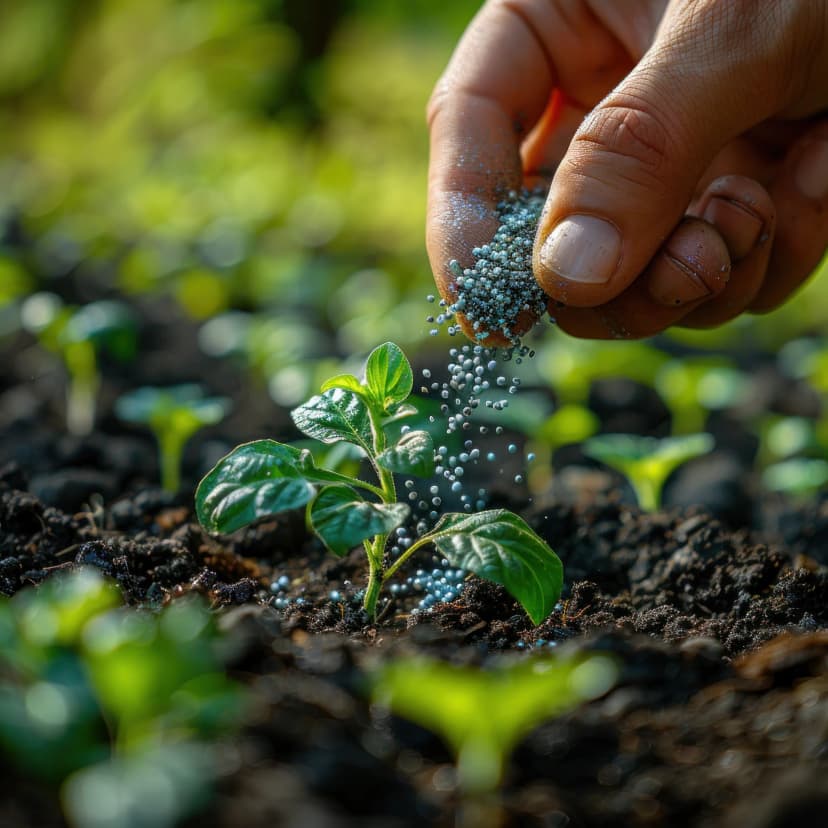
Mistake 1: lowering the dose by eye
Visual or habitual adjustment is the most widespread mistake. Without soil analysis every 2 or 3 years, the grower does not know whether the olive grove has sufficient reserves of nitrogen, phosphorus, potassium, boron or zinc. The technical recommendation is to analyse pH, organic matter, cation exchange capacity and available nutrients before reducing any input. In sandy or degraded soils, lowering urea by 30 % can translate into a production drop of more than 15 % in years of high crop load.
Mistake 2: not distinguishing between traditional and super-high-density olive groves
In super-high-density olive groves, the University of California confirms that yield and quality can be maintained with 50 % less synthetic nitrogen when compost from plant residues and food waste is integrated. However, that result should not be extrapolated to poor dryland sites, stony soils or traditional low-density spacings. Each system has a different substitution threshold. In super-high-density systems, the high root density and intensive management allow a rapid response to organic amendments; in traditional dryland systems, mineralisation is slower and the margin for error much smaller.
Mistake 3: replacing mineral fertiliser with compost without balancing available nitrogen
Organic amendments improve background fertility, but they release nutrients gradually. A mature compost can supply between 1 % and 2 % of total nitrogen, of which only a fraction will be available in the first year. If the grower removes the urea and applies compost without adjusting the available nitrogen balance, the olive tree may go through a period of nutritional hunger during budbreak and fruit set. The solution is to integrate the amendment into a phased plan, combining fast- and slow-release sources.
Mistake 4: applying the same recipe to the whole farm
The heterogeneity of soils, slope, effective depth and vigour makes zoning essential. A 10-hectare farm may have areas with 0.8 % organic matter and others with 2.5 %. Applying the same dose on all plots generates excesses in some and deficiencies in others. Zoning by means of vigour maps, targeted analyses and organic matter monitoring allows fertilisation to be adjusted by sector and avoids unnecessary losses.
Mistake 5: ignoring the phenological stage
The olive tree concentrates a relevant part of its nitrogen demand in spring, coinciding with budbreak, flowering and fruit set. If the fertiliser reduction is applied in autumn without compensating in spring, the tree may mobilise reserves and suffer. Splitting applications and synchronising them with the key stages are essential to reduce synthetic fertilisers in olive groves without compromising the harvest.
Agricultural biostimulants and organic fertilisers: how to integrate them without losing production
The integration of agricultural biostimulants and organic fertilisers is the most effective route to reducing dependence on synthetic inputs without sacrificing productivity. Biostimulants based on microalgae, humic extracts and beneficial microorganisms act on foliar nutrient uptake, crop rooting and tolerance to abiotic stress. In olive groves, their application at strategic times makes it possible to maintain photosynthetic activity and fruit set even when the mineral supply has been reduced.
Microalgae biostimulants and soil organic matter
Microalgae biostimulants provide bioactive compounds, amino acids and natural phytohormones that stimulate cell division and root elongation. Applied to the soil, they improve soil microbiota and encourage the mineralisation of organic matter. Applied via foliar, they improve nutrient uptake and the tree's response to stress conditions. In olive groves, one application at pre-flowering and another after fruit set can make the difference between an acceptable season and a drop in production.
Certified organic fertilisers: doses and timing
Organic fertilisers certified under Regulation (EC) 2019/1009 or equivalent regulations in Latin America make it possible to maintain the nutritional supply without resorting to synthetic salts. In olive groves, a typical plan may include applications of controlled-release organic nitrogen in spring, phosphorus and potassium depending on the analysis, and micronutrients such as boron and zinc at critical times. The dose must be adjusted according to crop extraction, which in oil production is around 20-40 kg of N per hectare per year, depending on yield and planting density.
Fulvic acids and micronutrients for organic crops
Fulvic acids for organic farming improve soil structure, increase cation exchange capacity and favour micronutrient uptake. In olive groves, their root application in spring improves the efficiency of organic fertilisation and reduces losses through leaching. Micronutrients for organic crops, especially boron and zinc, are critical for fruit set and fruit formation; their deficiency is one of the silent causes of low production in olive groves that have reduced fertilisers without compensating with micronutrients.
Transition plan and analytical monitoring in olive groves
A well-structured transition plan makes it possible to reduce synthetic fertilisers in olive groves gradually and safely. The first phase consists of diagnosing: soil analysis, leaf analysis if possible and a review of the fertilisation history. The second phase is to reduce the mineral nitrogen dose by between 10 % and 20 % in the first year, offsetting it with biostimulants and organic fertilisers. The third phase is to measure the response: production, oil quality, vigour and nutritional status. Only if the indicators are maintained can the reduction be deepened.
Zoning and analysis by sectors
Zoning makes it possible to apply variable doses according to the potential of each sector. On farms with high heterogeneity, dividing into 3 or 4 zones and analysing each one avoids costly errors. Monitoring organic matter every 2 or 3 years indicates whether the strategy is improving background fertility or whether, on the contrary, depletion is occurring.
Indicative application calendar
| Phenological stage | Action | Objective |
|---|---|---|
| Post-harvest | Organic amendment + fulvic acids | Restore reserves and improve soil |
| Pre-budbreak | Root biostimulant | Stimulate rooting and uptake |
| Pre-flowering | Foliar biostimulant + boron | Improve fruit set |
| Fruit set | Organic fertiliser + micronutrients | Sustain fruit development |
| Fattening | Organic potassium + biostimulant | Improve quality and oil yield |
Managing water and nutritional stress in olive groves
Water stress in crops is one of the factors that most conditions the olive grove's response to fertiliser reduction. In dry years, the tree reduces its metabolic activity and nutrient uptake, so a poorly planned reduction can worsen the deficit. Agricultural biostimulants with osmolytes and bioactive compounds help maintain cell turgor and photosynthetic efficiency under conditions of water deficit. In rainfed olive groves, the combination of cover crops, organic amendments and biostimulants improves infiltration and water retention.
Abiotic stress and biotic stress
Abiotic stress (drought, salinity, extreme temperatures) and biotic stress (pests and diseases) interact with nutritional status. An olive tree with deficiencies is more vulnerable to olive leaf spot, verticillium wilt or olive fruit fly. The reduction of synthetic fertilisers must be accompanied by natural bioprotectors for crops that strengthen the plant's defences and maintain tree health.
Role of soil microbiota
Soil microbiota is key to nutrient availability. Beneficial microorganisms break down organic matter, solubilise phosphorus and fix atmospheric nitrogen. In soils degraded by years of intensive tillage and mineral fertilisation, microbiota is poor. The application of biostimulants with microorganisms and quality organic matter helps restore it, improving the efficiency of organic fertilisation.
Related articles
Do you need professional help?
At Ecoganic in Spain, Europe, we offer Biostimulants and Organic Fertilisers. Call us: +34 623 753 719.
Request your free quote
Frequently asked questions about fertiliser reduction in olive groves
How much can I reduce synthetic fertiliser without losing production?
The safe reduction depends on soil condition, planting system and fertilisation history. In super-high-density olive groves with good organic matter, a reduction of up to 50 % of synthetic nitrogen has been documented while maintaining production and quality. In traditional rainfed olive groves, the recommended initial reduction is 10 % to 20 %, with analytical monitoring and compensation with biostimulants and organic fertilisers. It is never advisable to exceed that range without data supporting the change.
Which biostimulants are most useful in olive groves?
Microalgae biostimulants, fulvic acid extracts and formulations with amino acids and micronutrients are the most widely used in olive groves. Applied at pre-flowering and fruit set, they improve fruit set and reduce flower drop. Applied to the soil in spring, they stimulate crop rooting and microbial activity. The choice depends on the objective: water stress, boron deficiency, vegetative recovery or improving oil quality.
How does European regulation affect olive grove fertilisation?
The European Union has adopted measures to reduce dependence on imported fertilisers, including new rules on RENURE and a temporary suspension of tariffs for nitrogen fertilisers. The CBAM mechanism makes carbon-intensive imports more expensive, which affects the cost of urea and NP fertilisers. For olive groves, this reinforces the need to optimise nutrition with certified organic fertilisers and biostimulants that improve nutrient use efficiency.
Is leaf analysis necessary in addition to soil analysis?
Leaf analysis complements soil analysis because it reflects what the plant has actually absorbed. In olive groves, the recommended time is July-August, taking leaves from shoots of the current year. A leaf analysis makes it possible to detect boron, zinc or magnesium deficiencies that the soil may not reveal. The combination of both analyses allows fertilisation to be adjusted precisely and avoids both excesses and deficiencies.
How can organic fertilisers be integrated without losing profitability?
The key lies in splitting applications and combining sources. Certified organic fertilisers, together with agricultural biostimulants, can maintain production if applied at the correct phenological stages and doses are adjusted according to crop uptake. In many cases, savings on synthetic inputs and improved oil quality offset the cost of organic products. Request your free quote to design a plan tailored to your olive grove.
Critical mistakes when reducing synthetic fertilisers in olive groves and strategies to avoid them
Moving towards more sustainable fertilisation in the olive grove is a reasonable objective, but implementing it without technical criteria can compromise production for several seasons. One of the mistakes to avoid is the abrupt reduction of nitrogen without compensating with organic or biological sources. The olive tree, especially in varieties such as Picual or Arbequina under irrigation, needs an annual nitrogen supply proportional to the production expected from it. If all synthetic nitrogen is eliminated at once without providing alternatives, the harvest can suffer as early as the first season and the following year's bud break may be affected. The practical recommendation is a phased reduction: in the first year, replace only a moderate part of the synthetic nitrogen with organic sources (compost, mature manure, feather or blood meal) or biofertilisers with nitrogen-fixing bacteria; in the second year, expand the substitution; and only in the third year consider a more ambitious reduction, always monitoring leaf analysis and confirming with the certification body which inputs are admissible if the holding is organic.
Another mistake to avoid is ignoring the balance between nutrients. When withdrawing complex synthetic fertilisers (such as NPK), it is worth remembering that phosphorus and potassium are also depleted, because the harvest exports them every year. If only generic organic matter is applied, potassium can become limiting, especially in clay or calcareous soils, with possible consequences for crop yield. The solution lies in resorting to potassium sources suited to the holding and, if it is organic, admissible according to the certification body; some products of plant origin (for example, extracts of the algae Ascophyllum nodosum) or certain fertilisers with a high K/N ratio can supply potassium, but their actual contribution must be checked against the product's technical data sheet. In addition, it is essential to carry out regular soil analyses and an annual leaf analysis in July to adjust the doses. Reference levels of leaf potassium should be interpreted with the table provided by the laboratory for olive groves: when the value falls below the sufficiency range, it should be corrected with the advice of the agronomist.
The lack of organic matter in the soil is a third mistake that is aggravated when reducing synthetic fertilisation. Many rainfed olive grove soils have low organic matter contents, far from what is desirable for sustainable fertility. When synthetic fertilisers are eliminated without adding compost, manure or cover crops, microbial activity can suffer, soil structure can degrade and water use efficiency can decrease. To avoid this, it is recommended to apply mature compost regularly, in quantities agreed with the agronomist according to the analysis, or to maintain legume cover crops (vetch, broad beans) that supply nitrogen to the system. In olive groves on slopes, cover crops also help to limit erosion, although in rainfed conditions competition for water must be monitored and mowing managed accordingly. If liquid biostimulants are chosen, such as humic and fulvic acids applied through irrigation or to the soil according to the schedule indicated by the manufacturer, they should be understood as a support for nutrient availability and soil structure, not as a substitute for the supply of organic matter.
Finally, the timing of application should not be neglected. Synthetic fertilisers are usually fast-release, whereas organic sources and biostimulants require advance planning. Applying compost in the height of summer, or biofertilisers when the olive tree is in vegetative dormancy, can reduce their utilisation. As a general guide, at the end of winter most of the organic nitrogen and root biostimulants (mycorrhizae and Bacillus spp.) should be applied; in spring and early summer, supplement with controlled-release potassium and phosphorus if the analysis advises it (and, in organic farming, only with admissible sources); and in late summer or autumn, if the analysis advises it, a foliar application of micronutrients (boron, zinc, manganese). This schedule must be adapted to the area, the variety and the irrigation regime. The aim of phased management is to gradually reduce synthetic fertiliser without compromising production, but this result must be demonstrated holding by holding, with analyses and monitoring of each season. It is advisable not to simply eliminate, but to substitute with knowledge, measure and correct.