Introduction
Post-harvest mistakes in the olive grove are one of the factors that most affect the loss of quality in extra virgin olive oil. In an increasingly demanding market, both in Europe and Latin America, the difference between a premium oil and a defective one can depend on decisions taken in the hours and days following harvest. The extra virgin category not only requires chemical parameters within the limits, but also an impeccable organoleptic evaluation. For this reason, knowing and avoiding the five most common post-harvest mistakes is essential to ensure the profitability of the olive grove.
Olive cultivation (Olea europaea) is an activity of great economic and social importance in many regions. Oil quality begins in the field, with appropriate agronomic management that includes balanced nutrition, pest and disease control, and harvesting at the optimum moment. However, the process does not end with the harvest. Post-harvest practices, which range from transporting the fruit to storing the oil, are decisive for preserving the bioactive compounds and sensory characteristics that define a quality oil. In this article, we will analyse in detail each of the five post-harvest mistakes that can ruin an excellent harvest, and we will provide technical recommendations to avoid them, integrating sustainable practices and the use of biostimulants to strengthen the plant and improve final quality.
Mistake 1: Delaying milling
One of the most frequent and harmful mistakes is delaying the milling of the olive. Leaving the fruit for several days in the field, in trailers or in warehouses encourages unwanted fermentations, increases free acidity and generates sensory defects such as a muddy or vinegary taste. The operational recommendation is to mill as soon as possible, ideally within 24 hours of harvesting. This timeframe allows the integrity of the fatty acids and polyphenols to be preserved, which are responsible for the characteristic bitterness and pungency of extra virgin oil, as well as its oxidative stability.
Studies by IFAPA (Andalusian Institute of Agricultural and Fisheries Research and Training) indicate that excessively delaying the harvest reduces organoleptic and nutritional quality, without significantly increasing oil yield after the oil has stabilised. This means that waiting longer does not translate into more oil, but into a lower-quality product. In varieties such as Picual or Arbequina, early harvesting, when the maturity index is still low, produces oils richer in polyphenols and with greater stability, even if the oil yield is somewhat lower. Therefore, planning the harvest and coordinating with the mill are essential to minimise the time between harvesting and milling.
In practice, batches harvested at the optimum moment and milled quickly better retain their attributes. To achieve this, it is advisable to harvest during cooler hours, transport the fruit in ventilated crates and avoid prolonged stockpiling in the field. In addition, milling scheduling must be adjusted to the mill's capacity, avoiding bottlenecks that force the olives to be stored for longer than desired.
Mistake 2: Piling up the fruit in sacks or high heaps
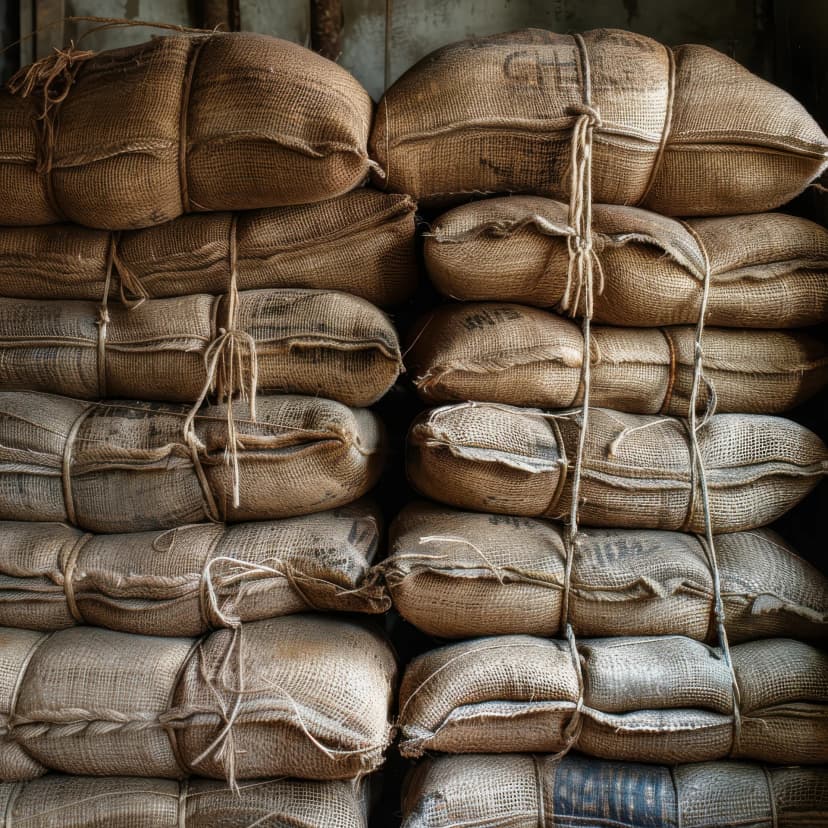
The second post-harvest mistake is piling up the olives in plastic sacks or in high heaps. This practice puts pressure on the fruit, causes a lack of ventilation and heating, which accelerates fermentation and oxidation. As a result, vinegary, rancid or fermentation aromas appear that ruin the quality of the oil. In addition, the weight of the upper layers causes physical damage to the epidermis, encouraging the entry of microorganisms and the release of enzymes that degrade triglycerides.
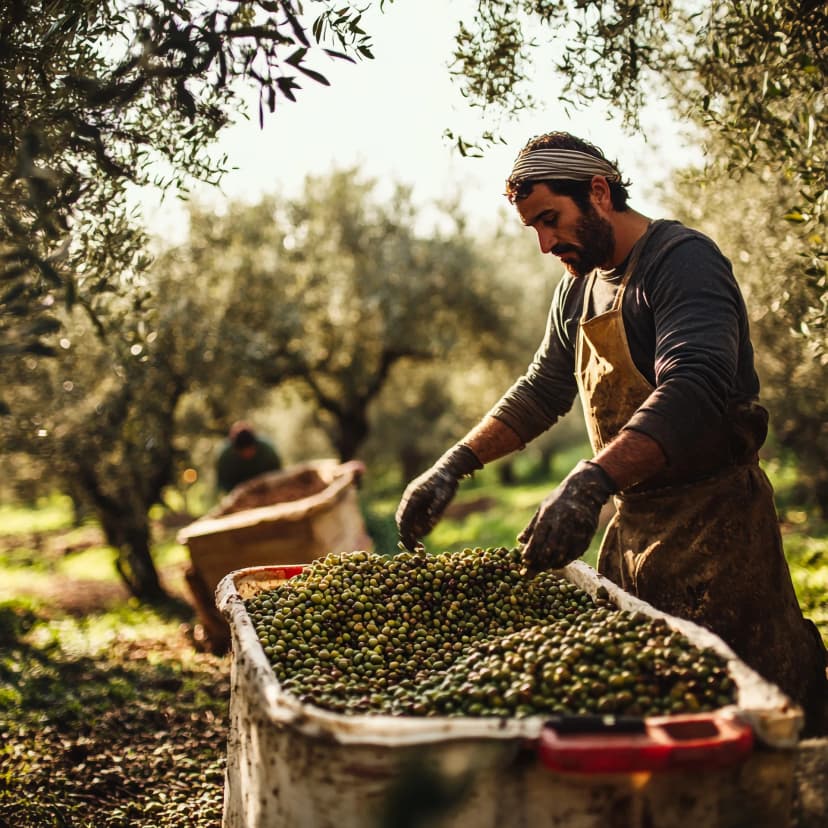
The correct alternative is to use ventilated, clean, shallow crates or containers. These containers allow air circulation, reduce the temperature and prevent the fruit from compacting. The material must be easy to clean and must not transfer odours. In high-production seasons, it is common to see trailers with high sides which, if not handled properly, can become veritable heat traps. For this reason, it is recommended to fill trailers only up to a certain height and, if necessary, to use forced ventilation systems.
In addition, the time spent in the containers should be as short as possible. Even with ventilated crates, 24 to 48 hours should not be exceeded, depending on the ambient temperature. In warm areas, it is advisable to transport the olives during the coolest hours of the day and to avoid exposing them to direct sunlight. Implementing these simple practices can make a great difference to the final quality of the oil.
Mistake 3: Mixing healthy olives with damaged ones or ones from the ground
Mixing healthy olives with damaged, overripe, frost-damaged or ground-picked fruit is another critical mistake. Damaged fruit rapidly raises the microbial load and can introduce soil, moisture and residues that negatively affect the extraction process. In addition, ground olives are usually in an advanced state of deterioration, with the presence of fungi and bacteria that produce sensory defects and increase acidity.
Separation by variety, health status and harvest date is essential, especially for batches intended for export, where traceability and quality requirements are higher. In practice, it is recommended to carry out a selection in the field or at the mill's reception, discarding fruit that does not meet the standards. This separation makes it possible to process the highest-quality batches separately and obtain higher-category oils, while defective fruit can be destined for other uses or for the production of lower-value oil.
Mixing can also stem from indiscriminate harvesting, in which ground olives are included along with those from the tree. To avoid this, it is essential to train harvesting personnel and establish clear protocols. The use of tarpaulins or nets on the ground can make collection easier, but the fruit must always be prevented from coming into contact with the soil. Likewise, night harvesting or harvesting in damp conditions can increase the risk of contamination, so extra precautions must be taken.
Mistake 4: Neglecting cleanliness and process water
The cleanliness of the facilities and the control of process water are aspects that are often underestimated. Hoppers, conveyor belts, mills and tanks with remnants from previous seasons can contaminate the oil and generate defects such as a mouldy or damp taste. In addition, the washing water must be potable or meet the applicable requirements; reusing it without control increases the microbiological and residue risk.
In the European Union, Regulation (EU) 2023/915 sets maximum limits for certain contaminants in food, so hygiene must be integrated into the HACCP (Hazard Analysis and Critical Control Point) system. This implies establishing periodic cleaning and disinfection procedures, verifying water quality and documenting all operations. In Latin America, although regulations may vary, the requirements of international markets tend to align with these standards.
A critical aspect is the water used for washing the olives. If it is reused without treatment, it can accumulate organic matter and microorganisms that contaminate the fruit. It is recommended to use potable water and, if it is recirculated, to subject it to adequate filtration and disinfection. It is also important to clean the oil storage tanks before each season and to verify that no residues of previous oils remain that could oxidise and transmit off-flavours.
Mistake 5: Storing the oil with oxygen, light or heat
Improper storage of the oil is the fifth post-harvest mistake that can undo all the previous effort. Partially filled tanks, faulty lids and transparent containers accelerate lipid oxidation, which reduces natural antioxidants and can cause an extra virgin oil to lose its commercial classification. Light and heat are enemies of the oil, as they encourage the degradation of polyphenols and the appearance of rancid flavours.
The oil must be kept in stainless steel tanks, preferably full or inertised with nitrogen, protected from light and at a stable temperature, around 15–18 °C. It is important to avoid sudden temperature variations and to keep the tanks in dark, ventilated places. Containers for final consumption must be opaque and made of dark glass or tin, and once opened, kept refrigerated and consumed within a reasonable period.
Prolonged exposure to oxygen not only reduces sensory quality, but can also lead to the loss of compounds beneficial to health, such as vitamin E and polyphenols. For this reason, periodic analyses of acidity, peroxide value and sensory evaluation are recommended in order to detect any deterioration early. In large mills, the use of nitrogen to inertise the tanks is an increasingly widespread practice that extends the shelf life of the oil.
Commercial and regulatory impact
In the European Union, Delegated Regulation (EU) 2022/2104 and Implementing Regulation (EU) 2022/2105 govern the categories, characteristics and control methods for olive oil. Meeting the acidity requirement is not enough: the oil must also pass the organoleptic evaluation to be sold as extra virgin. This means that post-harvest mistakes that generate sensory defects, even slight ones, can prevent marketing under this category, with the consequent loss of value.
For Latin America, the same mistakes affect suitability for export to the EU and to markets such as Brazil, Mexico or Chile, where requirements for traceability, labelling and stability are growing. The economic priority is clear: less time between harvest and milling, separate batches, documented hygiene and storage without oxygen or light. Producers who implement these practices not only comply with the regulations, but also gain access to more profitable markets and build customer loyalty.
Furthermore, sustainability and organic production are gaining weight in the market. Organic certification, in accordance with Regulation (EC) 2018/848, requires compliance with additional standards that include the use of permitted inputs and environmentally friendly practices. In this context, organic biostimulants play a key role in improving fruit quality and plant resistance.
Prevention and agronomic management with biostimulants
Preventing post-harvest errors begins in the field. A well-nourished and strengthened olive grove is better able to produce high-quality fruit and withstand abiotic stress. In this sense, organic agricultural biostimulants, such as those developed by Ecoganic, can help improve plant physiology and fruit quality. For example, applying biostimulants based on freshwater microalgae can increase photosynthetic activity and the accumulation of antioxidant compounds in the fruit.
Likewise, certified organic fertilisers supply nutrients in a balanced way, improving soil organic matter and soil microbiota, which translates into better nutrient absorption and greater tolerance to water stress. Fulvic acids for organic farming improve soil structure and facilitate foliar nutrient absorption. Micronutrients for organic crops, such as boron and zinc, are essential for fruit set and oil quality.
Implementing a fertilisation programme for olive trees adapted to the needs of the crop and to local conditions is essential. At Ecoganic we offer specific programmes that integrate biostimulants, organic fertilisers and natural bioprotectors for crops, with the aim of optimising production and quality. These programmes are based on trials and field results that demonstrate improvements in parameters such as oil yield, oxidative stability and polyphenol content.
Furthermore, sustainable agriculture and the reduction of chemical fertiliser are unstoppable trends in the sector. Microalgae biostimulants and other natural extracts offer an effective and environmentally friendly alternative. The CE 2019/1009 organic certification harmonises the marketing of these products in the EU, guaranteeing their quality and safety.
Related articles
Do you need professional help?
At Ecoganic in Spain, Europe, we offer biostimulants and organic fertilisers. Call us: +34 623 753 719.
Request your free quote
FAQ
How much time can pass between harvesting and milling?
The ideal time is less than 24 hours. Delays of more than 48 hours increase the risk of fermentation and sensory defects. Under high-temperature conditions, milling quickly is even more critical.
How does oil storage affect the quality of extra virgin oil?
Inadequate storage, with exposure to oxygen, light or heat, accelerates oxidation and reduces polyphenols and vitamin E. This can cause the oil to lose its extra virgin category and develop rancid flavours.
What role do biostimulants play in preventing post-harvest errors?
Biostimulants improve plant health and fruit quality, increasing the concentration of antioxidants and resistance to stress. A well-nourished olive grove produces olives that are more resistant to post-harvest damage.
Is it necessary to separate the olives by variety and health status?
Yes, separation allows homogeneous batches to be processed and prevents the mixing of damaged fruit that contaminates the oil. This is especially important for export and for obtaining high-end oils.
How can fruit heating during transport be avoided?
By using ventilated crates of low height, transporting during cooler hours and avoiding direct sunlight. Ventilation and cleaning of the containers are key to maintaining the temperature and integrity of the fruit.