

Learn how to improve the soil microbiome in organic tomato cultivation with biostimulation strategies, compost, and integrated management. Boost your productivity.
What is the soil microbiome and why is it key in organic tomato cultivation?
The soil microbiome in organic tomato cultivation refers to the community of microorganisms —bacteria, fungi, actinomycetes, protozoa, and viruses— that inhabit the rhizosphere and surrounding soil. These organisms perform essential functions: decomposition of organic matter, nutrient cycling, pathogen suppression, and improvement of soil structure. In tomato cultivation, a balanced microbiome promotes root development, water and nutrient uptake, and resistance to biotic and abiotic stresses.
In organic systems, where the use of synthetic fertilizers and pesticides is restricted, the microbiome becomes a fundamental ally. A biologically active soil can supply nitrogen, phosphorus, and potassium more efficiently, reduce the incidence of diseases such as Fusarium or Phytophthora, and improve the organoleptic quality of the fruit. Therefore, understanding and managing the microbiome is a priority for organic tomato growers seeking profitability and sustainability.
Microbiome composition: bacteria, fungi, and other microorganisms
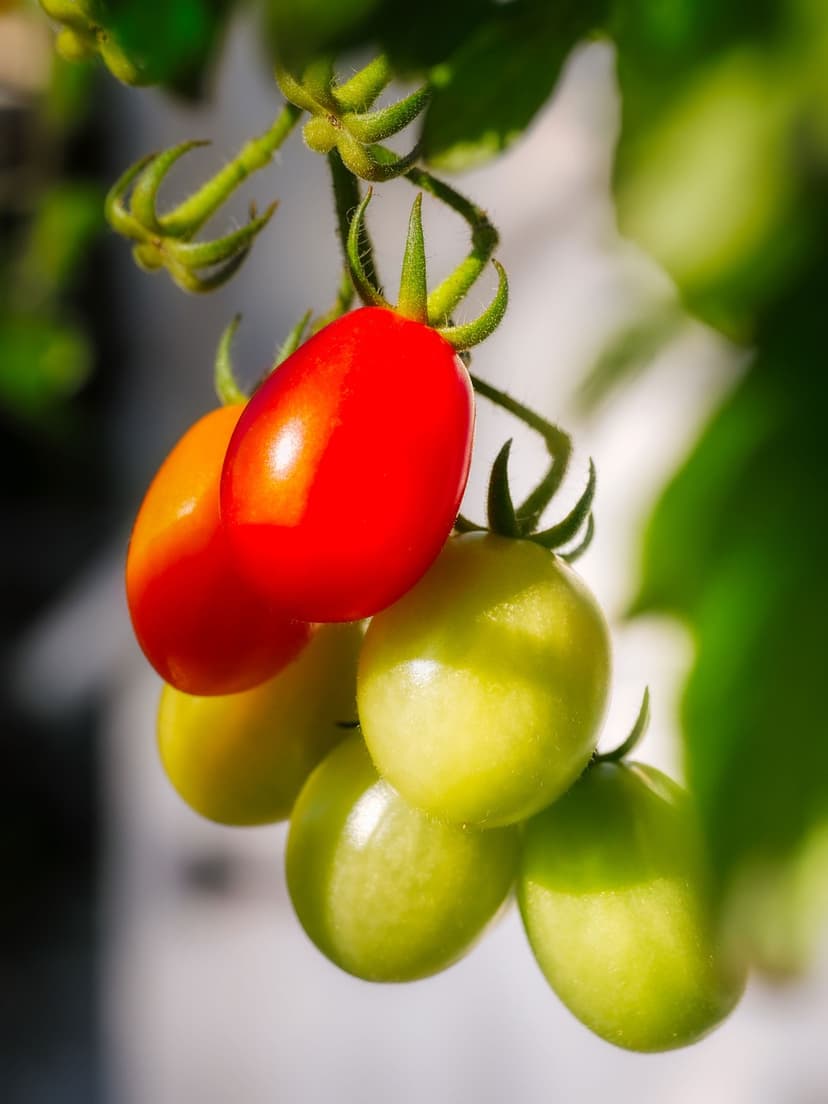
Beneficial bacteria
Bacteria are the most abundant microorganisms in the soil. Among them, the genera Bacillus, Pseudomonas, Rhizobium, and Azotobacter stand out. These bacteria perform functions such as biological nitrogen fixation, phosphorus solubilization, and the production of phytohormones (auxins, cytokinins) that stimulate root growth. For example, Bacillus subtilis is known for its ability to colonize the rhizosphere and produce antifungal compounds, protecting tomato plants from soil-borne pathogens.
Mycorrhizal fungi
Arbuscular mycorrhizal fungi (AMF) form symbiotic associations with tomato roots. They extend their hyphal network into the soil, increasing the root exploration volume and improving the uptake of phosphorus, zinc, and copper. Additionally, they produce glomalin, a glycoprotein that contributes to soil aggregation and water retention. Research from the University of La Plata has shown that inoculation with AMF can increase tomato yield by 20-30% under conditions of low phosphorus availability.
Other microorganisms
Actinomycetes, protozoa, and microalgae are also part of the microbiome. Actinomycetes, such as Streptomyces, are important in the decomposition of organic matter and the production of natural antibiotics. Protozoa regulate bacterial populations and release nutrients by feeding on them. Soil microalgae contribute to photosynthesis and the production of extracellular polymeric substances that improve soil structure. Together, this microbial diversity is an indicator of soil health.
Factors affecting the microbiome in tomato cultivation
Soil management
Agricultural practices such as intensive tillage, compaction, and the use of agrochemicals alter the microbial community. Excessive plowing breaks up soil aggregates and exposes microorganisms to adverse conditions. In contrast, minimum tillage or no-till farming preserves soil structure and microbial biodiversity. In organic tomato production, reducing tillage and using organic mulches is recommended to maintain soil moisture and temperature.
Organic matter
The quantity and quality of organic matter is a determining factor. Microorganisms feed on plant residues, compost, and organic amendments. A soil with low organic matter content (<2%) has limited microbial activity. Incorporating mature compost, well-decomposed manure, or cover crops provides carbon and nitrogen, stimulating microbial growth. For example, adding 10-15 t/ha of compost can increase microbial biomass by 40%.
Irrigation and moisture
The irrigation regime influences water availability for microorganisms. Water stress reduces microbial activity and nutrient diffusion. In tomato, drip irrigation is recommended to maintain soil moisture at field capacity without waterlogging. Excess water creates anaerobic conditions that favor pathogens such as Pythium. Proper irrigation management is essential to maintain a balanced microbiome.
Strategies to improve the microbiome in organic tomato
Use of compost and biofertilizers
Compost is a rich source of microorganisms and nutrients. Its application improves microbial diversity and soil fertility. In organic tomato, applying 20-30 t/ha of compost before planting is recommended. Additionally, biofertilizers based on microorganisms (inoculants) can complement compost. For example, inoculation with Azospirillum and Bacillus at transplanting has shown increases in tomato growth and yield.
Crop rotation and cover crops
Rotation with legumes (such as faba bean or vetch) fixes nitrogen and breaks pathogen cycles. Cover crops, such as oats or mustard, contribute biomass and improve soil structure. These practices increase microbial diversity and reduce disease pressure. In organic tomato systems, a 3-4 year rotation is ideal for maintaining soil health.
Microbial biostimulants
Biostimulants containing beneficial microorganisms or their metabolites can be applied to the soil or foliage. The use of certified biostimulants that include seaweed extracts and humic acids is recommended, as they promote the development of rhizospheric microbiota. These products provide labile carbon and bioactive compounds that stimulate microbial activity.
The role of biostimulants in the soil microbiome
Biostimulants act as microbiome enhancers. By providing humic and fulvic substances, they improve the soil's cation exchange capacity and nutrient availability for microorganisms. Fulvic acids, for example, act as chelating agents and facilitate the uptake of micronutrients by plants and microorganisms. The use of fulvic acids for organic agriculture is recommended, as they promote microbial activity.
Furthermore, algae-based biostimulants, such as those containing Scenedesmus, provide polysaccharides and amino acids that serve as an energy source for microorganisms. These compounds stimulate the proliferation of beneficial bacteria and mycorrhizal fungi, improving overall soil health. A study from the University of Almería found that the application of algae-based biostimulants increased microbial biomass by 25% in greenhouse tomato crops.
It is important to note that biostimulants do not replace management practices but rather complement them. For optimal results, they should be integrated with compost, crop rotation, and proper irrigation. There are fertilization programs for organic tomato that include the use of biostimulants at key stages of the crop cycle.
Integrated management: agronomic practices that favor the microbiome
Biological control of pests and diseases
The use of microbial bioprotectants, such as Trichoderma and Bacillus subtilis, helps control soil-borne pathogens without harming beneficial microbiota. The use of natural bioprotectants for crops is recommended, which can be applied to the soil or roots. These products compete with pathogens and produce enzymes that degrade their cell walls.
Irrigation and fertilization management
Drip irrigation with organic fertigation can optimize nutrient and water availability, favoring microbial activity. Fertilization should be based on soil analysis and crop requirements. The use of certified organic fertilizers ensures a balanced nutrient supply without chemical residues.
Monitoring and evaluation
It is advisable to carry out periodic microbiological soil analyses to assess microbiome health. Indicators such as microbial respiration, microbial biomass, and the fungi/bacteria ratio can guide management decisions. Technical advisory services are offered to interpret these analyses and adjust strategies.
Measurement and monitoring of the soil microbiome
Measuring the soil microbiome is essential to understand its status and make informed decisions. Methods include colony-forming unit (CFU) counting, DNA extraction, and next-generation sequencing (NGS). These methods allow the identification of the diversity and abundance of microorganisms. In practice, growers can use soil analysis kits that measure microbial activity through respiration or fluorescein diacetate (FDA) hydrolysis.
Interpreting the results requires expertise. For example, a high fungi/bacteria ratio may indicate a more stable soil, but it can also be a sign of stress. Technical advisors can help interpret these data and recommend specific practices. Furthermore, continuous monitoring allows the evaluation of the impact of implemented strategies and their adjustment over time.
Related articles
Need professional help?
We offer certified Biostimulants and Organic Fertilizers. Call us: +34 623 753 719.
Frequently asked questions
What is the soil microbiome and why is it important for tomato?
The soil microbiome is the community of microorganisms that live in the soil. It is important because these microorganisms help decompose organic matter, fix nutrients, protect against diseases, and improve soil structure. In organic tomato, a healthy microbiome translates into more vigorous plants, better nutrient uptake, and greater resistance to pests and diseases.
How can I improve the soil microbiome in my tomato crop?
You can improve the microbiome by incorporating mature compost, applying microbial biofertilizers, using cover crops, and reducing tillage. Additionally, the application of biostimulants such as humic and fulvic acids can stimulate microbial activity. It is important to maintain adequate moisture and avoid the use of harsh chemical products.
What are the signs of a healthy soil microbiome?
A soil with a healthy microbiome exhibits a granular structure, high earthworm activity, good water retention, and a fresh earthy smell. Plants show vigorous growth, white and abundant roots, and a lower incidence of root diseases. Rapid decomposition of organic matter is also observed.
Are biostimulants effective for improving the microbiome?
Yes, biostimulants containing seaweed extracts, humic acids, or beneficial microorganisms can improve the microbiome by providing nutrients and bioactive compounds that stimulate microbial growth. However, their effectiveness depends on soil conditions and agronomic management. It is advisable to combine them with practices such as composting and crop rotation.
Soil microbiome in organic tomato: strategies to enhance the rhizosphere
The soil microbiome constitutes one of the most valuable biological assets for organic tomato cultivation (Solanum lycopersicum L.). Recent research in agroecology has shown that one gram of fertile soil can harbor up to 10⁹ bacteria, 10⁷ actinomycetes, and 10⁶ fungi, forming a complex trophic network that regulates nutrient availability, pathogen suppression, and the induction of systemic resistance in the plant. In organic production systems, where the use of synthetic fertilizers and chemical plant protection products is restricted, active management of this microbiome becomes a strategic tool for maintaining competitive yields (between 45-60 t/ha in spring-summer cycles) and superior organoleptic quality.
Various metagenomics studies applied to the rhizosphere of organic tomato have identified that the dominant bacterial genera include Bacillus, Pseudomonas, Rhizobium, Azospirillum, and Streptomyces, along with arbuscular mycorrhizal fungi (AMF) such as Glomus and Rhizophagus. This microbial community not only increases phosphorus and micronutrient uptake (up to 35-40% more available P compared to conventional soils), but also produces phytohormones such as indoleacetic acid (IAA) and cytokinins that stimulate root development. Field data from organic plots in southeastern Spain indicate that functional microbial diversity (Shannon index) is 22% higher in soils managed with compost and cover crops compared to soils under intensive tillage, directly correlating with a lower incidence of Fusarium oxysporum f. sp. lycopersici (18-25% reduction in vascular wilt rates).
To optimize the soil microbiome in organic tomato, it is recommended to implement a comprehensive biostimulation program that combines the application of high-quality organic amendments (sheep manure compost and composted crop residues, with a C/N ratio between 15-20) and the inoculation of specific beneficial microorganisms. Incorporating mature compost at a rate of 20-30 t/ha before transplanting increases total microbial biomass by 40-50% within the first 6 weeks, promoting root colonization. Furthermore, the application of biofertilizers based on Bacillus subtilis and Trichoderma harzianum (at doses of 10⁸ CFU/ml) via drip irrigation, at key phenological stages (transplanting, flowering, and fruit set), can increase marketable yield by 12-18% and reduce the need for external nitrogen inputs by 25-30%, thanks to biological fixation and accelerated mineralization of organic matter.
A critical aspect that is often underestimated is the impact of irrigation management and crop rotation on microbiome stability. Regulated deficit irrigation (RDI) applied during the maturation phase (reducing the irrigation depth to 70-80% of crop evapotranspiration) not only improves the concentration of soluble solids (°Brix) in the fruit (an increase of 1.5-2.0 units), but also modulates the microbial community toward populations more tolerant to water stress, such as Actinobacteria and saprophytic fungi, which maintain soil enzymatic activity (phosphatase, urease, β-glucosidase) at optimal levels. Likewise, the inclusion of rotations with legumes (faba bean or vetch) every 2-3 tomato cycles can increase microbial diversity by 30% and improve the natural suppressiveness of the soil against plant-parasitic nematodes (Meloidogyne spp.), reducing the need for disinfection and keeping populations of beneficial organisms such as Pochonia chlamydosporia in balance.
Practical microbiome monitoring is essential to adjust biostimulation strategies. It is recommended to perform soil microbiological analyses at the beginning of the cycle (before transplanting) and midway through it, evaluating parameters such as basal soil respiration (optimal values
Frequently Asked Questions
What is the soil microbiome and why is it important for tomatoes?
The soil microbiome is the community of microorganisms that live in the soil. It is important because these microorganisms help decompose organic matter, fix nutrients, protect against diseases, and improve soil structure. In organic tomato cultivation, a healthy microbiome translates into more vigorous plants, better nutrient uptake, and greater resistance to pests and diseases.
How can I improve the soil microbiome in my tomato crop?
You can improve the microbiome by incorporating mature compost, applying microbial biofertilizers, using cover crops, and reducing tillage. Additionally, the application of biostimulants such as humic and fulvic acids can stimulate microbial activity. It is important to maintain adequate moisture and avoid the use of harsh chemical products.
What are the signs of a healthy soil microbiome?
A soil with a healthy microbiome presents a granular structure, high earthworm activity, good water retention, and a fresh earth smell. Plants show vigorous growth, white and abundant roots, and a lower incidence of root diseases. Rapid decomposition of organic matter is also observed.
Are biostimulants effective for improving the microbiome?
Yes, biostimulants containing seaweed extracts, humic acids, or beneficial microorganisms can improve the microbiome by providing nutrients and bioactive compounds that stimulate microbial growth. However, their effectiveness depends on soil conditions and agronomic management practices. It is advisable to combine them with practices such as composting and crop rotation.