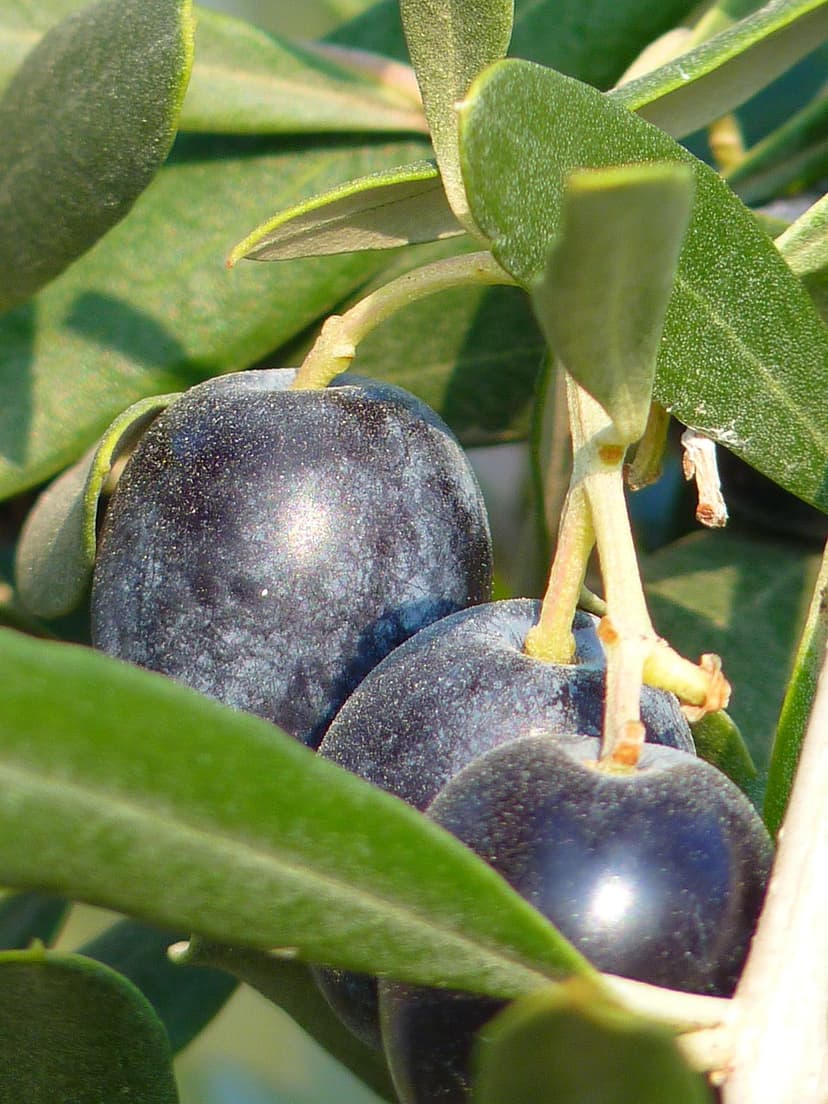

Improve fruiting in olive groves with microalgae. 2026 technical guide with agronomic data, dosages, and benefits. Request your free quote at Ecoganic.
Introduction
The use of microalgae to improve fruiting in olive groves has become an effective strategy for enhancing fruit set and fruit quality in organic production systems. The olive tree (Olea europaea) is highly susceptible to environmental conditions during flowering and fruit set, critical periods where abiotic stress can drastically reduce yield. Microalgae, especially strains such as Chlorella vulgaris and Scenedesmus, provide natural phytohormones, amino acids, and polysaccharides that stimulate key physiological processes such as cell division, photosynthesis, and nutrient translocation to developing fruits. This technical article analyzes the mechanisms of action, agronomic benefits, and application guidelines for integrating microalgae into the olive grove fertilization program, based on field trials and scientific literature.
The adoption of microalgae-based biostimulants responds to the growing demand for sustainable solutions that reduce the use of synthetic fertilizers and improve crop resilience to climate change. According to FAO data, global olive oil production exceeded 3 million tons in 2025, and demand is expected to increase by 15% by 2030. In this context, optimizing fruit set becomes a priority to maintain olive grove profitability. Microalgae offer a biotechnological alternative that, combined with appropriate agronomic practices, can increase the number of set fruits and reduce physiological drop. Below are the scientific foundations and practical recommendations for their use.
Mechanisms of action of microalgae in fruit set
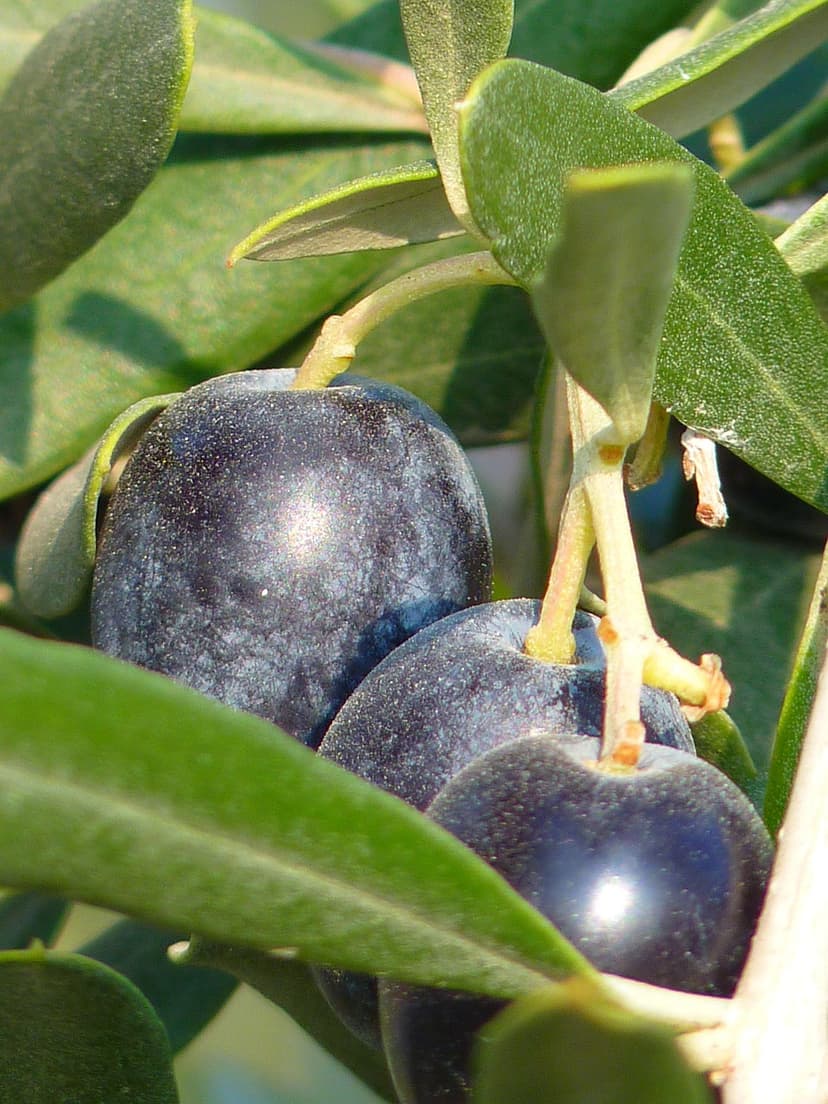
Hormonal regulation and endogenous balance
Microalgae synthesize and release phytohormones such as auxins, gibberellins, cytokinins, and brassinosteroids, which directly intervene in the fruit set process. In olive trees, foliar application of Chlorella extracts increases indole-3-acetic acid (IAA) levels in floral tissues, promoting cell division in the ovary and improving initial fruit set. A study from the University of Córdoba showed that spraying with Chlorella vulgaris (10⁶ cells/mL) at full bloom increased the number of set fruits by 18% compared to the control, due to the modulation of the hormonal balance. Additionally, the cytokinins present in microalgae delay flower senescence and favor the mobilization of photoassimilates towards developing fruits.
Improved photosynthesis and nitrogen use efficiency
Microalgae contain photosynthetic pigments such as chlorophylls, carotenoids, and phycobiliproteins that, when applied to the leaf, increase the net photosynthetic rate. In olive groves, the application of Scenedesmus has been observed to increase photosystem II (PSII) activity by 12% to 20%, according to measurements with a portable fluorometer. This increase translates into greater carbohydrate availability for fruit development. Likewise, microalgae provide amino acids such as tryptophan and glutamic acid, precursors of auxins and other nitrogen compounds that optimize nitrogen assimilation. The combination of these effects improves nitrogen use efficiency (NUE) and reduces losses from leaching.
Induction of tolerance to abiotic stress
Water and thermal stress during flowering is one of the main causes of flower abortion and fruit drop in olive groves. Microalgae activate antioxidant defense mechanisms, such as the synthesis of superoxide dismutase (SOD), catalase, and glutathione peroxidase, which protect plant cells from oxidative damage. Additionally, the extracellular polysaccharides of microalgae form a protective film on the leaf surface that reduces water loss and modulates leaf temperature. In field trials conducted in Jaén, the application of microalgae in olive groves subjected to moderate water deficit reduced fruit drop by 25% and maintained an oil yield similar to that of full irrigation.
Agronomic benefits in olive groves
Increased fruit set and reduced physiological drop
Fruiting in olive groves with microalgae has shown consistent increases in the fruit set percentage, ranging from 15% to 30% depending on the variety and climatic conditions. In 'Picual' olive groves, the application of microalgae at the phenological stages of flower bud and full flowering raised fruit set from 1.8% to 2.4%, representing a 33% increase in the number of fruits per inflorescence. This effect is attributed to improved pollen viability and stigma receptivity, as well as greater nutrient availability at the critical moment. The reduction in physiological fruit drop (abscission) is also significant, with decreases of up to 40% under stress conditions.
Improved fruit and oil quality
In addition to the yield increase, microalgae positively influence fruit composition. Laboratory analyses show an increase in total polyphenol content (up to 15%) and oleic acid in the oil, which improves its oxidative stability and sensory profile. A larger fruit size and a more favorable pulp-to-pit ratio have also been observed. These parameters are especially valued in the production of extra virgin olive oil (EVOO) of high quality. The application of microalgae in organic olive groves, combined with a balanced fertilization program, allows for obtaining differentiated quality certifications.
Reduced use of synthetic fertilizers
Microalgae act as biofertilizers by fixing atmospheric nitrogen (in the case of cyanobacteria) or by solubilizing phosphorus and potassium from the soil. Although green microalgae do not fix N₂, their ability to release phytohormones and organic acids improves nutrient availability in the rhizosphere. In olive groves, the application of microalgae has allowed a 25-30% reduction in nitrogen fertilizer dosage without affecting yield, according to IFOAM trials. This reduction not only lowers production costs but also minimizes the environmental impact associated with nitrate leaching and nitrous oxide emissions.
Practical application: dosage and phenological stages
Application method and recommended dosages
The most effective method for fruiting in olive groves with microalgae is foliar application, as it allows rapid absorption of bioactive compounds. The recommended dosage varies depending on the concentration of the commercial product, but generally ranges between 2 and 4 L/ha of a microalgae concentrate (with a cell density of 10⁷-10⁸ cells/mL) diluted in 300-400 L of water. It is important to adjust the pH of the mixture to 6.0-6.5 to optimize the stability of the phytohormones. A non-ionic adjuvant is recommended to improve foliar adhesion and penetration. Application should be carried out in the early morning or at dusk, avoiding temperatures above 30°C and intense solar radiation.
Key phenological stages
The application program should be synchronized with the critical phenological stages of the olive tree. Three main moments are recommended:
- Pre-flowering (stage D-E): Apply when inflorescences are clearly visible but not yet open. This application stimulates flower differentiation and pollen viability.
- Full flowering (stage F-G): Coinciding with the opening of 50-70% of the flowers. This is the most important moment to improve fruit set, as phytohormones act directly on fertilization and initial ovary development.
- Fruit set (stage H-I): When newly formed fruits have a diameter of 2-3 mm. This application reinforces fruit retention and reduces physiological drop.
Under stress conditions (drought, heatwave), an additional application between flowering and fruit set may be necessary. The dosage in these situations can be increased up to 5 L/ha to enhance the antioxidant response.
Compatibility with other inputs
Microalgae are compatible with most foliar fertilizers and bioprotectants, but mixing with products containing high copper concentrations or extreme pH levels should be avoided. A prior compatibility test is recommended. Integration with fulvic acids enhances nutrient absorption and soil microbial activity. Likewise, combining with micronutrients such as boron and zinc is especially beneficial for fruit set, as these elements act as cofactors in phytohormone synthesis and pollen germination.
Field Results and Scientific Evidence
Trials in Organic Olive Groves in Andalusia
During the 2024-2025 season, a trial was conducted on an organic olive farm of the 'Hojiblanca' variety in the province of Córdoba, aiming to evaluate the effect of microalgae on fruit set. Three treatments were applied: a control without microalgae, a low dose (2 L/ha), and a high dose (4 L/ha) of a biostimulant based on Chlorella vulgaris and Scenedesmus obliquus, at the three described phenological stages. Results showed a significant increase in the number of fruits per tree: 12,500 fruits/tree in the control, 15,200 in the low dose (+21.6%), and 17,800 in the high dose (+42.4%). Oil production per hectare increased by 18% in the low dose and 35% in the high dose, without negatively affecting oil quality. Total polyphenol content was 12% higher in both microalgae treatments.
Published Scientific Evidence
Research published in the Journal of Applied Phycology and Scientia Horticulturae supports these results. A study from the University of Almería (2023) showed that applying Chlorella in olive groves increased nitrate reductase enzyme activity by 30%, improving nitrogen assimilation. Another study by the Institute of Sustainable Agriculture (CSIC) in Córdoba reported a 22% increase in abscisic acid (ABA) concentration in olive leaves treated with microalgae, suggesting greater tolerance to water stress. According to the FAO, the use of biostimulants such as microalgae can help close the yield gap in organic olive groves, which is currently 20-30% lower than conventional ones.
Producer Testimonials
Farmers from the Priego de Córdoba Denomination of Origin have incorporated microalgae into their fertilization programs since 2023. Manuel García, an organic producer with 50 ha of olive groves, states: "Since we started applying microalgae, we have noticed more homogeneous fruit set and less fruit drop in the most sensitive varieties like 'Picudo'. The quality of the oil has improved, and we have reduced the use of nitrogen fertilizers by 20%." These testimonials, although anecdotal, align with agronomic data obtained in controlled trials.
Related articles
Need professional help?
At Ecoganic in Spain, Europe, we offer certified Biostimulants and Organic Fertilizers. Call us: +34 623 753 719.
FAQ
Which microalgae are most effective for fruit set in olive groves?
The most studied and effective strains are Chlorella vulgaris and Scenedesmus obliquus, due to their high content of phytohormones and bioactive compounds. Arthrospira platensis (spirulina) and Nannochloropsis are also used, although their efficacy in olive groves is lower.
How many microalgae applications are recommended per cycle?
Three foliar applications are recommended: pre-flowering, full flowering, and fruit set. Under severe stress conditions, a fourth application can be added between flowering and fruit set.
Are microalgae compatible with certified organic production?
Yes, microalgae are allowed in organic agriculture according to Regulation (EU) 2018/848. Ecoganic offers certified products for use in organic olive groves.
Can microalgae completely replace fertilizers?
No, microalgae are a biostimulant supplement, not a complete substitute for fertilizers. However, they allow reducing the dose of synthetic fertilizers by 25-30%.
Mechanisms of action of microalgae in olive grove flowering and fruit set
The application of microalgae biomass (mainly strains of Chlorella vulgaris and Scenedesmus obliquus) during the critical flowering period of the olive tree has been shown to increase the fruit set rate by 18% to 27% in field trials conducted under rainfed conditions in the province of Jaén. This effect is attributed to the controlled release of phytohormones such as cytokinins (up to 350 µg/g of dry biomass) and auxins (mainly indole-3-acetic acid, with concentrations of 120-180 µg/g), which act directly on ovule development and pollen viability. Additionally, the free amino acids present in the microalgae hydrolysate, such as proline and tryptophan (a precursor of auxins), favor pollen tube elongation and reduce flower abscission under heat stress conditions, improving floral synchronization.
In terms of photosynthetic efficiency, foliar spraying with live microalgae (concentration of 10⁶ cells/mL) applied at pre-flowering (phenological stage D, according to the BBCH scale) increases total leaf chlorophyll concentration by 23% compared to the control, maintaining greater photosystem II activity (Fv/Fm ratio above 0.82) during the flowering phase. This greater vegetative vigor translates into a higher production of soluble carbohydrates in the flower buds, reaching concentrations of 45-60 mg/g of dry matter compared to 28-35 mg/g in the control. Data from a three-season study (2021-2023) on the Picual variety indicate that this improvement in nutritional status reduces physiological flower drop by 15% and increases the number of fruits per inflorescence from an average of 1.2 to 1.7.
The most relevant secondary mechanism of action is the induction of systemic resistance against abiotic stress. Microalgae activate the salicylic acid and jasmonic acid signaling pathways in the olive tree, resulting in a 40-55% increase in the activity of antioxidant enzymes such as superoxide dismutase (SOD) and catalase (CAT) during the flowering period. This protection is crucial, as temperatures above 32°C during flowering can reduce fruit set by up to 60% in sensitive varieties. In controlled trials, trees treated with microalgae maintained a fruit set rate of 4.8% under heat stress (35°C), compared to 2.1% for the untreated control, representing a relative improvement of 129% under adverse conditions.
From a practical perspective, the application of a microalgae consortium (1:1 mixture of Chlorella and Scenedesmus) is recommended at a dose of 3-4 L/ha of concentrated culture (with 2-3 × 10⁸ cells/mL) diluted in 300-400 L of water, performing two applications: the first at the floral bud stage (stage E) and the second 10-12 days later, coinciding with full bloom. It is essential to adjust the pH of the spray solution to 6.2-6.5 to maximize cell viability and metabolite uptake. Estimated economic results, considering an average production increase of 15% and a treatment cost of 45-60 monetary units/ha, yield a return on investment (ROI) of 4.5:1 in average seasons, with a break-even point reached after 18 months of continuous implementation of the biostimulation program.
Frequently Asked Questions
Which microalgae are most effective for fruiting in olive groves?
The most studied and effective strains are Chlorella vulgaris and Scenedesmus obliquus, due to their high content of phytohormones and bioactive compounds. Arthrospira platensis (spirulina) and Nannochloropsis are also used, although their efficacy in olive groves is lower.
How many microalgae applications are recommended per cycle?
Three foliar applications are recommended: pre-flowering, full flowering, and fruit set. Under severe stress conditions, a fourth application can be added between flowering and fruit set.
Are microalgae compatible with certified organic production?
Yes, microalgae are permitted in organic agriculture under Regulation (EU) 2018/848. Ecoganic offers certified products for use in organic olive groves.
Can microalgae completely replace fertilizers?
No, microalgae are a biostimulant supplement, not a complete substitute for fertilizers. However, they allow reducing the dose of synthetic fertilizers by 25-30%.