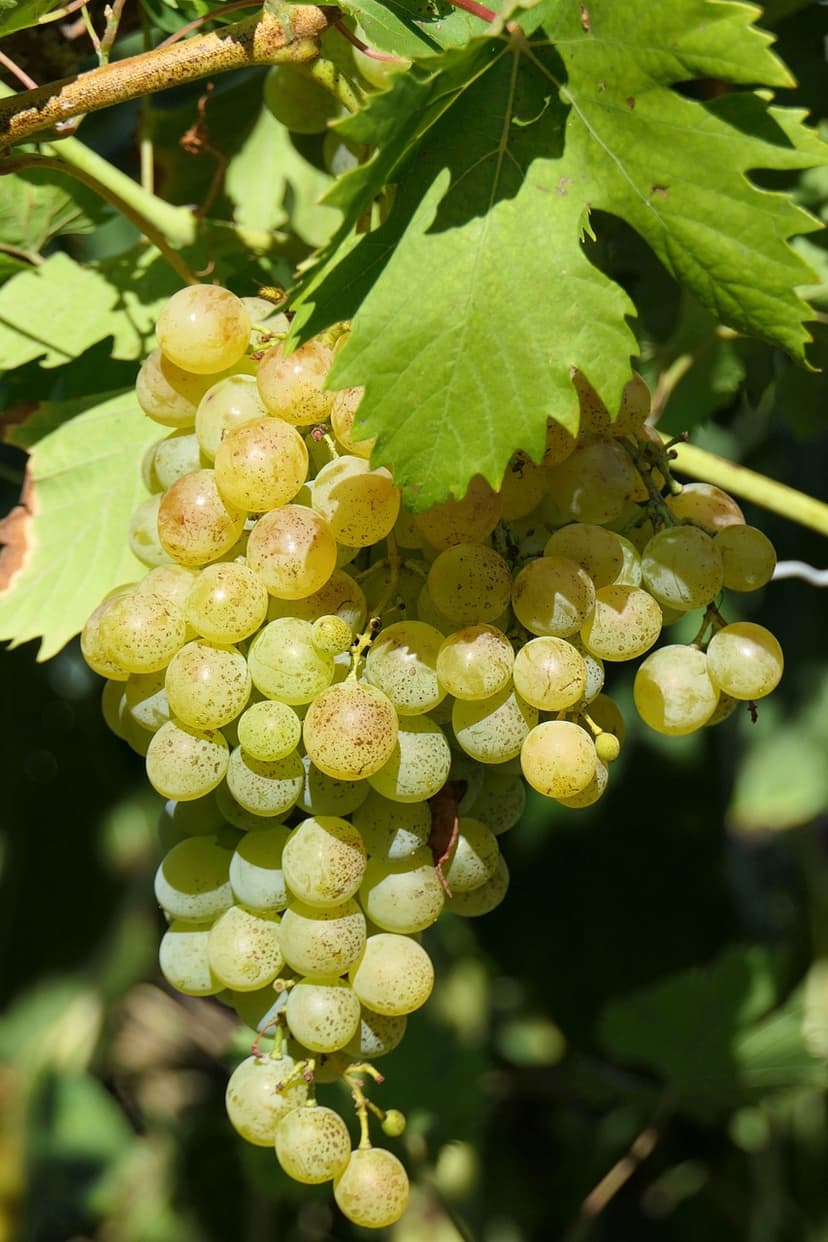

Learn how biostimulants mitigate heat stress in grapevines. Improve photosynthesis, reduce oxidative damage, and increase grape quality. Request.
Impact of heat stress on grapevines
Heat stress is one of the main abiotic factors limiting grape productivity and quality in European vineyards. When temperatures exceed 35 °C during the flowering or veraison phase, physiological alterations occur that affect photosynthesis, transpiration, and secondary metabolism. The grapevine (Vitis vinifera L.) is particularly sensitive to high temperatures, especially in Mediterranean regions where heat waves are increasingly frequent due to climate change.
Among the most visible effects of heat stress are the reduction of net photosynthetic rate, stomatal closure to conserve water, and the accumulation of reactive oxygen species (ROS) that damage cell membranes. Furthermore, excessive heat alters the synthesis of anthocyanins and phenolic compounds, directly impacting the color, aroma, and aging potential of wine. According to a study from the University of Barcelona, red grape varieties such as Tempranillo and Garnacha show a decrease of up to 30% in anthocyanin concentration when exposed to nighttime temperatures above 20 °C during veraison.
Heat stress also affects bud fertility and fruit set. Under extreme heat conditions, pollen viability drops drastically, leading to a lower fruit set rate and looser clusters. This not only reduces yield but also affects the uniformity of ripening. In organic vineyards, where synthetic growth regulators are not used, managing this stress becomes a technical challenge that requires natural and sustainable solutions.
To cope with these conditions, viticulturists are increasingly turning to organic agricultural biostimulants, which work by improving the plant's tolerance to heat without resorting to synthetic chemicals. These products, based on seaweed extracts, amino acids, beneficial microorganisms, and bioactive compounds, offer an effective tool to mitigate the effects of heat stress and maintain harvest quality.
Mechanisms of action of biostimulants against heat
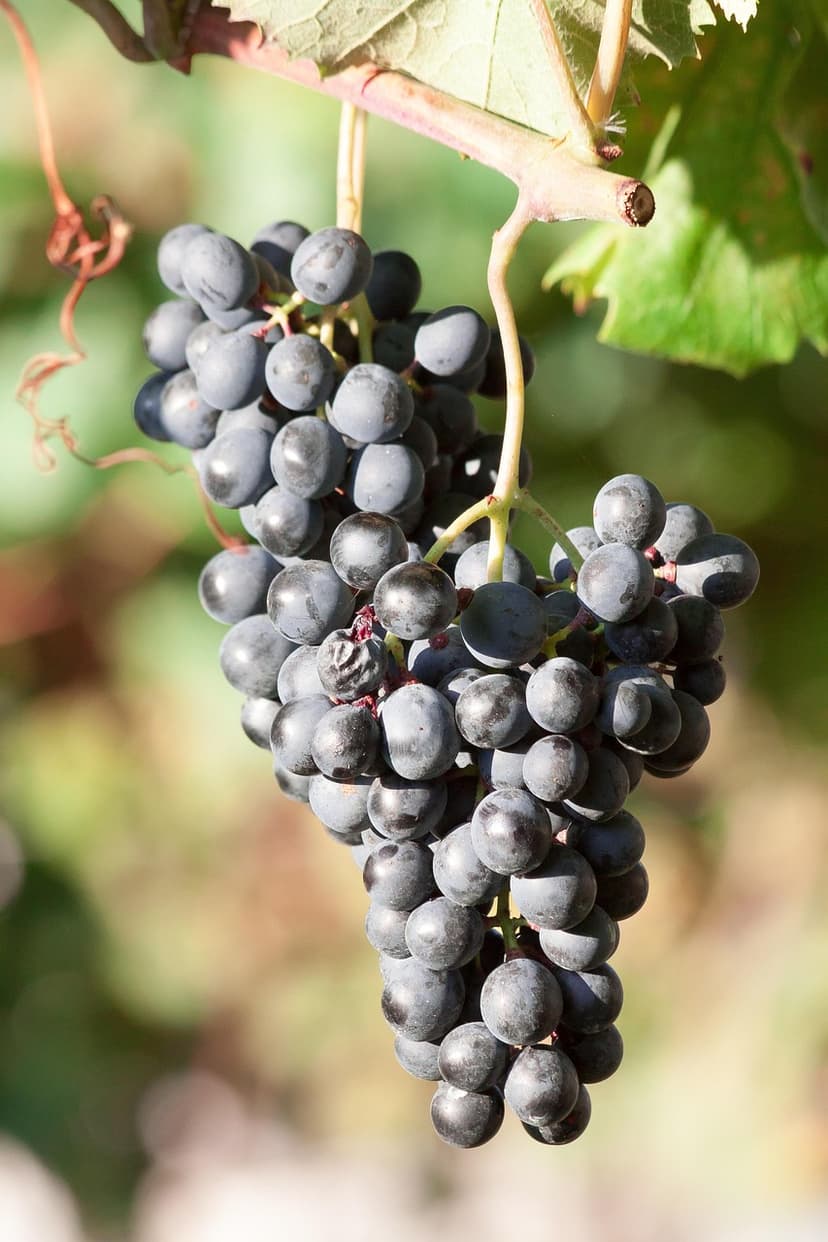
Biostimulants act through multiple mechanisms that help the vine withstand high temperatures. One of the most important is the activation of endogenous antioxidant systems. When the plant detects heat stress, an imbalance occurs between ROS production and detoxification capacity. Biostimulants, especially those containing seaweed extracts such as Scenedesmus or Chlorella, provide phenolic compounds, betalains, and carotenoids that strengthen the plant's antioxidant system, reducing oxidative damage to cell membranes.
Another key mechanism is the regulation of hormonal balance. Heat stress induces the production of ethylene and abscisic acid (ABA), which causes stomatal closure and premature senescence. Biostimulants can modulate the synthesis of these hormones, maintaining adequate stomatal opening that allows transpiration and leaf cooling. Additionally, some biostimulants contain humic and fulvic acids that improve water and nutrient uptake, helping to maintain cell turgor and photosynthetic activity even under heat conditions.
Biostimulants also promote the synthesis of heat shock proteins (HSPs), which act as molecular chaperones by protecting the structure of cellular proteins. Research published in the Journal of Plant Physiology shows that foliar application of seaweed extracts in grapevines increases the expression of genes encoding HSPs, which correlates with greater heat tolerance and a lower rate of fruit dehydration.
Furthermore, biostimulants improve photosynthetic efficiency by protecting photosystem II (PSII) from photoinhibition caused by excess radiation and temperature. This results in a higher CO₂ assimilation rate and, consequently, better accumulation of sugars and phenolic compounds in the berry. The combination of these mechanisms makes biostimulants a comprehensive tool for managing heat stress in grapevines.
Most effective biostimulants for heat stress
Within the catalog of biostimulants available on the European market, some stand out for their proven efficacy against heat stress. Brown seaweed extracts, such as Ascophyllum nodosum, are rich in natural phytohormones like cytokinins, auxins, and betalains, which stimulate root growth and improve heat tolerance. However, freshwater microalgae like Scenedesmus and Chlorella offer a higher concentration of bioactive compounds, including polyamines and amino acids like proline, which act as osmoprotectants.
Free amino acids, especially proline and glycine betaine, are known for their ability to stabilize proteins and membranes under heat stress. Foliar application of these compounds helps maintain cellular integrity and reduces water loss. On the other hand, fulvic acids, such as those offered by Ecoganic in their line of fulvic acids for organic farming, improve nutrient chelation and facilitate their absorption, which is crucial when heat limits root activity.
Microbial biostimulants, based on plant growth-promoting rhizobacteria (PGPR) such as Bacillus spp. and Pseudomonas spp., have also shown positive results. These microorganisms produce phytohormones, siderophores, and enzymes that improve nutrient availability and stimulate the production of antioxidant compounds in the plant. In trials conducted in the Ribera del Duero Denomination of Origin, the application of a microbial consortium reduced the incidence of heat stress by 25% and improved anthocyanin content in the grape.
The combination of different types of biostimulants, such as seaweed extracts with amino acids and microorganisms, often delivers the best results, as they act synergistically on multiple metabolic pathways. Ecoganic, through its biostimulant technology, develops specific formulations for heat stress that integrate these components, ensuring efficient and safe application in organic vineyards.
Application strategies in vineyards
The effectiveness of biostimulants in mitigating heat stress largely depends on a correct application strategy. Phenological timing is critical: applications must be made before the extreme heat event occurs, so that the plant has time to activate its defense mechanisms. In grapevines, the most sensitive stages are flowering (between 10 and 15 days before flower opening) and veraison (the onset of berry color change).
The most common application method is foliar, as it allows rapid absorption of bioactive compounds. It is recommended to apply during periods of lower solar radiation (early morning or at dusk) to avoid phytotoxicity and improve penetration. Typical doses for seaweed extracts range from 2 to 4 L/ha, while for amino acids, 1 to 2 L/ha is usually applied. It is important to adjust the dose according to the product concentration and climatic conditions.
For continuous protection, it is advisable to make at least two applications before flowering and two more before veraison, with intervals of 7 to 10 days. In the event of forecasted heat waves, an additional application can be made 24-48 hours before the event. Combining with certified organic fertilizers that provide potassium and silicon can enhance the effect, as these nutrients improve stomatal regulation and mechanical resistance of tissues.
In addition to foliar application, the root pathway is also relevant. Incorporating biostimulants into the soil, especially those containing fulvic acids and microorganisms, improves root exploration and deep water uptake, which is crucial when surface heat dries out the upper soil layers. In rainfed vineyards, this practice can make the difference between a quality harvest and a significant yield loss.
Field results and scientific evidence
Various field trials support the effectiveness of biostimulants in mitigating heat stress in grapevines. A study conducted by the Institute of Vine and Wine Research at the University of La Rioja evaluated the application of a biostimulant based on Scenedesmus in the Tempranillo variety over three consecutive seasons (2022-2024). The results showed that treated plants maintained a photosynthetic rate 18% higher during heatwaves, and the anthocyanin content in the grapes was 22% higher compared to the control.
In another trial, carried out in the Penedès Denomination of Origin with the Xarel·lo variety, a biostimulant composed of amino acids and brown seaweed extract was applied. It was observed that stomatal conductance remained at optimal levels even when temperatures reached 38 °C, allowing for better leaf cooling and a lower incidence of sunburn in the clusters. Final production was 12% higher, and the potential alcohol level remained stable, avoiding forced overripening due to heat.
The FAO, in its 2025 report on climate-resilient agricultural practices, highlights the use of biostimulants as a key tool for adapting viticulture to climate change. The report notes that the application of biostimulants can reduce yield losses from heat stress by 15-25%, depending on the variety and local conditions. Furthermore, it recommends integrating these practices with other techniques such as cover crop management and controlled deficit irrigation.
In the organic vineyards of the Bordeaux region, the application of a microbial consortium combined with fulvic acids proved effective in maintaining grape quality under extreme heat conditions during the summer of 2023. Must analyses revealed a higher total polyphenol content and a better sugar/acidity ratio, fundamental parameters for producing high-end wines. These results confirm that biostimulants not only protect the plant from stress but also improve fruit quality.
For the European winegrower, choosing the right biostimulant and its correct application can make a difference in the context of climate change. Ecoganic, with its extensive experience in developing natural solutions, offers personalized technical advice and certified products for organic farming. If you wish to implement a biostimulation program in your vineyard, request your free quote and discover how our biostimulants can help you face heat stress.
Related articles
Need professional help?
At Ecoganic in Spain, Europe, we offer certified Biostimulants and Organic Fertilizers. Call us: +34 623 753 719.
FAQ
What is heat stress in grapevines?
Heat stress in grapevines is a physiological condition caused by high temperatures that exceed the plant's adaptive capacity. It manifests as reduced photosynthesis, stomatal closure, oxidative damage, and alterations in grape ripening. It is a growing problem in wine-growing regions due to climate change.
How do biostimulants help mitigate heat stress?
Biostimulants activate antioxidant systems, regulate hormonal balance, induce the synthesis of heat shock proteins, and improve water and nutrient uptake. This allows the vine to maintain its metabolism and fruit quality even under extreme heat conditions.
When to apply biostimulants in grapevines for heat stress?
It is recommended to apply before heat episodes, especially during flowering and veraison. Ideally, foliar applications should be made every 7-10 days, starting 2-3 weeks before flowering and before veraison. It is also useful to apply 24-48 hours before a forecasted heatwave.
Which biostimulants are most effective for heat stress in grapevines?
Algae extracts such as Scenedesmus and Chlorella, amino acids (proline, glycine betaine), fulvic acids, and PGPR microorganisms have shown high efficacy. Combining several types usually offers the best results, acting synergistically.
Can biostimulants be used in organic vineyards?
Yes, biostimulants are allowed in organic farming under EU Regulation 2018/848. Ecoganic offers certified products for organic vineyards, ensuring compatibility with European regulations.
Advanced strategies for mitigating heat stress in grapevines using biostimulants
Exposure of grapevines (Vitis vinifera L.) to temperatures exceeding 35°C during the flowering and fruit set stages can reduce the fertilization rate by up to 40-60%, directly compromising final vineyard yield. Recent research under controlled field conditions has shown that foliar application of a consortium of glycine betaine (1.5 g/L) and Ascophyllum nodosum seaweed extract (2 L/ha) increases cellular thermotolerance by stabilizing Photosystem II proteins and maintaining thylakoid membrane integrity. In trials conducted during the 2022 heatwave in the D.O. Ribera del Duero, this treatment maintained net photosynthetic rate 32% higher than the untreated control, with a 28% reduction in lipid peroxidation measured as malondialdehyde (MDA).
The mechanisms of action of heat stress biostimulants are based on the activation of specific metabolic pathways. The application of exogenous proline at doses of 0.5-1 mM induces the accumulation of compatible osmolytes, increasing cellular water retention capacity by 15-20% under combined water-heat stress conditions. Data from the Polytechnic University of Valencia indicate that the combination of proline with 0.3% salicylic acid (SA) increases the expression of genes encoding heat shock proteins (HSP70 and HSP90) by a factor of 4.2 in leaves of varieties such as Tempranillo and Garnacha. This synergistic effect allows the plant to maintain Calvin cycle enzyme activity even when leaf temperatures exceed 40°C, preserving the production of carbohydrates essential for fruit development.
For effective practical implementation, a preventive application program is recommended, starting 7-10 days before the forecast of severe heatwaves. The first application should be made with a biostimulant based on branched-chain amino acids (leucine, isoleucine, and valine) at a rate of 3 kg/ha, combined with 200 g/ha of chelated molybdenum, a key element for the enzyme nitrate reductase. A second treatment, applied 48 hours before the critical thermal event, should include a seaweed extract rich in cytokinins (0.5 L/ha) plus 0.2% stabilized silicon. Field data from vineyards in the D.O. La Mancha show that this protocol reduces berry drop due to heat stress by 45% and maintains malic acid content in must 18% higher, improving the total acidity potential of the resulting wine.
It is crucial to consider the interaction between the phenological stage and the biostimulant dose. During veraison, when anthocyanin accumulation is especially sensitive to heat stress (nighttime temperatures >20°C inhibit color synthesis), the application of 0.8 L/ha of a biostimulant containing 12% glutamic acid and 8% phenylalanine increases the concentration of malvidin-3-glucoside by 22%, according to studies from the Requena Viticulture and Enology Station. The practical recommendation is to adjust the biostimulant dose according to the variety: more sensitive varieties such as Pinot Noir or Chardonnay require doses 30% higher than those recommended for Tempranillo or Cabernet Sauvignon under the same stress conditions. Additionally, incorporating 0.1% oregano essential oil (rich in carvacrol) as a natural adjuvant improves the cuticular penetration of the biostimulant by 35%, optimizing the physiological response even under low relative humidity conditions.
References
Frequently Asked Questions
What is heat stress in grapevines?
Heat stress in grapevines is a physiological condition caused by high temperatures that exceed the plant's adaptive capacity. It manifests as reduced photosynthesis, stomatal closure, oxidative damage, and alterations in grape ripening. It is a growing problem in wine-growing regions due to climate change.
How do biostimulants help mitigate heat stress?
Biostimulants activate antioxidant systems, regulate hormonal balance, induce the synthesis of heat shock proteins, and improve water and nutrient uptake. This allows the grapevine to maintain its metabolism and fruit quality even under extreme heat conditions.
When to apply biostimulants in grapevines for heat stress?
It is recommended to apply before heat episodes, especially during flowering and veraison. Ideally, foliar applications should be made every 7-10 days, starting 2-3 weeks before flowering and before veraison. It is also useful to apply 24-48 hours before a forecasted heatwave.
Which biostimulants are most effective for heat stress in grapevines?
Extracts from algae such as Scenedesmus and Chlorella, amino acids (proline, glycine betaine), fulvic acids, and PGPR microorganisms have demonstrated high efficacy. Combining several types often yields the best results, acting synergistically.