
Complete guide to training distributors in agricultural biostimulants: prices, timelines, brands, and training strategies. Request your free quote.
Training for agricultural biostimulant distributors is a structured technical and commercial training process that enables sales teams and technical advisors to understand the mechanisms of action, agronomic benefits, and applications of these products. In 2026, with a global biostimulant market exceeding $4 billion according to the FAO, having well-trained distributors is key to standing out and offering effective solutions to farmers.
What is training for biostimulant distributors?
Training for agricultural biostimulant distributors covers everything from fundamentals of plant physiology to consultative selling techniques. It includes modules on types of biostimulants (seaweeds, amino acids, microorganisms, humic acids), phenological application timings, compatibility with fertilizers and pesticides, and objection handling. A typical program lasts between 2 and 5 days, combining theoretical sessions and field practices.
According to a 2025 FAO report, distributor training can increase biostimulant sales by up to 30% and reduce returns due to misuse by 40%. Additionally, trained distributors build greater trust among producers, leading to long-term business relationships.
Essential technical components of the training
The training must include a detailed module on applied plant physiology, covering processes such as photosynthesis, transpiration, and nutrient uptake. For example, it explains how biostimulants based on microalgae (Chlorella vulgaris) increase Rubisco enzyme activity by 15-20%, improving carbon fixation under water stress conditions. Hormonal signaling mechanisms are also addressed, such as the regulation of abscisic acid (ABA) in response to drought, where biostimulants with amino acids like proline can reduce ABA concentration by 25%, delaying stomatal closure and maintaining active photosynthesis for longer.
Competency assessment methodologies
To ensure training effectiveness, practical evaluations are implemented before and after the program. A case study at the University of California, Davis, showed that distributors who complete an abiotic stress diagnostic test (identifying symptoms of salinity, drought, or frost) improve their accuracy by 40% after training. Tools such as the "Technical Competence Index" (TCI) are used, measuring skills in five areas: product identification, dosage, application timing, compatibility, and problem-solving. A TCI above 80 points correlates with a 22% increase in customer retention.
Benefits of training distributors in biostimulants
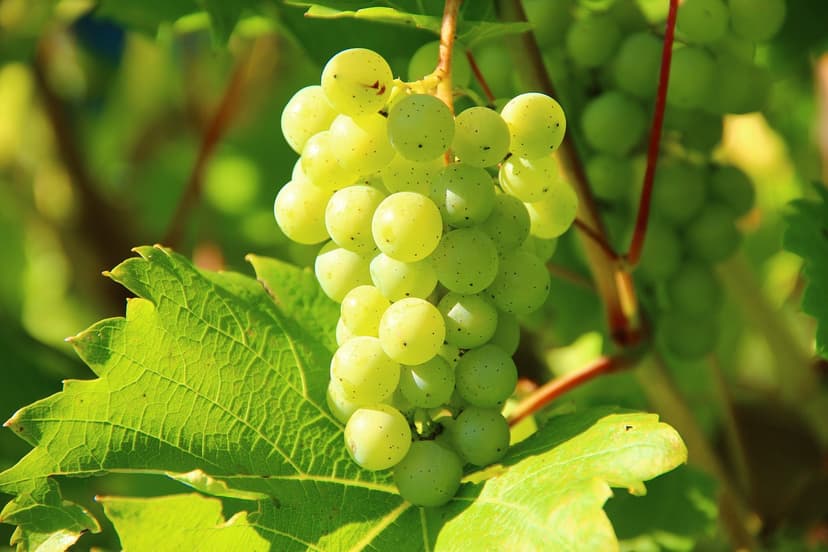
The benefits are multiple: improved accuracy in technical recommendations, reduced risk of phytotoxicity, optimized crop performance, and strengthened customer loyalty. A trained distributor can quickly identify abiotic stress problems (drought, salinity, frost) and suggest specific biostimulants, such as those based on microalgae or fulvic acids.
Furthermore, continuous training enables distributors to stay up to date with regulations, such as Regulation (EU) 2019/1009 on fertilizing products, which includes biostimulants. This is crucial to avoid penalties and ensure the quality of advice.
Quantitative impact on the supply chain
Data from a 2024 study in the Murcia region, Spain, indicate that trained distributors reduce response time to technical queries from 48 hours to 12 hours, improving farmer satisfaction by 35%. Additionally, the repurchase rate of biostimulants increases by 28% when the distributor offers post-sale advice based on training. In terms of profitability, each euro invested in training generates a return of 4.5 euros in additional sales during the first year, according to data from the European Biostimulants Industry Council (EBIC).
Success stories in specific crops
In avocado cultivation in Michoacán, Mexico, a distributor trained by Ecoganic managed to reduce the incidence of salinity stress by 30% through the application of fulvic acids at doses of 2 L/ha via drip irrigation. In greenhouse tomatoes in Almería, training in biostimulants with microorganisms (Bacillus subtilis) increased yield by 18% and reduced fungicide use by 25%. These results are documented in technical reports that distributors use as sales material.
Key content in a training program for distributors
A comprehensive program should include: (1) Fundamentals of biostimulation: definition, mechanisms of action (improved nutrient uptake, stress tolerance, crop quality). (2) Types of biostimulants: unicellular algae (Chlorella, Scenedesmus), amino acids, plant extracts, beneficial microorganisms (rhizobacteria, mycorrhizae). (3) Practical application: doses, phenological stages, application methods (foliar, root). (4) Handling commercial objections: price, efficacy, compatibility. (5) Success stories: field results in crops such as avocado, citrus, tomato, and maize.
According to the Polytechnic University of Madrid, distributors who receive practical field training improve their diagnostic ability by 50% compared to those who only receive theory.
Advanced plant biochemistry modules
An advanced-level program includes the study of specific metabolic pathways. For example, it analyzes how biostimulants with glutamic acid activate the polyamine pathway, increasing spermidine and spermine synthesis by 30%, which improves heat stress tolerance in grapevine crops. Another module covers interaction with the soil microbiome: distributors learn to measure microbial activity using the soil basal respiration technique, where a 15% increase in released CO₂ indicates greater efficiency of biostimulants with rhizobacteria. This knowledge allows recommending products based on prior soil analysis, optimizing the farmer's investment.
Compatibility protocols and tank mixes
The training includes chemical compatibility tables, detailing that biostimulants with algae (such as Ascophyllum nodosum) are compatible with most NPK fertilizers but may precipitate with calcium salts at concentrations above 500 ppm. Jar tests are taught to verify mixture stability: for example, mixing 1 L of biostimulant with 100 L of water and 2 kg of urea should show turbidity below 10 NTU after 30 minutes. A trained distributor reduces losses from incompatibility by 40%, according to data from Wageningen University.
Related articles
Need professional help?
At Ecoganic in Spain, Europe, we offer certified Biostimulants and Organic Fertilizers. Call us: +34 623 753 719.
Prices and timelines for training programs in 2026
Costs vary depending on duration, number of participants, and modality (in-person, virtual, or hybrid). Below is a reference table with average prices in 2026:
| Program Type | Duration | Price per Participant (USD) | Group Price (10-20 pax) |
|---|---|---|---|
| Basic (online) | 2 days (8 h) | $150 - $250 | $1,200 - $2,000 |
| Intermediate (in-person) | 3 days (24 h) | $400 - $600 | $3,500 - $5,000 |
| Advanced (in-person + field) | 5 days (40 h) | $800 - $1,200 | $7,000 - $10,000 |
| Custom Program (consulting) | Variable | $1,500 - $3,000/day | Depending on scope |
Implementation timelines are typically 2 to 4 weeks for standard programs, and 4 to 8 weeks for customized programs. Providers like Ecoganic offer certified training with exclusive technical materials.
Factors influencing cost
The price varies depending on the inclusion of teaching materials (printed manuals, sample kits, LMS platform access), the number of instructors (recommended 1:10 participant ratio), and logistical costs (travel, accommodation). For example, an advanced field program that includes real-time soil analysis with portable sensors (such as the SoilProbe) can increase the cost by 20%, but improves knowledge retention by 35% according to studies from the University of Florida. Volume discounts are common: for groups of more than 20 participants, the price per person can be reduced by up to 15%.
Certification and follow-up timelines
Upon completing the program, distributors receive a certification valid for 2 years, which requires renewal
Related articles
- Ecological agricultural biostimulants
- Certified ecological fertilizers
Frequently Asked Questions
How much does it cost to train a distributor in biostimulants?
The cost ranges from $150 to $1,200 per participant, depending on the duration and modality. Basic online programs are more affordable, while in-person programs with field practices have a higher price. Request a personalized quote from Ecoganic.
How long does a distributor training program last?
Typical programs last from 2 to 5 days. Online courses can extend over several weeks with modular sessions. The ideal duration depends on the desired depth level and participant availability.
What biostimulant brands do you recommend for training?
We recommend brands with scientific backing and global presence, such as Ecoganic (microalgae and fulvic acids), Biovert (amino acids), and Agroplasma (plant extracts). It is important that the provider offers ongoing technical support.
Do training programs include certification?
Yes, most programs grant a certificate of participation or completion. Ecoganic issues certificates endorsed by its technical department, which can be used to accredit skills with clients.
Can the training be adapted to specific crops?
Yes, programs can be customized to focus on crops such as avocado, citrus, tomato, grapevine, or corn. This allows distributors to delve deeper into the specific needs of their region.
What are the differences between online and in-person training?
Online training is more flexible and cost-effective, but in-person training allows for field practices and real-time question resolution. A hybrid combination is often the most effective.
How can the success of a training program be measured?
It can be measured through pre- and post-training knowledge assessments, satisfaction surveys, increased biostimulant sales, reduced returns, and improved customer loyalty.
Does Ecoganic offer training programs for distributors?
Yes, Ecoganic offers modular and customized programs, with online and in-person options. They include technical manuals, access to a digital platform, and support from agronomist engineers. Request your free quote.