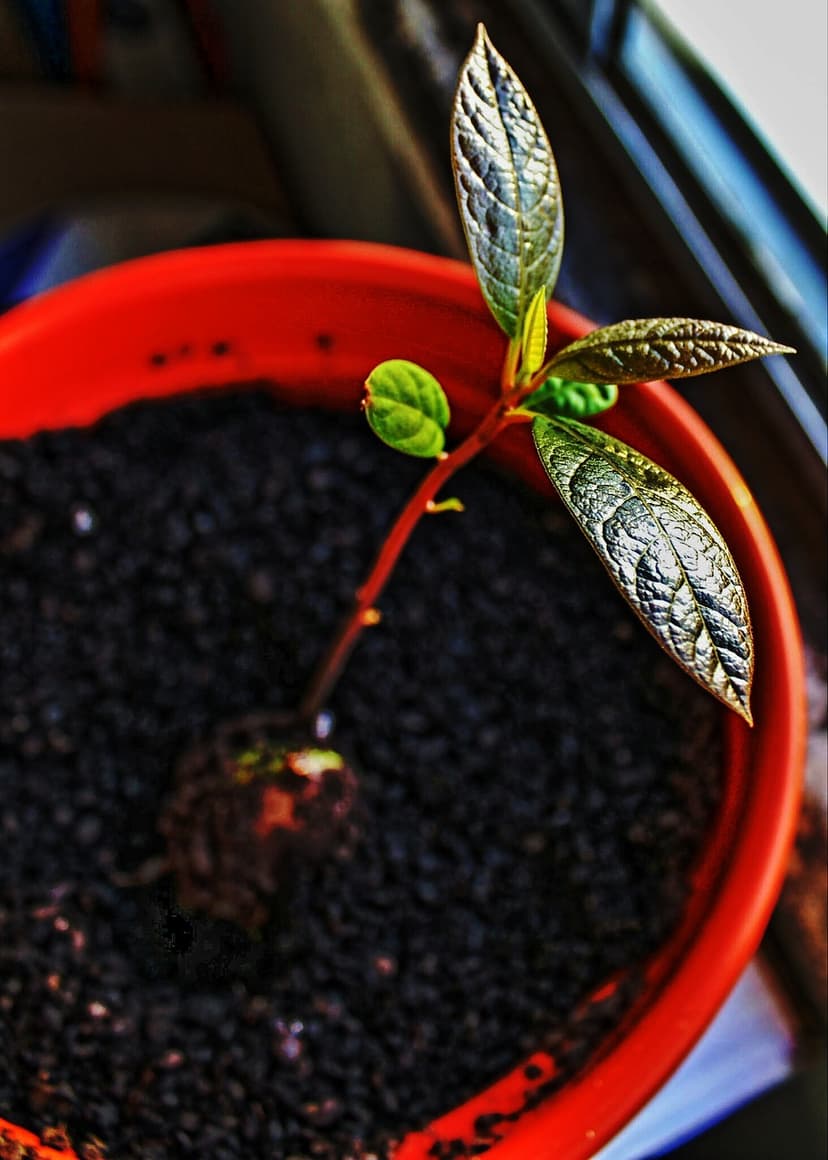

Discover how to control powdery mildew in organic avocado with sustainable strategies. 2026 guide featuring biostimulants, cultural practices, and integrated management.
What is powdery mildew and how does it affect avocado?
Powdery mildew, caused by fungi of the Erysiphaceae family, is a foliar disease affecting avocado cultivation (Persea americana) in tropical and subtropical regions. It manifests as a white or grayish powder on leaves, shoots, and young fruits, reducing photosynthetic capacity and affecting fruit quality. In organic plantations, controlling powdery mildew poses a challenge due to the limited availability of permitted fungicides. However, strategies based on integrated management, including cultural practices, biostimulants and bioprotectants, offer effective and sustainable solutions.
The impact of powdery mildew on avocado can be significant. Infected leaves exhibit chlorosis and curling, reducing the active leaf area and, consequently, carbohydrate production. On fruits, powdery mildew causes surface blemishes that lower their commercial value, especially in smooth-skinned varieties like Hass. Additionally, the disease weakens the tree, making it more susceptible to other pathogens and abiotic stress. Therefore, timely management is crucial to maintain crop productivity and profitability.
Symptoms and diagnosis of powdery mildew in avocado
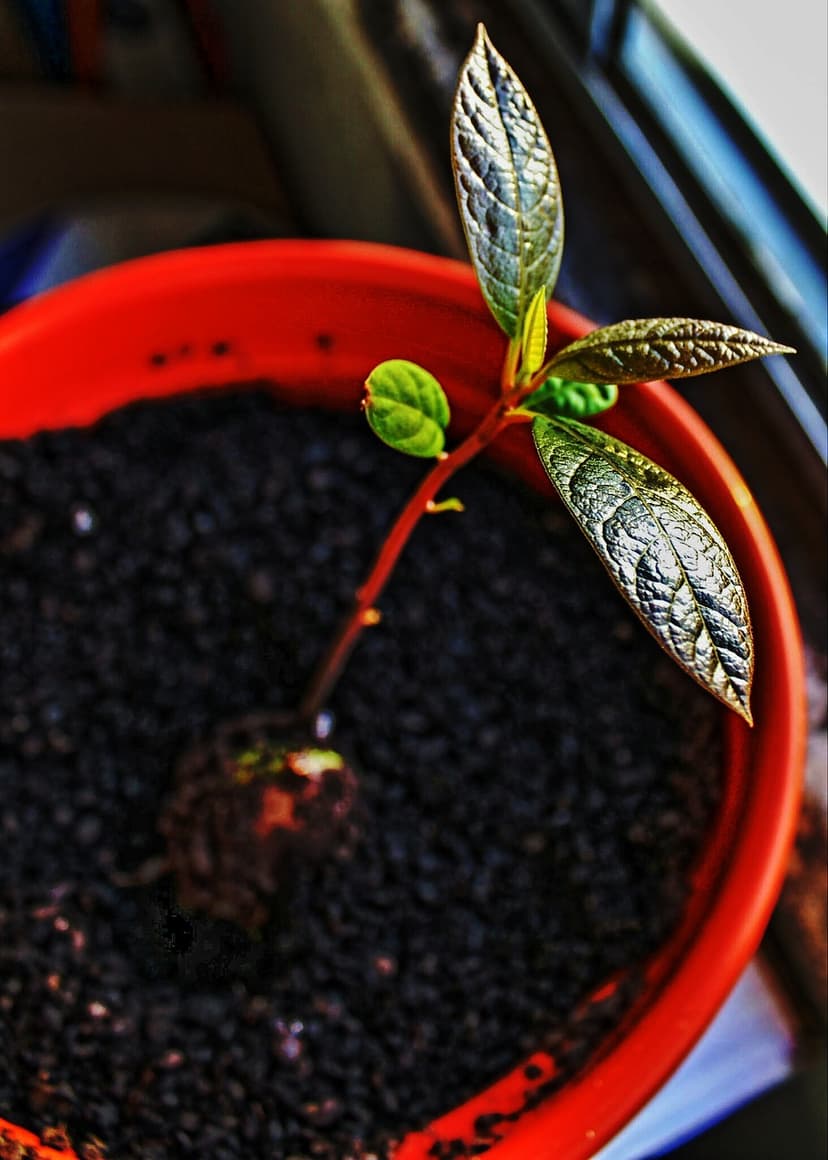
Initial symptoms of powdery mildew in avocado include small, white, powdery spots on the upper surface of young leaves. As the infection progresses, the mycelium covers the entire leaf surface, giving a dusty appearance. On tender shoots, growth becomes distorted and leaves may drop prematurely. On fruit, lesions begin as white circular spots that turn brown over time, affecting the epidermis and reducing aesthetic quality.
Diagnosis is made through direct visual observation, although in doubtful cases it can be confirmed with microscopy, identifying characteristic fungal structures: hyaline conidia in chains. It is important to differentiate powdery mildew from other foliar diseases such as anthracnose or scab, which present different symptoms. Regular monitoring, especially during periods of high relative humidity and moderate temperatures (20-25°C), allows early detection of the disease and timely application of control measures.
Pathogen life cycle and favorable conditions
Powdery mildew reproduces mainly through conidia, which are dispersed by wind and rain. Spores germinate on the leaf surface when relative humidity is high (above 70%) and temperatures range between 15 and 25°C, conditions common in many avocado-growing regions of Latin America. Unlike other fungi, powdery mildew does not require free water to germinate, which facilitates its spread even during dry periods.
The pathogen can survive on infected crop debris or alternative hosts. In avocado, infections are more frequent during periods of active vegetative growth, when there is abundant susceptible young tissue. Planting density, lack of pruning, and excessive shade create a favorable microclimate for fungal development. Therefore, cultural practices that improve ventilation and reduce leaf moisture are fundamental in preventive management.
Ecological control strategies for powdery mildew
Cultural practices
Cultural practices are the foundation of powdery mildew management in organic avocado. Training and maintenance pruning improves aeration and light penetration, reducing relative humidity in the canopy. It is recommended to remove low branches and suckers, as well as maintain adequate planting distance. Additionally, removing pruning debris and infected fruit reduces the inoculum load. Drip irrigation, avoiding foliar wetting, helps keep leaves dry and limits spore germination.
Biological control
There are antagonistic microorganisms that can suppress powdery mildew, such as Ampelomyces quisqualis, a hyperparasitic fungus that attacks the pathogen's mycelium. Bacteria of the genus Bacillus and fungi such as Trichoderma spp. have also been evaluated, competing for space and nutrients or inducing resistance in the plant. The application of these biological control agents should be carried out preventively and under environmental conditions that favor their establishment.
Natural bioprotectants
Bioprotectants based on plant extracts, such as neem oil, garlic extract, or potassium bicarbonate, have shown efficacy against powdery mildew. Potassium bicarbonate alters the pH of the leaf surface, inhibiting spore germination. Elemental sulfur, permitted in organic agriculture, is one of the oldest and most effective fungicides against powdery mildew, although it should be used with caution at high temperatures to avoid phytotoxicity. The application of these products should be uniform and repeated according to disease pressure.
Use of biostimulants and bioprotectants in powdery mildew management
Biostimulants play a key role in strengthening the plant's natural defenses. Products based on microalgae such as Chlorella or Scenedesmus, rich in amino acids, peptides, and polysaccharides, activate metabolic pathways associated with induced systemic resistance (ISR). Foliar application of these biostimulants improves the plant's response to biotic stress, reducing the severity of powdery mildew infection. Additionally, fulvic acids and micronutrients such as silicon help strengthen cell walls, making it difficult for the fungus to penetrate.
In an integrated management program, bioprotectants are combined with biostimulants to enhance their effect. For example, applying sulfur or potassium bicarbonate together with a microalgae-based biostimulant can improve coverage and treatment efficacy. It is important to follow recommended doses and optimal phenological stages: preventive applications during growth flushes reduce the initial incidence of the disease. Rotating products with different modes of action prevents pathogen resistance.
For more information on biostimulants and bioprotectants, check out our section on organic agricultural biostimulants and natural bioprotectants.
Integrated management program for organic avocado
An effective powdery mildew management program in organic avocado integrates all available tools. Below is a scheme based on the crop cycle:
| Phenological stage | Actions |
|---|---|
| Pre-flowering | Sanitary pruning, removal of infected debris. Preventive application of sulfur or potassium bicarbonate every 10-14 days if there is a history of powdery mildew. |
| Flowering and fruit set | Weekly monitoring. Application of microalgae-based biostimulant to strengthen defenses. Use of Ampelomyces quisqualis if first symptoms are detected. |
| Fruit development | Continue monitoring. Rotate between sulfur and potassium bicarbonate. Apply biostimulant every 21 days. Maintain ground cover and drip irrigation. |
| Post-harvest | Rejuvenation pruning. Removal of mummified fruits. Application of compost or organic fertilizers to improve soil health. |
This program should be adjusted according to local conditions and disease pressure. Staff training and application records are essential to evaluate efficacy and make continuous improvements. For a specific fertilization plan, visit our avocado fertilization program.
Related articles
Need professional help?
At Ecoganic in Spain, Europe, we offer certified Biostimulants and Organic Fertilizers. Call us: +34 623 753 719.
FAQ
1. Can powdery mildew on avocado be controlled without chemical fungicides?
Yes, through cultural practices (pruning, drip irrigation), biological control (Ampelomyces quisqualis), and bioprotectants such as sulfur or potassium bicarbonate. Biostimulants also help strengthen the plant.
2. When is the best time to apply sulfur against powdery mildew?
Sulfur should be applied preventively at the start of vegetative growth, when temperatures are below 30°C to avoid phytotoxicity. Repeat every 10-14 days if favorable conditions persist.
3. Do biostimulants really prevent powdery mildew?
Biostimulants are not direct fungicides, but they activate the plant's defense mechanisms (induced systemic resistance), reducing the severity of the infection. They are a complementary tool in integrated management.
4. Can powdery mildew affect avocado fruit quality?
Yes, skin lesions reduce the fruit's commercial value. Additionally, severe infections can cause premature fruit drop and reduce yield.
5. Which avocado varieties are most susceptible to powdery mildew?
Generally, smooth-skinned varieties like Hass are more susceptible. However, susceptibility also depends on growing conditions and inoculum pressure.
References
Frequently Asked Questions
Can powdery mildew on avocado be controlled without chemical fungicides?
Yes, through cultural practices such as pruning and drip irrigation, biological control with Ampelomyces quisqualis, and bioprotectants like sulfur or potassium bicarbonate. Biostimulants also strengthen the plant.
When is the best time to apply sulfur against powdery mildew?
Sulfur should be applied preventively at the start of vegetative growth, with temperatures below 30°C to avoid phytotoxicity. Repeat every 10-14 days if favorable conditions persist.
Do biostimulants really prevent powdery mildew?
Biostimulants are not direct fungicides, but they activate induced systemic resistance, reducing the severity of the infection. They are a complementary tool in integrated management.
Can powdery mildew affect avocado fruit quality?
Yes, lesions on the skin reduce commercial value. Severe infections can cause premature fruit drop and decrease yield.
Which avocado varieties are most susceptible to powdery mildew?
Smooth-skinned varieties like Hass are more susceptible, although susceptibility depends on growing conditions and inoculum pressure.