

Increase tomato production in Colombia using biostimulants. Improve the quality and health of your crops. Request your free quote now!
Introduction to Biostimulants
Biostimulants are products that, when applied to crops, improve nutritional efficiency, promote growth, and increase resistance to environmental stress. In the Colombian agricultural context, where tomato cultivation is fundamental, the incorporation of biostimulants can make a significant difference in crop productivity and quality.
These products act through various biochemical mechanisms, such as hormonal regulation, activation of metabolic processes, and improvement of soil microbiota. Therefore, their application not only impacts the immediate growth of plants but also improves long-term soil health, which is essential for agricultural sustainability.
Benefits of Biostimulants in Tomatoes
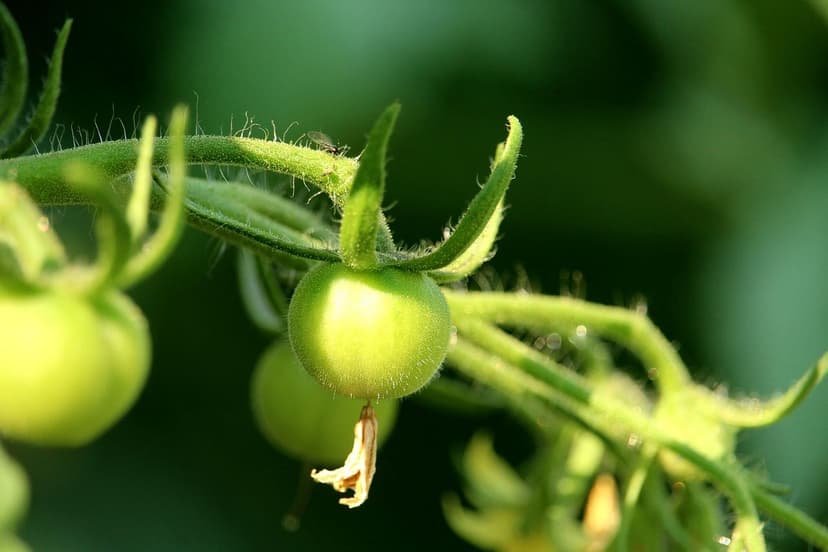
Tomatoes are a crop that requires particular attention in terms of nutrition and agronomic management. The application of biostimulants can offer multiple benefits:
- Improved root growth: Biostimulants promote the development of a more robust root system, allowing better absorption of nutrients and water. A study conducted by the National University of Colombia showed that the use of amino acid-based biostimulants increased root volume by 30% compared to control crops. This improved root growth not only increases the plant's ability to absorb water but also enhances tolerance to water stress conditions.
- Increased stress tolerance: Biostimulants help crops adapt better to adverse conditions, such as drought or degraded soils. Research has shown that the use of seaweed extracts can increase drought resistance by 25% by improving stomatal regulation. This effect is due to the production of osmoprotective compounds that help plants maintain cell turgor during periods of water deficit.
- Enhanced fruit quality: With the use of biostimulants, an increase in tomato size and flavor has been observed, as well as improved disease resistance. In recent trials, tomatoes treated with biostimulants showed a 15% increase in soluble solids content, which translates to better flavor. The improvement in fruit quality is related to greater nutrient assimilation and the activation of metabolic pathways that favor the production of sugars and phenolic compounds.
- Optimized fertilizer use: By improving nutrient uptake efficiency, biostimulants allow for a reduction in the amount of chemical fertilizers needed, contributing to more sustainable agriculture. A field analysis in Antioquia showed that farmers who integrated biostimulants into their agronomic management reduced fertilizer use by 20% without affecting yield. This reduction not only lowers production costs but also minimizes the risk of environmental pollution associated with excessive fertilizer use.
Types of Biostimulants
Within the category of biostimulants, there are various types that can be applied in tomato cultivation:
- Seaweed extracts: Rich in plant hormones and micronutrients, these extracts promote healthy and resilient growth. For example, alginic acid present in seaweed has been shown to have positive effects on activating metabolic processes that favor root growth. Studies have indicated that seaweed extracts can increase the activity of enzymes related to photosynthesis, resulting in more vigorous growth.
- Amino acids: Compounds that aid in protein formation and improve the crop's response to stress. A 2021 study showed that the application of specific amino acids can increase tomato production by 18% by enhancing photosynthesis and nutrient assimilation. Amino acids also act as precursors to plant hormones, contributing to balanced growth.
- Beneficial microorganisms: These organisms, when applied, improve soil health and nutrient availability for plants. Inoculation with mycorrhizae, for example, has been shown to increase phosphorus uptake by 40%, which is crucial for optimal tomato growth. Additionally, these microorganisms can produce metabolites that stimulate plant growth and enhance disease resistance.
- Humic and fulvic acids: These organic compounds, derived from the decomposition of organic matter, improve soil structure and increase water retention capacity. A recent study revealed that the application of humic acids can increase soil nutrient availability by 30%, directly benefiting tomato crops. The improvement in soil structure also facilitates root development, which is essential for water and nutrient uptake.
Application of Biostimulants
Proper application of biostimulants is crucial to maximize their benefits. The following practices are recommended:
- Assess crop status: Before application, it is important to diagnose the crop and soil to determine which type of biostimulant is most suitable. Tools such as soil analysis and plant health assessments are essential for this stage. Identifying specific nutritional deficiencies can guide the selection of the most effective biostimulant.
- Follow recommended dosages: It is essential to adhere to the dosages indicated by the manufacturer to avoid negative effects on the crop. An excess of biostimulants can lead to uncontrolled growth or phytotoxicity. Therefore, conducting small field trials before large-scale application is a recommended practice.
- Apply at key stages: The application of biostimulants is most effective during critical stages of tomato development, such as planting, flowering, and the onset of fruiting. Studies have shown that application during the flowering stage can increase the fruit set rate by 25%. This is because biostimulants can improve pollination and fruit formation, resulting in a more abundant harvest.
- Integration with other agronomic practices: Combining biostimulants with integrated crop management practices, such as crop rotation and the use of cover crops, can further enhance benefits. For example, planting legumes as cover crops can improve nitrogen fixation in the soil, complementing the effect of biostimulants.
Best Practices in Application
In addition to following the recommended doses, it is advisable to apply during the cooler hours of the day to avoid evaporation and ensure better absorption by the plants. It is also recommended to use application techniques such as drip irrigation, which allows for uniform and efficient distribution of the biostimulant. For example, in trials on farms in Valle del Cauca, it was observed that using drip irrigation with biostimulants resulted in a 30% increase in water use efficiency. This technique not only improves biostimulant absorption but also reduces water stress in plants, contributing to better overall performance.
Related Articles
Need Professional Help?
At Ecoganic in Spain, Europe, we offer certified Biostimulants and Organic Fertilizers. Call us: +34 623 753 719.
Success Stories in Colombia
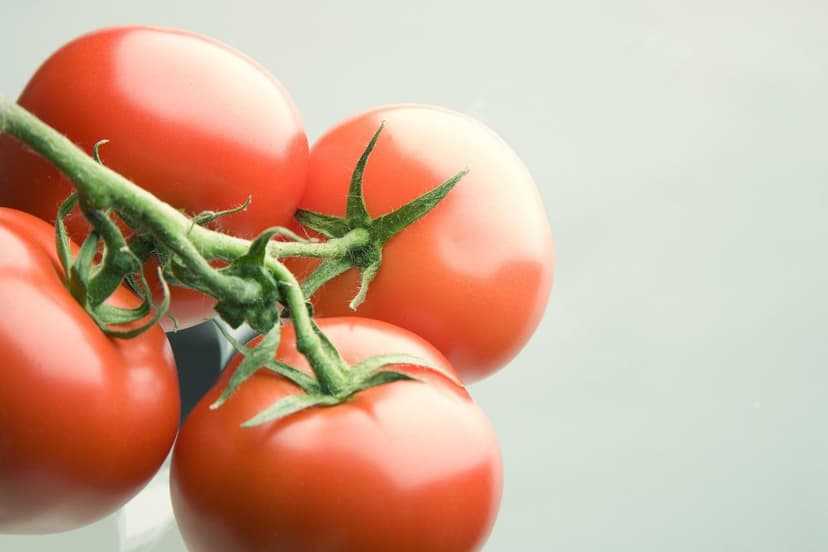
In Colombia, several farmers have implemented biostimulants with remarkable results. For example, in regions such as Boyacá and Cundinamarca, significant increases in tomato production and quality have been reported after applying specific biostimulants. These cases demonstrate the effectiveness of these products under local conditions. In one specific case, a farmer in Cundinamarca reported a 40% increase in yield after applying a seaweed extract-based biostimulant during the flowering phase.
Farmer Testimonials
Farmers in Colombia have shared their positive experience using biostimulants. They have observed not only an increase in production but also an improvement in soil health and a reduction in the use of chemical fertilizers. A farmer in the municipality of Chocontá mentioned that after implementing a biostimulant program, he managed to reduce his dependence on chemical fertilizers by 30%, which not only allowed him to save costs but also improve the quality of his soil in the long term. These testimonials reflect how sustainable agriculture can be a viable and profitable option for producers.
Research and Field Studies
Several studies have supported the effectiveness of biostimulants in tomato cultivation. A study conducted at the University of the Andes analyzed the impact of different biostimulants on greenhouse tomato production. The results showed that the use of microorganism-based biostimulants increased yield by 22% compared to the control group. Additionally, an improvement in fruit quality was observed, with a 10% increase in size and a 15% increase in sugar content.
Another study carried out by the Colombian Agricultural Institute (ICA) evaluated the effect of biostimulants under water stress conditions. The results indicated that tomatoes treated with a biostimulant based on amino acids and seaweed extracts showed greater drought resistance, with a 30% increase in production compared to untreated controls. This finding highlights the ability of biostimulants to mitigate the adverse effects of climate change on agriculture.
Furthermore, recent research published in the journal ‘Agricultural Sciences’ has shown that the application of biostimulants can induce a defense response in plants, thereby increasing their resistance to pathogens. In this study, tomatoes treated with certain biostimulants were observed to have a 50% reduction in the incidence of fungal diseases, underscoring the importance of these products in crop health management.
Future Projections
The future of agriculture in Colombia looks promising with the inclusion of biostimulants in agricultural practices. With climate change and increasing food demand, farmers are seeking more sustainable production methods. Biostimulants not only offer a solution to current challenges but also promote soil health and biodiversity. It is expected that in the coming years, the use of biostimulants will expand, driven by agricultural policies that encourage more sustainable and responsible practices.
Additionally, research and development of new biostimulants are on the rise, with a focus on biotechnology and sustainability. The creation of customized biostimulants, tailored to the specific needs of crops and soil conditions, is anticipated to become a trend. This could result in a significant increase in the effectiveness of these products and their widespread adoption by Colombian farmers. For example, research into biopesticides that integrate biostimulants could open new opportunities for managing pests and diseases more effectively.
Formulation and Development of Biostimulants
The development of biostimulants is based on research into natural compounds that can stimulate plant growth. The formulation may include a combination of plant extracts, amino acids, and microorganisms. One example is a biostimulant formulation that combines seaweed extracts and beneficial microorganisms, which has proven effective in improving tomato yield, increasing production by 20% under water stress conditions. This integrated approach maximizes synergy among components, resulting in a more potent and lasting effect.
Agricultural companies are investing in research into new biostimulants, using advanced techniques such as biotechnology to develop more effective products. A recent study on the combination of different microbial strains has revealed that certain microbial consortia can increase nutrient availability in the soil and, in turn, improve tomato yield by 25% compared to individual treatments. This approach to biostimulant formulation is an example of how scientific research can transform agriculture.
Regulations and Standards
In Colombia, the regulation of biostimulants is in the process of evolution. Law 1774 of 2016 establishes guidelines for the production and marketing of agricultural products, including biostimulants. It is essential for farmers to stay informed about current regulations to ensure that the products they use meet the quality and safety standards set by competent authorities. This not only guarantees the effectiveness of biostimulants but also protects the environment and public health.
Likewise, protocols are being developed for evaluating the efficacy of biostimulants in various crops, which will facilitate the homologation and registration of new products on the market. Collaboration between universities, research centers, and private sector companies is crucial to advance in this area and ensure that biostimulants used in Colombia are safe and effective. Furthermore, the creation of a clear regulatory framework will encourage investment in biostimulant research and development, benefiting the entire production chain.
Finally, educating and training farmers in the proper use of biostimulants is essential. Training programs that include practical workshops and technical advisory services will help farmers maximize the benefits of these products, contributing to more sustainable and profitable agriculture in the country. The creation of knowledge networks among farmers can also facilitate the exchange of experiences and best practices in the use of biostimulants.
Mechanisms of Action of Biostimulants
Biostimulants act through various mechanisms that influence plant growth and development. One of the main mechanisms is hormonal regulation, where compounds such as auxins and gibberellins present in biostimulants promote cell growth and root elongation. This effect is especially relevant under stress conditions, where the production of these hormones may be limited. For example, a 2020 study showed that the application of a seaweed-based biostimulant increased auxin concentration in tomato tissues by 40%, contributing to more vigorous growth.
Another relevant mechanism is the improvement of soil microbiota. Biostimulants can promote the development of beneficial microorganisms that enhance nutrient availability and soil health. A field study conducted in the Llanos Orientales region showed that the application of a biostimulant containing specific microorganisms increased soil microbial diversity by 50%, resulting in an increase in the availability of essential nutrients such as nitrogen and phosphorus.
Additionally, biostimulants can induce a defense response in plants, increasing their resistance to diseases. This phenomenon has been observed in multiple studies, where the application of plant extract-based biostimulants has shown a significant reduction in the incidence of fungal and bacterial diseases. For example, a trial conducted on tomato farms in Nariño revealed that biostimulant treatments reduced the incidence of late blight by 60%, highlighting their potential as part of integrated disease management.
Impact on Agricultural Sustainability
The use of biostimulants in agriculture not only improves crop production but also has a positive impact on agricultural sustainability. By reducing dependence on chemical fertilizers and pesticides, biostimulants contribute to biodiversity conservation and ecosystem health. A study from the University of Caldas showed that the adoption of biostimulants in tomato crops resulted in a 25% decrease in soil contamination from chemicals, benefiting both the environment and consumer health.
Furthermore, biostimulants improve resource use efficiency, such as water and nutrients. This is especially important in the context of climate change, where water scarcity has become a growing concern. The implementation of biostimulants has been shown to increase water use efficiency by 30%, allowing farmers to maintain high yields even under drought conditions. For example, a farmer in the department of Sucre reported that after applying biostimulants, he was able to reduce his water consumption by 15% without affecting tomato production.
Finally, promoting sustainable agricultural practices through the use of biostimulants can also open up new market opportunities for producers. Consumers are increasingly interested in agricultural products that are produced sustainably and responsibly. Certification of crops that use biostimulants can result in significant added value, allowing farmers to access premium markets and improve their profitability.
Related articles
- Ecoganic
- Luxury renovations: acoustics and insulation in premium homes
Frequently Asked Questions
What are biostimulants?
Biostimulants are products that improve the physiological functions of plants, helping to optimize their growth and resistance to stress.
How are biostimulants applied to tomatoes?
They should be applied at critical stages of crop development, following the recommended doses for each type of biostimulant.
What are the benefits of using biostimulants?
They improve root growth, increase stress tolerance, and optimize fruit quality, among others.
Are biostimulants safe for the environment?
Yes, biostimulants are designed to be sustainable products that reduce the need for chemical fertilizers and improve soil health.
Where can I get more information about biostimulants?
You can visit the Ecoganic website for more information and to request your free quote.