

Discover how to correct nitrogen deficiency in corn in olive trees using biostimulants. Improve the health of your olive crops. Contact us now!
Introduction
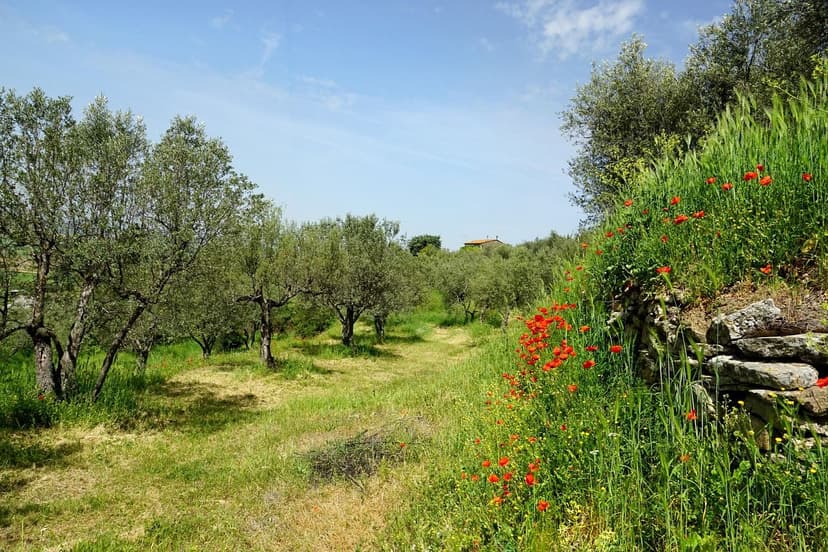
Nitrogen deficiency in olive trees is a common problem that can seriously affect the health and production of these crops. Nitrogen is an essential nutrient for vegetative growth and fruit formation. In this article, we will explore how to correct nitrogen deficiency in olive trees, focusing on practical methods and the use of natural products that can optimize the nutrition of your plants.
Signs of Nitrogen Deficiency in Olive Trees

Identifying nitrogen deficiency is crucial for implementing effective solutions. Some common signs include:
- Yellow leaves: Older leaves often turn yellow from the tip toward the base.
- Reduced growth: Olive trees may show slower growth and lower production of new shoots.
- Small fruits: Deficiency can lead to the formation of smaller and lower-quality fruits.
Importance of Early Detection
Detecting these symptoms in time is essential to avoid permanent damage to the plant and ensure a good harvest. Early diagnosis allows for the application of more effective solutions. The nutritional status of the olive tree can be assessed through soil and leaf tissue analysis, which provides a clear picture of nitrogen levels and other essential nutrients. Studies have shown that nitrogen deficiency in olive trees can reduce oil production by up to 30%, underscoring the importance of timely intervention.
Biochemical Mechanisms of Nitrogen Deficiency
Nitrogen deficiency affects several biochemical processes in the olive tree. Nitrogen is an essential component of chlorophyll, so its lack causes a decrease in photosynthesis. This results in a lower carbohydrate content, affecting the energy available for growth and fruit production. Additionally, nitrogen is crucial for the synthesis of amino acids and proteins, which are fundamental for cell development and the formation of plant tissues. Deficiency can lead to an imbalance in phytohormone production, affecting growth and flowering.
Impact on the Olive Tree Life Cycle
Nitrogen deficiency not only impacts immediate production but also affects the olive tree's life cycle. An olive tree with inadequate nitrogen levels may have a shorter growth period, resulting in fewer shoots and delayed flowering. This can affect production for several years, as olive trees are perennial plants and their yield accumulates over time. Furthermore, nitrogen deficiency can make the tree more susceptible to diseases and pests, which can further aggravate the situation.
Methods to Correct Nitrogen Deficiency
There are several strategies to correct nitrogen deficiency in olive trees, including nitrogen deficiency in grapevines and nitrogen deficiency in tomatoes. Additionally, the use of biostimulants in olive trees can be an effective option. For more information on water stress in olive trees, see the related article. Also consider biostimulants for pest control in olive trees, the use of biostimulants in olive trees, and coffee bioprotectants.
1. Application of Nitrogen Fertilizers
The application of nitrogen fertilizers is a common practice. The use of controlled-release fertilizers is recommended to prevent leaching and ensure a steady supply of nitrogen to plants. The most widely used nitrogen fertilizers are ammonium nitrate, urea, and ammonium sulfate. These can provide nitrogen quickly, but it is crucial to monitor the amount applied to prevent plant toxicity. Studies indicate that a dose of 100-200 kg/ha of nitrogen may be adequate in deficient soils, but this varies depending on soil type and crop age.
Impact of Fertilizer Dose
It is important to consider that the applied fertilizer dose should be adjusted according to soil conditions and crop needs. For example, in clay soils with good nutrient retention capacity, a lower dose may be sufficient. In contrast, sandy soils may require more frequent applications in smaller amounts. A study conducted in an olive grove in Granada showed that applying 120 kg/ha of ammonium nitrate increased olive production by 25%, while higher doses did not show a significant increase, indicating that over-application can be counterproductive.
Examples of Field Application
In a study conducted in an olive grove in Jaén, ammonium nitrate was applied at a dose of 150 kg/ha. A 20% increase in olive production was observed compared to the previous year, when no fertilization was carried out. Subsequent monitoring showed an improvement in fruit color and size, indicating a positive response to correcting the nitrogen deficiency. Additionally, the quality of the oil produced also improved, reflecting an increase in phenolic compounds that are beneficial to health.
2. Organic Amendments
Organic amendments, such as compost or well-decomposed manure, can also be beneficial. These improve soil structure and provide nutrients gradually. The use of compost not only supplies nitrogen but also enhances moisture retention and microbial activity in the soil. For example, applying 20-30 tons of compost per hectare can increase nitrogen availability in the soil and improve health
Ecoganic products for this topic
FULVEX 50S
Fulvic acids
50 % p/p
Chloride: 5,62 % (measured)
View technical sheet →CALCIUM 40
Calcium oxide (CaO)
34,0 % p/p (measured)
Chloride: < 0,05 % (measured)
View technical sheet →NITROTECH 2.5
Total nitrogen (N)
≥ 2,5 %
Each datasheet publishes its guaranteed composition and, where available, the value measured at an accredited laboratory.
Related resources