

Learn how to correct nitrogen deficiency in olive trees using biostimulants and effective agricultural techniques to optimize the health of your crops. You can also check out information on nitrogen deficiency in grapevines.
Introduction
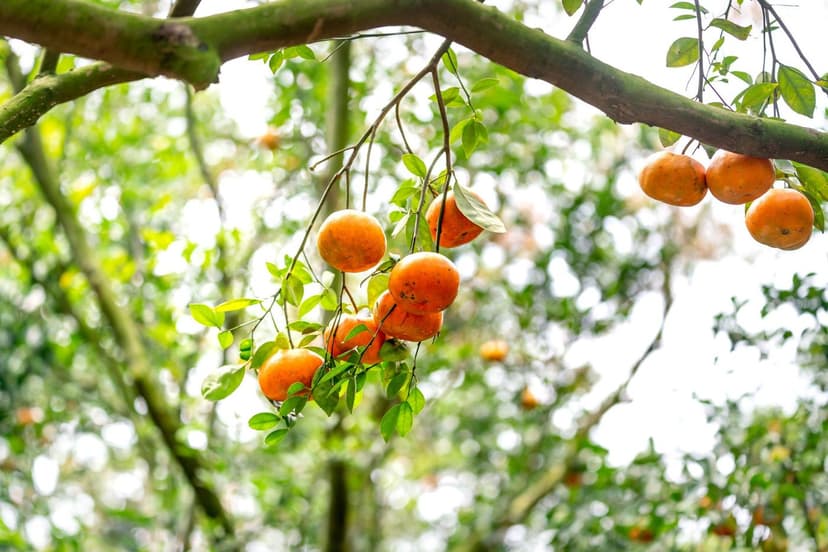
Nitrogen deficiency in citrus is a problem that can compromise the health and yield of crops. Nitrogen is an essential nutrient for plant growth, as it is a fundamental component of chlorophyll and participates in protein synthesis. In this article, you will learn to identify the symptoms of nitrogen deficiency in citrus and how to correct it using biostimulants and sustainable agricultural practices.
Identifying Nitrogen Deficiency
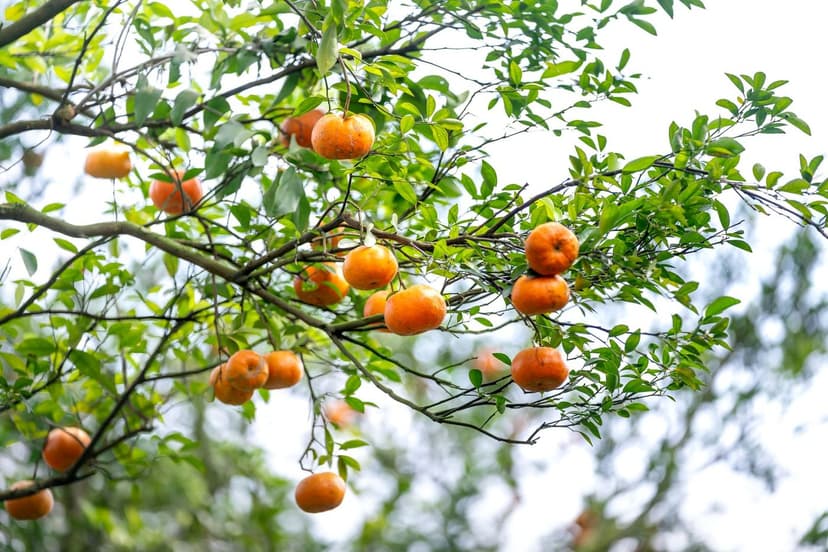
Symptoms of nitrogen deficiency in citrus can manifest in several ways:
- Yellowish coloration: Older leaves often turn yellow, starting from the tip and progressing toward the stem.
- Reduced growth: Affected plants may show slower growth and lower fruit production.
- Premature leaf drop: Leaves may fall prematurely, affecting photosynthesis and overall plant health.
It is crucial to regularly monitor your crops to detect these signs and act quickly.
Factors Contributing to Nitrogen Deficiency
Nitrogen deficiency in citrus can be caused by several factors, including:
- Soil conditions: Acidic or compacted soils can limit nitrogen availability. An optimal pH for citrus is between 6 and 6.5. In soils with a pH below 5.5, nutrient solubility tends to decrease, which can affect nitrogen uptake.
- Management practices: Inadequate irrigation management can lead to nitrate leaching, especially in sandy soils. Leaching can cause a loss of up to 50% of applied nitrogen, highlighting the importance of efficient irrigation.
- Weed competition: Weeds can compete for nitrogen, reducing the amount available for citrus crops. A study showed that weed control can increase nitrogen availability by 15% in cultivated soil.
Detecting Deficiency through Soil Analysis
Performing a soil analysis is essential for detecting nitrogen deficiency. Agronomic laboratories can measure nitrogen levels in the soil and provide specific recommendations. It is recommended to conduct analyses at least once a year, especially before planting. A typical analysis may include the evaluation of total nitrogen, ammoniacal nitrogen, and nitrates, allowing for a comprehensive understanding of nitrogen availability.
Additionally, it is advisable to perform foliar analyses to complement the soil analysis. These analyses can help determine the nitrogen concentration in the leaves, providing additional information on the plant's nutritional status. A nitrogen level in citrus leaves below 2.5% may indicate deficiency.
Solutions for Nitrogen Deficiency
One of the most effective solutions for correcting nitrogen deficiency is the use of biostimulants. These products are designed to improve nutrient uptake and enhance soil health.
Use of Biostimulants
Biostimulants, such as those offered by Ecoganic, can help improve nitrogen uptake efficiency. They are formulated with natural extracts and microorganisms that promote root development and improve soil microbiology. A study conducted in 2021 showed that the application of biostimulants increased nitrogen assimilation by 30% in citrus crops, resulting in more robust growth and higher fruit production. These biostimulants stimulate the activity of soil microorganisms, such as nitrogen-fixing bacteria, which contribute to the nitrogen cycle.
A practical example of biostimulant application occurred in a lemon plantation in Murcia, where a biostimulant based on seaweed extracts was applied. This resulted in a 40% increase in growth rate, along with improved fruit quality, reflected in a higher concentration of essential oils and aromatic compounds.
Organic Fertilizers
The application of specific organic fertilizers for citrus can also be beneficial. These fertilizers release nitrogen in a controlled manner, preventing over-fertilization and minimizing environmental impact. For example, incorporating organic compost can increase soil nitrogen levels and improve soil structure, facilitating nutrient absorption. A study using compost from agricultural residues showed a 20% increase in nitrogen availability throughout the growing season.
Additionally, using guano-based fertilizers, which contain organic nitrogen, can be an excellent option. This type of fertilizer not only provides nitrogen but also other essential micronutrients such as phosphorus and potassium, which are equally important for citrus development.
Integrated Management Practices
Combining the use of biostimulants and organic fertilizers with sustainable agricultural practices is essential. For example, crop rotation and the use of cover crops can improve nitrogen availability. A study in California showed that rotating citrus with legumes increased soil nitrogen levels by 20% compared to monocultures. Legumes, such as clover or alfalfa, have the ability to fix atmospheric nitrogen, naturally enriching the soil.
Implementing soil conservation practices, such as mulching, can also help maintain soil moisture and organic matter, which in turn promotes microbial activity and nitrogen availability. A study demonstrated
Ecoganic products for this topic
PHOSMAX 20
Phosphorus pentoxide (P₂O₅)
18,9 % p/p (measured)
Chloride: < 0,05 % (measured)
View technical sheet →NITROTECH 10
Total nitrogen (N)
9,96 % (measured)
Chloride: 2,32 % (measured)
View technical sheet →K-FLOW 20
Potassium oxide (K₂O)
23,21 % p/p (measured)
Chloride: 3,23 % (measured)
View technical sheet →Each datasheet publishes its guaranteed composition and, where available, the value measured at an accredited laboratory.
Related resources