

Discover how biostimulants in olive trees improve root absorption and crop yield. Request your free quote today!
Introduction
Sustainable agriculture is key to the future of olive cultivation, and biostimulants have become an essential tool in this process. Biostimulants in olive trees can play a crucial role in root absorption and crop yield, helping farmers maximize the efficiency and quality of their harvests. In this article, we will explore how these products can influence soil health and root development, as well as olive production.
What are biostimulants?
Biostimulants are natural substances that, when applied to plants, stimulate physiological processes that improve nutrient absorption and root development. These products are made from natural extracts, beneficial microorganisms, and bioactive compounds. Unlike fertilizers, biostimulants do not directly provide nutrients but rather optimize the plants' ability to absorb them.
Types of biostimulants
- Seaweed extracts: Stimulate growth and resistance in olive trees. Seaweed extracts, such as those from Ascophyllum nodosum, contain phytohormones that can increase plant metabolic activity and improve stress tolerance.
- Amino acids: Improve overall plant health and stress response. It has been shown that applying amino acids like glycine and proline can increase antioxidant production in plants, helping them combat abiotic stress.
- Microorganisms: Promote soil biological activity, favoring nutrient absorption. Microbial inoculants can enhance the symbiosis between plant roots and soil microorganisms, facilitating the assimilation of essential nutrients.
Benefits of Biostimulants in Olive Cultivation
Biostimulants offer multiple benefits that go beyond simply improving nutrient absorption. Their use can result in increased disease resistance, better tolerance to adverse weather conditions, and greater water use efficiency. In particular, a study conducted by the University of Córdoba showed that the application of amino acid-based biostimulants can reduce the incidence of fungal diseases by 25% in olive crops. Furthermore, biostimulants have been observed to increase the activity of enzymes involved in plant defense, such as peroxidases and phenylalanines, contributing to better overall crop health.
Effects on Root Absorption

Biostimulants have a significant impact on the root absorption of olive trees. By applying these products, improvements in the structure and functionality of the root system can be observed. This translates into a greater capacity to capture water and nutrients, which is essential in regions where water stress is a common problem. The improvement in root absorption is not only related to the quantity of roots but also to their quality, implying a greater ability to explore the soil.
Studies on Biostimulants and Roots
Scientific research has shown that the application of biostimulants can increase the length and density of olive tree roots, thereby improving the absorption of essential nutrients such as nitrogen and phosphorus. For example, a study conducted by ScienceDirect highlights how certain biostimulants can increase the activity of enzymes in the roots, which favors nutrient assimilation. In particular, biostimulants based on microorganisms have been shown to increase the production of auxins, which are plant hormones that promote root growth. Additionally, an analysis carried out at the Institute of Sustainable Agriculture showed that the use of biostimulants can increase root biomass by 50% under water stress conditions. These results underscore the importance of biostimulants in optimizing root growth, which is essential for the development of healthy crops.
Biochemical Mechanisms of Action
Biostimulants act through various biochemical mechanisms that optimize plant physiology. One of the main mechanisms is the activation of metabolic pathways related to nutrient uptake. For example, biostimulants can induce the synthesis of specific transporter proteins in root cell membranes, thereby improving nutrient absorption. Additionally, the production of compounds such as humic acids, found in some biostimulants, can increase the soil's water retention capacity, indirectly benefiting the roots. A study published in the Journal of Plant Nutrition and Soil Science showed that biostimulants can increase the activity of the acid phosphatase enzyme in roots, improving phosphorus availability in the soil. This is particularly relevant in soils with high phosphorus fixation capacity, where the availability of this nutrient is critical for plant growth.
Practical examples of field application
In a field trial conducted in an olive grove in Andalusia, a biostimulant based on seaweed extracts was applied during the flowering stage. The results showed a 30% increase in root length compared to the control group. Additionally, a 25% increase in leaf nitrogen concentration was observed, suggesting an improvement in the uptake of this essential nutrient. Another example occurred on a farm in Italy, where a microbial biostimulant was used, increasing root density by 40%, which translated into greater drought resistance during the summer. Similarly, in a research project in Greece, an amino acid-based biostimulant was applied, resulting in 15% more secondary roots, improving the plant's ability to absorb water and nutrients during periods of water scarcity. These results demonstrate how the application of biostimulants can be an effective strategy to improve nutrient uptake and the overall health of olive trees under adverse conditions.
Improving olive tree yield
Olive tree yield is crucial for crop profitability. Biostimulants not only aid in nutrient uptake but can also have positive effects on olive production. Although absolute claims about specific production increases cannot be made, various studies have shown significant improvements in the health and vigor of plants treated with biostimulants.
Impact of biostimulant application
The application of biostimulants can result in a higher quantity of fruits and improved fruit quality, which translates into higher quality olive oil. This is especially important in a market where the quality of the final product is vital for competitiveness. In a study conducted on an olive crop in Greece, it was found that the application of an amino acid-based biostimulant resulted in a 20% increase in olive production and improvements in quality parameters, such as oil content and fatty acid profile. In another trial in Portugal, it was observed that olive trees treated with biostimulants showed a 30% increase in olive size, which can directly influence oil yield. Additionally, studies have indicated that the use of biostimulants can increase the fruit set rate, which is essential for maximizing yield under variable climatic conditions.
Relationship between biostimulants and olive oil quality
Olive oil quality is influenced by various factors, including olive variety, climatic conditions, and management practices. The application of biostimulants can improve oil quality by increasing the content of phenolic compounds, which are natural antioxidants. A study published in the Journal of Agricultural and Food Chemistry demonstrated that olive trees treated with algae-based biostimulants had 15% more phenolic compounds in their oils compared to the control group, suggesting a positive effect on final product quality. Furthermore, research indicates that the use of biostimulants can improve the fatty acid profile, increasing the proportion of monounsaturated fatty acids, which are beneficial for health. This increase in oil quality is not only beneficial for consumers but can also translate into higher market prices, representing an economic advantage for producers.
Comparative studies of yield and quality
Several comparative studies have shown that the use of biostimulants not only increases yield but also improves oil quality. In a trial conducted in southeastern Spain, two groups of olive trees were compared: one treated with a microorganism-based biostimulant and another without treatment. The results showed that the treated olive trees produced 18% more olives, and the oil obtained had 22% more phenolic compounds. This type of study highlights the importance of integrating biostimulants into agronomic practices to optimize both yield and final product quality. Furthermore, in an analysis of several olive crops across different regions, it was observed that biostimulants not only influenced yield but also contributed to harvest uniformity, which is essential for commercial management.
Recommended Practices
To maximize the benefits of biostimulants in olive cultivation, it is important to follow some recommended practices:
- Choosing the right biostimulant: Select a product that suits the specific needs of the crop and soil conditions. It is essential to conduct a soil analysis to determine which nutrients are limiting olive tree growth.
- Application at the right time: Apply biostimulants at critical stages of olive tree development, such as the onset of flowering. Timing the application with the plant's growth cycle can maximize benefits. For example, applying biostimulants just before periods of water stress can help plants better adapt to adverse conditions.
- Constant monitoring: Assess crop health and adjust management practices as needed. Using monitoring tools, such as soil moisture sensors and foliar analysis, can help determine the optimal time for biostimulant application. Integrating precision agriculture technologies can facilitate a more efficient and effective application of these products.
Integration of Biostimulants into a Sustainable Management Program
For effective implementation, biostimulants must be integrated into a sustainable management program that includes practices such as crop rotation, soil cover, and the use of cover crops. These practices not only improve soil health but also enhance the effect of biostimulants, creating a more favorable environment for root growth and nutrient uptake. For example, in a study on an olive plantation, the combination of biostimulants with cover crops increased microbial biodiversity in the soil, improving nutrient availability. Additionally, crop rotation with species that improve soil structure, such as legumes, has been observed to complement the positive effects of biostimulants, promoting more robust root development. This holistic approach not only improves crop health but also contributes to the long-term sustainability of agriculture.
Evaluation of results and adjustments
It is essential to continuously evaluate the results of biostimulant application. Implementing a monitoring system that includes analysis of soil health, root growth, and oil quality can provide valuable information for adjusting agronomic practices. For example, in a project carried out on an olive plantation in Sicily, a monitoring system was implemented that allowed biostimulant doses to be adjusted according to climatic conditions and tree health status, resulting in a 25% increase in olive production over a three-year period. This type of continuous evaluation allows farmers to optimize their use of biostimulants and maximize their benefits.
Conclusion
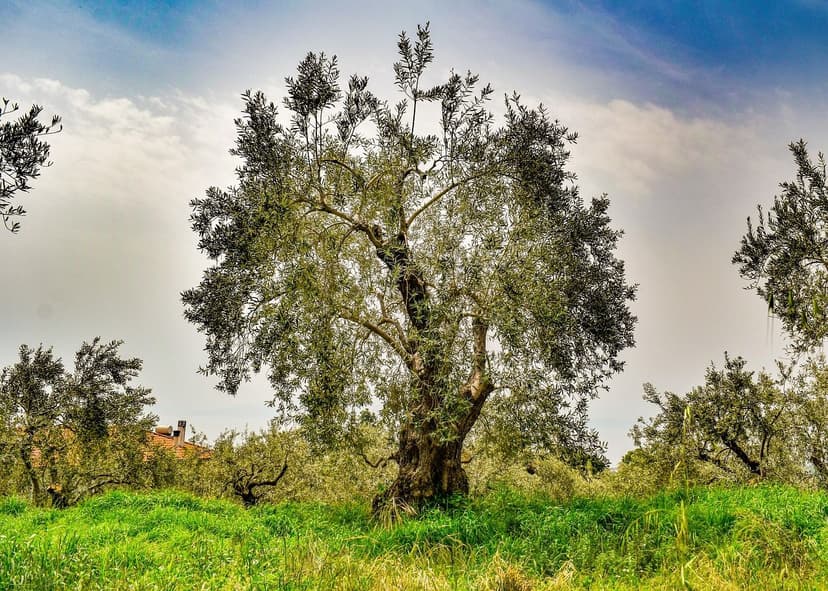
Biostimulants in olive trees represent an innovative solution to improve root uptake and crop yield. Their use not only contributes to more sustainable agriculture but can also result in greater profitability for farmers. If you are interested in implementing biostimulants in your olive crop, request your free quote and discover how we can help you.
Related articles
- Effect of Biostimulants on Olive Tree Yield
- How to Correct Nitrogen Deficiency in Olive Trees
- Luxury renovations: acoustics and insulation in premium homes
Need professional help?
At Ecoganic in Spain, Europe, we offer certified Biostimulants and Organic Fertilizers. Call us: +34 623 753 719.
Research and development in biostimulants
Research in the field of biostimulants has grown exponentially in recent years, with a focus on identifying new substances and their interaction with plants. Recent studies have shown that certain bioactive compounds, such as polysaccharides and proteins, can have a significant impact on plant health and their ability to withstand adverse conditions. For example, a study published in the Journal of Cleaner Production found that polysaccharides extracted from certain seaweeds can improve photosynthetic activity by 30%, resulting in increased biomass and higher fruit production in olive trees.
Innovations in biostimulant formulations
New technologies have enabled the creation of more effective biostimulant formulations, combining different types of active ingredients to maximize their efficacy. For instance, the co-formulation of seaweed extracts with beneficial microorganisms has been shown to increase synergy between these components, improving nutrient availability and stress resistance in plants. In a trial conducted in an olive grove in southern Spain, a combined formulation was observed to increase nutrient uptake by 40% compared to the use of individual biostimulants.
Future perspectives on the use of biostimulants
The future of biostimulants in agriculture looks promising, with growing interest in sustainability and reducing the use of chemical inputs. Implementing biostimulants in combination with integrated crop management practices can offer effective solutions to address the challenges of climate change. A study from Frontiers in Plant Science argues that the use of biostimulants can contribute to crop resilience against extreme weather conditions, such as droughts and heatwaves, enabling more efficient management of water resources.
Education and training for farmers
Farmer education and training is essential to maximize the benefits of biostimulants. Training programs that address correct application, product selection, and sustainable management practices are crucial. In a pilot program in Italy, a group of farmers was trained on the use of biostimulants, resulting in a 35% increase in the adoption of these practices and a notable improvement in crop health. Continuous training and access to up-to-date information are key to ensuring that farmers can benefit from the latest innovations in the use of biostimulants.
Frequently Asked Questions
What are biostimulants?
They are natural products that stimulate physiological processes in plants, improving their ability to absorb nutrients.
How do biostimulants affect olive trees?
They improve the health of the root system and can have a positive impact on yield and production quality.
Can biostimulants increase olive production?
While specific increases cannot be guaranteed, studies have shown improvements in the health of treated plants.
When should I apply biostimulants to my olive crop?
It is recommended to apply them at critical stages, such as at the start of flowering.
Where can I get more information about biostimulants?
You can visit our website or contact our advisors for more details.