Root biostimulation in organic rice optimises nutrition and stress. Learn about certified techniques and products. Request your free quote.
What is root biostimulation?
Root biostimulation is an agronomic technique that consists of applying biostimulant products directly to the root system of plants to enhance their development, metabolic activity and capacity to absorb nutrients and water. In organic rice cultivation, this practice has become a key tool for improving nutritional efficiency and tolerance to adverse conditions such as salinity or root hypoxia.
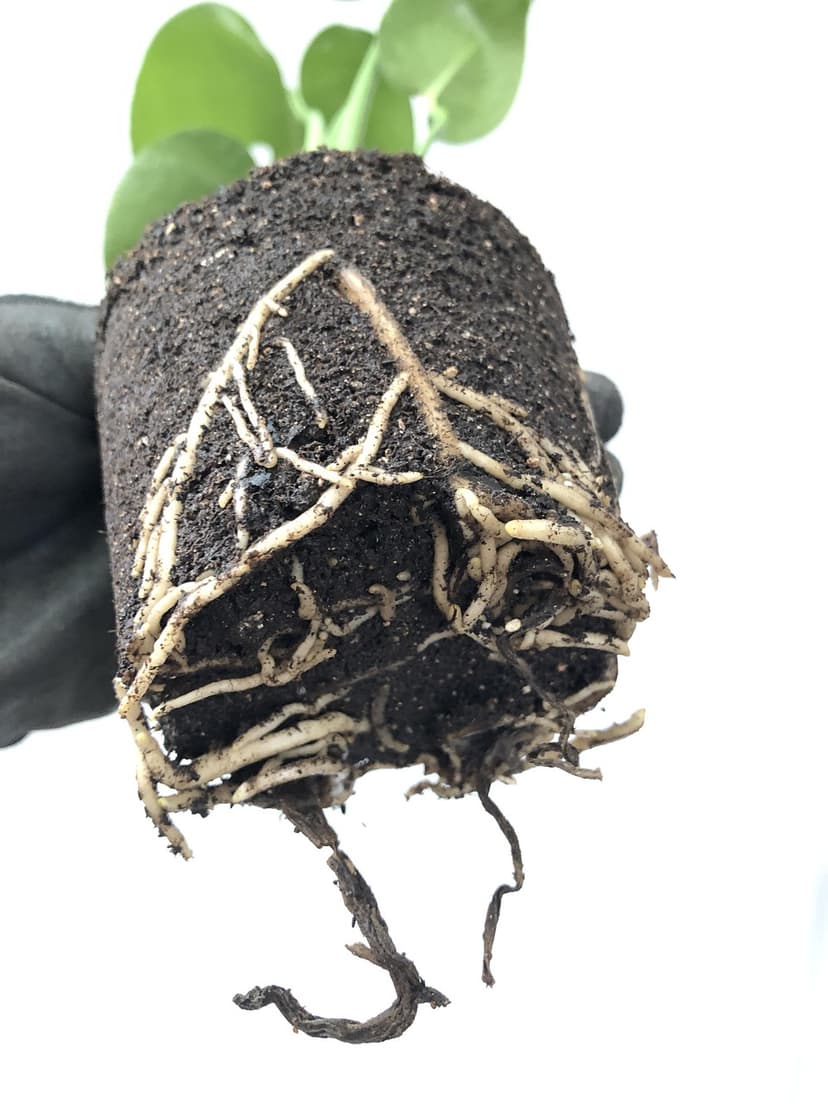
Root biostimulants act on root physiology, stimulating cell elongation, the formation of root hairs and the production of exudates that favour interaction with beneficial soil microorganisms. This translates into a more extensive and functional root system, capable of exploring a greater volume of soil and absorbing nutrients more efficiently.
In the context of organic farming, where the use of synthetic chemical fertilisers is restricted, root biostimulation offers a sustainable alternative for optimising crop nutrition. It also contributes to soil health, as it promotes microbial activity and the formation of stable aggregates, improving structure and fertility in the long term.
According to a FAO report, rice is the staple food for more than half of the world's population, and its sustainable production is a global challenge. In this sense, root biostimulation is presented as a practice aligned with the principles of regenerative agriculture, which seeks not only to maintain but to improve natural resources.
Benefits for rice cultivation
Improved nutrient uptake
One of the main benefits of root biostimulation in rice is the increase in the uptake of essential nutrients such as nitrogen, phosphorus, potassium and micronutrients such as iron and zinc. This is because biostimulants favour the activity of the enzymes involved in ion transport and increase the contact surface area between the root and the soil.
In trials carried out at the University of Valencia, a 15% increase was observed in the phosphorus concentration in the leaf tissue of rice treated with microalgae-based biostimulants, compared with the control. This effect is especially relevant in soils with low phosphorus availability, which is common in paddy fields.
In addition, root biostimulation improves nitrogen use efficiency, which makes it possible to reduce nitrogen fertilisation rates without compromising yield. This not only reduces costs, but also lowers the risk of nitrate leaching into aquifers, a significant environmental problem in rice-growing areas.
Tolerance to abiotic stress
Rice is particularly sensitive to salinity, drought and extreme temperature stress. Root biostimulation helps the plant to activate defence mechanisms such as the accumulation of compatible osmolytes, the regulation of stomatal opening and the production of antioxidants, which improves its ability to withstand adverse conditions.
A study published in the Journal of Plant Physiology showed that the application of fulvic acids in rice increased superoxide dismutase enzyme activity by 30% under saline stress conditions, reducing oxidative damage in root cells. These results support the use of biostimulants as a preventive tool in areas prone to stress.
In the Ebro Delta, a region with problems of saline intrusion, farmers who have incorporated root biostimulants into their fertilisation programmes have reported greater yield stability, even in years with unfavourable climatic conditions.
Stimulation of root growth
Root biostimulation promotes a more vigorous root system, with greater length and density of lateral roots. This is fundamental in rice, since good root development allows better anchorage and more efficient soil exploration, especially under flooded conditions where oxygen availability is limited.
Products based on microalgae such as Scenedesmus have shown positive effects on root elongation, thanks to the presence of natural phytohormones such as auxins and cytokinins. These substances stimulate cell division in the root meristem and the formation of absorbent hairs, increasing the capacity to take up water and nutrients.
In field trials in the Valencian Community, it was observed that treatment with root biostimulants increased root length by 22% compared with the control, which translated into greater biomass production and better grain filling.
Mechanisms of action on the root
Phytohormones and growth regulators
Root biostimulants act through different physiological mechanisms. One of the most important is the modulation of endogenous phytohormone levels, such as auxins, gibberellins and cytokinins, which regulate root growth and development.
Auxins, for example, promote the formation of lateral and adventitious roots, while cytokinins stimulate cell division and delay senescence. Biostimulants based on seaweed extracts contain these phytohormones naturally, which explains their positive effect on the root system.
In addition, some biostimulants contain compounds such as polyamines and betaines, which act as osmoprotectants and membrane stabilisers, protecting root cells against osmotic and saline stress.
Beneficial microorganisms and the rhizosphere
Root biostimulation also encourages the activity of beneficial microorganisms in the rhizosphere, such as plant growth-promoting bacteria (PGPR) and mycorrhizal fungi. These microorganisms establish symbiotic associations with the roots, improving nutrient availability and resistance to soil pathogens.
In rice, inoculation with bacteria of the genus Azospirillum, combined with biostimulants, has shown significant increases in biological nitrogen fixation, reducing the need for nitrogen fertilisers. This practice is especially valuable in organic farming systems, where the aim is to minimise external inputs.
The presence of an active rhizosphere also contributes to the formation of soil aggregates, improving their porosity and water-holding capacity, which is beneficial in paddy fields that alternate between periods of flooding and drying.
Application strategies in organic rice
Application methods
Root biostimulation can be carried out using different methods: soil application, fertigation, or seed treatment. In rice, soil application is the most common, especially in direct-seeding or transplanting systems.
The recommended biostimulant dose varies according to the product and the crop stage. For example, for products based on fulvic acids, a dose of 2-3 litres per hectare is suggested, applied in the irrigation water during the tillering phase. By contrast, biostimulants based on microalgae can be applied at a rate of 1-2 litres per hectare at two key moments: the start of tillering and before flowering.
It is important to ensure a uniform distribution of the product in the field, especially under flooded conditions, so that the biostimulant comes into contact with the root system of all the plants.
Key phenological stages
Rice has critical moments at which root biostimulation is most effective. The first is during tillering, when the plant establishes its root structure and begins to accumulate nutrients for vegetative growth. An application at this stage favours vigorous root development and greater nutrient uptake.
The second key moment is the panicle initiation stage, when the plant determines the number of potential grains. Adequate biostimulation at this phase can increase the number of spikelets per panicle and improve grain filling, increasing the final yield.
In addition, under stress conditions (salinity, drought), an additional application of biostimulant is recommended to reinforce the plant's defence mechanisms.
Compatibility with other inputs
Root biostimulants are compatible with most fertilisers and bioprotectants used in organic farming. However, it is advisable to carry out a compatibility test before mixing products, especially with those containing copper or sulphur, which can affect the stability of the biostimulants.
In organic fertilisation programmes, root biostimulation can be combined with the application of organic fertilisers such as compost or manure, to maximise nutrient availability and soil microbial activity.
Ecoganic offers a line of biostimulants specifically for rice, designed to integrate easily into organic management programmes. These products are certified for organic farming and have been tested under real field conditions.
Agronomic results and field studies
Several studies have evaluated the effect of root biostimulation in rice. A trial carried out by the Valencian Institute of Agricultural Research (IVIA) showed that the application of a microalgae-based biostimulant increased yield by 12% compared with the control, under rainfed conditions.
Another study, published in the journal Agronomy, reported that biostimulation with fulvic acids improved nitrogen use efficiency by 18%, which made it possible to reduce the nitrogen fertiliser dose by 15% without affecting yield.
In practice, farmers in the Ebro Delta have observed an improvement in ripening uniformity and an increase in thousand-grain weight, which translates into higher quality of the final product. These results support the adoption of root biostimulation as a profitable and sustainable practice.
It is important to note that results may vary depending on soil, climate and management conditions, so local trials are recommended to determine the optimal doses and timing of application.
Related articles
Do you need professional help?
At Ecoganic in Spain, Europe, we offer certified organic biostimulants and fertilisers. Call us: +34 623 753 719.
Frequently asked questions
What is root biostimulation?
Root biostimulation is a technique that applies biostimulants to the root system of plants to improve their development, nutrient uptake and stress tolerance. In rice, this practice is key to optimising nutrition and yield in organic systems.
What are the benefits of root biostimulation in rice?
The main benefits include greater nutrient uptake, better tolerance to salinity and drought, and a more vigorous root system. This translates into higher yields and better grain quality, contributing to the sustainability of the crop.
How is root biostimulation applied in rice?
It is applied mainly to the soil, in the irrigation water, during the tillering and panicle initiation stages. Doses vary depending on the product, but are usually 1-3 litres per hectare. It is important to ensure uniform distribution.
Is it compatible with organic farming?
Yes, the biostimulants used for root biostimulation in organic rice are certified for organic farming. Ecoganic offers products that comply with European regulations and are suitable for use in organic production systems.
Root biostimulation in organic rice: field strategies and management criteria
Root biostimulation in organic rice cultivation (Oryza sativa) is presented as an agronomic tool to improve nutrient uptake efficiency under the partial anaerobic conditions typical of the traditional flooding system. The application of seaweed extracts (Ascophyllum nodosum) and free amino acids during tillering, within label rates, is proposed with the aim of encouraging the development of adventitious roots and greater soil exploration. A more developed root system could facilitate the uptake of phosphorus and silicon, elements linked to cell wall formation and to lodging resistance in tall varieties. These are possible, not guaranteed, effects: they depend on the product, the variety, soil fertility and water management, and they should be assessed by comparison with an untreated area. In organic production, before using any of these products, it is necessary to confirm with the certification body that their composition is permitted.
As regards agronomic efficiency, humic and fulvic acids (derived from leonardite) applied in a band, at shallow depth and together with the seed, are another option proposed to support the availability of micronutrients such as zinc, provided that the soil analysis indicates a need. This strategy makes particular sense when irrigation is intermittent, because root biostimulation can help maintain root system activity under changing moisture and oxygen conditions. Even so, biostimulation does not replace fertilisation: it complements a well-planned nitrogen fertilisation, and any adjustment to the latter should be decided in the light of the farm's own results.
From a practical perspective, a biostimulation programme split into three key phenological stages is recommended. First application: in the early stages after sowing (seedling with three or four leaves), with a biostimulant based on cytokinins and indoleacetic acid (IAA) whose composition is permitted in organic production, intended to promote early root development. Second application: at the start of tillering, with a product containing betaines and polyols, intended as root support under oxygen-deficient conditions. Third application: at the start of the floral primordium, with a formulation rich in salicylic acid and glycine betaine, proposed as support for the formation of secondary roots. Rates and intervals must be adjusted to the label of each product and verified, before generalising the scheme, in a trial plot with a control, measuring simple parameters such as the number of tillers, the thousand-grain weight and the lodging index.
To optimise the cost-benefit ratio in organic rice, it is key to integrate biostimulation with water management practices that favour root aeration. Alternating flooding periods with drainage periods during tillering can improve soil oxygenation and, combined with biostimulation, could favour a higher number of fertile panicles, something that should be verified on the farm itself. In economic terms, there is no universal return figure: the calculation should be made with the holding's own data, comparing the cost of the product and of the applications with the difference in yield, the premium price of organic rice in the sales channel and the possible saving on other inputs, something that can only be confirmed after several seasons. Foliar analysis is also recommended to determine the nutritional status of the crop (for example, potassium and calcium) and to adjust fertilisation, comparing it with the reference values provided by the laboratory.
Irrigation water quality also modulates the response to biostimulation. When the water has high electrical conductivity, some biostimulants are proposed as root support, but this help has a limit: if the underlying problem is the salinity of the water or the soil, the solution lies in reviewing the water source, drainage and the irrigation schedule, and biostimulation should be seen as a support and not as a substitute. Before applying, it is advisable to have an analysis of the irrigation water, adjust the timing of applications to periods of lower salt concentration and record the result of each season in order to decide whether the programme is worth maintaining.