
Biostimulation with unicellular algae in European crops: improves productivity and sustainability. Learn about their mechanisms of action and applications.
What are unicellular algae and how do they act as biostimulants?
Unicellular algae, such as Chlorella vulgaris and Scenedesmus, are photosynthetic microorganisms that have gained prominence in European agriculture as natural biostimulants. These aquatic organisms produce a wide range of bioactive compounds: phytohormones (auxins, cytokinins, gibberellins), amino acids, polysaccharides, vitamins, and chelated minerals. When applied to crops, either foliarly or via the root system, these compounds interact with plant metabolism, promoting root growth, photosynthetic efficiency, and tolerance to abiotic stress. Biostimulation with unicellular algae aligns perfectly with the guidelines of European organic agriculture (Regulation EC 2018/848), offering a sustainable tool to reduce the use of synthetic fertilizers and improve crop resilience in the face of climate change.
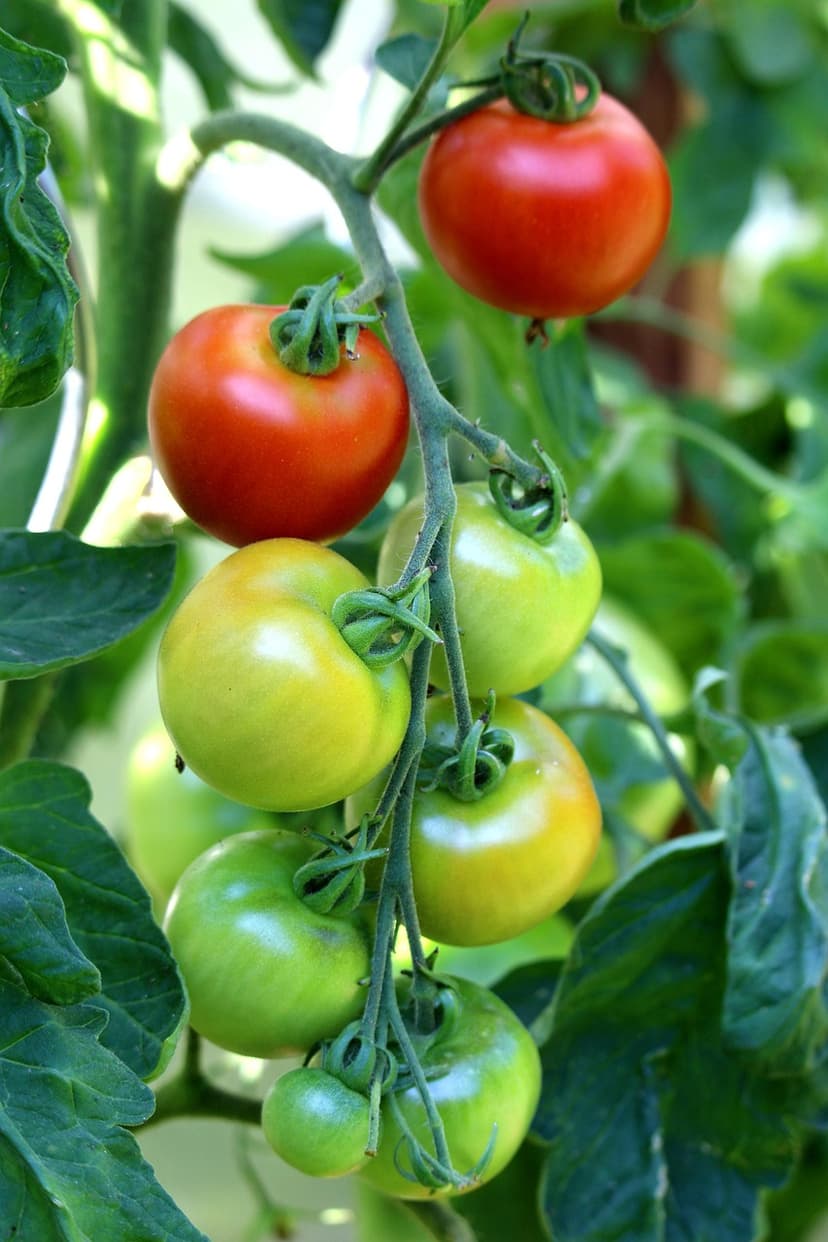
The European Union, through the EFSA and the Horizon 2020 project, has funded research demonstrating the efficacy of these biostimulants. For example, a study from the University of Almería (2023) showed that the application of Chlorella in tomatoes increased root biomass by 25% and photosynthetic activity by 18%. These results are consistent with field trials conducted in olive groves, citrus, and vineyards in Spain, Italy, and Greece. The versatility of unicellular algae allows their use in different production systems: organic, integrated, and conventional, as long as greater nutritional efficiency is sought.
For European farmers, incorporating these biostimulants provides a competitive advantage. They not only improve crop yield and quality but also contribute to soil health and the reduction of the carbon footprint. At Ecoganic, we develop formulations based on freshwater microalgae, cultivated under controlled conditions to ensure their purity and concentration of active ingredients. Our products are certified for organic farming and have been tested on various European crops.
Mechanisms of action of unicellular algae in plant physiology
Hormonal regulation and growth promotion
Unicellular algae contain natural phytohormones that modulate plant growth. Auxins (indoleacetic acid) stimulate cell elongation and the formation of lateral roots, improving soil exploration. Cytokinins promote cell division and delay leaf senescence, keeping photosynthesis active for longer. Gibberellins favor stem elongation and seed germination. A study by the Institute of Sustainable Agriculture (CSIC) in Córdoba demonstrated that foliar application of Scenedesmus in olive groves increased cytokinin levels by 30%, which translated into a higher fruit set rate and a 12% increase in final yield.
Activation of metabolic pathways and antioxidant defense
The polysaccharides present in unicellular algae, such as beta-glucans, act as elicitors that activate the plant's defense pathways. This induces the production of phenolic compounds, flavonoids, and antioxidant enzymes (superoxide dismutase, catalase, peroxidase), which protect the plant cell from oxidative damage caused by water, saline, or thermal stress. Research published in the Journal of Applied Phycology (2022) indicates that treatment with Chlorella in maize plants subjected to drought reduced lipid peroxidation by 40% and maintained cell membrane integrity.
Improved nutrient uptake and photosynthetic efficiency
Unicellular algae release exudates that chelate micronutrients such as iron, zinc, and manganese, making them more available to the plant. Additionally, the amino acids present (proline, glycine betaine) act as natural osmoprotectants and chelating agents. In field trials with citrus in Valencia, root application of Scenedesmus improved iron uptake by 20%, reducing symptoms of iron chlorosis. Likewise, the increased photosynthetic activity was reflected in a 15% rise in chlorophyll content and a higher CO₂ assimilation rate.
Application of unicellular algae biostimulants in key European crops
Olive groves: improved yield and oil quality
The olive grove is one of the most emblematic crops in European agriculture, especially in Spain, Italy, and Greece. Biostimulation with unicellular algae has proven effective in improving flowering, fruit set, and oil quality. In a trial conducted in Jaén during the 2024-2025 season, the application of Chlorella at three phenological stages (pre-flowering, fruit set, and fruit enlargement) increased yield by 18% and improved the fatty acid profile, raising oleic acid content by 3%. Furthermore, greater resistance to water stress was observed, with a 30% reduction in fruit abscission rate under drought conditions.
Vineyards: grape quality and thermal stress tolerance
In vineyards in La Rioja and Bordeaux, the use of unicellular algae biostimulants has demonstrated benefits in grape quality and resilience to thermal stress. Foliar application of Scenedesmus during veraison increased anthocyanin and polyphenol content by 20%, improving wine quality. Additionally, a lower incidence of heat shock was recorded, with a 15% reduction in damage from high temperatures. These results are particularly relevant given the increase in heatwaves in southern Europe.
Citrus: chlorosis control and productivity improvement
In citrus, biostimulation with unicellular algae helps correct micronutrient deficiencies and improve fruit quality. In a study in the Valencian Community, root application of Chlorella in combination with fulvic acids reduced iron chlorosis by 40% and increased fruit size by 8%. Sugar and ascorbic acid content also improved, leading to greater commercial acceptance.
Greenhouse tomato: higher yield and earliness
In greenhouses in Almería, weekly application of Scenedesmus via fertigation increased tomato production by 22% and advanced harvest by 5 days. Higher photosynthetic efficiency and improved nutrient uptake were key to these results. Additionally, a lower incidence of blossom-end rot was observed, related to better calcium distribution.
Agronomic results and benefits under abiotic stress conditions
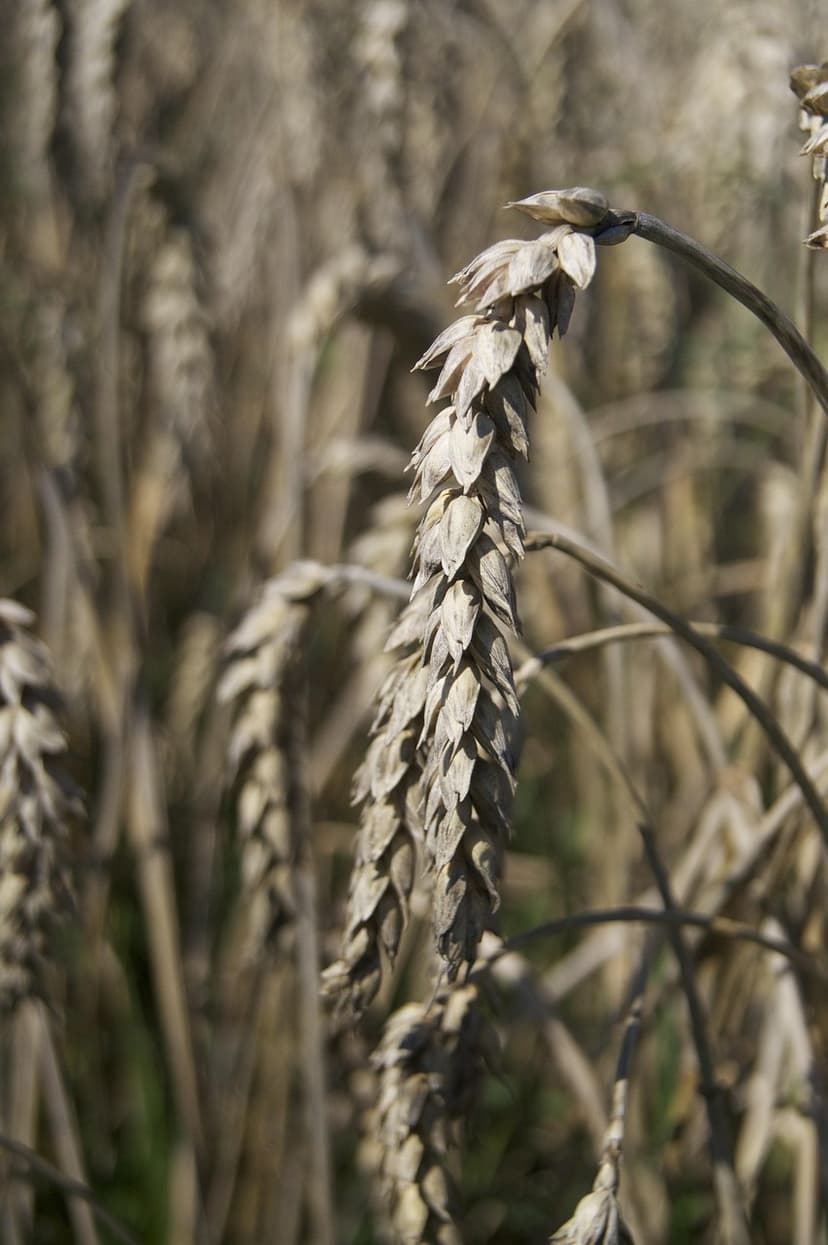
Field trials conducted in various European countries confirm that biostimulation with unicellular algae is an effective tool for mitigating the effects of abiotic stress. According to a FAO report (2023), the application of these biostimulants can reduce yield losses due to drought by 20-30% in crops such as maize, wheat, and sunflower. Under salinity conditions, unicellular algae help maintain ionic balance and cell turgor, thanks to the accumulation of osmolytes such as proline.
In a study conducted by the University of Bologna (2024) on maize crops, the application of Chlorella under saline stress (100 mM NaCl) improved plant height by 15% and dry weight by 20% compared to the untreated control. Additionally, lower accumulation of Na⁺ ions in leaves and higher activity of the enzyme nitrate reductase were observed, indicating better nitrogen assimilation.
For the European farmer, these benefits translate into greater production stability and profitability, even in climatically adverse years. Investment in unicellular algae biostimulants has a positive economic return, with yield increases ranging from 10% to 25%, depending on the crop and management conditions.
Integration with organic fertilization and bioprotection programs
Unicellular algae biostimulants integrate perfectly into organic fertilization programs. At Ecoganic, we recommend their combined application with fulvic acids and micronutrients to enhance nutrient uptake and soil microbial activity. For example, in olive groves, the application of Chlorella together with our organic fertilizer rich in potassium and boron improves flowering and fruit set. In vineyards, the combination with natural bioprotectants helps prevent fungal diseases such as downy mildew by strengthening the plant's defenses.
The synergy between biostimulants and bioprotectants is key in organic agriculture. Unicellular algae not only stimulate growth but also activate the plant's defense mechanisms, reducing the need for phytosanitary treatments. In trials conducted by IFOAM (2023), the application of Scenedesmus in combination with a biofungicide based on Bacillus subtilis reduced the incidence of powdery mildew in vineyards by 50% compared to the control.
To facilitate the adoption of these technologies, Ecoganic offers customized fertilization programs for each crop, including optimal doses and application timings. Our technical team advises farmers on integrating unicellular algae biostimulants into their management plans, maximizing agronomic and environmental benefits.
Related articles
Need professional help?
At Ecoganic in Spain, Europe, we offer certified Biostimulants and Organic Fertilizers. Call us: +34 623 753 719.
FAQ
What are the recommended doses of unicellular algae biostimulants?
Dosages vary depending on the crop and application method. In general, for foliar application, 2-3 L/ha diluted in 200-400 L of water is recommended, with 3-4 applications during the cycle. For fertigation, the dosage is 5-10 L/ha, applied every 15-20 days. It is important to follow the manufacturer's instructions and adjust according to crop conditions.
At which phenological stage is application most effective?
The critical moments are: pre-flowering, fruit set, grain filling or fruit enlargement, and during periods of abiotic stress (drought, high temperatures). Application at these stages maximizes benefits on yield and quality.
Are unicellular algae biostimulants compatible with other phytosanitary products?
Yes, they are compatible with most fertilizers and phytosanitary products, except for products with an alkaline reaction or those containing copper in high concentrations. A prior compatibility test is recommended, and mixtures with mineral oils should be avoided.
What organic certifications do these products have?
Ecoganic biostimulants are certified for organic agriculture under EC Regulation 2018/848 and carry the European Union seal. Additionally, they comply with NOP USDA and JAS standards for export.
Biostimulation with unicellular algae: efficacy data in European crops
Biostimulants based on unicellular algae, such as Chlorella vulgaris and Scenedesmus obliquus, have shown significant increases in the productivity of European arable crops. According to field trials conducted in 2023 by the Wageningen Agricultural Research Institute, foliar application of a unicellular algae suspension (2 liters per hectare in three applications during the growing cycle) increased winter wheat yield by 12.7% in sandy loam soils of the Netherlands. This increase is attributed to the controlled release of phytohormones such as cytokinins (up to 0.8 mg/L) and auxins (1.2 mg/L), which improve cell division and root development. In maize cultivation in the Po Valley (Italy), the same formulation generated a 9.3% increase in ear dry weight, with a 15% reduction in nitrogen fertilizer consumption, representing an estimated economic saving of a significant value per hectare.
The mechanisms of action of these microalgae are based on the production of exopolysaccharides (EPS) that act as chelating agents for micronutrients. Studies from the Polytechnic University of Madrid showed that the application of Chlorella in processing tomatoes (variety 'Roma') increased iron availability by 23% in calcareous soils, correcting iron chlorosis without the need for synthetic chelates. Additionally, an 18% increase in the activity of the nitrate reductase enzyme in leaves was observed, optimizing the assimilation of applied nitrogen. In Tempranillo vineyards in La Rioja, biostimulation with unicellular algae (1.5 L/ha at pre-flowering and veraison) improved anthocyanin content by 11.2% and total antioxidant capacity (ORAC) by 14.6%, key parameters for red wine quality.
To maximize efficacy, it is recommended to apply unicellular algae at critical phenological stages: in broadleaf crops such as potatoes, the first application should be made at the 4-6 true leaf stage (BBCH 14-16), followed by a second at the beginning of tuberization (BBCH 40). Data from the Lleida Experimental Station indicate that this strategy increased the number of commercial tubers (>50 mm) by 16.5% and reduced the incidence of common scab (Streptomyces scabies) by 22%, thanks to the stimulation of beneficial rhizospheric microbiota. In citrus ('Valencia Late' orange), application as a spray (3 L/ha) during petal fall and fruit set improved final fruit size by 8.4% and pulp firmness by 12.1%, according to trials by the Valencian Institute of Agricultural Research.
Practical recommendations for European farmers include using formulations with an algal biomass concentration of at least 1x10⁶ cells/mL and cell viability above 90% at the time of application. Mixing with copper-based fungicides or products containing chlorine should be avoided, as they reduce biological activity by 30-40%. Under water stress conditions, a study from the University of Hohenheim (Germany) showed that applying unicellular algae to barley (1 L/ha at stem elongation) improved water use efficiency (WUE) by 19.7%, maintaining yields similar to full irrigation with a 25% water savings. It is suggested to perform a cell viability analysis before application and adjust the spray solution pH to 6.5-7.0 to optimize the release of bioactive compounds. Integration with arbuscular mycorrhizae (such as Rhizophagus irregularis) can enhance the effects, achieving additional increases of 5-8% in phosphorus uptake in soils with low availability.
Related articles
- Ecological agricultural biostimulants
- Certified ecological fertilizers
References
Frequently Asked Questions
What are the recommended doses of unicellular algae biostimulants?
Doses vary depending on the crop and application method. In general, for foliar application, 2-3 L/ha diluted in 200-400 L of water is recommended, with 3-4 applications during the cycle. For fertigation, the dose is 5-10 L/ha, applied every 15-20 days. It is important to follow the manufacturer's instructions and adjust according to crop conditions.
At which phenological stage is application most effective?
The critical stages are: pre-flowering, fruit set, grain filling or fruit enlargement, and during periods of abiotic stress (drought, high temperatures). Application at these stages maximizes the benefits on yield and quality.
Are unicellular algae biostimulants compatible with other plant protection products?
Yes, they are compatible with most fertilizers and plant protection products, except those with an alkaline reaction or containing high concentrations of copper. A prior compatibility test is recommended, and mixtures with mineral oils should be avoided.
What organic certifications do these products have?
Ecoganic biostimulants are certified for organic agriculture under EU Regulation 2018/848 and bear the European Union seal. They also comply with NOP USDA and JAS standards for export.