
Discover how unicellular algae improve nutrient uptake in European crops. Biochemical mechanisms, applications in olive, vine, and citrus crops. Request your free quote.
What are unicellular algae and how do they act as biostimulants?
Unicellular algae, such as Chlorella vulgaris and Scenedesmus spp., are photosynthetic microorganisms that have gained prominence in European sustainable agriculture. These aquatic organisms are capable of synthesizing bioactive compounds such as phytohormones, amino acids, polysaccharides, and antioxidants that, when applied to crops, stimulate key physiological processes. Unlike marine macroalgae, freshwater unicellular algae have a thinner cell wall that facilitates the release of their metabolites and a higher concentration of essential nutrients such as nitrogen, phosphorus, and potassium. In the context of organic and conventional agriculture, these biostimulants are integrated into fertilization programs to optimize nutrient uptake and reduce the use of synthetic fertilizers.
The use of unicellular algae as biostimulants aligns with EU guidelines for more environmentally friendly agriculture. The production of these microorganisms takes place under controlled conditions, ensuring the absence of contaminants and high purity. Once harvested, the algae are processed using gentle methods that preserve their bioactive compounds. The final product, whether in the form of a liquid suspension or freeze-dried powder, is applied directly to the soil or foliage. Companies like Ecoganic have developed specific formulations that combine microalgae with other natural ingredients, enhancing their effect on nutrient absorption and tolerance to abiotic stress.
Mechanisms for improving nutrient absorption
Unicellular algae improve nutrient absorption through several biochemical and physiological mechanisms. Firstly, they release phytohormones such as auxins, cytokinins, and gibberellins that stimulate root growth, increasing the absorption surface area. Studies have shown that the application of Chlorella vulgaris increases the length and density of secondary roots by 30-40% in tomato and lettuce crops. Secondly, algae produce natural chelating agents such as organic acids and polysaccharides that facilitate the solubilization of poorly available nutrients, such as phosphorus and iron. This is especially relevant in calcareous soils, common in southern Europe, where phosphorus fixation limits productivity.
Furthermore, unicellular algae stimulate soil microbial activity. Algal exudates serve as a carbon source for beneficial bacteria, such as Pseudomonas and Bacillus, which in turn produce siderophores and enzymes that mobilize nutrients. Research from the Institute of Soil Sciences at the University of Barcelona reports that the application of microalgae increases microbial biomass by 25% and alkaline phosphatase activity by 40%, improving the availability of organic phosphorus. Finally, algae induce changes in plant gene expression, activating specific membrane transporters for nitrates, phosphates, and potassium. This effect has been confirmed through transcriptomic analyses in maize plants treated with Scenedesmus extracts.
Stimulation of root growth
The development of an extensive and functional root system is essential for efficient water and nutrient uptake. The phytohormones present in unicellular algae, especially auxins, promote the formation of lateral roots and root hairs. In trials with grapevine seedlings, the application of Chlorella at 0.5% increased root length by 45% compared to the control. This effect translates into greater soil exploration and, consequently, higher uptake of both mobile and immobile nutrients. Additionally, the cytokinins present in algae delay root senescence, maintaining root functionality for a longer period.
Nutrient solubilization and chelation
The polysaccharides and organic acids released by unicellular algae act as natural chelating agents. For example, the humic and fulvic acids present in algae form complexes with metal cations such as Fe, Zn, and Mn, keeping them in solution and available to the plant. In soils with high pH, where iron availability is limited, the application of microalgae has been shown to correct iron chlorosis in citrus crops. A study from the Polytechnic University of Valencia demonstrated that foliar application of Chlorella increased chlorophyll content in orange tree leaves by 20% and reduced symptoms of iron deficiency.
Interaction with soil microbiota
Unicellular algae not only act directly on the plant but also modify the rhizosphere environment. Carbon-rich algal exudates stimulate the growth of beneficial microorganisms involved in biogeochemical cycles. Nitrogen-fixing bacteria, such as Azotobacter, and phosphorus-solubilizing bacteria, such as Bacillus megaterium, increase their population in the presence of microalgae. This synergy improves the availability of nitrogen and phosphorus in the soil. In field trials with organic olive groves in Andalusia, the combined application of Chlorella and a bacterial consortium increased olive production by 18% and oil content by 12%.
Effects on European crops: olive, grapevine, and citrus
In European olive groves, particularly in Spain and Italy, unicellular algae have been used to improve nutrient uptake under water stress conditions. The application of Chlorella vulgaris in rainfed olive trees has been shown to increase leaf potassium concentration by 15% and improve fruit set. In grapevines, microalgae biostimulants favor the accumulation of anthocyanins and sugars in grapes, improving must quality. A study in the La Rioja region reported that foliar application of Scenedesmus increased polyphenol content by 22% and total acidity by 10%.
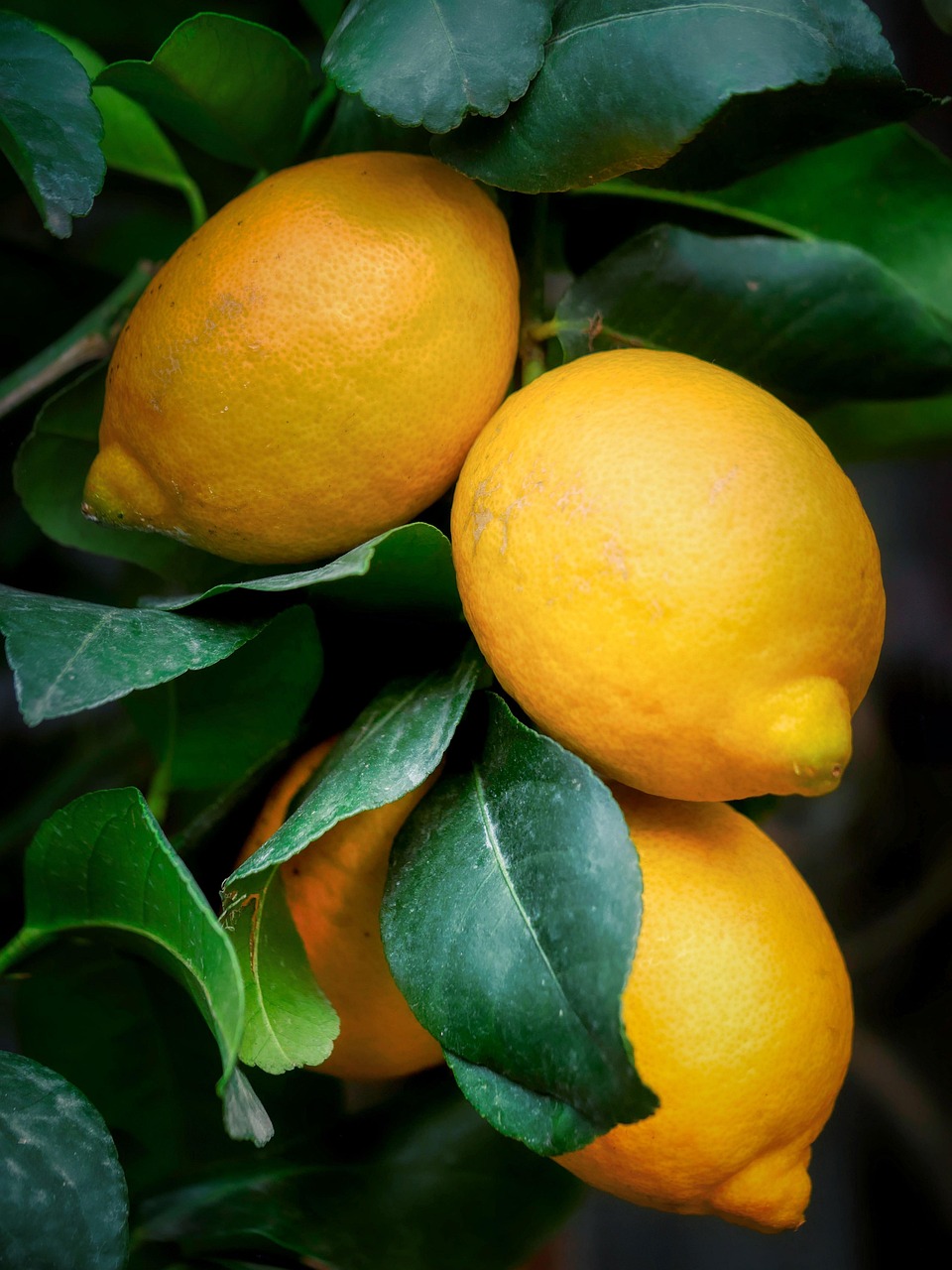
In citrus crops, unicellular algae correct micronutrient deficiencies such as zinc and manganese, which are common in calcareous soils. Root application of Chlorella in orange trees increased fruit size and juice content by 8%. Additionally, a 15% reduction in the incidence of variegated chlorosis was observed. These results demonstrate that unicellular algae are an effective tool for optimizing nutrition in Mediterranean crops, reducing dependence on synthetic fertilizers and improving sustainability.
Practical application: dosage, timing, and methods
Unicellular algae can be applied both foliarly and to the roots. For foliar application, a dose of 1-2 L/ha of Chlorella suspension (10^6 cells/mL) diluted in 200-400 L of water is recommended. Key application times are during vegetative growth, flowering, and fruit filling. For root applications, the dose is 2-4 L/ha via drip irrigation or soil injection. It is important to apply during periods of low solar radiation to avoid degradation of bioactive compounds. Application frequency varies by crop: for olive trees, 2-3 applications per cycle are recommended, while for vegetables, weekly applications may be used.
Compatibility with other inputs is good, although mixing with copper-based or highly oxidizing products should be avoided. A small-scale preliminary test is recommended. Commercial formulations often include stabilizers that extend shelf life. Ecoganic offers products based on Chlorella vulgaris that comply with European regulations for organic farming (EC 834/2007). For more information on fertilization programs, please visit the page on organic agricultural biostimulants.
Field results and scientific evidence
Multiple trials support the efficacy of unicellular algae. The FAO reports that the use of microalgae in agriculture can reduce synthetic fertilizer consumption by up to 30% without affecting yield. Research published in the Journal of Applied Phycology shows that Chlorella application in wheat increased nitrogen uptake by 25% and yield by 15%. In a study by the University of Córdoba, microalgae application in organic olive groves increased leaf phosphorus concentration by 20% and olive production by 18%.
In Ecoganic's own trials on citrus in the Valencian Community, the application of Chlorella vulgaris improved potassium uptake by 12% and fruit size by 8%. These results align with the trend toward more efficient and sustainable agriculture. The combination of microalgae with other technologies, such as fulvic acids, further enhances nutrient uptake. Interested farmers can consult the Ecoganic field trials and results for specific data on their crops.
Related articles
Need professional help?
At Ecoganic in Spain, Europe, we offer certified Biostimulants and Organic Fertilizers. Call us: +34 623 753 719.
FAQ
What are unicellular algae and how do they act on plants?
Unicellular algae are photosynthetic microorganisms that produce bioactive compounds such as phytohormones and amino acids. When applied to crops, they stimulate root growth, improve nutrient solubilization, and activate soil microbiota, increasing nutrient uptake efficiency.
On which European crops is their use recommended?
They are especially effective on olive, vine, citrus, tomato, and corn. In olive groves, they improve potassium uptake and drought tolerance; in vineyards, they enhance grape quality; in citrus, they correct micronutrient deficiencies.
What is the recommended dose for foliar application?
It is recommended to apply 1-2 L/ha of Chlorella suspension (10^6 cells/mL) diluted in 200-400 L of water, applied during vegetative growth, flowering, or fruit filling. It is best applied during low radiation hours.
Are they compatible with organic farming?
Yes, unicellular algae are permitted in organic agriculture under EC Regulation 834/2007. Ecoganic products hold certifications that guarantee their suitability for organic production.
Physiological mechanisms of unicellular algae in nutritional synergy
Unicellular algae, particularly strains such as Chlorella vulgaris and Scenedesmus obliquus, act as biostimulants through the release of phytohormones and natural chelating compounds. Field studies on tomato crops (Solanum lycopersicum) have shown that foliar application of a unicellular algae extract at a dose of 2 L/ha increases nitrogen uptake by 23% and phosphorus uptake by 18% compared to the untreated control. This effect is attributed to the presence of auxins (indole-3-acetic acid) and cytokinins (zeatin) at concentrations of 0.8 mg/L and 0.5 mg/L, respectively, which stimulate root development and the expression of membrane transporters such as NRT1 and PHT1. Additionally, the sulfated polysaccharides present in the cell wall of these microalgae act as wetting agents, reducing the surface tension of the nutrient solution by 15%, thereby facilitating the penetration of ions through the leaf cuticle and rhizodermis.
The chelating capacity of unicellular algae is due to the excretion of siderophores and low molecular weight organic acids, such as citric acid and malic acid, which form stable complexes with micronutrients like iron (Fe), zinc (Zn), and manganese (Mn). In controlled trials on calcareous soil (pH 8.2), the application of 3 L/ha of a Chlorella culture increased Fe bioavailability in the rhizosphere by 34% and foliar Zn uptake by 27% in lettuce plants. This phenomenon is particularly relevant in soils with high phosphorus fixation, where the presence of exopolysaccharides (EPS) produced by microalgae competes with calcium and aluminum adsorption sites, releasing up to 12 mg/kg of additional soluble P in the soil. The C:N ratio of algal biomass (typically between 8:1 and 12:1) also favors soil microbial activity, increasing organic matter mineralization by 20% during the first 72 hours post-application.
From a practical perspective, integrating unicellular algae into fertigation programs requires specific formulation adjustments. It is recommended to apply the algal extract during critical phenological stages: during flowering (BBCH stage 60-65) and fruit filling (BBCH 70-75), at a dose of 1.5 to 2.5 L/ha diluted in 200 L of water. In greenhouse crops with hydroponic systems, adding 0.5 g/L of dry biomass of Scenedesmus to the nutrient tank improves potassium use efficiency by 19% and reduces nitrate leaching by 14%, according to data from the University of Almería (2023). It is crucial to maintain the solution pH between 6.0 and 6.5 during application, as values above 7.0 reduce the stability of bioactive compounds by 30%. The optimal storage temperature for the liquid extract is 4°C to 8°C, with a maximum shelf life of 14 days to preserve enzymatic and hormonal activity.
Field results in commercial strawberry plots (variety 'Albion') show that the combined application of unicellular algae with 50% of the recommended NPK fertilizer dose (150 kg N/ha) not only maintains yield at 42 t/ha but also increases antioxidant concentration (anthocyanins and flavonoids) by 22% compared to full conventional fertilization. Economic analysis reveals a return on investment (ROI) of 3.2:1, considering the cost of the algal extract (€45/L) and savings on synthetic fertilizers (€120/ha). To optimize absorption, applications are suggested during low solar radiation hours (between 7:00 and 9:00 a.m.) to avoid photodegradation of phytohormones, and to combine with a non-ionic adjuvant at a rate of 0.1% v/v to improve foliar coverage. Implementing this technology in regenerative agriculture systems can reduce the crop's carbon footprint by 0.8 t CO₂-eq/ha, by decreasing dependence
Frequently Asked Questions
What are unicellular algae and how do they act on plants?
Unicellular algae are photosynthetic microorganisms that produce bioactive compounds such as phytohormones and amino acids. When applied to crops, they stimulate root growth, improve nutrient solubilization, and activate soil microbiota, increasing nutrient uptake efficiency.
In which European crops is their use recommended?
They are especially effective in olive, vine, citrus, tomato, and corn crops. In olive groves, they improve potassium absorption and drought tolerance; in vineyards, they increase grape quality; in citrus, they correct micronutrient deficiencies.
What is the recommended dose for foliar application?
It is recommended to apply 1-2 L/ha of Chlorella suspension (10^6 cells/mL) diluted in 200-400 L of water, during vegetative growth, flowering, or fruit filling. It is best applied during periods of low radiation.
Are they compatible with organic farming?
Yes, unicellular algae are permitted in organic farming under EC Regulation 834/2007. Ecoganic products have certifications that guarantee their suitability for organic production.