

Technical guide on pest management in corn using microorganisms. Learn about the most effective bio-inputs, mechanisms of action, and field results. Request your free quote.
Introduction
Corn cultivation (Zea mays) is one of the most important worldwide, but it faces constant phytosanitary threats that reduce its productivity. In Latin America, pests such as the fall armyworm (Spodoptera frugiperda), the sugarcane borer (Diatraea saccharalis), and thrips (Frankliniella spp.) cause losses that can exceed 30% of yield. Traditionally, control has relied on synthetic insecticides, whose excessive use generates resistance, environmental pollution, and risks to human health.
Pest management in corn with microorganisms represents an effective and sustainable biological alternative. Entomopathogenic fungi such as Beauveria bassiana and Metarhizium anisopliae, bacteria such as Bacillus thuringiensis, and entomopathogenic nematodes offer selective control without affecting beneficial fauna. Furthermore, these bio-inputs integrate perfectly with other agroecological practices, such as crop rotation and the use of biostimulants, enhancing the health of the agroecosystem.
In this technical guide, we will explore the most effective microorganisms, their mechanisms of action, recommended doses, and application strategies for maize cultivation. We will also present field results demonstrating their efficacy and provide practical recommendations for implementing an integrated pest management (IPM) program based on microorganisms.
What are microorganisms for pest control?
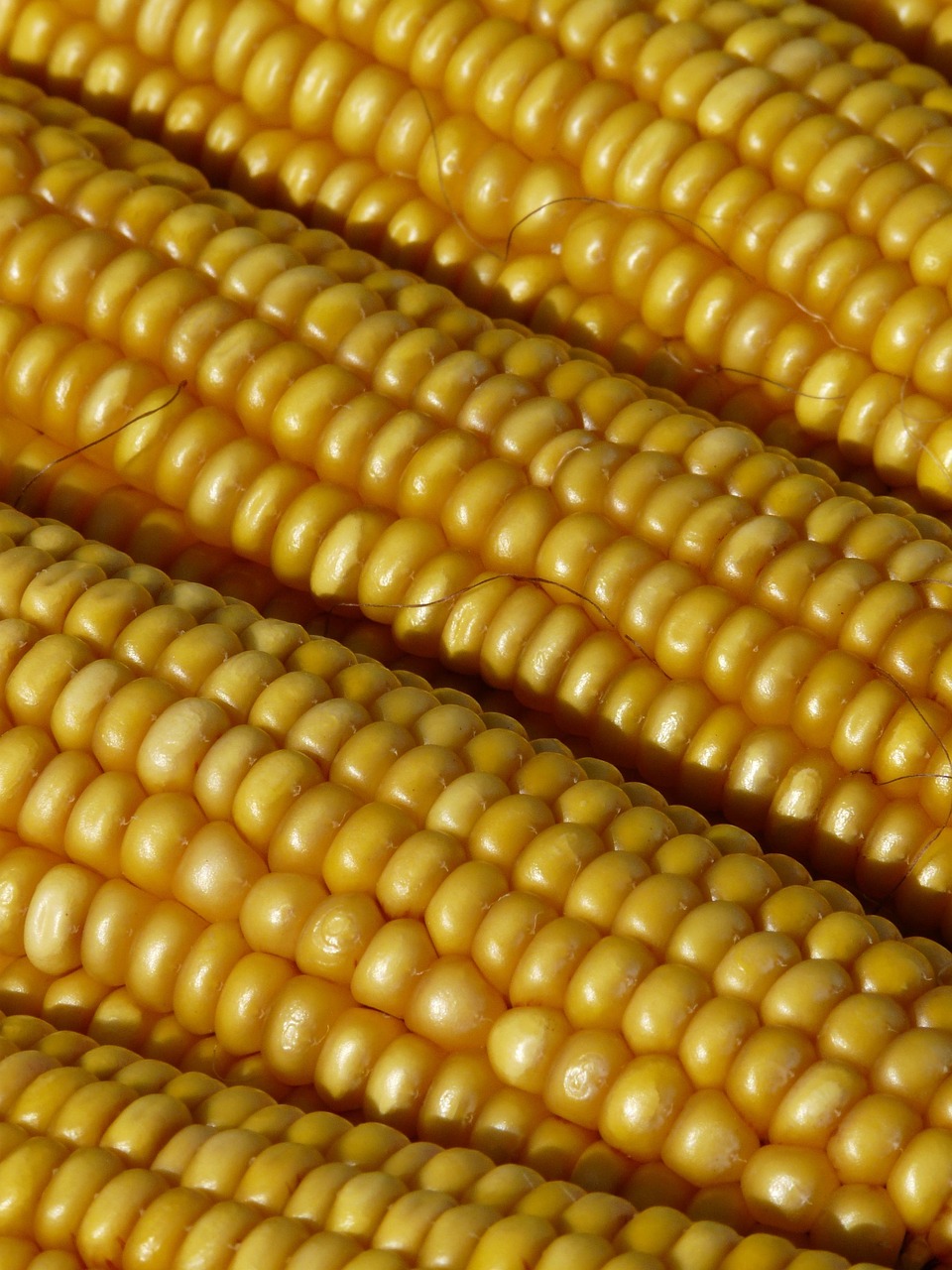
Entomopathogenic microorganisms are living organisms that infect and cause diseases in insect pests, naturally regulating their populations. They include fungi, bacteria, viruses, and nematodes that act as biological control agents. Unlike chemical pesticides, these bio-inputs are specific, biodegradable, and do not generate toxic residues in food or soil.
In the context of pest management in maize using microorganisms, the most commonly used are entomopathogenic fungi, which penetrate the insect's exoskeleton and develop internally, causing death. Bacteria such as Bacillus thuringiensis also stand out, producing protein toxins that paralyze the larval digestive system. Entomopathogenic nematodes, on the other hand, release symbiotic bacteria that quickly kill the host.
According to the FAO, the use of biological control agents in extensive crops has grown by 15% annually over the last decade, driven by the demand for sustainable production and the need to reduce the chemical footprint. In maize, these microorganisms are mainly applied in the early stages of the crop, when pests are most vulnerable, and can be combined with botanical extracts and biostimulants to enhance their effect.
Main entomopathogenic microorganisms for maize
Entomopathogenic fungi
Beauveria bassiana is one of the most studied and used fungi for controlling Spodoptera frugiperda and other lepidopteran larvae. It directly penetrates the insect's cuticle thanks to enzymes such as proteases and chitinases, and once inside, it produces toxins that cause death within 3-7 days. Optimal conditions for its action are temperatures between 20-30 °C and relative humidity above 70%.
Metarhizium anisopliae is effective against coleopterans and hemipterans, such as the chinch bug (Blissus leucopterus) and the wireworm (Agriotes spp.). Its effect on Diatraea saccharalis in corn has also been reported. This fungus produces conidia that germinate on the insect's surface and penetrate through mechanical pressure and enzymatic action.
Entomopathogenic Bacteria
Bacillus thuringiensis (Bt) is the most widely used bacterium in organic agriculture. It produces protein crystals (Cry) that, when ingested by larvae, dissolve in the alkaline gut and become activated, perforating the intestinal epithelium. This causes paralysis and death within 24-48 hours. There are specific subspecies for lepidopterans, coleopterans, and dipterans. In corn, it is recommended to apply Bt during larval emergence, before they penetrate the stalk or ear.
Entomopathogenic Nematodes
Nematodes of the genera Steinernema and Heterorhabditis are microscopic worms that actively seek out their hosts in the soil. They penetrate through natural openings (mouth, spiracles) and release symbiotic bacteria (Xenorhabdus or Photorhabdus) that kill the insect within 24-48 hours. They are especially useful against soil pests such as wireworms and white grubs (Phyllophaga spp.).
Mechanisms of Action of Microorganisms Against Pests
Pest management in corn using microorganisms is based on complex mechanisms that go beyond simple infection. Entomopathogenic fungi produce toxins such as beauvericin and destruxins that inhibit the insect's immune system, facilitating colonization. Additionally, some fungi colonize the rhizosphere and promote plant growth, which indirectly increases corn's tolerance to pest attack.
Bacteria like Bacillus thuringiensis act through ingestion, so it is crucial that larvae consume the treated foliage. The specificity of Cry toxins minimizes the impact on non-target organisms, such as pollinators and natural predators. Meanwhile, entomopathogenic nematodes move within the soil water film and can persist for several weeks if conditions are favorable (moist soil, moderate temperatures).
A key aspect is the synergy between microorganisms. For example, the combination of Beauveria bassiana and Bacillus thuringiensis has shown greater efficacy than each alone, as the fungus weakens the cuticle and the bacterium attacks the digestive system. This strategy reduces the risk of resistance and improves field control.
Application Strategies in Corn Cultivation
Phenological Timing and Dosage
For effective pest management in corn using microorganisms, applications should be carried out at critical stages: from emergence to V6 (six true leaves), when pests such as fall armyworm are most active. A dose of 1-2 × 10^12 conidia/ha is recommended for entomopathogenic fungi, applied in 200-300 L of water with a non-ionic surfactant. For Bacillus thuringiensis, the typical dose is 500-1000 g/ha of commercial product (with 10^9 CFU/g), applied at dusk to avoid UV degradation.
Application method
Foliar application is the most common method for controlling larvae on leaves and whorls. However, for soil pests, in-furrow application or drip irrigation is more effective. Entomopathogenic nematodes are applied to the soil with plenty of water (500-1000 L/ha) to facilitate their mobility. It is important to maintain soil moisture for at least one week after application.
Integration with other practices
Pest management in corn with microorganisms is enhanced when combined with the use of ecological agricultural biostimulants that strengthen the plant's natural defenses. For example, fulvic acids and microalgae such as Chlorella vulgaris improve soil microbial activity and induced systemic resistance. It is also advisable to rotate crops and maintain plant cover to preserve beneficial fauna.
Field results and comparative efficacy
Trials conducted by the National Institute of Agricultural Research of Venezuela showed that the application of Beauveria bassiana (1 × 10^12 conidia/ha) reduced Spodoptera frugiperda infestation by 78% in corn, compared to 85% for the chemical insecticide chlorpyrifos. However, the biological treatment preserved the population of natural predators such as lacewings and spiders, while the chemical treatment reduced it by 60%.
In Brazil, a study from the University of São Paulo evaluated the combination of Metarhizium anisopliae and Bacillus thuringiensis in corn, achieving 92% control of Diatraea saccharalis, higher than the 80% obtained with the chemical treatment. Furthermore, yields were similar (8.2 t/ha vs 8.5 t/ha), but with a lower environmental cost.
These results demonstrate that pest management in corn using microorganisms is a viable and competitive alternative, especially when integrated into an integrated management program. For more information on specific products, visit our page on natural bioprotectants for crops.
Related articles
- Avocado fruit set with Chlorella: 2026 guide
- Avocado fruit set with Chlorella: 2026 guide
- Microbial flora in citrus with biostimulants: 2026 guide
Need professional help?
At Ecoganic in Spain, Europe, we offer certified Biostimulants and Organic Fertilizers. Call us: +34 623 753 719.
Frequently asked questions about pest management in corn with microorganisms
When is the best time to apply microorganisms to corn?
The best time is during the early stages of the crop, from emergence to V6, when pests such as fall armyworm and corn borer begin their attack. Applications should be made at dusk or on cloudy days to avoid UV radiation that degrades microorganisms. It is also important to monitor pest populations to apply at the optimal time.
Are microorganisms safe for the environment and health?
Yes, entomopathogenic microorganisms are specific to insect pests and do not affect mammals, birds, fish, or pollinators. Being biodegradable, they leave no toxic residues in food and do not contaminate soil or water. They are certified for organic agriculture under regulations such as EC 2018/848 and NOP USDA.
Can microorganisms be mixed with other products?
Yes, but with caution. Microorganisms are compatible with most biostimulants and organic fertilizers, but should not be mixed with chemical fungicides or copper at high concentrations, as these can inhibit their viability. It is recommended to perform a compatibility test before mixing. See our guide on Ecoganic biostimulant technology for more details.
How long do microorganisms take to take effect?
The time of action varies depending on the type of microorganism and environmental conditions. Entomopathogenic fungi can take 3 to 7 days to kill the insect, while Bacillus thuringiensis acts within 24-48 hours. Entomopathogenic nematodes are faster, causing death within 24-48 hours. Efficacy depends on dosage, temperature, and humidity.
Where can I purchase microorganisms for pest control?
At Ecoganic we offer a line of bioprotectants based on entomopathogenic microorganisms, formulated for maximum stability and efficacy. You can contact us through our distributor network or request a customized quote. We also provide technical advisory services to integrate these products into your pest management program.
Pest management in corn with microorganisms: Biological strategies and quantifiable results
Pest management in corn crops using beneficial microorganisms represents an effective and sustainable alternative to conventional chemical insecticides. Field studies conducted by the International Maize and Wheat Improvement Center (CIMMYT) between 2020 and 2023 demonstrated that the combined application of Bacillus thuringiensis (Bt) and entomopathogenic fungi such as Beauveria bassiana reduces the incidence of fall armyworm (Spodoptera frugiperda) by 78.3% during the critical V6 to V10 crop stage, outperforming synthetic pyrethroids by 14.2 percentage points. This strategy not only protects yield but also preserves beneficial entomofauna, increasing the presence of natural predators such as lacewings and ladybugs by 62.5% in plots treated with microorganisms compared to those under traditional chemical management.
The implementation of Trichoderma harzianum and Metarhizium anisopliae in the control of soil pests, such as white grubs (Phyllophaga spp.) and wireworms (Agriotes spp.), has shown particularly promising results. Data from the Sustainable Agriculture Network (RAS) indicate that the application of 2.5 kg/ha of formulations with 1×10^9 CFU/g of Metarhizium reduces larval populations by 71.4% at 21 days post-application, with soil persistence of up to 45 days under relative humidity conditions above 70%. This technique, combined with the inoculation of Azospirillum brasilense to enhance the root system, has reduced losses from root damage from 18% to 4.7% in commercial plots in the Mexican Bajío region during the spring-summer 2022 cycle.
To maximize the effectiveness of biological control, the application of microbial consortia at specific phenological stages is recommended. Field experience in the Los Mochis region, Sinaloa, suggests that foliar spraying of Bacillus subtilis (strain QST 713) at a rate of 1.5 L/ha in mixture with Beauveria bassiana (1×10^12 conidia/ha) during stages V4-V6 and VT-R1 reduces Helicoverpa zea oviposition by 65.2% and the incidence of ear rot caused by Fusarium spp. by 58.9%. It is crucial to apply these products between 5:00 PM and 7:00 PM to avoid degradation by UV radiation, ensuring spore viability above 85% during the first 4 hours post-application. Data from 34 commercial trials show that this protocol increases yield by 1.8 tons per hectare compared to the chemical control, with a net benefit of $4,200 MXN per hectare.
Integrating microorganisms into integrated pest management (IPM) programs requires weekly monitoring with adjusted action thresholds. For fall armyworm, the intervention threshold with Bacillus thuringiensis is set at 15% of plants with foliar damage at stage V6-V8, while for Beauveria bassiana, application is recommended when the first second-instar larvae are detected, typically in 8-10% of sampled plants. Producers who have adopted this system report an 82.3% reduction in synthetic insecticide use, maintaining a control efficacy of 85.7% during crop cycles. Additionally, soil analysis in plots treated for three consecutive cycles shows a 34% increase in total microbial biomass and a 22% improvement in soil enzymatic activity, key indicators of soil health. It is recommended to rotate microbial strains every two cycles to avoid resistance selection, alternating between Bacillus formulations and entomopathogenic fungi, always maintaining uniform coverage with a spray volume of 200-250 L/ha and using non-ionic adjuvants
Frequently Asked Questions
When is the best time to apply microorganisms in corn?
The best time is during the early stages of the crop, from emergence to V6, when pests such as fall armyworm and corn borer begin their attack. Applications should be made at dusk or on cloudy days to avoid UV radiation that degrades the microorganisms. It is also important to monitor pest populations to apply at the optimal time.
Are microorganisms safe for the environment and health?
Yes, entomopathogenic microorganisms are specific to insect pests and do not affect mammals, birds, fish, or pollinators. Being biodegradable, they leave no toxic residues in food and do not contaminate soil or water. They are certified for organic agriculture under regulations such as CE 2018/848 and NOP USDA.
Can microorganisms be mixed with other products?
Yes, but with caution. Microorganisms are compatible with most biostimulants and organic fertilizers, but should not be mixed with chemical fungicides or copper at high concentrations, as these can inhibit their viability. It is recommended to perform a compatibility test before mixing.
How long do microorganisms take to take effect?
The action time varies depending on the type of microorganism and environmental conditions. Entomopathogenic fungi can take 3 to 7 days to kill the insect, while Bacillus thuringiensis acts within 24-48 hours. Entomopathogenic nematodes are faster, causing death within 24-48 hours. Efficacy depends on dosage, temperature, and humidity.
Where can I purchase microorganisms for pest control?
At Ecoganic, we offer a line of bioprotectants based on entomopathogenic microorganisms, formulated for maximum stability and efficacy. You can contact us through our distributor network or request a customized quote. We also provide technical advisory services to integrate these products into your pest management strategy.