
Unicellular algae are effective biostimulants for European crops. Learn about their mechanisms of action, physiological benefits, and applications in sustainable agriculture. Request your free quote.
What are unicellular algae and how do they act as biostimulants?
Unicellular algae, also known as microalgae, are microscopic photosynthetic organisms that inhabit aquatic ecosystems. In the agricultural context, certain species such as Chlorella vulgaris and Scenedesmus obliquus have demonstrated high potential as biostimulants for European crops. These microalgae produce a complex mixture of bioactive compounds, including phytohormones (auxins, cytokinins, gibberellins), free amino acids, polysaccharides, vitamins, and chelated minerals. When applied to the soil or foliage, these metabolites interact with the plant by modulating key physiological processes, such as cell division, root elongation, and stomatal opening. Unlike conventional fertilizers, unicellular algae biostimulants do not provide significant amounts of nutrients; instead, they optimize the efficiency with which the plant uses available resources. This approach aligns perfectly with the principles of sustainable agriculture and European organic production regulations (Regulation EC 2018/848), which promote inputs of natural origin and low environmental impact.
Microalgae biomass production is carried out in controlled photobioreactors, ensuring consistent quality and the absence of contaminants. Once harvested, the cells undergo controlled disruption processes to release the bioactive compounds, yielding a stable extract that is easily assimilated by plants. This industrial process allows for the standardization of metabolite concentrations, ensuring a predictable agronomic response. In Europe, the use of microalgae in agriculture is gaining ground due to their ecological profile and the positive results observed in field trials with crops such as olive trees, grapevines, citrus fruits, and greenhouse horticultural crops. The versatility of these biostimulants makes them a valuable tool for both conventional and organic agriculture, as they meet certification requirements without leaving toxic residues.
Mechanisms of action of unicellular algae in plant physiology
Hormonal regulation and growth promotion
One of the main mechanisms by which unicellular algae act as biostimulants is the modulation of the plant's hormonal balance. Microalgae extracts contain natural phytohormones such as indole-3-acetic acid (auxin), which stimulates cell elongation and root development; cytokinins, which delay senescence and promote cell division; and gibberellins, which favor vegetative growth and seed germination. Recent research has shown that foliar application of Chlorella extract increases the concentration of endogenous auxins in meristematic tissues, resulting in a more extensive root system and greater water and nutrient uptake capacity. This effect is particularly beneficial in European soils with fertility limitations or under abiotic stress conditions, where root development is often compromised.
Induction of tolerance to abiotic stress
Unicellular algae also stand out for their ability to induce defense responses against environmental stresses such as drought, salinity, and extreme temperatures. This is due to the presence of compounds like sulfated polysaccharides, which act as elicitors, activating signaling pathways of abscisic acid and polyamines. Agronomic studies have shown that tomato plants treated with Scenedesmus extract exhibit higher activity of antioxidant enzymes such as superoxide dismutase and catalase, reducing oxidative damage caused by water stress. Additionally, these extracts stimulate the accumulation of compatible osmolytes like proline and soluble sugars, which help maintain cellular water potential during drought periods. In vineyards in southern Europe, the application of microalgae has been shown to mitigate the effects of summer heat stress, preserving photosynthetic functionality and grape quality.
Improvement of nutrient uptake efficiency
Another relevant mechanism is the improvement of nutrient availability and uptake, especially micronutrients such as iron, zinc, and manganese. Microalgae produce siderophores and organic acids that chelate these elements in the rhizosphere, facilitating their uptake by roots. Likewise, the polysaccharides present in the extracts can stimulate soil microbial activity, promoting organic matter mineralization and nutrient cycling. In field trials with citrus in the Mediterranean region, root application of microalgae extract increased foliar iron concentration by 20% compared to the control, reducing symptoms of iron chlorosis. This improvement in nutrition translates into higher yield and better fruit quality, with greater soluble solids content and more intense coloration.
Agronomic benefits in key European crops
Olive groves
In olive groves, one of the emblematic crops of European agriculture, biostimulants from unicellular algae have shown promising results. Foliar application at the phenological stages of flowering and fruit set increases the number of fruits per inflorescence and reduces flower abortion caused by heat stress. Additionally, it improves water use efficiency, a critical factor in rainfed areas of southern Spain and Italy. Farmers who have incorporated these biostimulants report larger olives and higher oil content, with a more balanced fatty acid profile. Compatibility with certified organic fertilization programs makes microalgae an attractive option for producers seeking to differentiate their oil in the market.
Vineyards
In grapevine cultivation, especially in wine-growing regions of France, Spain, and Italy, microalgae help mitigate water and heat stress during summer. Application at veraison promotes the accumulation of anthocyanins and phenolic compounds in the grape skin, improving wine quality. Greater uniformity in ripening and a lower percentage of dehydrated grapes have also been observed. Trials in the Rioja Designation of Origin indicate that the use of Chlorella extracts increases total polyphenol concentration by up to 15%, without negatively affecting must acidity or pH.
Citrus
Citrus fruits, such as oranges and lemons, particularly benefit from the chelating action of microalgae on iron, correcting the iron chlorosis typical of calcareous soils. Root application combined with drip irrigation improves micronutrient uptake and reduces the need for foliar applications of synthetic chelates. Additionally, biostimulants from unicellular algae increase fruit firmness and extend its postharvest life, a key factor for export. In citrus plots in the Valencian Community, treatments with microalgae have achieved yield increases of 8-12% in seasons with moderate water stress.
Greenhouse horticultural crops
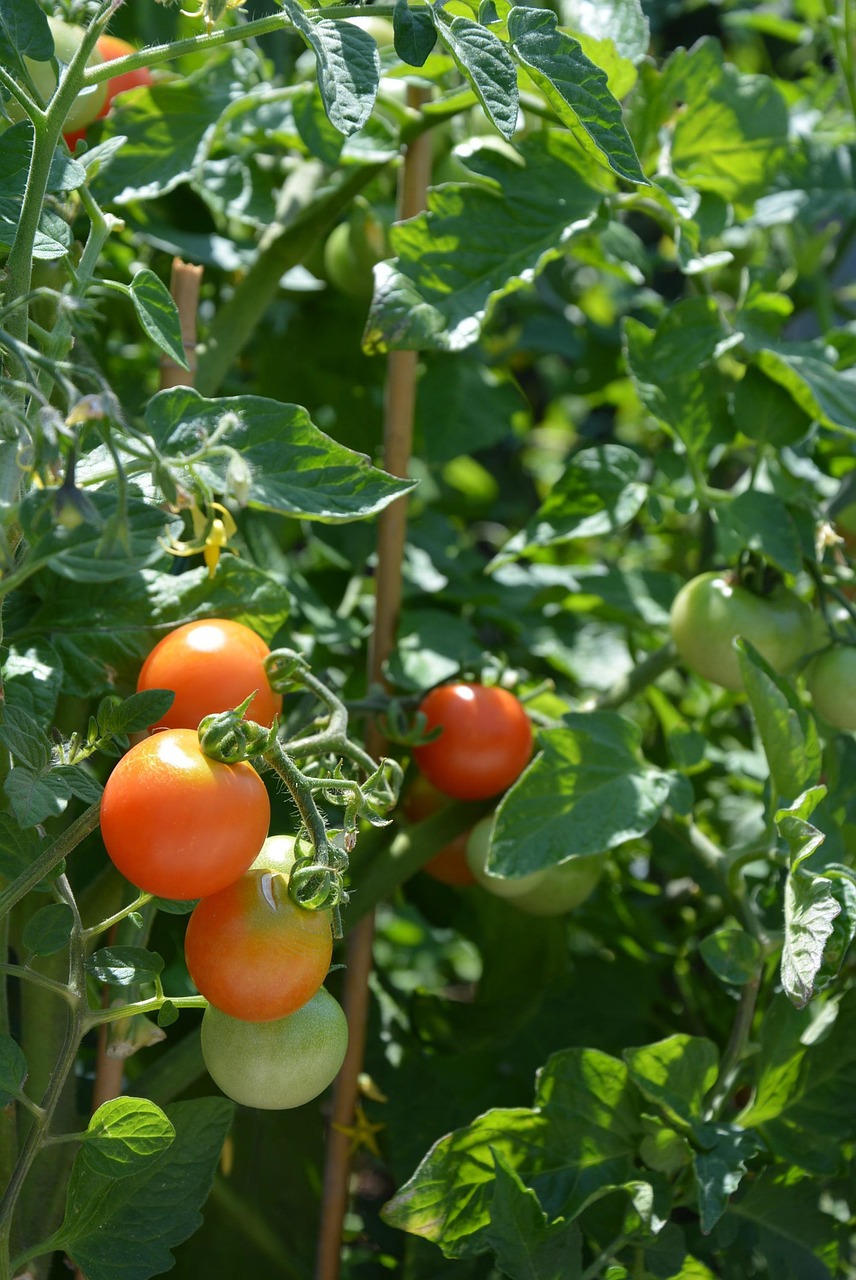
In intensive greenhouse crops, such as tomato, pepper, and eggplant, microalgae offer an effective tool to improve growth uniformity and resistance to soil-borne diseases. Weekly application via fertigation stimulates root development and microbial activity in the substrate, reducing the incidence of pathogens such as Fusarium and Pythium. Tomato growers in greenhouses in Almería have observed a 10% increase in marketable production and an improvement in fruit color and flavor, attributed to a greater accumulation of sugars and organic acids.
Recommended application and dosage in the field
The dosage and timing of application of unicellular algae biostimulants depend on the crop, edaphoclimatic conditions, and the agronomic objective. In general, it is recommended to apply between 2 and 5 liters per hectare of the concentrated extract, diluted in enough water to uniformly cover the foliage or soil. Foliar application is the most common for woody crops such as olive and grapevine, performing 2-3 applications at key phenological stages: budding, flowering, and fruit set. In horticultural crops, root application through drip irrigation, at doses of 10-20 liters per hectare per week, has shown excellent results. It is important to avoid the hours of maximum sunlight to prevent phytotoxicity and ensure optimal absorption. Microalgae extracts are compatible with most fertilizers and pesticides, although a compatibility test is recommended beforehand. The optimal storage temperature is between 5 and 25 °C, protected from direct light. To maximize benefits, it is advisable to integrate microalgae within a comprehensive management program that includes good irrigation practices, balanced fertilization, and biological pest control.
Scientific evidence and field trials
The efficacy of unicellular algae as biostimulants is supported by a growing body of scientific evidence. Research published in indexed agricultural science journals has shown that extracts of Chlorella vulgaris and Scenedesmus spp. increase root and shoot biomass under controlled conditions. A study by the Institute of Agricultural Sciences (CSIC) showed that the application of microalgae to maize plants subjected to salt stress improved stomatal conductance and photosynthetic efficiency by 25% compared to the control. Likewise, field trials conducted by the Polytechnic University of Madrid in organic olive grove plots reported an 18% increase in olive production after three years of treatment with microalgae, along with an improvement in the polyphenol content of the oil. At the European level, EFSA has recognized the potential of microalgae as bioactive ingredients in animal and plant nutrition, although there are still no specific health claims for their use as a biostimulant. However, the European biostimulant regulation (EU Regulation 2019/1009) includes algae extracts within the category of materials that can be used in fertilizer products, provided they meet safety and efficacy criteria. Results from available field trials indicate that the greatest benefits are obtained under moderate stress conditions, where the plant can respond positively to stimulation without suffering irreversible damage. Under optimal conditions, yield increases typically range from 5% to 15%, depending on the crop and dosage.
Related Articles
Need Professional Help?
At Ecoganic in Spain, Europe, we offer certified Biostimulants and Organic Fertilizers. Call us: +34 623 753 719.
FAQ
1. Are unicellular algae suitable for certified organic agriculture?
Yes, microalgae cultivated in photobioreactors with mineral nutrients permitted in organic production can be used in certified organic agriculture. They comply with EU Regulation 2018/848 as inputs of natural origin that leave no synthetic residues. It is important to verify that the product has organic certification issued by an authorized body.
2. How long does it take to observe effects after application?
Effects on vegetative growth can be seen within 7-14 days, especially in leaf color and root development. Benefits in yield and fruit quality are observed at the end of the crop cycle, following repeated applications at appropriate phenological stages. The response depends on the plant's physiological state and environmental conditions.
3. Can they be combined with other biostimulants or fertilizers?
Yes, unicellular algae extracts are compatible with most fertilizers, amino acids, and humic acids. However, it is recommended to avoid mixing with products of alkaline reaction or those containing high concentrations of chlorine, as they can degrade bioactive compounds. Conducting a compatibility test prior to tank mixing is advisable.
4. Which European crops benefit most from microalgae?
Woody crops such as olive, vine, citrus, and almond respond very well, especially under water or nutritional stress conditions. Horticultural crops under greenhouse conditions (tomato, pepper, eggplant) and cereals like corn and wheat also show significant improvements in nutritional efficiency and stress tolerance. The versatility of microalgae allows their use in a wide range of production systems.
5. Are there risks of phytotoxicity from overdosing?
In general, microalgae extracts have a wide safety margin. However, excessively high doses (more than 10 L/ha in foliar application) can cause slight leaf edge burns due to salt concentration. It is recommended to follow the manufacturer's recommended doses and apply during low solar radiation hours to minimize any risk.
Application strategies for unicellular algae in European agriculture: doses and efficiency
Biostimulants derived from unicellular algae (such as Chlorella vulgaris, Scenedesmus obliquus, and Spirulina platensis) have demonstrated significant increases in the productivity of key European crops. Field studies conducted in 2023 by Wageningen University indicate that foliar application of a 0.5% (v/v) Chlorella extract on greenhouse tomatoes increased marketable yield by 18.7% compared to the untreated control. In winter wheat, trials in northern France with freeze-dried Scenedesmus (2 kg/ha) applied at the tillering stage raised chlorophyll content by 22% and root biomass by 15.3%, improving tolerance to moderate water stress. These results are attributed to the presence of phytohormones such as cytokinins (up to 5.2 mg/g in dry extracts) and osmoprotective betaines (1.8-3.4 mg/g), which activate plant defense metabolic pathways.
For practical integration into European cropping systems, application at critical phenological stages is recommended: in pome fruit trees (apple, pear), spraying with Spirulina at 0.3% (w/v) during pre-flowering and fruit set has shown a 12.4% increase in the number of set fruits and a 9% reduction in premature abscission. In extensive crops such as maize and sunflower, the optimal dose of Chlorella biomass (1.5 kg/ha) applied via drip irrigation at the V4-V6 stage increased nitrogen use efficiency (NUE) by 16.8%, according to data from the Bavarian Agricultural Research Institute (2024). It is crucial to adjust the concentration according to the crop: concentrations above 1% (v/v) can cause mild phytotoxicity in lettuce and spinach seedlings, manifested as marginal chlorosis in 7% of treated plants.
Formulation and application method determine efficacy. Aqueous extracts of unicellular algae, obtained through ultrasound cell disruption (20 kHz, 30 minutes), release low molecular weight bioactive compounds (<10 kDa) that penetrate the leaf cuticle within 2-4 hours. In trials with sweet pepper in greenhouses in southeastern Spain, foliar application of an enzymatic hydrolysate of Scenedesmus (0.4% v/v) every 14 days during the growing cycle (8 applications) increased total production by 2.3 t/ha (21% more than the control) and improved lycopene content by 14.6%. It is recommended to combine with a non-ionic adjuvant (0.1% v/v) to improve foliar coverage, especially in crops with waxy cuticles such as broccoli or rapeseed. Under low relative humidity conditions (<40%), it is preferable to apply in the early hours to avoid rapid evaporation and maximize absorption.
For a profitable adoption in European agriculture, a staggered application program is suggested: in high-value horticultural crops (tomato, pepper, strawberry), apply 4-6 doses of 0.3-0.5% (v/v) of Chlorella or Spirulina extract during the vegetative and early reproductive growth stages, with an estimated cost of €45-60/ha per application (based on 2024 prices for certified commercial extracts). In winter cereals, a single application at tillering (1.5-2.0 kg/ha of dry biomass) can provide a return on investment of 3.2:1, considering the yield increase and a 10-15% reduction in nitrogen fertilizers. It is essential to verify compatibility with agrochemicals: unicellular algae extracts are generally compatible with copper- and sulfur-based fungicides, but mixing with products of alkaline reaction (pH >8) that can degrade phytohormones should be avoided. The integration of these biostimulants into European integrated crop management (ICM) programs represents an effective tool for reducing the carbon footprint in
References
Frequently Asked Questions
Are unicellular algae suitable for certified organic agriculture?
Yes, microalgae cultivated in photobioreactors with mineral nutrients allowed in organic production can be used in certified organic agriculture. They comply with EU Regulation 2018/848 as they are inputs of natural origin and leave no synthetic residues. It is important to verify that the product has organic certification issued by an authorized body.
How long does it take to observe effects after application?
Effects on vegetative growth can be observed within 7-14 days, especially in leaf coloration and root development. Benefits in yield and fruit quality are observed at the end of the crop cycle, following repeated applications at the appropriate phenological stages. The response depends on the physiological state of the plant and environmental conditions.
Can they be combined with other biostimulants or fertilizers?
Yes, unicellular algae extracts are compatible with most fertilizers, amino acids, and humic acids. However, it is recommended to avoid mixing with products of alkaline reaction or those containing high concentrations of chlorine, as they can degrade bioactive compounds. Conducting a compatibility test prior to tank mixing is advisable.
Which European crops benefit most from microalgae?
Woody crops such as olive, vine, citrus, and almond trees respond very well, especially under conditions of water or nutritional stress. Horticultural crops grown under greenhouse conditions (tomato, pepper, eggplant) and cereals such as corn and wheat also show significant improvements in nutritional efficiency and stress tolerance. The versatility of microalgae allows their use across a wide range of production systems.
Are there risks of phytotoxicity from overdosing?
In general, microalgae extracts have a wide safety margin. However, excessively high doses (more than 10 L/ha in foliar application) can cause slight leaf edge burns due to salt concentration. It is recommended to follow the manufacturer's recommended doses and apply during periods of low solar radiation to minimize any risk.