Importance of foliar uptake in avocado
Foliar uptake in avocado consists of supplying nutrients in liquid form onto the leaves so that they enter the plant tissue. It is a technique used alongside traditional soil fertilization, not instead of it. Its interest lies in the fact that it allows targeted applications when the soil limits the availability of a given element, for example in alkaline soils or where micronutrients are in short supply, provided that an analysis justifies it.
Avocado nutrition programmes usually pay attention to micronutrients such as boron and zinc and copper, which agronomic literature links to flowering, fruit set and fruit development. The foliar route allows targeted corrections without depending on soil solubility or microbial activity, although the response varies from one orchard to another and must be verified. In intensive production systems, where the margin for correcting nutrition errors is small, every decision should be supported by soil and leaf analysis.
Foliar nutrition can also fit into more rational input management. Applying only what the analysis indicates can help avoid unnecessary applications and limit leaching losses associated with excessive fertilization. This approach connects with the use of biostimulants within an orderly nutrition plan, something that is taken up later in this guide.
Before incorporating a foliar nutrition programme, it is advisable to start from the real nutritional status of the orchard rather than from generic calendars. An application that does not respond to an identified need means product, labour and machinery costs with no demonstrable benefit.
Mechanisms of foliar uptake in avocado

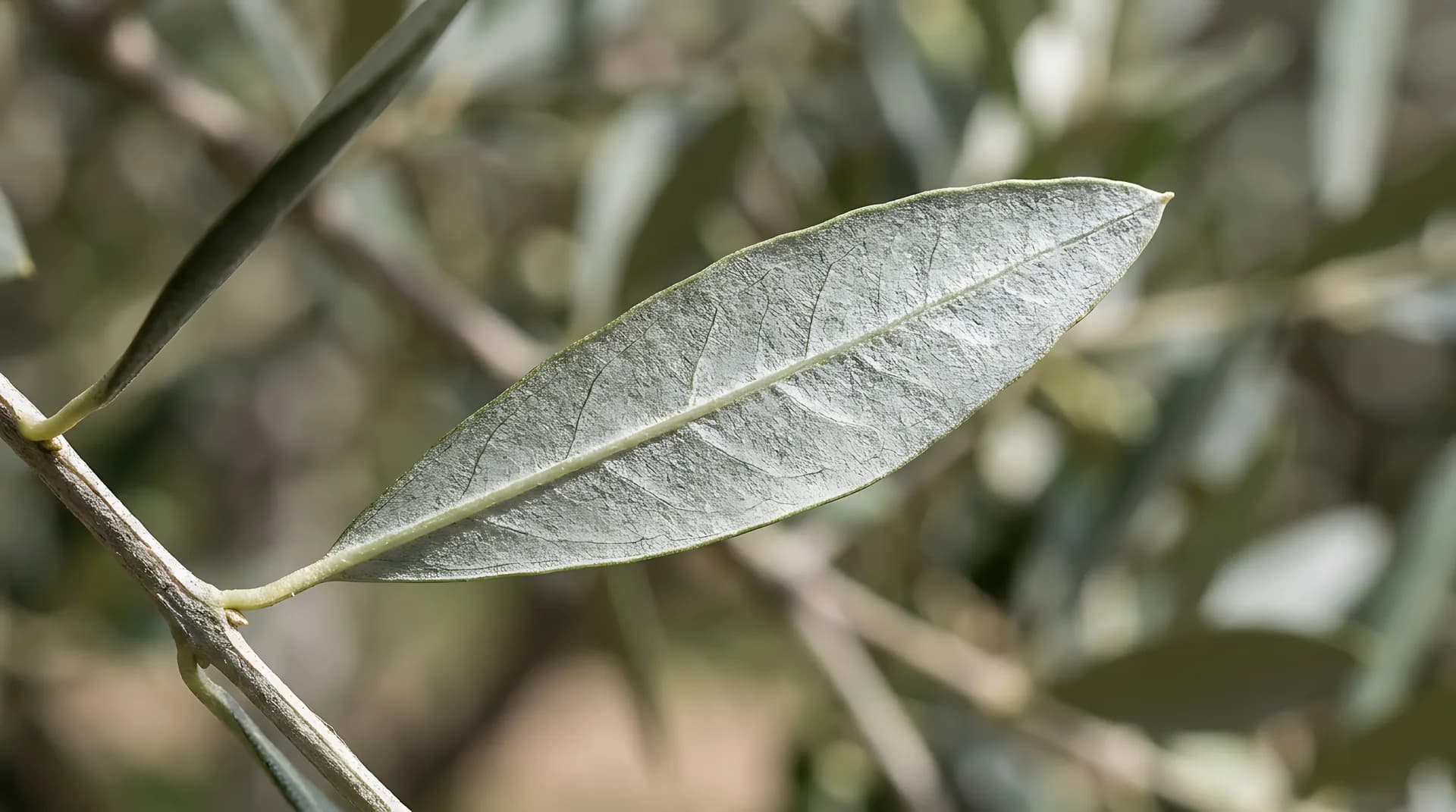
The entry of nutrients through the leaf is usually described via two pathways: the cuticle and the stomata. The cuticle is the waxy layer covering the leaf surface and acts as a selective barrier; the stomata are the pores that regulate gas exchange and which some authors consider an additional entry pathway when they are open. The relative weight of each pathway depends on the species, the condition of the leaf and the conditions of the day.
The efficacy of an application depends on the concentration of the spray solution, its pH, temperature and relative humidity, among other factors. Too high a concentration can damage the leaf tissue, so the prudent approach is to follow the product label rather than adjust the dose by intuition.
Formulation also matters. Manufacturers usually present nutrients chelated or complexed with amino acids or other organic compounds as more stable in the spray solution and better tolerated by the leaf than simple inorganic salts, although the specific advantage depends on the product, the crop and the application conditions. It is advisable to ask the supplier for the product's technical information and to check its performance on a small area before generalising it.
In avocado, the thickness and composition of the cuticle vary with leaf age and variety. Young leaves usually have a less developed cuticle than mature ones, so applications tend to be directed towards new shoots and leaves in full activity. Even so, the actual response must be observed in each orchard.
How to interpret the evidence on yield and foliar nutrition
It is common to come across striking figures on the effect of foliar nutrition on avocado yield. Before giving them weight, it is worth asking where they come from: a commercial summary, a field trial published by an academic institution, a literature review or the isolated experience of a grower do not carry the same value, and what has been observed in a specific area, variety and season does not transfer automatically to another orchard.
The response to a foliar application varies according to the starting nutritional status, the variety, the rootstock, the soil, the climate and the fruit load of the season. In an orchard with no deficiencies, the response may be small or non-existent, whereas in an orchard with a clear limitation it may be more visible. That is why foliar spraying is better understood as a fine-tuning tool than as a guarantee of a larger harvest.
Agronomic experience agrees that the nutritional context of the orchard matters as much as the spraying itself. Foliar nutrition works best as part of a complete programme that takes into account the soil, fertigation and the origin of the fertilization, and not as a stand-alone measure.
There are also diagnostic tools, such as leaf analysis or remote sensing, that help to detect nutritional imbalances in good time and to decide whether a foliar correction makes sense. Their reliability depends on local calibration, so it is worth asking how each tool has been validated before basing decisions on it.
When someone presents results of foliar nutrition in avocado, these are the questions worth asking:
- Who carried out the trial and with what protocol.
- Whether there were untreated control plots and how many replications were made.
- Which variables were measured, for example yield, fruit size or fruit quality.
- In which seasons, on what type of soil and under what climate conditions it was carried out.
- Which product was applied, under which label and at what point in the cycle.
If any of these elements is missing, the reasonable approach is to treat the information as indicative. As an illustrative example, without numerical results: a grower with an orchard on calcareous soil detects a low level of a micronutrient in the leaf analysis. Before treating the whole farm, they test the application on a few rows, leave others untreated as a reference and compare fruit set and fruit size in both. With that information they decide whether to extend the application, adjust it or discard it.
Key nutrients and timing of application
In avocado foliar nutrition, boron, zinc and copper are frequently mentioned. The agronomic literature links boron with flowering and fruit set, zinc with vegetative growth and fruit size, and copper with the general functioning of the leaf. Which of these are needed in a specific orchard can only be indicated by soil and leaf analysis, together with the judgement of an adviser.
The phenological stages most often cited for planning foliar applications in avocado are pre-flowering, flowering, fruit set and early fruit development, because these are phases in which the tree makes a significant nutritional effort. At flowering and fruit set, attention is usually paid to boron and zinc; during fruit development, to calcium and potassium, which are associated with fruit quality and firmness. These are general references, not a fixed calendar.
The dose, the concentration of the spray solution, the application volume and the number of passes must be set according to the product label, the leaf analysis and the phenological stage of the crop. Two orchards that look the same may need different programmes, and copying the calendar from another area may lead to unnecessary applications or to leaf damage.
In orchards with marked deficiencies, the adviser may plan several applications spaced out over time; in well-nourished orchards, one strategic application may be enough, or even none at all. The key is to monitor nutritional status through periodic leaf analyses and adjust the programme according to what is observed.
Factors affecting the efficacy of foliar uptake
The efficacy of foliar uptake depends on leaf age, the water status of the tree and environmental conditions. As young leaves tend to absorb more easily than mature ones, applications are usually timed to coincide with periods of active growth, such as spring flushes or recovery after pruning.
A tree under water stress tends to close its stomata, and this can limit nutrient entry; for this reason, application is carried out with the plant well hydrated. Subsequent rain can wash the solution off the leaf, so it is advisable to check the weather forecast before spraying.
The quality of the spray water influences nutrient solubility and compatibility between products. Hard water or water with an alkaline pH can cause precipitates that reduce nutrient availability. The appropriate pH of the spray solution, which is usually slightly acidic, depends on the product: it should be checked on the label or in the data sheet and verified with a meter before spraying.
Before mixing two or more products, it is advisable to carry out a small-scale compatibility test and to confirm on the label that the tank mix is permitted. Simple salts and some concentrated formulations can damage the leaf if used outside the conditions indicated by the manufacturer, so testing first on a small area is recommended.
Integrated foliar nutrition strategies in avocado
Foliar uptake should not be approached as an isolated solution, but as one piece of an integrated nutrition strategy. A well-ordered programme combines soil fertilization, fertigation and, where analysis justifies it, foliar applications, and is reviewed at the end of each season with production and fruit quality information.
The incorporation of organic matter and of humic or fulvic acids into the soil forms part of many management plans, and is usually assessed for its relationship with soil structure and nutrient dynamics. The type of soil, from clay to sandy, determines what should be prioritised, so there is no single recipe.
Biostimulants can form part of that programme. A biostimulant can contribute to the general vigour of the crop, but it is not a plant protection treatment and does not replace either base nutrition or the health management of the orchard. In the European Union, plant biostimulants are regulated by Regulation (EU) 2019/1009, applicable since July 2022. If the orchard is under organic production, it is advisable to confirm with the certification body that each product is approved before using it.
Ecoganic works in the sector of biostimulants and organic fertilizers for agriculture and offers advice and quotations to growers who want to review their avocado nutrition programme. A conversation with a technical adviser, with the orchard analyses on the table, is a good starting point for defining what to apply, when to do it and how to check the response.
Related articles
- Cold resilience in avocado with microalgae
- Available phosphorus in banana: efficient uptake
- Pulp firmness in banana for the European export market
Do you need professional help?
At Ecoganic in Spain, Europe, we offer Biostimulants and organic Fertilizers. Call us: +34 623 753 719.
Request your free quotation
Frequently asked questions about foliar uptake in avocado
What is foliar uptake in avocado? It is the process by which nutrients applied in liquid form to the leaves enter the plant tissue and become available to the tree. In avocado it is used as a complement to soil fertilization, for example to make targeted corrections at stages such as flowering and fruit set. Entry is described through the cuticle and the stomata, and depends on the product formulation, the concentration of the spray solution and the environmental conditions of the day.
Which nutrients are most frequently considered for foliar application in avocado? Micronutrients such as boron, zinc and copper are frequently mentioned, as well as macronutrients such as calcium and potassium during fruit development. Which ones are needed in a specific orchard should be indicated by leaf and soil analysis, with the judgement of an adviser, and the dose should follow each product's label.
When is it advisable to apply foliar nutrients in avocado? They are usually considered at the stages of greatest crop activity, such as flowering, fruit set and early fruit development, provided the analysis justifies it. It is advisable to spray in the early hours of the morning or late in the afternoon, with the tree well hydrated, and to avoid wind, intense heat and days with forecast rain, which can reduce the effectiveness of the application.
Can foliar uptake replace soil fertilization? No. The foliar route is a complement, not a substitute. Soil fertilization and fertigation remain the basis of avocado nutrition, while foliar application is reserved for targeted adjustments or for specific moments in the cycle, and cannot on its own sustain tree development.
What factors determine the effectiveness of foliar uptake? Leaf age, the tree's water status, temperature, humidity, the quality of the spray water, compatibility between products and formulation all play a part. The appropriate pH of the spray solution and the dose depend on each product, so they must be checked on the label and verified with a small-scale test before treating the whole orchard.
Foliar uptake in avocado: management keys
In avocado cultivation (Persea americana), foliar nutrition is better understood as a support resource than as a stand-alone process. The leaf cuticle has selective permeability, so not all compounds enter with the same ease and the product formulation can influence this. Phosphorus serves as an example of the reasoning: in calcareous soils with alkaline pH, root uptake may be limited, and a foliar supply, with the product indicated by the adviser, can be considered as a complement within a broader programme. Even so, the response should be checked in each orchard before generalising it.
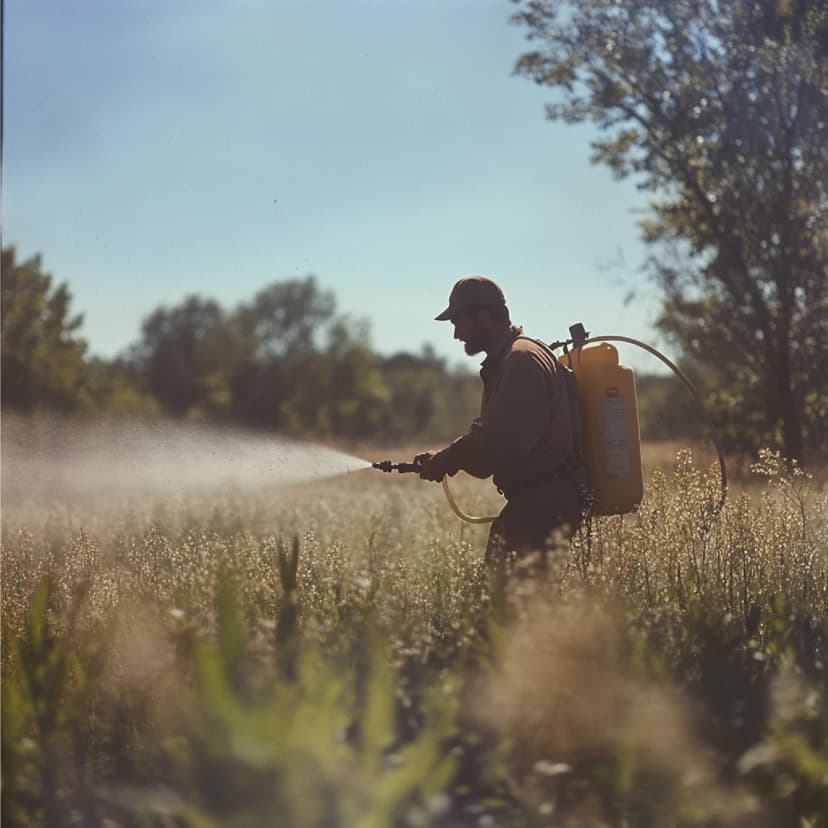
The application day also matters. In general terms, the early hours of the morning, with high relative humidity, and late afternoon, when transpiration drops and the film of water on the leaf persists longer, are usually favourable times to spray. In the central hours of the day, with high temperatures, intense radiation and rapid evaporation, the droplet may dry before the nutrient penetrates, so a poorly timed application means wasted product and labour. It is therefore advisable to record temperature, humidity and wind in the orchard itself on the day of treatment.
As for the product, the composition of the biostimulant and its presentation influence how it penetrates and the risk of phytotoxicity, especially under intense radiation, so the manufacturer's data sheet should always be followed. Amino acids are sometimes used as companions to micronutrients and manufacturers describe them as natural complexing agents; their usefulness should be verified in each orchard. One example of an approach is to combine chelated zinc with amino acids during fruit set and validate the result by counting fruits per tree and measuring average calibre, comparing with untreated control rows.
To give continuity to foliar nutrition, it is worth thinking in terms of a programme per cycle rather than isolated treatments, prioritising the moments of greatest crop demand. As an illustrative example, without figures and always according to what the analyses show: a first phase before flower opening, with the nutrients the adviser considers necessary; a second at fruit set, when the fruits are still very small; and a third during fruit growth. The doses and proportions of each phase should be set with the leaf analysis, the orchard's history and the product label, without copying schedules from other regions, and reviewed at the end of each season with the yield and fruit quality data. A well-planned foliar programme complements, but does not replace, soil, irrigation and base fertilization management.