

Discover the trends in biostimulants for peppers and eggplants that enhance yield and quality. Request your free quote!
Introduction
Biostimulants have emerged as an innovative solution in modern agriculture, especially in sensitive crops such as peppers and eggplants. These products, which enhance plant growth and health, are essential for addressing contemporary agronomic challenges like abiotic stress and production sustainability. With the growing demand for eco-friendly agricultural practices, the use of biostimulants has become a key trend in the management of these crops.
The importance of biostimulants lies in their ability to boost crop yield, optimize nutrient use, and improve final product quality. In this article, we will explore current trends in biostimulants for peppers and eggplants, analyzing their applications, benefits, and the latest research in this field.
Trends in Biostimulants
Trends in the use of biostimulants in pepper and eggplant crops are marked by advances in scientific knowledge and agricultural technology. In 2026, there is an increase in the use of biostimulants based on microorganisms and natural extracts, which promote not only vegetative growth but also resistance to diseases and environmental stress.
One of the most notable trends is the integration of biostimulants into fertilization programs. According to recent research, combining biostimulants with organic fertilizers can improve nutrient use efficiency, resulting in more robust growth and higher productivity.
Furthermore, biostimulants are being formulated to offer specific solutions to agronomic problems. For example, some products are designed to activate plant defense mechanisms, allowing pepper and eggplant crops to resist common fungal and bacterial diseases.
Microorganisms as Biostimulants
Biostimulants based on microorganisms, such as beneficial bacteria and fungi, have gained popularity. These organisms can colonize plant roots, improving nutrient and water uptake. A study conducted by the University of Córdoba showed that the application of certain microorganisms can increase nitrogen assimilation by 30%, resulting in more vigorous growth of pepper crops.
Natural Extracts and Their Effect on Plants
Algae extracts, such as Ascophyllum nodosum, are being used for their ability to stimulate growth and disease resistance. These extracts can increase the activity of antioxidant enzymes in plants, helping to mitigate oxidative stress. Research has shown that the application of algae extracts can increase pepper production by 15% by improving photosynthesis and water use efficiency.
Biostimulants and Ecological Fertilization
The combination of biostimulants with ecological fertilizers not only maximizes crop yield but also contributes to sustainability. A case study in eggplant greenhouses showed that the joint application of biostimulants and organic fertilizers resulted in a 25% increase in yield compared to the use of conventional fertilizers. This trend toward integrated fertilization is crucial for the development of sustainable agricultural practices.
Applications of Biostimulants in Peppers
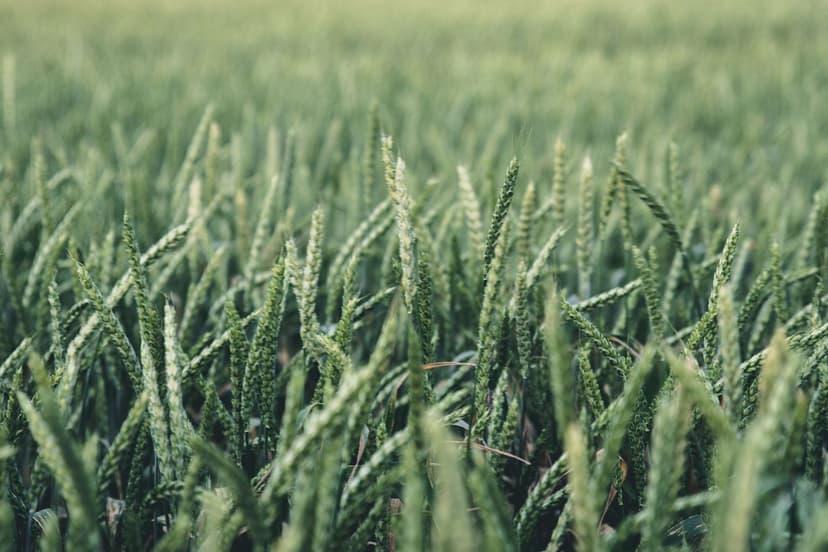
Peppers are crops that greatly benefit from the use of biostimulants. Foliar applications of products containing amino acids and algae extracts have been shown to significantly increase the rate of photosynthesis, improving plant growth and development. These applications are especially effective during the early growth stages, when plants are most susceptible to stress.
A study from the University of Almería indicates that the application of biostimulants in peppers can increase yield by 20%, in addition to improving fruit quality. The combination of biostimulants with proper irrigation management can result in greater resistance to drought conditions, a common challenge in many producing regions.
Field Application Techniques
Biostimulant application techniques are fundamental to maximizing their benefits. Foliar application has proven particularly effective, with optimal results achieved when carried out during the early morning hours or at dusk. This minimizes evaporation and maximizes absorption by the leaves. For example, in field trials, applying an amino acid-based biostimulant to peppers during the flowering phase has been observed to increase fruit set by 30%.
Evaluating Crop Results
It is essential to conduct rigorous monitoring of crops after biostimulant application. This includes assessing vegetative growth, fruit quality, and the incidence of pests and diseases. A data-driven approach allows for adjusting applications and optimizing the use of biostimulants based on specific crop and climate conditions. Measurements of growth rate and nutrient content in fruits are key indicators of application success.
Benefits in Eggplants
Eggplant, like pepper, benefits from the use of biostimulants, which help improve fruit quality and disease resistance. The use of biostimulants based on beneficial microorganisms has proven effective in promoting root growth, resulting in better absorption of nutrients and water.
Recent research published in the Journal of Agricultural Science has shown that the use of biostimulants can increase the antioxidant content in eggplants, improving their nutritional value and organoleptic quality. This is crucial in a market where consumers seek healthier and higher-quality products.
Impact on Fruit Quality
Biostimulants not only affect quantitative yield but also fruit quality. In a study conducted in greenhouses, it was observed that applying biostimulants based on seaweed extracts to eggplants resulted in a 20% increase in the concentration of phenolic compounds, which are known for their antioxidant properties. This not only improves nutritional quality but can also increase the commercial value of the product.
Disease Resistance
Eggplant is susceptible to various diseases, such as blight and powdery mildew. The application of biostimulants, especially those that stimulate microbial activity in the soil, has shown a significant reduction in the incidence of these diseases. A study in eggplant fields revealed that using a microorganism-based biostimulant reduced the incidence of blight by 40%, leading to lower fungicide use and more sustainable cultivation.
Recent Research and Studies
Research in the field of biostimulants is constantly evolving. In 2026, multiple studies have been conducted validating the efficacy of these products in pepper and eggplant crops. One of the most relevant studies, carried out in collaboration with the Institute of Agricultural Sciences, concluded that biostimulants not only improve yield but also increase tolerance to abiotic stress, contributing to more sustainable crop management.
Furthermore, the European Union regulation on biostimulants is driving research towards safer and more effective formulations, aligning agricultural production with sustainability and quality expectations. This includes a focus on developing biostimulants that meet EFSA standards, ensuring their safety and efficacy in agricultural use.
New Formulations and Technological Advances
Current research focuses on developing new biostimulant formulations that combine different active ingredients to maximize their effects. For example, biostimulants are being developed that combine seaweed extracts with specific microorganisms, which can result in a synergistic improvement in plant growth. A recent study has shown that these combinations can increase pepper yield by 25% compared to using each component separately.
International Research Collaborations
Collaboration between universities, research institutes, and private companies is driving innovation in the field of biostimulants. Transnational research projects are exploring the efficacy of biostimulants under different agroclimatic conditions, allowing formulations to be adapted to the specific needs of each region. This is especially relevant in the context of climate change, where adapting crops to new conditions is crucial to ensuring food security.
Recommended Agronomic Practices
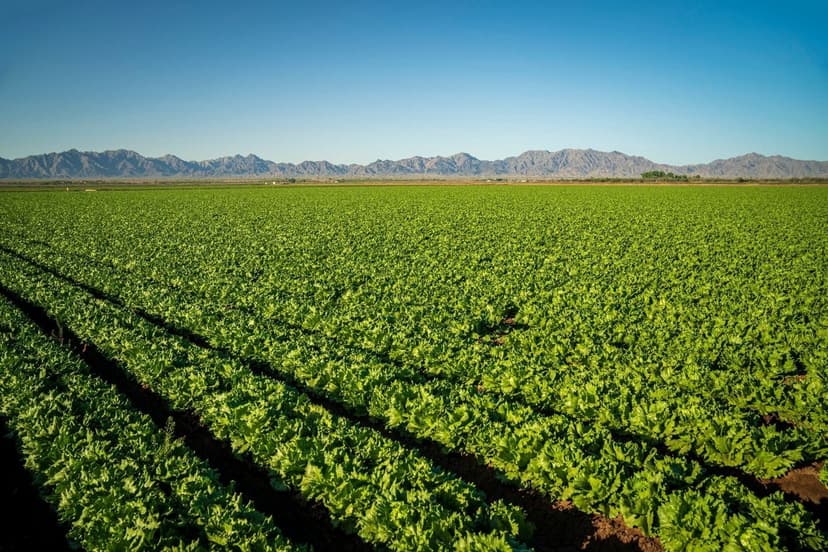
To maximize the benefits of biostimulants in peppers and eggplants, it is essential to implement appropriate agronomic practices. This includes selecting products based on the specific needs of the crop and the agroclimatic context. Foliar application is recommended during critical growth stages, while soil applications can be useful for improving soil microbiology and nutrient availability.
Constant crop evaluation is recommended to determine the optimal timing for biostimulant application. According to best practices for biostimulant application, doses should be adjusted based on crop conditions and the type of biostimulant used to maximize its efficacy.
Selection of Specific Biostimulants
The selection of the appropriate biostimulant is crucial for crop success. Growers must consider factors such as soil type, climatic conditions, and specific production goals. For example, in soils with high salinity, certain amino acid-based biostimulants have been shown to improve sodium tolerance, while in clay soils, biostimulants that promote microbial activity may be more effective. Recent studies have indicated that applying specific biostimulants can improve soil health by 30%, which translates into an increase in crop productivity.
Monitoring and Adjusting Applications
Crop monitoring is essential for adjusting biostimulant applications. This includes assessing soil health, plant growth, and fruit quality. Farmers can use tools such as soil analysis and moisture measurements to determine the need for additional applications. Implementing a data-driven monitoring system can result in
Related Articles
- Biostimulant Regulation in Europe: Changes for Farmers
- Guide to Choosing Biostimulants for Horticultural Crops
- Biostimulants vs Fertilizers: Differences and Advantages
Need Professional Help?
At Ecoganic in Spain, Europe, we offer certified Biostimulants and Organic Fertilizers. Call us: +34 623 753 719.
Trends in Biostimulants for Peppers and Eggplants
In recent years, the use of biostimulants in pepper and eggplant crops has gained significant relevance, becoming a key strategy for improving plant health and increasing productivity. According to a market study, the biostimulant sector is estimated to grow at a compound annual rate of 11.5% until 2025, reflecting a growing interest among farmers in sustainable solutions.
A notable aspect is the application of seaweed extracts, which has been shown to increase plant resistance to stress conditions, such as drought or diseases. Research indicates that the use of seaweed-based biostimulants can increase pepper production by 15-20% and improve fruit quality, enhancing its size and nutrient content.
Furthermore, it has been observed that the combination of microbial biostimulants with conventional fertilizers can enhance nutrient uptake. These biostimulants, which include beneficial bacteria and fungi, can improve the availability of nitrogen and phosphorus, essential elements for the optimal development of eggplants. In trials, a 30% increase in nitrogen use efficiency was reported when using these products.
For farmers seeking to maximize crop yields, the application of biostimulants is recommended at critical stages of the crop cycle, such as transplanting and flowering. This not only helps improve initial plant growth but also promotes the formation of quality fruits. Implementing a biostimulation program can be an effective strategy to address the challenges of climate change and the growing demand for high-quality food.
Related articles
- Ecoganic
- Biostimulants vs Fertilizers: Differences and Advantages
Frequently Asked Questions
What are biostimulants?
Biostimulants are natural or biological products that improve plant growth and development. They are used to increase nutrient efficiency and enhance resistance to abiotic and biotic stress.
How are biostimulants applied to peppers and eggplants?
They can be applied through foliar or soil methods, depending on the crop stage and the type of biostimulant. Foliar applications are common during initial growth.
What are the benefits of using biostimulants?
Biostimulants can increase crop yields, improve fruit quality, and help plants withstand adverse conditions such as drought or diseases.
Are biostimulants safe for the environment?
Yes, biostimulants are designed to be safe and sustainable, complying with European Union regulations and promoting responsible agricultural practices.