

Unicellular Microalgae vs. Seaweed in Biostimulants: Real Differences for Your Crop
Choosing the right biostimulant can determine the success or failure of your crops. The origin of the algae used in a biostimulant is not a minor detail, but a critical characteristic that determines its effectiveness. Most competitors use the brown seaweed Ascophyllum nodosum, while Ecoganic has opted for unicellular microalgae cultivated in photobioreactors. This innovative and controlled approach ensures maximum efficacy and benefits for plants, elevating the quality of biostimulants to a new level.
What are unicellular microalgae
Unicellular microalgae such as Chlorella vulgaris and Scenedesmus obliquus are photosynthetic organisms with an exceptionally rich biochemical composition. These microalgae contain 50-70% protein, chlorophyll, phytohormones such as auxins and cytokinins, polysaccharides, and free amino acids. Their cultivation in photobioreactors allows total control over growth conditions, ensuring a standardized, high-quality product.
What is Ascophyllum nodosum
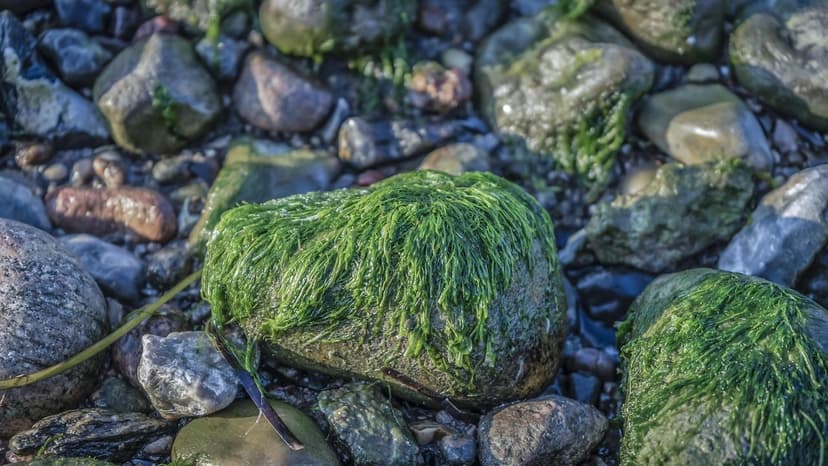
Ascophyllum nodosum is a brown seaweed widely used in biostimulants due to its content of alginic acids, laminarin, and phytohormones. Traditional extraction methods, which include heat, cold, and solvents, can affect the concentration of its active components. Additionally, its composition can vary seasonally, impacting the consistency of the final product.
Technical comparison table
| Criterion | Unicellular Microalgae | Ascophyllum nodosum |
|---|---|---|
| Origin | Photobioreactor | Marine harvesting |
| Culture/extraction method | Controlled | Heat, cold, solvents |
| Composition variability | Minimal | High |
| Phytohormone content | Auxins, cytokinins | Betaines, auxins |
| Bioavailability | High | Moderate |
| Soil impact | Improves structure | Variable |
| Traceability | High | Low |
| Organic certification | Yes | Not guaranteed |
| Environmental sustainability | High | Moderate |
| Effect on root vs. shoot | Balanced | Variable |
Why traceability matters
Traceability in biostimulant production is essential to ensure product quality and efficacy. Using microalgae cultivated in photobioreactors allows precise control of each batch, guaranteeing consistency and purity. In contrast, marine harvesting presents challenges in consistency and quality due to environmental factors and seasonal variability.
Comparative studies
Studies have shown that unicellular microalgae are more effective in root stimulation and improving tolerance to water stress compared to Ascophyllum nodosum. Crops treated with microalgae also show a significant improvement in fruit quality, reflected in size, coloration, and nutritional content.
Which crops respond best to each type
Crops such as avocado, grapevine, and olive respond optimally to unicellular microalgae biostimulants due to their balanced biochemical composition. On the other hand, citrus, tomato, cocoa, and coffee can benefit from both microalgae and Ascophyllum nodosum, depending on the specific needs of each growth stage.
Conclusion
Unicellular microalgae represent the future of agricultural biostimulants. Their controlled cultivation and composition rich in critical nutrients provide a more effective and sustainable solution for today's agronomic challenges. Ecoganic positions itself at the forefront of this innovation by offering high-quality products with unparalleled consistency.
FAQ
1. What advantages do microalgae biostimulants offer over seaweed-based ones?
Microalgae biostimulants offer a more consistent composition, better nutrient bioavailability, and a uniform positive impact on plants due to their cultivation under controlled conditions.
2. How do microalgae phytohormones affect crops?
Phytohormones such as auxins and cytokinins help improve root growth and cell division, respectively, promoting balanced and robust development in plants.
3. Does the seasonal variability of seaweed affect its efficacy?
Yes, seasonal variability can alter the concentration of active compounds in seaweed, reducing the consistency and efficacy of biostimulants.
4. What sustainability certifications does Ecoganic have for its products?
Ecoganic incorporates sustainable, ecologically certified cultivation practices, ensuring that its biostimulants are environmentally friendly.
5. Which crops are most suitable for microalgae biostimulants?
Avocado, grapevine, and olive trees are crops that particularly benefit from microalgae biostimulant applications due to their need for specific nutrients during growth.