
Discover how organic matter improves tomato yield: physical, chemical, and biological benefits, management strategies, and field data. Request.
The role of organic matter in tomato yield
Organic matter and tomato yield are two concepts that are closely linked in modern agriculture. Soil organic matter is an essential component that influences the physical, chemical, and biological properties of the soil, which directly translates into crop productivity. According to the FAO, organic matter is a key indicator of soil health and its management is fundamental for agricultural sustainability.
In tomato cultivation, the presence of organic matter at adequate levels can improve soil structure, increase water and nutrient retention, promote microbial activity, and reduce the incidence of soil-borne diseases. These factors, in turn, are reflected in better root development, greater nutrient uptake, and an increase in fruit yield and quality.
However, tropical and subtropical soils in Latin America, where a large portion of tomatoes are grown, often have low organic matter content due to high temperatures and rapid microbiological decomposition. Therefore, it is crucial to implement management strategies that increase and maintain organic matter levels, such as incorporating compost, green manures, or biostimulants based on fulvic acids.
Physical Benefits: Soil Structure and Water Retention
Improved Soil Aggregation
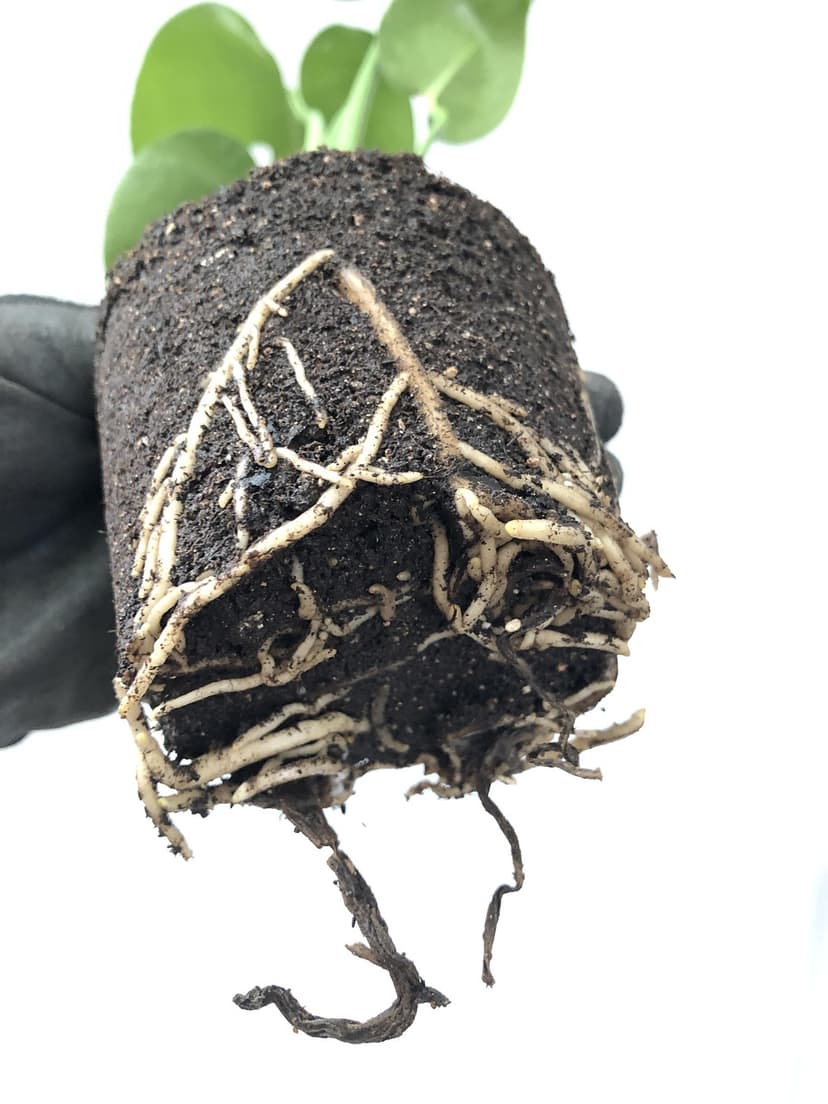
Organic matter acts as a binding agent that promotes the formation of stable aggregates in the soil. These aggregates improve porosity and aeration, allowing for better development of tomato roots. A well-structured soil facilitates root penetration, increases profile exploration, and therefore enhances water and nutrient uptake.
In clay soils, organic matter reduces compaction and improves drainage, preventing waterlogging that can lead to root asphyxia and diseases such as root rot. In sandy soils, on the other hand, it increases water retention capacity, reducing water stress during dry periods.
Moisture Retention and Water Use Efficiency
Organic matter can retain up to 20 times its weight in water, resulting in greater moisture availability for plants. In tomato cultivation, which is sensitive to water stress, this capacity is crucial for maintaining steady growth and preventing issues such as blossom-end rot, which is associated with fluctuations in soil moisture.
Studies have shown that soils with high organic matter content require less irrigation, as water loss through evaporation and runoff is lower. This is especially relevant in areas where water is a limited resource, such as many regions in Mexico, Peru, or Chile, where tomatoes are grown for export.
Chemical Benefits: Nutrition and Cation Exchange Capacity
Supply of Essential Nutrients
Organic matter serves as a reservoir of essential nutrients such as nitrogen, phosphorus, sulfur, and micronutrients. As it mineralizes, it releases these elements gradually, allowing for more balanced nutrition and reducing losses through leaching. In tomatoes, adequate nutrition is fundamental to achieving high yields and quality fruit.
For example, organic nitrogen is released slowly, avoiding peaks of vegetative growth that can be detrimental to fruit set. Phosphorus, in turn, is essential for root development and flowering, and its availability is enhanced by the formation of organic complexes that prevent its fixation in calcareous or acidic soils.
Cation Exchange Capacity (CEC)
Organic matter has a high cation exchange capacity, allowing it to retain cations such as calcium, magnesium, potassium, and ammonium, making them available to plant roots. This is especially important in tropical soils, where leaching is intense due to abundant rainfall.
A soil with good CEC acts as a buffer that prevents nutritional deficiencies and reduces the need for chemical fertilizers. This not only benefits tomato yield but also contributes to the economic and environmental sustainability of the production system.
Biological benefits: microbiota and disease suppression
Stimulation of microbial activity
Organic matter is the main energy source for soil microorganisms. Bacteria, fungi, actinomycetes, and other organisms decompose organic matter and release assimilable nutrients, while also producing substances that promote plant growth, such as phytohormones and vitamins.
A diverse and active microbiota is essential for maintaining soil balance and reducing the incidence of pathogens. For example, mycorrhizal fungi, which benefit from organic matter, establish symbiosis with tomato roots and improve phosphorus and water uptake, in addition to increasing disease resistance.
Suppression of soil-borne diseases
Organic matter can contribute to the suppression of soil-borne diseases such as Fusarium, Verticillium, or Rhizoctonia, which severely affect tomato crops. This is because microbial activity competes with pathogens for space and nutrients, and some microorganisms produce natural antibiotics that inhibit their growth.
Furthermore, organic matter improves soil structure, preventing anaerobic conditions that favor pathogen development. In greenhouse tomato crops, where disease pressure is high, organic matter management is a key tool for reducing fungicide use and increasing sustainability.
Management strategies to increase organic matter
Incorporation of compost and organic amendments
One of the most effective ways to increase soil organic matter is the application of compost, well-decomposed manure, or vermicompost. These amendments provide stable organic matter and nutrients, improving soil properties. In tomato cultivation, it is recommended to apply 10 to 20 tons per hectare of compost before planting, depending on the initial organic matter content.
It is important that amendments are well decomposed to avoid phytotoxicity issues or the introduction of pathogens. Additionally, application should be uniform and preferably incorporated into the soil through tillage.
Use of green manures and cover crops
Green manures, such as oats, vetch, or mustard, are cultivated during soil rest periods and incorporated before flowering. These crops contribute biomass that decomposes and becomes organic matter, in addition to improving soil structure and fixing nitrogen in the case of legumes.
In tomato production systems, green manures can reduce the need for nitrogen fertilizers by up to 30%, according to research from the Journal of Soil Science and Plant Nutrition. Furthermore, they help break pest and disease cycles by diversifying the system.
Biostimulants based on fulvic acids and algae
Biostimulants containing fulvic acids, algae, or beneficial microorganisms can enhance the effects of organic matter. These products stimulate microbial activity, improve nutrient uptake, and increase stress tolerance. At Ecoganic, we offer a line of fulvic acids that can be combined with organic matter to maximize tomato yield.
For example, the application of fulvic acids through fertigation can increase the availability of micronutrients such as iron and zinc, which are essential for photosynthesis and chlorophyll formation. Additionally, seaweed provides cytokinins and betaines that improve fruit set and fruit quality.
Organic matter and abiotic stress in tomato
Tolerance to drought and high temperatures
Tomato is a crop sensitive to water and thermal stress, especially during flowering and fruit set stages. Organic matter improves water retention and reduces soil temperature, which protects roots from thermal stress. Furthermore, humic compounds stimulate the synthesis of osmoprotectants such as proline, which help the plant tolerate drought.
In a trial conducted by the FAO, it was observed that soils with higher organic matter content maintained tomato yields 20% higher under moderate drought conditions, compared to soils poor in organic matter.
Salinity reduction
In saline soils, organic matter can mitigate the negative effects of excess salts. Humic acids form complexes with sodium ions, reducing their toxicity and improving soil structure. Additionally, organic matter promotes salt leaching by improving drainage.
For tomato growers in arid zones, such as northern Mexico or the coast of Peru, incorporating organic matter is a key strategy for maintaining productivity in soils with salinity problems.
Related articles
Need professional help?
At Ecoganic in Spain, Europe, we offer certified Biostimulants and Organic Fertilizers. Call us: +34 623 753 719.
Frequently asked questions
What is the optimal level of organic matter for tomato cultivation?
The optimal level of organic matter in soils for tomato is usually between 3% and 5%. However, in tropical soils, values above 2% are already considered acceptable. It is important to carry out periodic soil analyses to monitor organic matter content and adjust amendments.
How is soil organic matter measured?
Organic matter is measured through laboratory analysis, using methods such as potassium dichromate oxidation (Walkley-Black) or loss on ignition. These analyses provide the percentage of organic carbon, which is multiplied by a factor to obtain the percentage of organic matter.
How long does it take for organic matter to decompose in the soil?
The decomposition rate depends on factors such as temperature, moisture, the C/N ratio, and microbial activity. In warm climates, decomposition is faster, so continuous application of organic amendments is required to maintain levels.
What is the relationship between organic matter and organic fertilization?
Organic matter is the foundation of ecological fertilization, as it provides nutrients naturally and improves the availability of those that are applied. At Ecoganic, we offer organic fertilizers that complement the action of organic matter, ensuring balanced and sustainable nutrition.
FAQ
Why is organic matter important for tomato yield?
Organic matter improves soil structure, water and nutrient retention, and biological activity, which translates into better root development, greater nutrient uptake and, consequently, higher yield and fruit quality.
How can I increase organic matter in my soil?
It can be increased through the application of compost, manure, green manures, cover crops, and the use of biostimulants based on fulvic acids. It is also important to reduce tillage and maintain permanent vegetation cover.
What type of organic matter is best for tomatoes?
Well-decomposed organic matter, such as mature compost or vermicompost, is the most recommended, as it provides available nutrients and poses no risk of phytotoxicity. Green manures are also excellent for improving soil structure and organic matter content.
Can organic matter reduce the use of chemical fertilizers?
Yes, by improving nutrient availability and cation exchange capacity, organic matter can reduce the need for chemical fertilizers. However, it is important to supplement with organic or mineral fertilizers according to crop needs and soil analyses.
Organic matter and tomato yield: technical evidence and management strategies
The soil organic matter (OM) content is one of the most determining factors in tomato crop yield (Solanum lycopersicum L.), especially in organic and regenerative production systems. Several field trials conducted under Mediterranean and subtropical conditions have shown that 1% increases in OM content (from 1.5% to 2.5%) are associated with average increases in marketable production of between 12% and 18%. This effect is attributed to improved water retention capacity (from 0.12 to 0.18 cm³ of water per cm³ of soil), increased microbial activity (measured as basal respiration, from 0.8 to 1.4 mg CO₂·g⁻¹·day⁻¹), and greater availability of nutrients such as nitrogen, phosphorus, and potassium in assimilable forms. In soils with OM above 3%, the response to irrigation and mineral fertilization is optimized, reducing nitrate leaching losses by up to 30%.
A comparative study of 12 consecutive cropping cycles in plots under organic management (annual applications of 15 t/ha of compost) versus plots with exclusive chemical fertilization showed that, from the third cycle onward, the cumulative tomato yield in the organic system exceeded the conventional one by an average of 9.5%, with lower interannual variability (coefficient of variation of 14% versus 27%). Furthermore, fruit quality improved: total soluble solids content (°Brix) increased from 4.8 to 5.6, and fruit firmness increased by 22%, which reduces postharvest losses. This effect is explained by the gradual release of nutrients and by the induction of systemic resistance in the plant, mediated by humic compounds and beneficial microorganisms present in the stabilized organic matter.
To maximize tomato yield, it is recommended to maintain a soil OM level above 2.5% in the first 30 cm of depth. The incorporation of organic amendments should be carried out at least 30 days before transplanting, with an initial dose of 20-25 t/ha of mature compost (C/N ratio between 15 and 20), followed by maintenance applications of 8-10 t/ha per cycle. In sandy soils with low cation exchange capacity, it is suggested to combine compost with biochar (5 t/ha) to increase nutrient and water retention. Likewise, the use of legume cover crops (such as Vicia sativa or Trifolium incarnatum) in rotation, sown in autumn and incorporated in spring, can provide between 120 and 180 kg N/ha, reducing the need for external fertilizers by 40%.
From a practical standpoint, it is recommended to monitor soil OM every two years through laboratory analysis, and adjust amendment rates according to the initial content and texture. In soils with OM below 1.8%, it is a priority to combine strategies: application of compost in bands (10 cm depth) along the planting line, drip irrigation with organic fertigation (seaweed extracts and humic acids), and the use of biodegradable plastic mulch to reduce evaporation and promote biological activity. Under conditions of high temperature and low relative humidity, OM acts as a thermal regulator, decreasing soil temperature by 2-3°C, which protects the root system and maintains nutrient uptake. Finally, the combination of OM with arbuscular mycorrhizae (genera Glomus and Rhizophagus) has shown additional increases of 15-20% in root biomass and greater tolerance to water stress, resulting in more stable production and higher commercial quality.
Frequently Asked Questions
Why is organic matter important for tomato yield?
Organic matter improves soil structure, water and nutrient retention, and biological activity, which translates into better root development, greater nutrient uptake, and consequently, higher yield and fruit quality.
How can I increase organic matter in my soil?
It can be increased through the application of compost, manure, green manures, cover crops, and the use of biostimulants based on fulvic acids. It is also important to reduce tillage and maintain permanent vegetation cover.
What type of organic matter is best for tomatoes?
Well-decomposed organic matter, such as mature compost or vermicompost, is the most recommended, as it provides available nutrients and poses no phytotoxicity risks. Green manures are also excellent for improving soil structure and organic matter content.
Can organic matter reduce the use of chemical fertilizers?
Yes, by improving nutrient availability and cation exchange capacity, organic matter can reduce the need for chemical fertilizers. However, it is important to supplement with organic or mineral fertilizers according to crop needs and soil analyses.