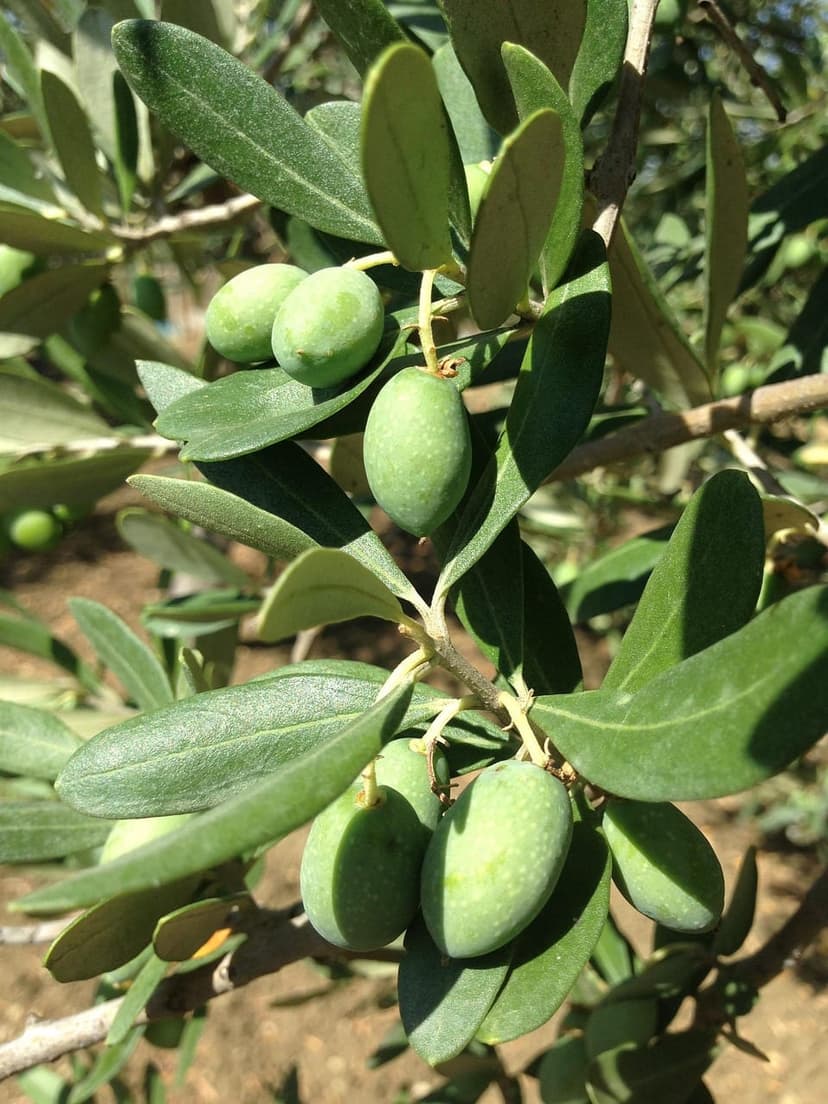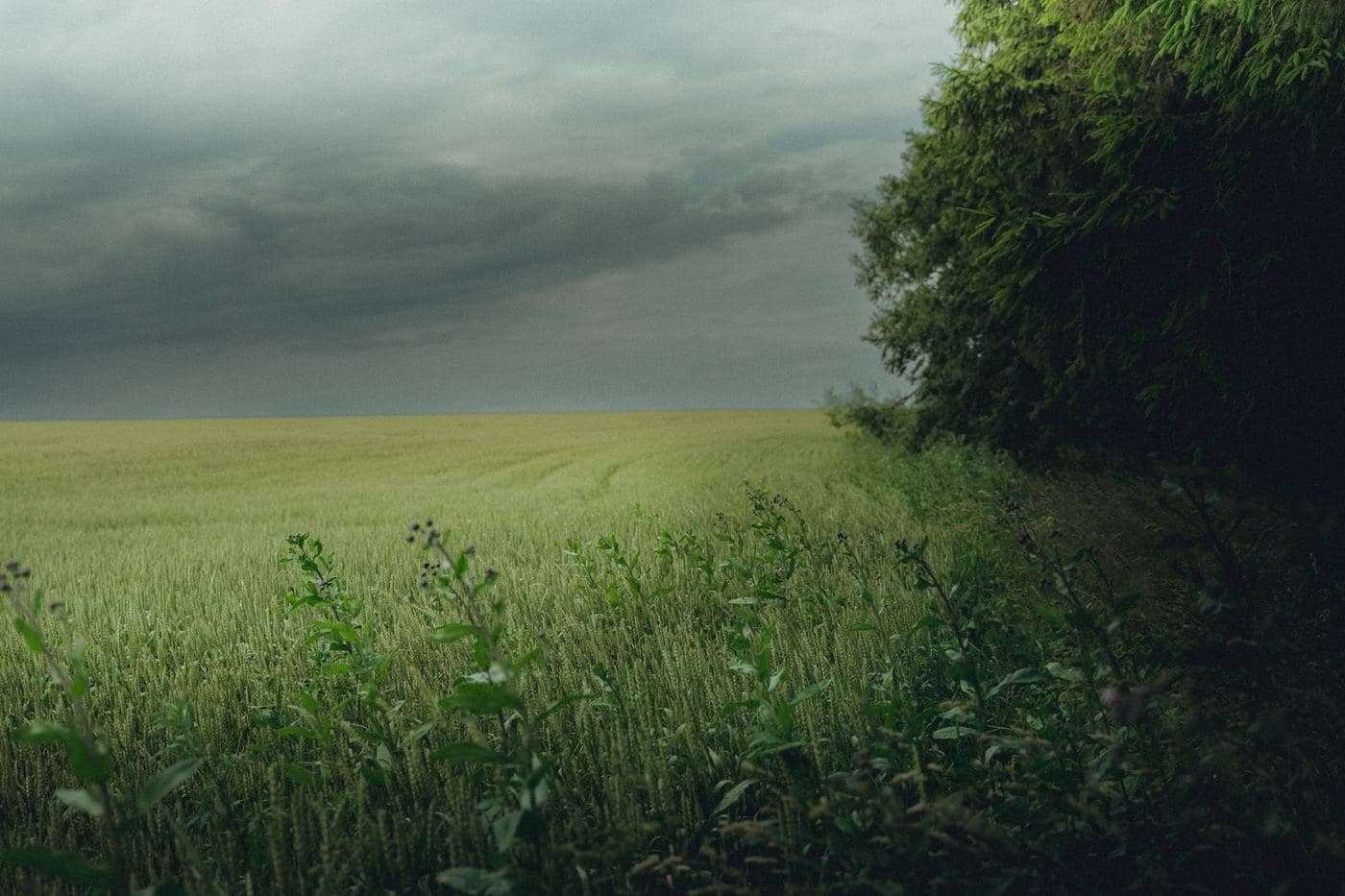

Learn about water stress management in organic olive trees and improve your production. Request your free quote.
Introduction
Water stress is one of the main factors affecting the production of organic olive trees, especially in regions with Mediterranean climates. Water scarcity can not only reduce yield but also compromise the quality of olive oil, a flagship product of Mediterranean agriculture. Therefore, it is crucial to implement effective strategies to manage water stress and ensure crop sustainability.
In this article, we will explore the causes of water stress in olive trees, the most effective management techniques, and how biostimulants can play a key role in mitigating its effects. Proper water management, combined with sustainable agricultural practices, can significantly improve crop productivity and quality.
Impact of Water Stress on Olive Trees
Water stress in olive trees occurs when water availability is insufficient to meet the plant's physiological needs. This can result in decreased photosynthesis, reduced vegetative growth, and ultimately lower fruit yield. Studies have shown that water stress can lead to a 30 to 50% reduction in olive production, depending on its severity and duration.
Furthermore, water stress affects olive oil quality, as it can alter the fatty acid profile and the concentration of phenolic compounds, which are responsible for organoleptic properties and health benefits. Therefore, managing water stress is not only important for maintaining production but also for ensuring a high-quality final product.
Affected Physiological Mechanisms
When an olive tree experiences water stress, several physiological mechanisms are activated that can impair its development. Reduced cell turgor affects stomatal opening, limiting transpiration and consequently photosynthesis. A study conducted by the Institute of Plant Sciences indicates that photosynthesis can decrease by up to 60% under severe stress conditions.
Additionally, water stress triggers the accumulation of compounds such as abscisic acid (ABA), which in turn induces premature leaf senescence and affects fruit formation. This results in fewer olives and reduced fruit size, negatively impacting oil production and quality.
Water Stress Management Techniques
Several management techniques can help farmers mitigate the effects of water stress on olive trees. Among the most effective are:
- Irrigation management: Implementing an efficient irrigation system, such as drip irrigation, optimizes water use. It is recommended to schedule irrigation based on soil water status and the plant's specific needs.
- Mulching: Applying organic mulch around the base of the trees helps conserve soil moisture and reduce evaporation. This is especially effective in hot, dry climates.
- Selection of resistant varieties: Choosing olive varieties that are more drought-tolerant can make a significant difference in production during periods of water stress.
Water Status Monitoring
To effectively manage water stress, constant monitoring of the soil's water status is essential. Tools such as tensiometers and moisture sensors allow farmers to measure the amount of water available in the soil. For example, a study in Andalusia showed that using tensiometers can reduce water consumption by 25% without compromising olive production.
Soil Conservation Practices
In addition to mulching, other soil conservation practices, such as planting cover crops and crop rotation, help improve soil structure and its water retention capacity. Cover crops, such as clover or oats, not only protect the soil from erosion but also improve water infiltration and nutrient retention.
Use of Biostimulants in Olive Trees
Biostimulants are an effective tool for improving water stress tolerance in organic olive trees. These products, which may include plant extracts, beneficial microorganisms, and bioactive compounds, work by enhancing soil health and the plants' ability to absorb and utilize water.
For example, the use of algae-based biostimulants has proven effective in improving root growth and promoting better water retention in the soil. According to research published in the Journal of Agricultural Science, the use of these products can increase olive production by 20% under water stress conditions.
Mechanisms of Action of Biostimulants
Biostimulants act through various biochemical mechanisms, such as activating metabolic pathways that improve the plant's response to stress. For instance, some biostimulants can increase the synthesis of osmoprotective compounds, which help plants maintain water balance under drought conditions. A study conducted by the University of Córdoba showed that applying an amino acid-based biostimulant increased proline concentration in olive leaves, contributing to better water stress tolerance.
Examples of Field Application
In an experiment carried out on an olive plantation in the Jaén region, biostimulants based on beneficial microorganisms were applied during a drought period. The results showed a 15% increase in olive yield compared to a control group that received no treatment. Additionally, the quality of the oil produced was superior, with a polyphenol content 10% higher, indicating an improvement in organoleptic properties.
Agronomic Conditions and Fertilization Strategies
Soil conditions and fertilization practices are critical factors for managing water stress in olive trees. The application of organic fertilizers rich in essential nutrients can improve soil health and increase water retention capacity.
It is advisable to conduct periodic soil analyses to determine nutritional deficiencies and adjust fertilizer applications accordingly. Additionally, incorporating organic matter, such as compost and fulvic acids, can improve soil structure and its ability to retain water.
Fertilization and Sustainability Strategies
Fertilization should be carried out in a way that minimizes environmental impact. The application of controlled-release fertilizers allows nutrients to be released slowly, reducing the risk of leaching and improving nutrient use efficiency. A study conducted by the Polytechnic University of Valencia showed that the application of controlled-release fertilizers can increase nitrogen use efficiency by 30% in olive trees.
Use of Organic Additives
The addition of organic additives such as worm humus or biochar can improve the soil's water retention capacity, thereby increasing water availability for olive tree roots. These additives not only improve water retention but also promote soil microbial activity, contributing to a healthier soil ecosystem. A study in which biochar was applied to olive trees showed a 25% increase in soil water retention capacity, which is crucial during drought periods.
Related Articles
Need Professional Help?
In Spain, Europe, we offer advanced agricultural solutions, organic fertilizers. Call us: +34 623 753 719.
Conclusions and Recommendations
Water stress management in organic olive groves is essential to ensure the sustainability and profitability of this crop. Implementing appropriate irrigation techniques, using biostimulants, and carrying out effective agronomic management are key strategies to mitigate the effects of water stress.
Farmers must monitor weather conditions and adjust their management practices as needed. Additionally, it is advisable to consult with sustainable agriculture experts to obtain personalized advice and optimize results.
References
Frequently Asked Questions
What is water stress in olive trees?
Water stress in olive trees refers to the condition where the plant does not receive enough water to meet its physiological needs. This can negatively affect the production and quality of olives.
How can I prevent water stress in my olive trees?
To prevent water stress, it is important to implement an efficient irrigation system, apply mulching, and choose olive varieties that are more resistant to drought.
What role do biostimulants play in water stress management?
Biostimulants help improve soil health and the plants' ability to absorb and use water, thereby increasing their tolerance to water stress.
What are the best fertilization practices for olive trees under water stress conditions?
Conducting soil analysis to adjust fertilizer applications, incorporating organic matter, and using organic fertilizers are some of the best practices.
How does water stress affect olive oil quality?
Water stress can modify the fatty acid profile and reduce the concentration of phenolic compounds, thus affecting the organoleptic properties of olive oil.