

Learn how to maintain optimal soils for crops using sustainable techniques and biostimulants. Request your free quote!
Introduction
Maintaining optimal soils is essential to ensure the productivity and sustainability of crops in modern agriculture. In this context, it is necessary to implement agronomic practices that promote soil health, as a well-cared-for soil not only improves crop production but also contributes to the sustainability of the agricultural ecosystem. This article provides a technical guide on how to maintain soils in optimal conditions, focusing on the use of biostimulants and nutrient management techniques.
Soils are a vital resource that sustains agriculture. However, many farmers face the challenge of maintaining healthy soils due to factors such as erosion, compaction, and nutrient depletion. To address these issues, it is essential to adopt an integrated approach that involves sustainable management practices and the use of products that promote soil regeneration and fertility.
Importance of Soils in Agriculture
Soils are the foundation of agricultural production, as they are the medium through which plants obtain the nutrients and water necessary for their growth. A healthy soil has an adequate structure, a diverse microbial population, and a balanced nutrient profile. Soil health influences crop quality, resistance to pests and diseases, and water retention capacity.
Furthermore, soils act as a filtration system, improving water quality and reducing runoff. This is why soil conservation is essential not only for agricultural productivity but also for environmental protection. Implementing sustainable management techniques can enhance the soil's ability to store carbon, thereby contributing to climate change mitigation.
Ecological Function of Soils
Soils play vital ecological roles that extend beyond agriculture. They act as a carbon reservoir, helping to regulate the climate by storing large amounts of carbon in the form of organic matter. According to the FAO, it is estimated that soils can store approximately 75% of terrestrial carbon. This storage is crucial for mitigating climate change, as carbon dioxide (CO2) released into the atmosphere contributes to global warming.
Soil biodiversity, which includes microorganisms, fungi, and soil fauna, is fundamental to ecosystem health. Studies have shown that soil microbial diversity can positively influence crop resistance to diseases. For example, the presence of certain bacteria and fungi can help plants defend against pathogens, thereby reducing the need for chemical pesticides.
Techniques for Improving Soil Health

There are several techniques that farmers can implement to improve soil health. These include crop rotation, the use of cover crops, and the incorporation of organic matter. Crop rotation helps disrupt pest and disease cycles, in addition to improving soil microbial diversity.
Cover crops, such as clover or oats, are sown during the fallow period of the main crop. These plants help protect the soil from erosion, improve soil structure, and contribute nutrients as they decompose. Furthermore, incorporating organic matter, such as compost or worm castings, is crucial for enriching the soil and enhancing its water retention capacity.
Crop Rotation
Crop rotation is a practice that involves alternating different plant species in the same field over the seasons. This technique not only improves soil health but also optimizes nutrient use. For example, legume crops, such as peas or beans, fix nitrogen in the soil, benefiting subsequent crops that require this nutrient. Studies have shown that crop rotation can increase yields by 10-20% compared to continuous cropping.
Use of Cover Crops
Cover crops are planted to protect the soil during fallow periods. In addition to reducing erosion, these crops improve soil structure by increasing organic matter and providing habitats for soil organisms. For example, using rye as a cover crop has been shown to increase microbial activity and improve phosphorus availability in the soil, resulting in higher yields for subsequent crops.
Incorporation of Organic Matter
Organic matter is essential for soil health, as it improves water retention, aeration, and biological activity. Incorporating compost, manure, or organic amendments can increase the soil's cation exchange capacity (CEC), which is an indicator of soil fertility. According to studies, increasing soil organic matter content by 1% can result in a water retention increase of up to 1500 liters per hectare.
Biostimulants and Soil
Biostimulants are products that promote plant growth and improve soil health through biological mechanisms. These products can contain beneficial microorganisms, seaweed extracts, and organic compounds that stimulate microbial activity and enhance nutrient availability.
According to recent research, the use of biostimulants can increase soil microbial biomass, which in turn improves organic matter decomposition and nutrient availability for plants. For example, a field trial on corn crops showed that applying a biostimulant based on seaweed extracts resulted in a significant increase in crop yield and an improvement in soil quality.
Mechanisms of Action of Biostimulants
Biostimulants act through various mechanisms, including stimulating enzymatic activity, promoting plant hormone synthesis, and enhancing nutrient solubilization. For instance, seaweed extracts, which are rich in phytohormones such as auxins and cytokinins, can improve root growth and nutrient uptake capacity. Studies have shown that applying these biostimulants can increase root length by 30%, leading to better access to nutrients and water.
Practical Applications in the Field
In practice, biostimulants can be applied at different stages of the crop cycle. For example, during the sowing phase, applying a microorganism-based biostimulant can improve germination rates and plant establishment. In vegetable crops, it has been observed that applying biostimulants during the vegetative growth phase can increase yield by 15-25%. In fruit crops, the use of biostimulants can improve fruit quality and increase resistance to diseases.
Nutrient Management
Proper nutrient management is essential for maintaining optimal soils. Fertilizer application must be carried out strategically, considering the specific needs of each crop and soil characteristics. Conducting soil analysis is fundamental to determine available nutrient levels and avoid over-fertilization, which can lead to soil degradation and water contamination.
Organic fertilizers, such as those derived from organic waste, are an excellent option for enriching the soil sustainably. These products not only provide nutrients but also improve soil structure and promote microbial activity.
Importance of Soil Analysis
Soil analysis is a key tool in nutrient management. It allows for the identification of nutrient deficiencies and excesses, as well as soil pH, which influences nutrient availability. For example, a very low or very high pH can limit the absorption of essential nutrients such as phosphorus and iron. Conducting soil analysis every 2-3 years is recommended, especially in intensive agricultural systems.
Organic Fertilizers and Their Efficiency
Organic fertilizers, such as vermicompost and compost, not only provide nutrients but also improve soil structure and water retention capacity. A study conducted on tomato crops showed that applying vermicompost increased yield by 20% compared to chemical fertilizers. Additionally, these products promote soil biodiversity, resulting in a more resilient and sustainable system.
Abiotic Stress Control
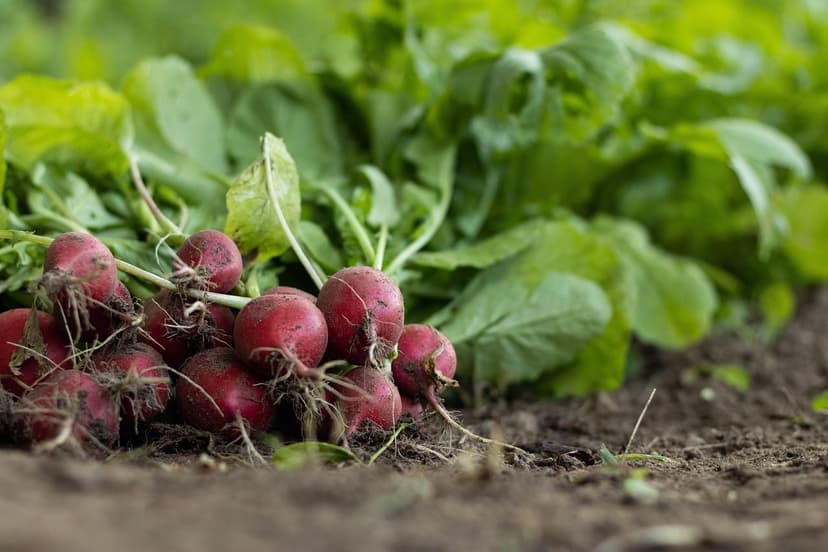
Abiotic stress, such as drought and excess water, can negatively affect soil health and agricultural productivity. To mitigate these effects, it is important to implement management techniques that improve the soil's ability to retain water, such as incorporating organic matter and using cover crops.
Furthermore, selecting stress-resistant crops and implementing agroecological systems can help create a more resilient environment. For example, in regions with high salinity, the use of cover crops and the incorporation of organic amendments have been observed to reduce the negative effects of salt on plant growth.
Strategies to Mitigate Drought
Droughts are one of the greatest challenges for farmers. Implementing techniques such as no-till farming and conserving soil moisture through organic matter cover can significantly increase water retention. A study on sunflower crops showed that no-till farming, combined with the incorporation of straw, can increase soil moisture by 30% compared to conventional tillage systems.
Managing Excess Water
Excess water can lead to soil compaction and reduced microbial activity. To manage this situation, it is crucial to implement adequate drainage systems and use crops that tolerate waterlogged conditions. Additionally, incorporating organic amendments can improve soil structure, facilitating drainage and preventing saturation. In a trial in rice fields, the application of organic amendments improved drainage and reduced the incidence of soil-borne diseases by 40%.
Related Articles
- Luxury Renovations: Acoustics and Insulation in Premium Homes
- Biostimulants vs Fertilizers: Differences and Advantages
- Biostimulant Regulation in Europe: Changes for Farmers
Need Professional Help?
At Ecoganic in Spain, Europe, we offer certified Biostimulants and Organic Fertilizers. Call us: +34 623 753 719.
How to Maintain Luxury Soils in Optimal Conditions
Luxury soils, characterized by their high quality and nutrient retention capacity, require special care to maintain their long-term productivity and health. According to recent studies, well-managed soils can increase agricultural production by 30% compared to soils that do not receive proper management. To achieve these levels of productivity, it is essential to implement sustainable management practices that promote soil health.
A crucial aspect of maintaining premium soils is the addition of organic matter. It is recommended to incorporate between 3% and 5% organic matter into the soil to improve its structure and fertility. This not only aids in water retention but also promotes microbial activity, which is vital for nutrient decomposition. Crop rotation and the use of cover crops are practices that contribute to the accumulation of organic matter and should be part of any soil management strategy.
Furthermore, regular monitoring of soil pH is essential. An adequate pH, generally between 6.0 and 7.0, ensures optimal nutrient availability. It is recommended to conduct soil tests at least once a year to adjust necessary amendments, such as lime or sulfur, and maintain the soil's chemical balance. It is also important to consider soil compaction, which can negatively affect water infiltration and root growth; the use of minimum tillage practices can be beneficial to mitigate this issue.
Frequently Asked Questions
What are biostimulants and how do they help the soil?
Biostimulants are products that improve plant growth and soil health. They increase microbial activity and enhance nutrient availability, resulting in healthier and more productive crops.
How can I improve the quality of my soil?
To improve soil quality, it is recommended to practice crop rotation, use cover crops, and enrich the soil with organic matter such as compost or worm castings.
What is the importance of conducting soil analysis?
Soil analysis allows you to know nutrient levels and overall soil health. This helps adjust fertilization and management practices to ensure optimal conditions for crops.
What techniques can I use to manage abiotic stress in my crops?
To manage abiotic stress, you can incorporate organic matter into the soil, use cover crops, and select crop varieties that are more resistant to adverse conditions.