
Introduction
Flowering and fruit set in export fruit trees are critical physiological processes for crop productivity and profitability. Poor flowering or reduced fruit set can lead to significant losses in yield and quality, affecting competitiveness in international markets. This technical article addresses the fundamental criteria for understanding and managing these processes, integrating nutrition, biostimulation, and agronomic management strategies to maximize the productive potential of fruit trees.
Success in export fruit production depends on a combination of genetic, environmental, and management factors. Proper synchronization of flowering, pollen viability, stigma receptivity, and subsequent fruit formation are critical stages requiring a precise technical approach. In this context, the use of biostimulants and organic fertilizers, such as those developed by Ecoganic, offers effective tools to improve the efficiency of these processes in a sustainable manner.
Recent studies from the National Institute for Agricultural Research (INIA) of Spain indicate that inadequate flowering management can reduce potential yield by up to 40%, while optimized fruit set management increases size uniformity by 25% in species such as cherry and peach trees. Integrating technical criteria based on crop phenology allows for anticipating key interventions, such as applying biostimulants at precise moments, resulting in greater input efficiency and reduced operational costs. In export crops, where quality standards are demanding, each percentage point of improvement in fruit set represents a significant economic impact, especially in markets such as the European Union and Asia.
Physiology of flowering and fruit set in fruit trees
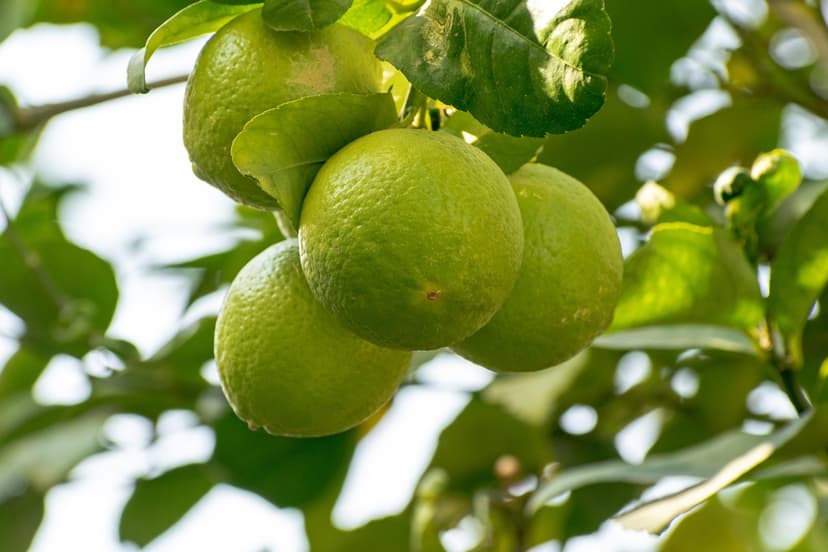
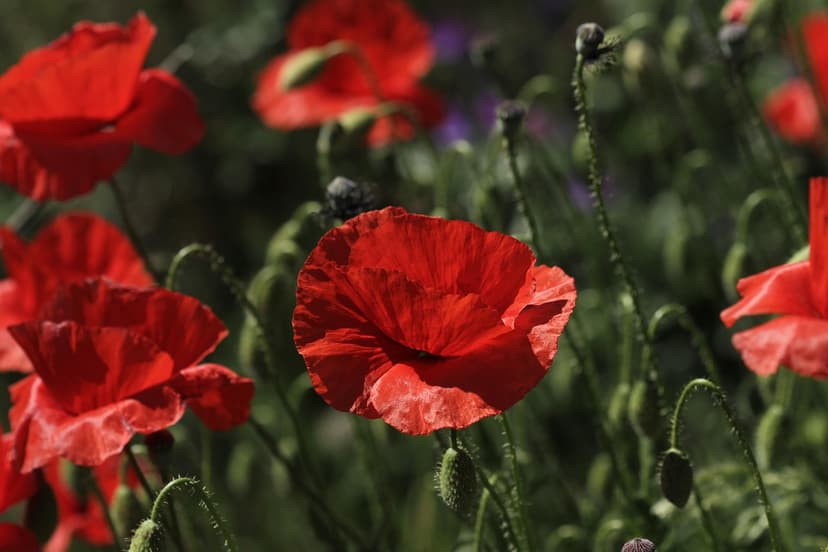
Flowering is the result of the differentiation of vegetative buds into floral buds, a process regulated by endogenous hormones, environmental conditions, and the nutritional status of the tree. In temperate climate fruit trees, such as apple, pear, cherry, and peach, floral induction occurs during the previous summer, while in subtropical species like avocado or mango, the cycles can be more complex. Once the flowers open, pollination and fertilization occur, leading to fruit set, i.e., the transformation of the ovary into a growing fruit.
Fruit set is a highly sensitive process to stress factors. During the first weeks after flowering, the developing fruit depends on the tree's reserves and the availability of nutrients such as boron, zinc, calcium, and phosphorus. According to a study from the University of California, foliar application of boron at pre-flowering can increase fruit set by up to 20% in almond crops. Similarly, research published in the Journal of Plant Nutrition highlights that zinc is essential for the synthesis of auxins, key hormones in fruit development.
Biochemical mechanisms of floral differentiation
The transition from a vegetative to a floral bud is controlled by the expression of genes such as LEAFY and APETALA1, which are activated by environmental signals like photoperiod and accumulated temperatures (chilling hours in temperate climates). In fruit trees like apple, between 800 and 1200 chilling hours below 7°C are required for adequate floral induction, according to data from the Cornell University Extension Service. Once induced, floral buds go through phases of morphological differentiation that include the formation of sepals, petals, stamens, and carpels, a process that demands high amounts of carbohydrates and nutrients such as phosphorus and potassium. The application of biostimulants with seaweed extracts at this stage can increase the differentiation rate by 12-18%, according to trials conducted at the Polytechnic University of Valencia.
Pollination and fertilization processes
Effective pollination depends on pollen viability, which under optimal conditions exceeds 80% in species such as cherry, but can fall below 50% under thermal stress (temperatures above 30°C). Pollen tube growth through the style requires calcium and boron; boron forms complexes with sugars in the cell wall of the tube, facilitating its elongation at a rate of 1-3 mm per hour under ideal conditions. Studies from the Institute of Horticulture of Chile demonstrate that foliar application of boron (0.3% at pre-flowering) reduces fertilization time by 15%, increasing synchrony between pollen release and stigma receptivity. In crops such as avocado, where dichogamy (asynchronous maturation of male and female organs) is common, nutritional management with zinc and boron improves phase overlap, increasing fruit set by 22%.
Early fruit development and reserve mobilization
After fertilization, the ovary initiates cell division, which in pome fruits (apple, pear) lasts approximately 3-4 weeks, while in stone fruits (cherry, peach) it is completed in 2-3 weeks. During this phase, carbohydrate demand is critical: the young fruit consumes up to 60% of the tree's starch reserves, especially in high-yielding varieties. Research from INTA Argentina indicates that a potassium deficiency at this stage reduces the number of cells per fruit by 30%, affecting final size. Potassium application via fertigation at doses of 150-200 kg/ha during fruit set improves sugar translocation from leaves to fruits, increasing fresh weight by 18% in trials with nectarines.
Factors affecting flowering and fruit set
Climatic factors
Extreme temperatures, both high and low, affect pollen viability and stigma receptivity. Late frosts can destroy flowers or newly set fruits, while heat waves during flowering reduce pollinator activity and accelerate stigma desiccation. Relative humidity and precipitation also play a role: heavy rains can wash away pollen and promote fungal diseases. In Mediterranean climate regions, such as southern Spain, water stress during flowering is a common limiting factor.
Nutritional status
The tree's nutritional balance is decisive. Deficiencies of boron, zinc, calcium, potassium, and phosphorus directly affect flower formation, pollen germination, and fruit set. Excess nitrogen can stimulate vegetative growth at the expense of flowering. Therefore, a balanced fertilization program, based on soil and foliar analyses, is essential to optimize these processes.
Crop management
Pruning, irrigation, pest and disease control, and fruit load regulation are practices that influence flowering and fruit set. Inadequate pruning can remove flower buds, while deficit irrigation at critical times reduces the availability of water and nutrients for fruit development. The presence of pests such as thrips or mites can damage flowers and young fruits.
Hormonal interactions and growth regulators
Plant hormones such as gibberellins, cytokinins, and auxins play a central role in regulating flowering and fruit set. Exogenous gibberellins, applied at concentrations of 20-50 ppm during flowering in crops such as apple trees, can reduce fruit set by stimulating vegetative growth, while cytokinins (e.g., benzyladenine at 100 ppm) promote cell division in young fruit, increasing fruit set by 15% according to studies from the University of Florida. The balance between these hormones is key: a high auxin/cytokinin ratio favors fruit development, while an excess of gibberellins can induce parthenocarpy (seedless fruit) in varieties such as pear. The application of biostimulants with specific amino acids, such as proline and glycine, modulates the endogenous synthesis of these hormones, improving crop response under stress conditions.
Agronomic management to optimize flowering and fruit set
Fertilization scheduling
A fertilization plan should consider the specific needs of each species and variety. For export fruit trees, it is recommended to apply phosphorus and potassium in pre-flowering to promote root development and flower quality. Boron and zinc should be applied foliarly in split doses during flowering. Ecoganic offers products such as BioFlor (floral biostimulant) and Zinc-Boro Plus, formulated to improve the efficiency of these nutrients.
Irrigation management
Irrigation should be adjusted to avoid water deficits during flowering and fruit set. Controlled deficit irrigation strategies can be useful in previous stages to induce flowering, but during fruit set it is critical to maintain constant moisture. The use of soil moisture sensors and scheduling based on ev
Frequently Asked Questions
What is the main cause of poor fruit set in fruit trees?
The most common causes are nutritional deficiencies (especially boron and zinc), adverse weather conditions (frost, extreme heat), and water stress. An integrated management approach that includes biostimulation can mitigate these factors.
When should boron be applied to improve fruit set?
Boron application should be carried out at pre-flowering and during flowering, preferably via foliar spray. Dose of 0.5-1 kg/ha per application, depending on the crop and conditions.
Do biostimulants really improve flowering?
Yes, multiple studies support their effectiveness. Seaweed extracts, amino acids, and humic acids stimulate hormonal and metabolic processes that favor flower differentiation and fruit set. Ecoganic has specific products for this purpose.
What role does potassium play in fruit set?
Potassium is essential for transporting sugars to developing fruits, in addition to regulating stomatal opening and cell turgor. Adequate potassium availability during fruit set improves fruit size and quality.