

Explore the effect of biostimulants on olive tree budding. Improve the production and quality of your crops. Contact us for more information!
Introduction
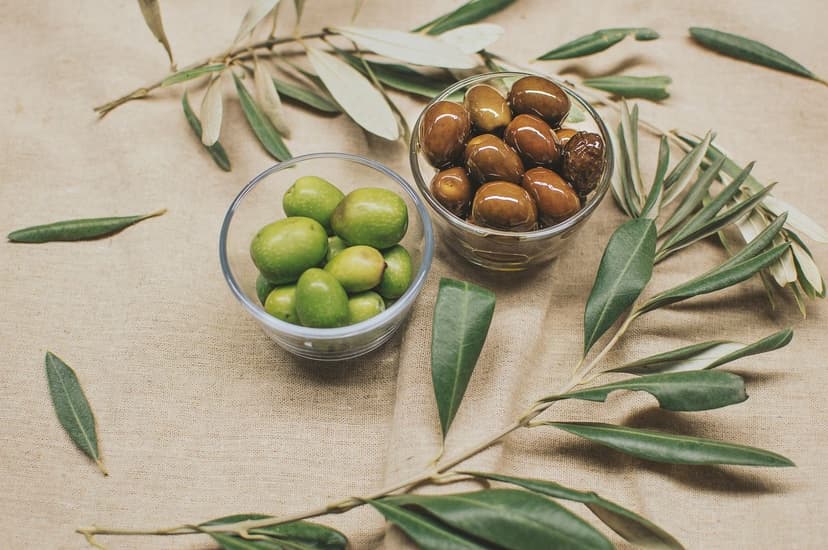
Olive tree budding is a crucial process that determines olive production and, consequently, crop profitability. In this context, biostimulants have emerged as effective tools to optimize this process. This article explores the impact of biostimulants on olive tree budding, providing valuable information for producers and agricultural professionals.
What are biostimulants?
Biostimulants are substances or microorganisms that, when applied to plants, promote natural processes that enhance growth and productivity. These products can be based on natural extracts, beneficial microorganisms, or bioactive compounds. Their use in sustainable agriculture has increased due to their ability to improve nutrient efficiency and stress tolerance. For more information on these products, consult the article on agricultural biostimulants what they are.
Classification of biostimulants
- Plant extracts: Derived from algae, fungi, or plants, providing hormones and nutrients.
- Microorganisms: Bacteria and fungi that promote soil and plant health.
- Bioactive compounds: Substances that stimulate the metabolic activity of plants.
Importance of biostimulants in modern agriculture
Currently, the use of biostimulants has become essential in modern agriculture, especially in high-value crops such as olive trees. According to a study conducted by the FAO, it is estimated that the use of biostimulants can increase agricultural production by 20-30% under environmental stress conditions. This is crucial in a context where food demand is constantly rising and natural resources are limited.
Furthermore, biostimulants can reduce the need for chemical fertilizers, which not only lowers production costs but also minimizes the environmental impact associated with their use. In a case study in Italy, it was observed that the application of biostimulants allowed for a 40% reduction in nitrogen fertilizer application without compromising crop yield.
Effects of biostimulants on olive tree budding
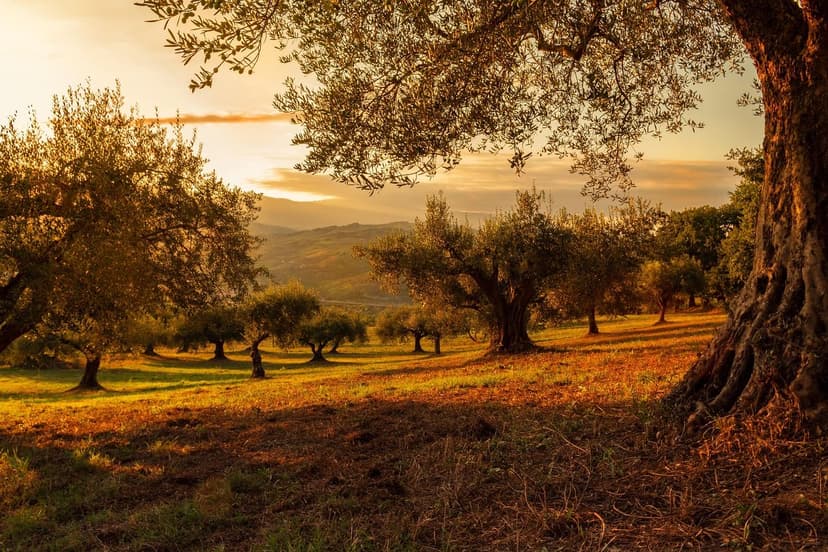
The application of biostimulants in olive tree crops has shown positive effects on budding. These effects include:
Increased budding rate
Biostimulants promote bud germination and the formation of new shoots, resulting in a significant increase in the number of productive branches. Studies have shown that the use of biostimulants can increase the budding rate by 15-25%. For example, in trials conducted in the Jaén region, a 22% increase in budding was observed in varieties such as ‘Picual’ after the application of seaweed extracts.
Likewise, the combination of different types of biostimulants, such as seaweed extracts and amino acids, has shown synergies that can further enhance this effect. In a trial in Córdoba, the joint application of both types of biostimulants resulted in a 30% increase in budding compared to untreated controls.
Improved shoot quality
Shoot quality is fundamental for olive production. Biostimulants contribute to the formation of more robust shoots, with greater photosynthetic capacity and better resistance to pests and diseases. In a field study in Córdoba, it was evidenced that shoots treated with biostimulants had 30% more chlorophyll, which translates into greater photosynthetic efficiency.
Furthermore, the quality of the shoots is not only measured in terms of chlorophyll, but also in their resistance to diseases. Recent research has shown that shoots treated with biostimulants exhibited 25% less incidence of fungal diseases, which is a key factor in ensuring a healthy harvest, including aspects of microbiology disease resistance.
Stimulation of root growth
A strong root system is essential for the healthy development of the olive tree. Biostimulants stimulate root growth, improving water and nutrient absorption. A study in Granada showed that the application of biostimulants increased root length by 40%, allowing for better uptake of essential nutrients such as nitrogen and phosphorus.
Additionally, the improvement in the root network also contributes to greater resistance to adverse conditions, such as droughts or compacted soils. In trials conducted in arid climates, it was observed that olive trees treated with biostimulants were able to maintain normal growth compared to untreated ones, which showed signs of water stress.
Mechanisms of action of biostimulants
The mechanisms through which biostimulants exert their effect on olive tree sprouting are diverse and complex:
Hormonal stimulation
Biostimulants can increase the production of plant hormones such as auxins and gibberellins, which are crucial for shoot development. These hormones play a vital role in cell division and cell elongation, promoting sprouting. A recent study indicated that the application of a biostimulant based on seaweed extracts increased gibberellin levels by 45% in young olive trees.
Furthermore, hormonal regulation also extends to other compounds, such as cytokinins, which are responsible for cell growth and the formation of new buds. The combination of biostimulants that biostimulants in grapevines…
Ecoganic products for this topic
K-FLOW 20
Potassium oxide (K₂O)
23,21 % p/p (measured)
Chloride: 3,23 % (measured)
View technical sheet →NITROTECH 2.5
Total nitrogen (N)
≥ 2,5 %
CALCIUM 40
Calcium oxide (CaO)
34,0 % p/p (measured)
Chloride: < 0,05 % (measured)
View technical sheet →Each datasheet publishes its guaranteed composition and, where available, the value measured at an accredited laboratory.
Related resources