

Why has berry size become the new agronomic conversation?
In modern berry production — blueberries, raspberries, strawberries, and blackberries — berry size has become a critical indicator of quality and profitability. International markets demand fruit of uniform and superior size, which translates into better prices and higher demand. However, achieving optimal berry size is not trivial: it depends on a complex interaction between genetics, agronomic management, nutrition, and environmental conditions. In recent years, the agronomic conversation has shifted toward more precise and sustainable strategies to influence fruit development, and biostimulation has emerged as a key tool. This article explores the physiological foundations of berry size in berries and how Ecoganic solutions can help growers achieve their size and quality goals.
Economic impact of berry size on profitability
Berry size not only affects consumer perception but directly determines the selling price. In the fresh blueberry market, a 2 mm increase in diameter can translate into a 15-20% increase in price per kilogram. For example, in the 2023 season, blueberries of size 14+ (diameter greater than 14 mm) reached prices of up to €8.50/kg in European markets, while those of size 10-12 mm were quoted below €5.00/kg. In raspberries, size uniformity is equally critical: fruits of homogeneous size reduce grading losses and improve packing efficiency. Studies from the Chilean Agricultural Research Institute indicate that a 10% improvement in average berry size can increase net income per hectare by 25-30%, considering lower cull costs and greater acceptance in premium supermarket chains.
Global market trends toward larger berry sizes
In the last five years, berry size specifications have tightened significantly. In blueberries, the minimum standard for export to Asia and Europe has increased from 12 mm to 14 mm in varieties such as 'Duke' and 'Bluecrop', while for strawberries, an equatorial diameter greater than 25 mm is required in most contracts. This trend responds to consumer demand, as larger fruits are associated with greater sweetness and juiciness. Data from the Spanish Berry Producers Association shows that in 2024, 60% of exported fruit met premium size standards, compared to 45% in 2020. For growers, this means adopting agronomic practices that maximize the genetic potential of each variety, especially under conditions of heat or water stress, which are becoming more frequent due to climate change.
Physiological factors determining berry size
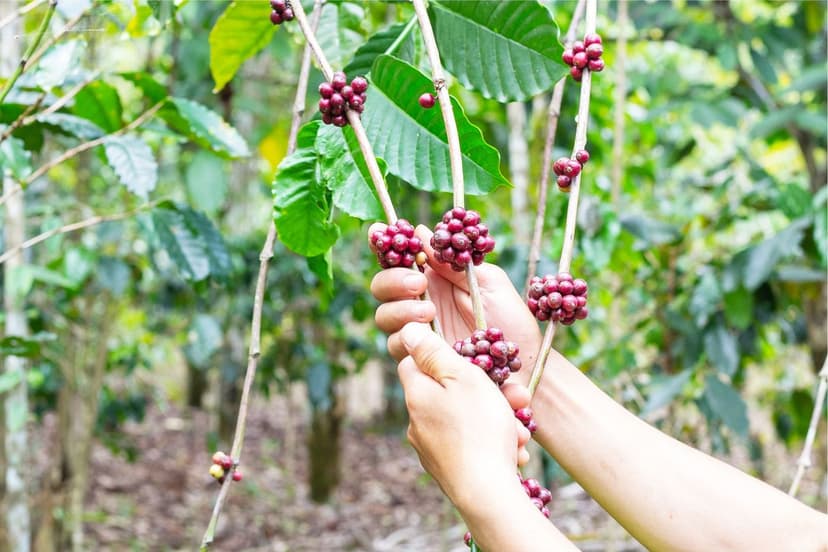
The final size of a berry is determined by two main processes: cell division and cell expansion. Cell division occurs in the early stages of fruit development, right after fertilization. A higher number of cells in the young fruit sets the maximum potential size. Cell expansion, which occurs later, depends on the accumulation of water, sugars, and other solutes, as well as the elasticity of the cell wall. Factors such as water stress, nutritional deficiencies (especially boron, calcium, and potassium), extreme temperatures, and hormonal imbalances can limit both processes. Therefore, agronomic management should focus on maximizing early cell division and sustaining cell expansion during fruit filling.
Cell division stage
During the first 10-15 days after flowering, the fruit undergoes intense cell division. In this phase, the availability of carbohydrates from photosynthesis and the presence of phytohormones such as cytokinins and auxins are crucial. Stress during this window irreversibly reduces the number of cells, limiting the potential size. Practices such as fruit thinning and proper load management can help direct resources to the remaining fruits.
Biochemical mechanisms of cell division
Cell division in berries is regulated by the expression of cell cycle genes, such as cyclins and cyclin-dependent kinases (CDKs). Cytokinins, produced in roots and young shoots, activate these CDKs by binding to receptors like AHK2 and AHK3, promoting the transition from G1 to S phase. Auxins, on the other hand, stimulate the synthesis of cell wall proteins and initial expansion. In studies with blueberries, exogenous application of cytokinins (such as zeatin) during the first 7 days post-flowering increased cell number by 18-22%, which correlated with a 10% increase in final diameter. Additionally, boron availability is critical for pectin synthesis in the middle lamella, which maintains the integrity of daughter cells. Boron deficiencies at this stage can reduce the cell division rate by up to 30%, according to research from the University of California.
Cell expansion stage
Once the cell number is established, the fruit grows primarily through expansion. Here, potassium plays a fundamental role as an osmoregulator, while calcium contributes to cell wall stability. Boron is essential for sugar transport and wall synthesis. Water stress, even mild, can halt expansion. Therefore, precise irrigation and balanced nutrition are indispensable.
Dynamics of cell expansion and solute accumulation
Cell expansion depends on turgor pressure generated by the accumulation of solutes such as sugars (glucose, fructose, and sucrose), organic acids (citric and malic), and ions (potassium and chloride). In strawberries, potassium constitutes up to 60% of the osmotic solutes in receptacle cells, and its concentration increases linearly during the filling phase. The enzyme acid invertase, which hydrolyzes sucrose into glucose and fructose, is particularly active at this stage, and its expression is regulated by nitrogen and phosphorus availability. A study on raspberries showed that potassium application at doses of 200 kg/ha increased soluble solids concentration by 8% and fruit size by 12%, due to higher osmotic pressure that stretches cell walls. Calcium, on the other hand, forms ionic bridges with pectins in the wall, increasing its rigidity and preventing cell collapse. However, excess calcium can limit expansion by hardening the wall, so the Ca/K ratio should be maintained between 0.5 and 0.8 for optimal growth.
Management strategies to optimize fruit size
To improve fruit size in berries, growers must integrate several practices:
- Crop load management: Adjust the number of fruits per plant to balance assimilate demand.
- Irrigation and drainage: Maintain constant moisture without waterlogging, especially during cell expansion.
- Balanced nutrition: Provide adequate doses of nitrogen, phosphorus, potassium, calcium, boron, and magnesium, with emphasis on critical stages.
- Biostimulation: Apply products that promote cell division and expansion, such as seaweed extracts, amino acids, and beneficial microorganisms.
- Abiotic stress control: Mitigate the effects of high temperatures or water deficit using covers or shade nets.
Precise management of fruit load: techniques and data
Adjusting fruit load is one of the most effective strategies for improving size. In blueberries, it is recommended to maintain between 6 and 8 fruits per cluster in vigorous varieties, and between 4 and 6 in lower-growth varieties. Manual or mechanical thinning should be carried out when fruits have a diameter of 3-5 mm, as competition for assimilates is highest at this stage. Trials in fields in Huelva, Spain, showed that reducing the load by 20% through early thinning increased average size by 14% (from 12.5 mm to 14.3 mm) and increased fresh weight per fruit by 18%. In strawberries, removing stolons and deformed fruits during flowering allows up to 30% more carbohydrates to be redirected to the main fruits, improving both size and firmness. It is crucial that this practice is combined with fertilization rich in potassium and boron to sustain the demand of the remaining fruits.
Irrigation and water management for cell expansion
Drip irrigation with moisture sensors is the most efficient technique for maintaining constant soil water potential. During the cell expansion phase, leaf water potential should be kept above -0.6 MPa to avoid stomatal closure
Frequently Asked Questions
What is berry size and why is it important?
Size refers to the fruit's dimensions, typically measured by its diameter or weight. It is a key quality factor that influences sale price and market acceptance.
What are the main factors affecting berry size?
Factors include genetics, fruit load, nutrition (especially potassium, calcium, and boron), irrigation, environmental stress, and plant hormones.
How can Ecoganic biostimulants help improve berry size?
Ecoganic biostimulants provide natural phytohormones, amino acids, and microorganisms that promote cell division and expansion, improving stress tolerance and nutrient use efficiency.
At what stage of the cycle should biostimulation for size be applied?
Key applications are during flowering (for cell division) and during fruit filling (for cell expansion). An integrated program may include several applications.