

Introduction
The application of microorganism-based biostimulants in soybean cultivation is a promising technique to improve soil health and yield under drought stress conditions, common in South America. These biostimulants help optimize water resource use and enhance soil structure, promoting more robust crop growth.
Impact of Drought on Soybean Cultivation
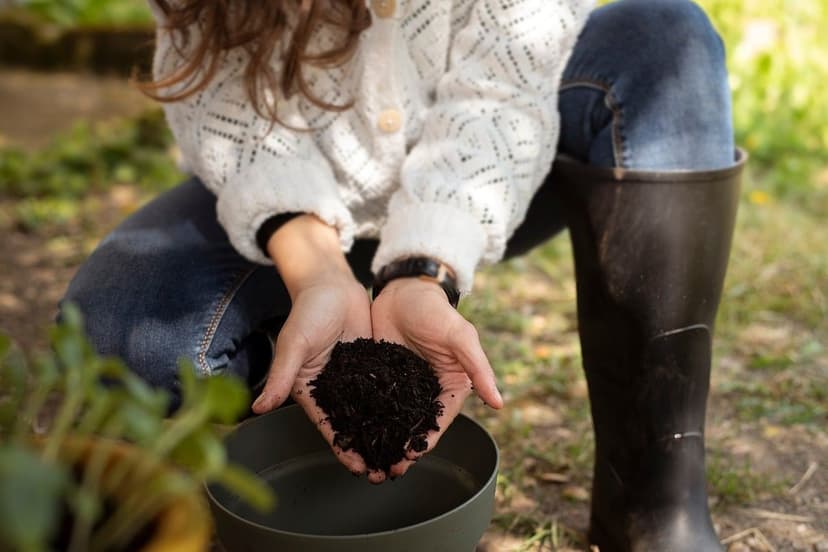
Soybean is one of the most important crops in South America, but its yield is severely affected by drought. Water stress limits the availability of water needed for critical processes such as photosynthesis and nutrient uptake, which can significantly reduce production.
Microorganism-Based Biostimulants
Microorganism-based biostimulants include beneficial bacteria and fungi that interact with plant roots, improving nutrient uptake and stress tolerance. These microorganisms promote mycorrhizal development, thereby enhancing soil structure and water retention.
Mechanisms of Action
Microorganisms act through phosphate solubilization, biological nitrogen fixation, and phytohormone production, promoting balanced and vigorous growth.
Practical Application in South America
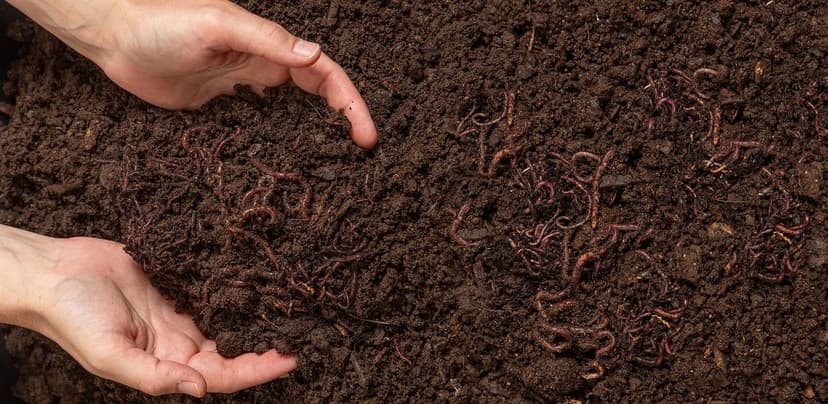
In the tropical and subtropical conditions of South America, the application of biostimulants must be adapted to climatic and soil variations. Their use is recommended during critical stages of soybean development, such as germination and flowering, to maximize effectiveness.
Dosage and Application Methods
The dosage and application method vary depending on the type of biostimulant and crop conditions. They are generally applied via drip irrigation or foliar spraying, ensuring uniform coverage.
Additional Benefits
In addition to improving yield and soil health, biostimulants contribute to agricultural sustainability by reducing dependence on chemical fertilizers and enhancing soil biodiversity.
Environmental Impact
The use of biostimulants is an ecological strategy that helps mitigate the effects of climate change, promoting more resilient and sustainable agriculture.
Frequently Asked Questions
What are microorganism-based biostimulants?
They are products containing beneficial microorganisms that improve soil health and plant nutrient uptake.
How do biostimulants improve soybean yield under drought conditions?
They enhance water retention and nutrient uptake, increasing the plant's tolerance to water stress.
What are the most common application methods?
They are generally applied via drip irrigation or foliar spraying, adjusting the dosage to the specific crop conditions.
What additional benefits do biostimulants offer?
They promote agricultural sustainability, improve soil biodiversity, and reduce the need for chemical fertilizers.