

Discover how biostimulants for corn can improve your crop yields. Optimize your harvests with Ecoganic. Contact us for more information!
Introduction
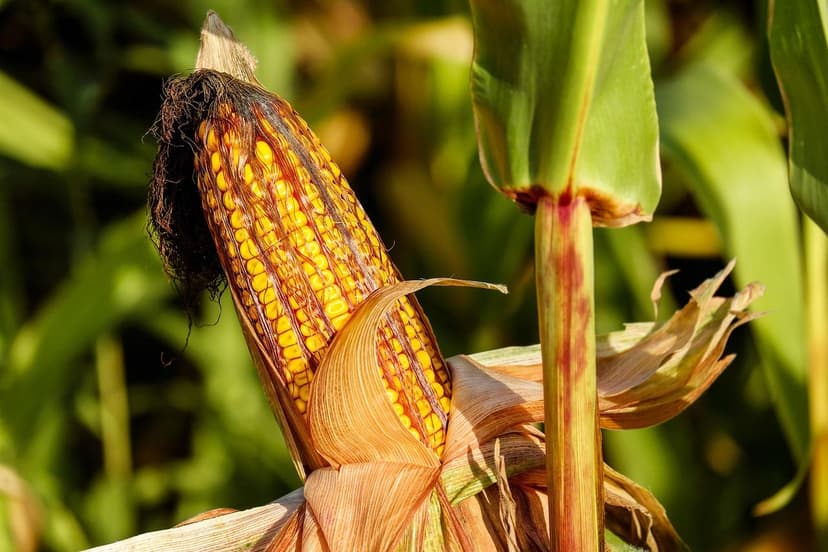
Corn cultivation is one of the pillars of agriculture in many countries, especially in Latin America. However, farmers face constant challenges related to yield and sustainability. In this context, biostimulants emerge as a promising solution to improve crop productivity. In this article, we will explore how biostimulants for corn can boost the yield of your harvests, optimizing resources and promoting sustainable agricultural practices.
What are biostimulants?
Biostimulants are natural substances that, when applied to plants or soil, promote biological processes that improve nutrient uptake, stress tolerance, and crop quality. These solutions are based on natural extracts, beneficial microorganisms, and bioactive compounds that act at the physiological and biochemical level in plants.
Types of biostimulants
- Seaweed extracts: Improve soil health and stimulate root growth.
- Microorganisms: Increase nutrient availability and promote soil biological activity.
- Bioactive compounds: Accelerate physiological processes resulting in more vigorous growth.
Seaweed extracts
Seaweed extracts, such as those derived from Ascophyllum nodosum, are particularly valued for their content of phytohormones, amino acids, and trace elements. These extracts not only stimulate root growth but also improve nutrient assimilation, increasing the efficiency of the applied fertilizer by 20-30%. A study conducted in 2021 showed that the application of seaweed extracts to corn increased biomass by 25% compared to untreated controls. Furthermore, these substances have been shown to boost the production of phytohormones such as auxins and gibberellins, which are essential for the plant's vegetative growth and development.
Microorganisms
Biostimulants based on microorganisms, such as mycorrhizal fungi and growth-promoting bacteria, are essential for improving soil structure and increasing nutrient availability. For example, the application of Rhizobium in corn crops can enhance nitrogen fixation and improve growth under low soil fertility conditions. Studies have shown that inoculation with Azospirillum brasilense can increase corn yield by 15-25% by improving nitrogen and phosphorus uptake. It has been evidenced that these microorganisms also promote the production of phytohormones, contributing to more robust growth and greater disease resistance.
Bioactive compounds
Bioactive compounds, such as humic and fulvic acids, are known for their ability to stimulate physiological processes in plants, including photosynthesis and protein synthesis. The application of these compounds can result in a corn yield increase of up to 30% compared to untreated crops. Additionally, these compounds improve soil moisture retention, which is crucial during drought periods. A 2022 study demonstrated that the application of humic acids not only increased yield but also improved grain quality, increasing the content of essential nutrients such as zinc and iron.
Benefits of biostimulants in corn

The use of biostimulants in corn crops has demonstrated multiple benefits that can be key for farmers. Below are some of the most notable ones:
Increased nutritional efficiency
Biostimulants help plants absorb soil nutrients more efficiently, resulting in more effective use of applied fertilizers. This not only optimizes production costs but also reduces the environmental impact associated with excessive chemical use. Research indicates that the use of biostimulants can reduce the amount of chemical fertilizers needed by 15-20%, representing significant savings in input costs for farmers. For example, in a trial in Colombia, the use of a microorganism-based biostimulant allowed farmers to reduce nitrogen application by 20% without affecting crop yield. Additionally, nitrogen fertilization in corn is a key aspect of this process.
Improved stress tolerance
Adverse weather conditions, such as droughts or extreme temperatures, can significantly impact corn yield. Biostimulants strengthen plant resistance to these factors, enabling them to maintain growth and production even under unfavorable conditions. For instance, a study showed that applying a microorganism-based biostimulant reduced yield loss under drought conditions by 40%, by improving the soil's water retention capacity and the plants' water use efficiency. In another case, inoculation with Mycorrhizae increased cold tolerance in corn, resulting in more vigorous growth during early frosts.
Increased harvest quality
In addition to boosting yield, biostimulants can also improve corn grain quality, which is essential for meeting market standards and satisfying consumer demands. A field trial showed that using seaweed extract-based biostimulants resulted in a 5-10% increase in protein content in corn grain, enhancing its nutritional and commercial value. Furthermore, the use of bioactive compounds has also been shown to increase antioxidant content in the grain, which may contribute to greater resistance to pests and diseases.
Application of biostimulants in corn cultivation
To maximize the benefits of biostimulants and improve your crop yield, it is essential to consider the use of biostimulants in agricultural practices.
Ecoganic products for this topic
BOOST UNIVERSAL SALINITY
Total calcium (CaO)
0,150 % (p/p) / 0,151 % (p/v)
Chloride: < 0,05 % (measured)
View technical sheet →TERRA HUMID LIQUID
Humic and fulvic acids
incluido
MICRO PLUS 1-0-0
Total nitrogen (N)
1,013 % (measured)
Chloride: 0,183 % (measured)
View technical sheet →Each datasheet publishes its guaranteed composition and, where available, the value measured at an accredited laboratory.
Related resources