

Discover how climate biostimulation is becoming the LATAM 2026 standard for tackling abiotic stress. Improve the resilience of your crops with.
What is climate biostimulation?
Climate biostimulation is an agronomic strategy that uses biostimulant products to prepare crops for adverse environmental conditions, such as high temperatures, drought, salinity or water stress. In 2026, it has become established as a standard in Latin American agriculture, where extreme weather events are increasingly frequent. Unlike conventional fertilizers, biostimulants act on the plant's physiological processes, improving its capacity for adaptation and resilience.
Climate biostimulation is not a new concept, but its systematic application in integrated crop management programmes is gaining ground. Climate change alters growing conditions and can compromise agricultural yields in tropical regions. Against this backdrop, biostimulants present themselves as a key tool for mitigating losses and securing food production.
The impact of climate change on LATAM crops
Latin America is one of the regions most vulnerable to climate change. Events such as El Niño and La Niña cause droughts and floods that directly affect agricultural productivity. Crops such as coffee, cocoa, avocado, maize and soya are especially sensitive to variations in temperature and rainfall.
Heat stress, for example, reduces photosynthesis and accelerates respiration, which decreases biomass accumulation. Drought, for its part, limits nutrient and water uptake, affecting root growth and flowering. Salinity, common in coastal areas and under intensive irrigation, disrupts the osmotic balance and causes ion toxicity.
In this context, climate biostimulation becomes a preventive and corrective tool. By applying biostimulants at critical moments in the phenological cycle, it is possible to induce defence mechanisms that help the plant to cope with stress without compromising yield.
Mechanisms of action of biostimulants against stress
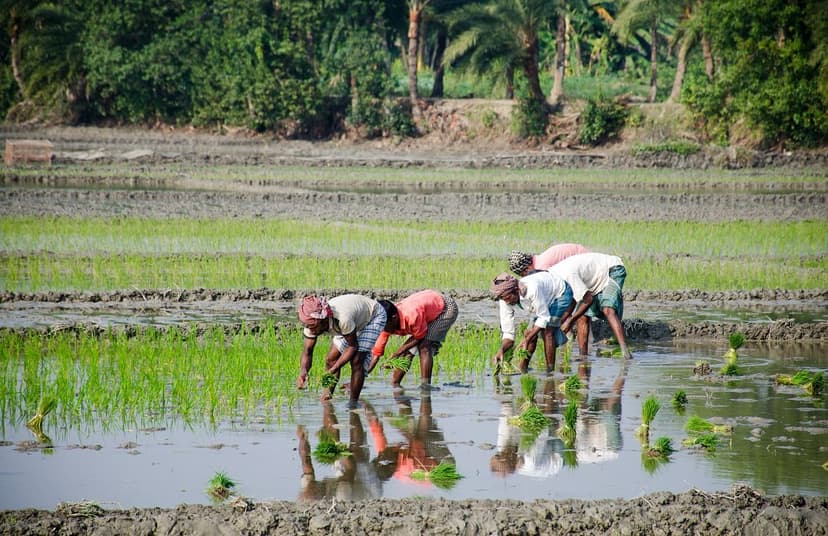
Osmotic regulation and accumulation of osmolytes
One of the most studied mechanisms is the accumulation of osmolytes such as proline, glycine betaine and soluble sugars. These compounds act as osmotic regulators, maintaining cellular water balance during episodes of drought or salinity.
Activation of antioxidant systems
Abiotic stress generates reactive oxygen species (ROS) that damage cell membranes and DNA. Biostimulants can stimulate the activity of antioxidant enzymes such as superoxide dismutase (SOD), catalase (CAT) and peroxidase (POD). This reduces oxidative damage and improves plant recovery after stress.
Production of phytohormones
Some biostimulants contain natural phytohormones or compounds that stimulate their synthesis, such as auxins, cytokinins and abscisic acid (ABA). ABA is key in the response to water stress, as it regulates stomatal closure and reduces water loss through transpiration.
Improved nutrient uptake
Biostimulants can also improve nutrient uptake efficiency, especially of micronutrients such as iron, zinc and manganese. This is crucial in degraded soils or soils with low nutrient availability, common in some regions of LATAM.
Coffee
Coffee is one of the crops most affected by climate change. High temperatures accelerate the ripening of the beans, reducing cup quality. Biostimulation with amino acids and seaweed extracts can improve heat tolerance and maintain organoleptic quality.
Avocado
Avocado is sensitive to drought and high temperatures, especially during flowering and fruit set. Biostimulation with fulvic acids and microalgae can improve fruit retention and final calibre. In Mexico, avocado growers have reported greater uniformity in fruit size when integrating biostimulants into their management programme.
Maize
Maize is a strategic crop in the region, and its yield is severely affected by water stress. The application of biostimulants at early stages of development can stimulate root growth, allowing greater soil exploration and better uptake of water and nutrients.
Citrus
In citrus, climate biostimulation helps mitigate heat stress and premature fruit drop. The application of biostimulants at critical moments, such as flowering and fruit set, improves fruit set and final quality. In Argentina, an improvement in the soluble solids content of oranges treated with biostimulants has been observed.
Soybean
Soybean is another key crop, and its production is threatened by heat waves and water deficit. Biostimulation with compounds that promote nodulation and nitrogen fixation can be especially beneficial. In Uruguay, the application of biostimulants to soybean under heat stress has shown an increase in the number of pods per plant.
Key phenological stages
The effectiveness of biostimulants depends on the timing of application. Generally, it is recommended to apply them at stages of high physiological demand, such as emergence, vegetative growth, flowering and fruit filling. It is also crucial to apply them before a forecast stress event, such as a heat wave or a water deficit.
Application routes and doses
Biostimulants can be applied by foliar application or to the roots, depending on the product and the objective. Doses vary according to the crop and the concentration of the product. It is essential to follow the manufacturer's recommendations and adjust doses according to the specific conditions of each farm.
Integration with other practices
Climate biostimulation is not a replacement for good agricultural practices, but a complement. It must be integrated with soil management, balanced fertilization, efficient irrigation and pest and disease control. The combination of biostimulants with organic matter and beneficial microorganisms can enhance the effects.
Example of a programme in tomato
In tomato, a climate biostimulation programme could include the application of a seaweed-based biostimulant during transplanting to stimulate rooting, followed by foliar applications of amino acids at flowering and fruit set to improve heat tolerance. Finally, an application of fulvic acids during fruit filling to improve quality.
Scientific evidence and field trials
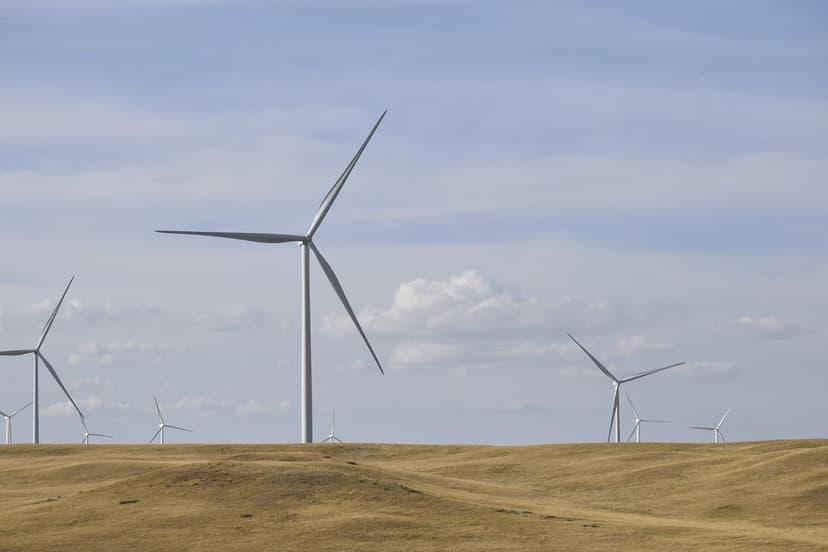
The efficacy of biostimulants is supported by numerous scientific studies. Another study, published in the Journal of Plant Nutrition, found that fulvic acids improved iron and zinc uptake in maize in calcareous soils.
Related articles
Do you need professional help?
At Ecoganic in Spain, Europe, we offer certified biostimulants and organic fertilizers. Call us: +34 623 753 719.
What is climate biostimulation?
Climate biostimulation is a strategy that uses biostimulants to prepare crops for adverse environmental conditions such as heat, drought, salinity or water stress. Its aim is to improve plant resilience and maintain crop yield and quality under climate change scenarios.
What are the benefits of biostimulants under stress conditions?
Biostimulants activate physiological mechanisms that help plants tolerate stress, such as the accumulation of osmolytes, the activation of antioxidant systems and the production of phytohormones. This translates into better water and nutrient uptake, greater root growth, less flower and fruit drop, and faster recovery after stress.
On which crops can climate biostimulation be applied?
Climate biostimulation can be applied to a wide variety of crops, including coffee, cocoa, avocado, maize, soya, citrus, tomato, grapevine and berries. It is especially useful in crops sensitive to abiotic stress, where it can make the difference in final yield.
When should biostimulants be applied?
The timing of application depends on the crop and the type of stress. In general, it is recommended to apply before a forecast stress event, at critical phenological stages such as flowering and fruit set, and during active plant growth. It is important to follow the manufacturer's recommendations and adjust the schedule to local conditions.
Are biostimulants compatible with organic farming?
Yes, many biostimulants are certified for use in organic farming, complying with regulations such as Regulation (EC) 2018/848. Ecoganic offers a range of certified organic fertilizers that can be integrated into organic management programmes.
Where can I get biostimulants for my crop?
You can contact Ecoganic to receive technical advice and request a free quote. You can also consult our distributor network in your region to purchase our products.
Climate biostimulation in Latin American crops: a management approach
The Latin American agricultural scenario faces a demanding dilemma: productivity must be sustained and ideally improved to meet food demand, while extreme climate variability (prolonged droughts, heatwaves and torrential rains) makes it difficult to predict the yields of strategic crops. Faced with this reality, climate biostimulation is proposed as a complement to agronomic management that links plant physiology with environmental resilience. The central idea is that the strategic application of biostimulants based on amino acids, seaweed extracts and phenolic compounds can help the crop better tolerate episodes of heat stress or moderate water deficit, provided it is integrated into an agronomic programme with precise application windows. It is a management approach and not an official standard: it is not a yield guarantee, nor does it replace irrigation, balanced fertilization or the choice of varieties adapted to each area.
This approach rests on three technical pillars. First, the measurement of early stress indicators, such as stomatal conductance and canopy temperature, which makes it possible to decide on a preventive application a few days ahead of an adverse weather event, and not when the damage is already visible. That anticipation could also be a way of making better use of the available water, although the specific improvement depends on each plot. Second, the formulation of mixtures that combine betaines, brown seaweed polysaccharides (Ascophyllum nodosum) and other compounds, such as salicylic acid; they are attributed a role in plant stress signalling pathways and in the accumulation of cell-protective proteins, but these are hypotheses about the mode of action, not a promise of results. Third, split application, which distributes the total volume across several phenological stages (for example, vegetative development, the start of flowering and early grain filling in crops such as soya or maize) to accompany the periods of greatest demand. This distribution aims to sustain root development and photosynthetic activity under conditions of intense radiation, and must be validated in each area and in each season.
The profitability of this type of programme cannot be taken for granted: it depends on the cost of the input and of the applications, on the crop, on the selling price and, above all, on the real response of the crop in each season. It is therefore advisable to calculate the balance with your own data (cost of the product, labour and machinery versus the difference in yield and quality compared with an untreated control) and not to rely on other people's averages. Beyond the dose, an important factor is synchronisation with high-resolution weather forecasts. Automated weather stations and stress prediction models, such as those based on the crop water stress index (CWSI), make it possible to schedule the biostimulant application a few days before the temperature peak or the vapour pressure deficit. The logic of this "optimal climatic window" is simple: an application made before the stress episode usually has more physiological sense than one carried out according to a fixed calendar, so that climate biostimulation is as much a matter of formulation as of agrometeorological synchronisation.
To incorporate this approach effectively, technicians and growers are advised to follow a four-phase management protocol. Phase 1 (diagnosis): carry out a soil and plant tissue analysis and, if a laboratory is available, assess indicators of the physiological status of the crop, such as the basal proline content or the activity of the enzyme superoxide dismutase (SOD), to establish the starting point of the genotype being grown. Phase 2 (planning): select biostimulant formulations with the registration or authorisation currently in force with the competent authority of each country, and ask the supplier about their composition, origin and stability in the tank mix with other foliar fertilizers, because not all formulations are compatible with one another. Phase 3 (execution): calibrate the sprayer to achieve uniform coverage, apply during the hours of lowest temperature and highest relative humidity, test the compatibility of the mixture on a small scale and always respect the dose and interval on the label. Phase 4 (monitoring and adjustment): leave untreated control strips, record dates, products and weather conditions, and compare the crop response to decide, with your own data, what to adjust in the following season.


