
Discover how conventional agriculture threatens biodiversity and how organic agriculture, with biostimulants and organic fertilizers, emerges as a vital solution. Learn how consumer choices and products like Ecoganic help protect life in the fields.
1. Introduction: Biodiversity in the Silent Danger of Our Fields
Biodiversity in agriculture, that intricate tapestry of life that sustains the fields, is in silent danger globally. We are witnessing an unprecedented loss of biodiversity in agroecosystems, where the richness of plant, insect, bird, microorganism, and other living species that once thrived is declining at an alarming rate. In Europe, for example, populations of farmland birds and grassland butterflies have decreased by more than 30% since 1990. This crisis of biodiversity in agriculture is not just an environmental issue but a direct threat to food security and planetary health. Can agriculture, historically seen as a transformative force on the landscape, become part of the solution for biodiversity instead of remaining part of the problem? The answer, increasingly clear, lies in organic agriculture and practices that foster life in the fields. [Add image of organic fields with alt text: organic agriculture fields]
2. Intensive Conventional Agriculture: The Main Culprit in Biodiversity Loss
Intensive conventional agriculture has emerged as one of the main drivers of biodiversity in agriculture loss. Its practices, designed to maximize short-term production, often ignore or even deeply harm agricultural biodiversity:
Monocultures
The imposition of monocultures drastically reduces the variety of cultivated plants on a large scale. Extensive areas dedicated to a single crop eliminate the diversity of habitats and food sources needed for a wide range of insects, birds, and other animals that depend on crop diversification.
Excessive Use of Chemical Pesticides and Herbicides
The impact of pesticides on biodiversity is devastating. These products, designed to eliminate pests and "weeds," do not discriminate and negatively affect beneficial insects, essential pollinators such as bees, natural pest predators, insect-eating birds, and the rich soil fauna. Furthermore, pesticide contamination spreads to soil and water, altering entire ecosystems. A recent study suggests that pesticides could affect over 800 non-target species, altering their growth and behavior.
Synthetic Chemical Fertilizers
While they provide nutrients in the short term, chemical fertilizers unbalance soil nutrition in the long term and damage soil microbiology. A living, diverse soil is fundamental for biodiversity, and the excessive use of these products reduces the diversity of beneficial soil microorganisms.
Destruction of Natural Habitats
The loss of habitats is a direct consequence of the expansion of intensive agriculture. Hedgerows, field margins, wetlands, isolated trees, and other landscape elements that traditionally served as shelter, food, and ecological corridors for wildlife are eliminated. Habitat fragmentation isolates animal and plant populations, hindering their survival. [Suggestion: Add a graph comparing biodiversity in conventional vs. organic agriculture]
3. Organic Agriculture: A Refuge for Biodiversity and a Sustainable Solution
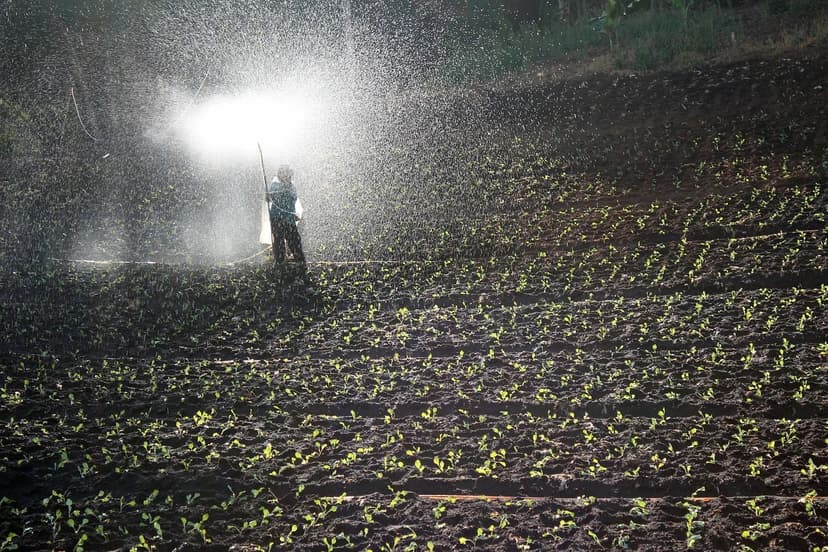
Faced with this bleak outlook, organic agriculture emerges as a beacon of hope and an alternative that actively fosters biodiversity. Organic farming practices are based on principles that benefit life in all its forms:
Crop Diversification and Rotations
Crop diversification is a fundamental pillar of organic agriculture. Crop rotation and the planting of different species in the same plot are promoted, creating more diverse habitats and offering a variety of food sources for insects, birds, and other animals.
Limited or No Use of Chemical Pesticides and Herbicides
Pesticide-free organic farming is a core commitment. Preventive methods and biological pest control are prioritized, avoiding the use of synthetic chemicals that harm beneficial fauna. This allows pollinators, such as bees and butterflies, as well as natural pest predators, to thrive in the fields.
Organic Fertilization
Organic fertilizers are used to nourish the soil in a balanced and sustainable manner, improving soil health and fostering a rich and diverse soil microbiology. A living soil is the foundation of a biodiverse agricultural ecosystem.
Conservation of Natural Habitats
The maintenance and creation of hedgerows, field margins with spontaneous vegetation, ponds, and other uncultivated elements are promoted. These act as refuges for wildlife and ecological corridors, connecting different natural areas.
Regenerative Agriculture
Organic farming often integrates principles of regenerative agriculture, such as cover crops, minimum tillage, and agroforestry, which also contribute to improving soil biodiversity and above-ground biodiversity in agroecosystems. [Internal link to page on organic farming]
4. Biostimulants and Organic Fertilizers: Key Allies for Biodiversity-Friendly Organic Agriculture (Ecoganic Solutions)
In the context of pro-biodiversity agriculture, organic biostimulants and organic fertilizers become key allies for protecting and promoting biodiversity.
Ecoganic Boost Universal naturally strengthens plant resistance by activating the plants' defense mechanisms against biotic and abiotic stress. By reducing crop vulnerability, the need for chemical pesticides is diminished, creating a healthier environment for beneficial fauna such as pollinators, ladybugs, lacewings, and other auxiliary insects that contribute to the natural balance of the agroecosystem. Additionally, it enhances sustainable plant nutrition, resulting in healthier and more vigorous plants capable of supporting a greater diversity of associated life. For example, in organic vineyards in France, the use of organic biostimulants has been shown to increase resistance to fungal diseases, reducing the need for copper treatments and promoting the presence of beneficial insects on the vines.
Similarly, Ecoganic Nutritech 10 nourishes the soil in a balanced and microbiology-friendly manner, gradually supplying organic matter and essential nutrients. This feeds soil life and creates a living and diverse soil, the foundation for nature-friendly agriculture and the development of a wide range of beneficial organisms that contribute to soil fertility and natural pest and disease control. In Italy, organic olive oil producers have observed that applying organic fertilizers improves soil structure and increases the population of earthworms, key indicators of soil health and biodiversity. In fact, organic farms can have between 30% and 50% more species than non-organic farms.
The synergy between Ecoganic Boost Universal and Ecoganic Nutritech 10 enhances a more resilient, productive, and above all, more biodiverse cropping system. Plants grow healthy and strong, the soil is revitalized, and beneficial fauna find a favorable environment to thrive, creating a virtuous cycle that benefits both the farmer and the environment. In Germany, in the production of organic vegetables such as asparagus, the combination of biostimulants and organic fertilizers has resulted in an increase in the diversity of beneficial microorganisms in the soil, which contributes to greater nutrient uptake and better overall plant health. In the Netherlands, in protected organic horticulture, the use of these organic solutions has been shown to favor the presence of predatory mites that naturally control pests, reducing the need for chemical interventions. [Suggestion: Add a table comparing the benefits of biostimulants and organic fertilizers for biodiversity]
5. You Too Can Help Protect Biodiversity from Your Plate (Call to Action)
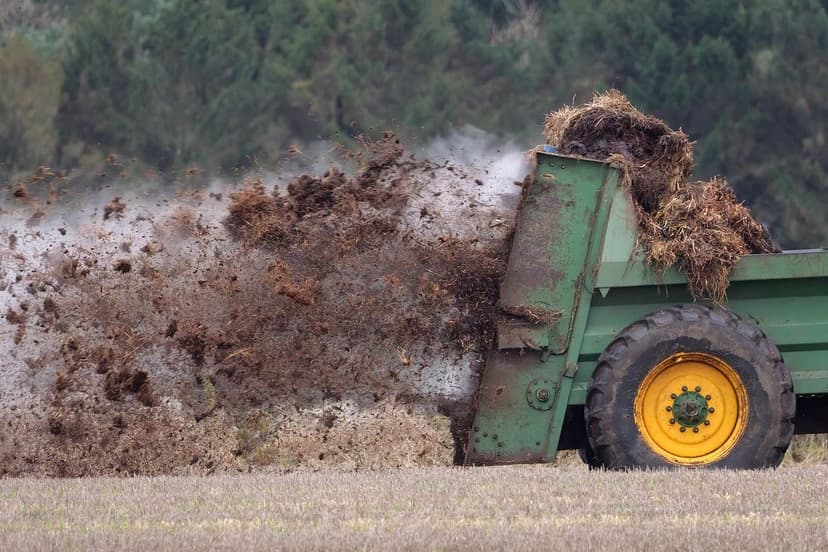
Protecting endangered biodiversity is not just the task of farmers. Consumer choices play a fundamental role in preserving life in the fields:
- Buy certified organic food: Organic certification ensures that products have been made following practices that respect biodiversity and the environment. You can look for recognized organic certification seals in the European Union.
- Support local farmers and organic markets: Buying food from local farmers who practice organic agriculture strengthens sustainable and nature-friendly farming models. Look for farmers' markets and consumer cooperatives in your area.
- Reduce meat and animal product consumption: A diet based on plants and organic foods reduces the ecological footprint and supports more sustainable food systems. Consider incorporating more vegetarian and vegan meals into your diet.
- Grow your own organic garden (if possible): An organic garden, whether on a small scale at home, on the balcony, or in community spaces, is a way to connect with nature and foster biodiversity in the local environment. [External link to a guide on how to create an organic garden]
6. Conclusion: A Future with More Biodiversity is Possible Thanks to Organic Agriculture and Commitment (and Ecoganic Supports You)
Organic agriculture as a solution for biodiversity is not just a utopia, but an increasingly necessary and urgent reality. Building a biodiverse agricultural future is possible if we bet on models that work in harmony with nature, fostering soil life, protecting pollinators, diversifying crops, and reducing the use of synthetic chemicals. Ecoganic (visit ecoganic.eu) supports this path toward a future sustainable agriculture, offering innovative and effective solutions to produce quality food, respecting the environment, and contributing to a more biodiverse and healthy planet. Commitment to agricultural biodiversity is a shared responsibility among farmers, consumers, and companies. Together, it is possible to build a greener and more prosperous future for the next generations.
Discover how Ecoganic's solutions can help implement organic agriculture practices that benefit biodiversity and improve crop health. Visit the Ecoganic website and contact the experts for personalized advice.
Complete guide: Biostimulants for Olive Trees — application program, phenological stages, and recommended products.